
Top 7 Management Products for Feline Hyperthyroidism Recommended by Veterinarians and Selection Criteria
Feline hyperthyroidism is a common endocrine disorder in senior cats, making proper management and treatment essential. We’ve compiled our top product recommendations and key selection criteria for your convenience.
Top 3 Recommended Products for Managing Feline Hyperthyroidism
Essential Information: Managing Feline Hyperthyroidism
Essential Information 1: What Is the Condition and What Are the Symptoms?
Essential Information 2: Diagnosis and Treatment Options
Essential Information 3: Management and Precautions to Keep in Mind
What Pet Owners Should Know About Feline Hyperthyroidism
| Item | Key Points |
|---|---|
| Condition | Overproduction of thyroid hormone, mainly occurring in middle-aged and senior cats |
| Symptoms | Weight loss, increased appetite, hyperactivity, vomiting, increased water intake |
| Diagnosis | Confirmed by blood test (T4 level measurement), with additional detailed testing if needed |
| Treatment | Veterinarian chooses among prescription oral medication, radioactive iodine, surgery, or prescription diet |
| Caution | Regular follow-up testing essential; no arbitrary dose changes or use of supplements alone |
This is not a table recommending specific products or clinics, but criteria to reference when consulting your veterinarian. Always make treatment and testing decisions together with your veterinarian through an examination.
Caution: Drug Side Effects and What to Check Before Administration
Regular blood tests are essential for cats taking oral antithyroid medications like methimazole and carbimazole to detect side effects early. Studies suggest that up to one in four cats treated with these drugs may experience side effects, so it’s important to follow your veterinarian’s schedule for follow-up exams without missing any appointments. If your cat shows signs of loss of appetite, lethargy, or vomiting during treatment, these could be indicators of side effects, so contact your vet immediately.
Tips for Managing Feline Hyperthyroidism

Reviewed by a veterinarian

Dr. Tony — Punnawat Phongkittirak
VeterinarianA veterinarian who majored in veterinary medicine at Khon Kaen University, Thailand, and completed the IVSA program at North Carolina State University in the United States. Drawing on clinical experience at animal hospitals, he works in the pet healthcare field and is dedicated to building a digital care environment that connects pet parents with veterinarians.
Reviewed 2026-06-01
Frequently Asked Questions
Can feline hyperthyroidism be treated?
My cat has no appetite while on medication. Is this normal?
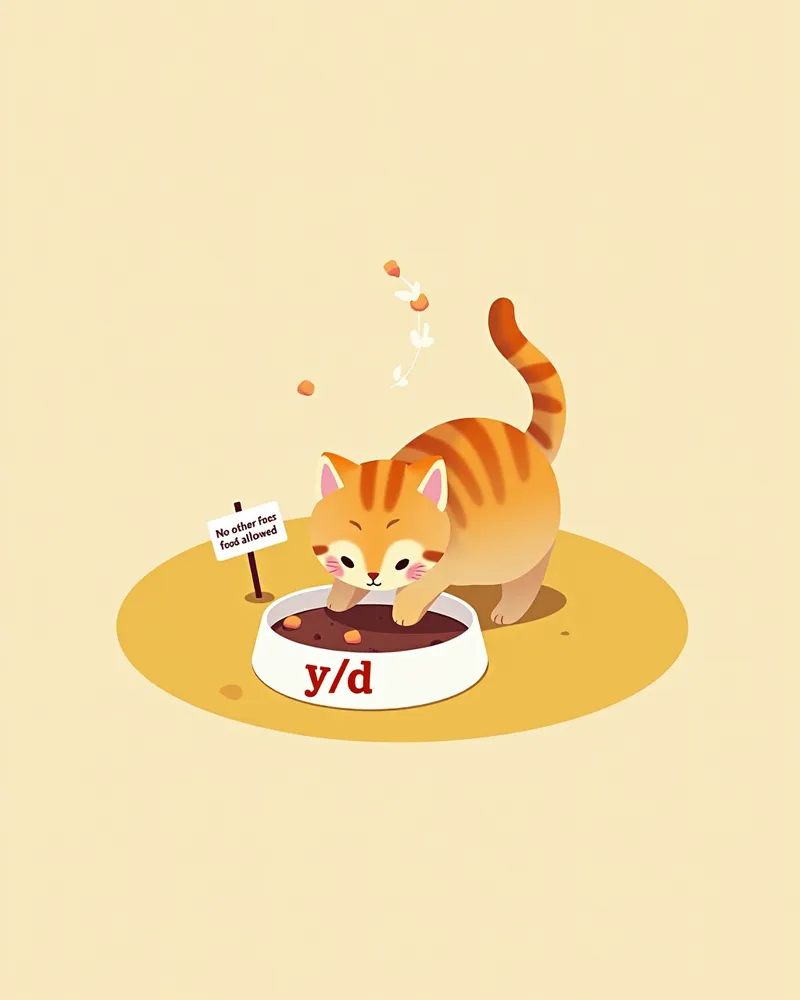
Can I feed low-iodine food to my cat alongside other cats?
Can long-term medication cause side effects?
How about radioactive iodine therapy?
Share
Related Guides

Top 5 Prescription Dog Foods for Diabetes Recommended by Veterinarians — Blood Sugar-Stabilizing Food Comparison
7 Key Products for Managing Feline Hypercalcemia Recommended by Veterinarians and Selection Criteria
7 Key Points for Canine Thyroid T4 Testing by Veterinarians — From Timing to Result Interpretation

7 Key Causes and Management Essentials for Dog Teeth Grinding Explained by a Veterinarian

7 Key Tips for Cat Tooth Brushing Training Recommended by Veterinarians

When Cat Baby Teeth Don't Fall Out — Top 7 Must-Have Care Products and Selection Criteria

7 Management Strategies and Selection Criteria for Canine Anal Gland Tumors Recommended by Veterinarians
7 Best Products for Managing Canine Portal Hypertension and Selection Criteria Recommended by Veterinarians
7 Best Ways to Manage Leptospira Liver Involvement in Dogs, According to Veterinarians
7 Warning Signs of Hepatic Enlargement in Dogs and Management Tips Recommended by Veterinarians
References
[1] Peterson ME, Kintzer PP, Hurvitz AI. Methimazole treatment of 262 cats with hyperthyroidism. J Vet Intern Med. 1988;2:150.
[2] Fox P, Peterson M, Broussard J. Electrocardiographic and radiographic changes in cats with hyperthyroidism: comparison of populations evaluated during 1992-1993 vs. 1979-1982. J Am Anim Hosp Assoc. 1998;35:27.
[3] Textbook of Cardiovascular Medicine in Dogs and Cats. Feline Hyperthyroidism section. 2nd ed. Blackwell Publishing, 2011.