Like
Share
멍실장
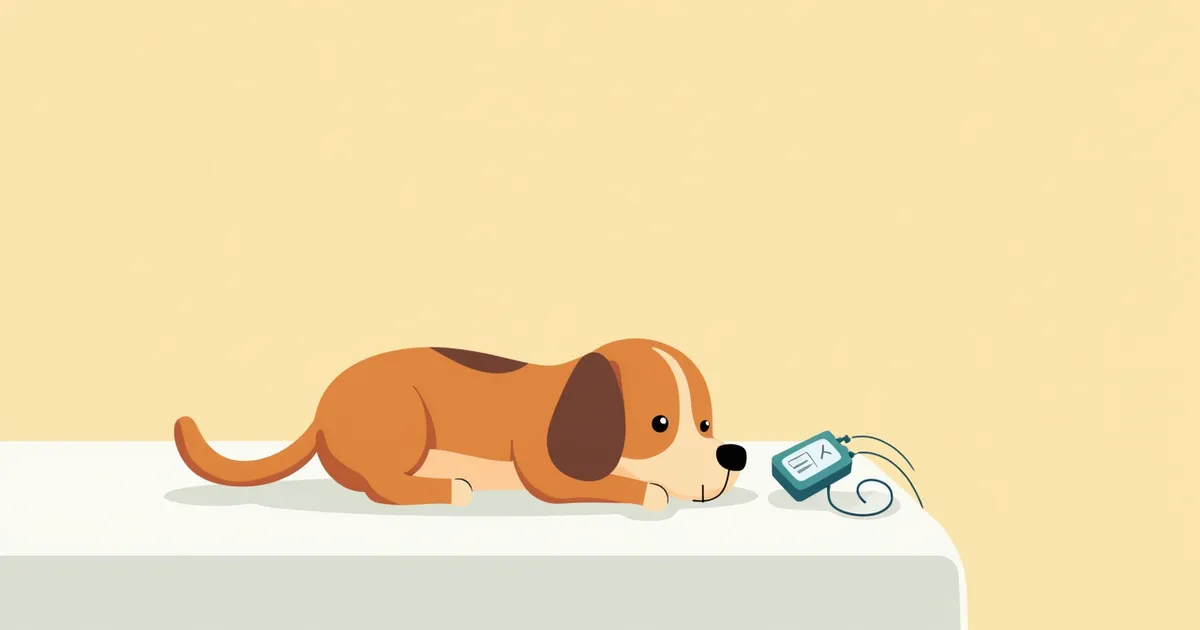
강아지가 진료대에 누워 심전도 기계를 연결하는 모습

7 Best Tips for Managing ECG Tests for Signs of Heart Abnormalities in Dogs

HeartTop PicksMeongsiljang Veterinary Advisory Board

An electrocardiogram (ECG) is an important tool for the early detection of heart disease in dogs. Knowing how to perform accurate tests and manage your pet’s care can help prevent potential risks.

What Is a Canine Electrocardiogram (ECG) Test?
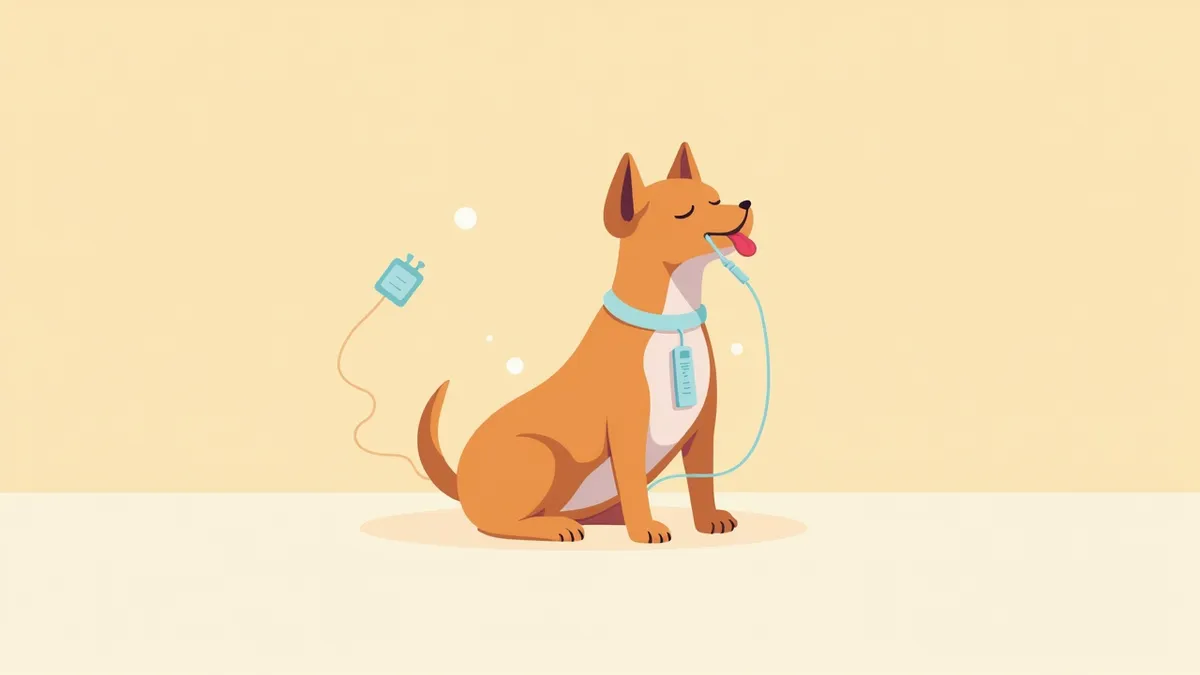
A veterinarian attaching ECG electrodes to a puppy's limbs
A canine electrocardiogram (ECG) is a non-invasive diagnostic test that records the heart’s electrical activity. It allows for precise assessment of heart rhythm and conduction, making it particularly valuable for diagnosing and classifying arrhythmias. Since heart disease often shows few outward signs in its early stages, regular monitoring is beneficial. An ECG can reveal not only arrhythmias and conduction abnormalities, but also indirect signs of atrial or ventricular hypertrophy, as well as ST-segment changes suggestive of myocardial ischemia or infarction. However, because echocardiography provides a more accurate evaluation of actual heart size, combining both tests yields the best results. Veterinarians typically recommend this test during routine health check-ups or when signs of cardiac abnormalities are present.

Selection Criteria: Tips for Choosing a Clinic for ECG Testing
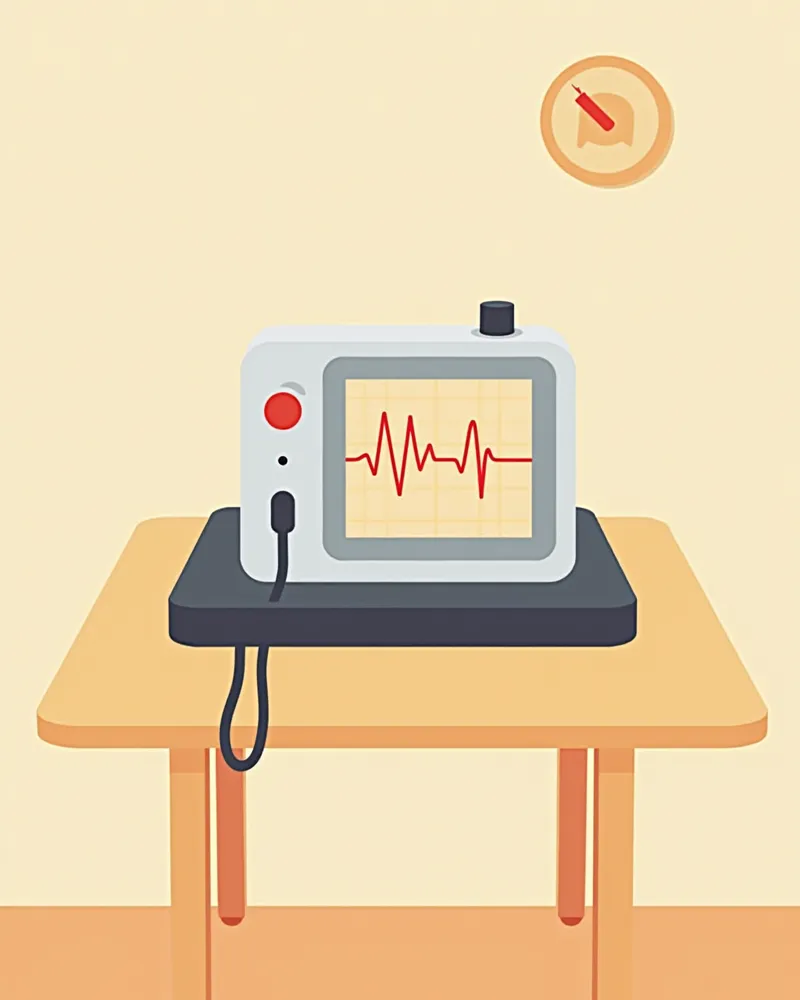
When choosing an ECG device for your dog, be sure to consider accuracy, ease of use, and whether it helps reduce your dog’s stress. First, look for a device with electrodes sized appropriately for your dog’s smaller body and with good contact quality. Poor electrode contact or movement and tremors can introduce noise into the waveform, making interpretation difficult. Even if the device has automatic analysis features, accurate identification of arrhythmia types and risk levels requires interpretation by a veterinarian experienced in cardiology. Therefore, it is safest not to interpret the device’s results as a self-diagnosis. Additionally, a quiet device with low noise levels allows your dog to undergo the test without becoming tense. Devices with data storage and transmission features are convenient for sharing records with your veterinarian for professional interpretation.
A digital ECG machine displaying the heart rhythm in real time.

Check 1: Availability of Multi-Lead ECG and a Stable Examination Environment
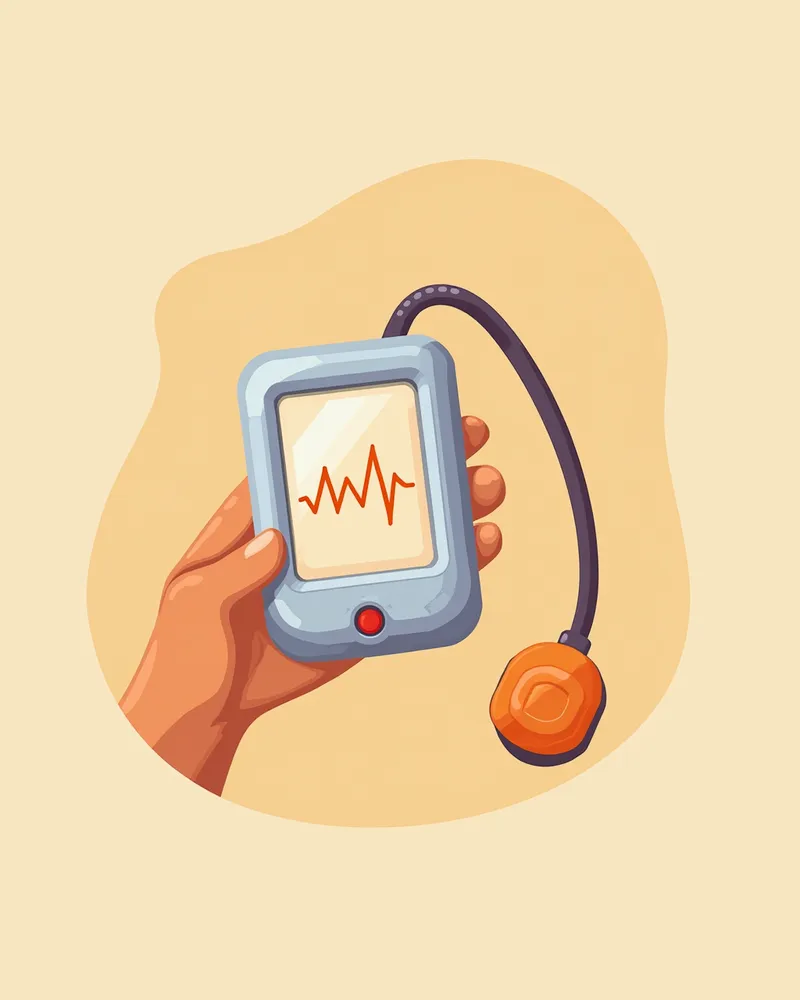
An electrocardiogram (ECG) records the heart’s electrical signals to diagnose arrhythmias. To obtain accurate waveforms, it is important to use equipment capable of recording multiple leads (typically six or more) and to provide a quiet, calm examination environment that minimizes stress for the dog. Excessive trembling or movement can introduce noise into the waveform, making interpretation difficult. It is advisable to choose a clinic with staff experienced in ECG calibration and who closely monitor the dog’s condition throughout the procedure.
A veterinarian using portable ECG equipment in a mobile clinic

Check 2: Management of Indications and Additional Monitoring
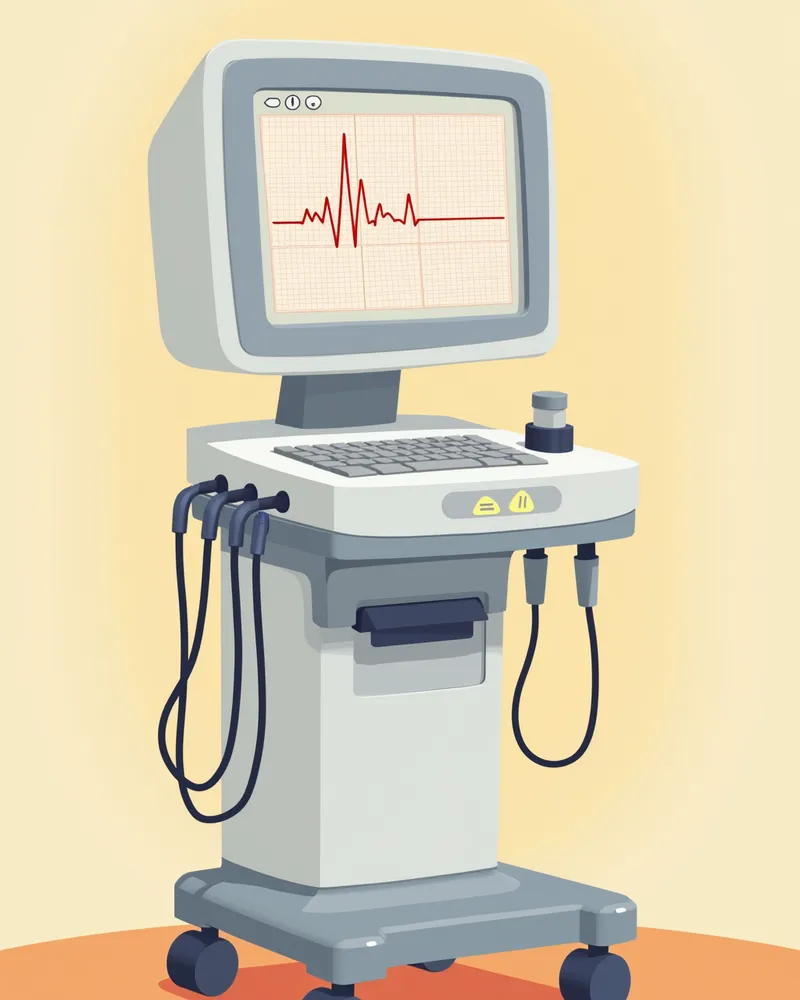
An electrocardiogram (ECG) is especially helpful when your pet shows symptoms such as fainting, sudden lethargy, irregular pulse, or heart murmurs. Since intermittent arrhythmias that don’t appear during a brief exam may require longer-term recording, such as 24-hour Holter monitoring, be sure to confirm whether the clinic can order and manage these tests. Combining an ECG with an echocardiogram and blood pressure measurement allows for a more accurate identification of the underlying cause of arrhythmia, so it’s best to choose a clinic that provides comprehensive, integrated cardiac care.
A large electrocardiogram machine in a veterinary clinic precisely analyzing heart rhythm.

Check 3: Whether the Veterinarian Reads Waveforms and Provides Comprehensive Interpretation

Reading ECG waveforms is a highly specialized skill that requires extensive experience. Even with the same recording, accurately identifying the type of arrhythmia and assessing its risk level demands a veterinarian who is well-versed in cardiology. To ensure peace of mind, choose a clinic where the veterinarian clearly explains what the results mean, whether medication or further testing is needed, and provides guidance by integrating the ECG findings with other diagnostic results, such as echocardiography.
A dog owner using an affordable electrocardiogram device at home.

Checklist for Selecting a Clinic for ECG Testing

ItemRecommended criteria
EquipmentA facility capable of recording multi-lead ECG and equipped with an environment that reduces noise
Testing operationA facility that arranges and operates long-term monitoring such as 24-hour Holter when needed
Interpretation capabilityA veterinarian with cardiology experience who accurately reads the type and risk level of arrhythmia
Result interpretationA facility that explains the cause and management direction by integrating echocardiography, blood pressure, and other findings
Cost guidanceA facility that informs you in advance of the estimated cost and the possibility of additional tests before the exam

This is not a table recommending specific products or hospitals, but criteria to reference when consulting your veterinarian. Treatment and testing decisions must always be made together with your veterinarian through an examination.

Precautions: Risks of Improper Use

When using an electrocardiogram (ECG) device, avoid leaving the electrodes attached to your dog’s skin for too long, as this can cause skin irritation or allergic reactions. Additionally, it is difficult to obtain accurate readings if your dog is tense or moving. Before the test, allow your dog to rest in a quiet environment. Using the device without your veterinarian’s guidance or misinterpreting the results can lead to serious misunderstandings.

Tips for Using Canine Electrocardiogram (ECG) Tests
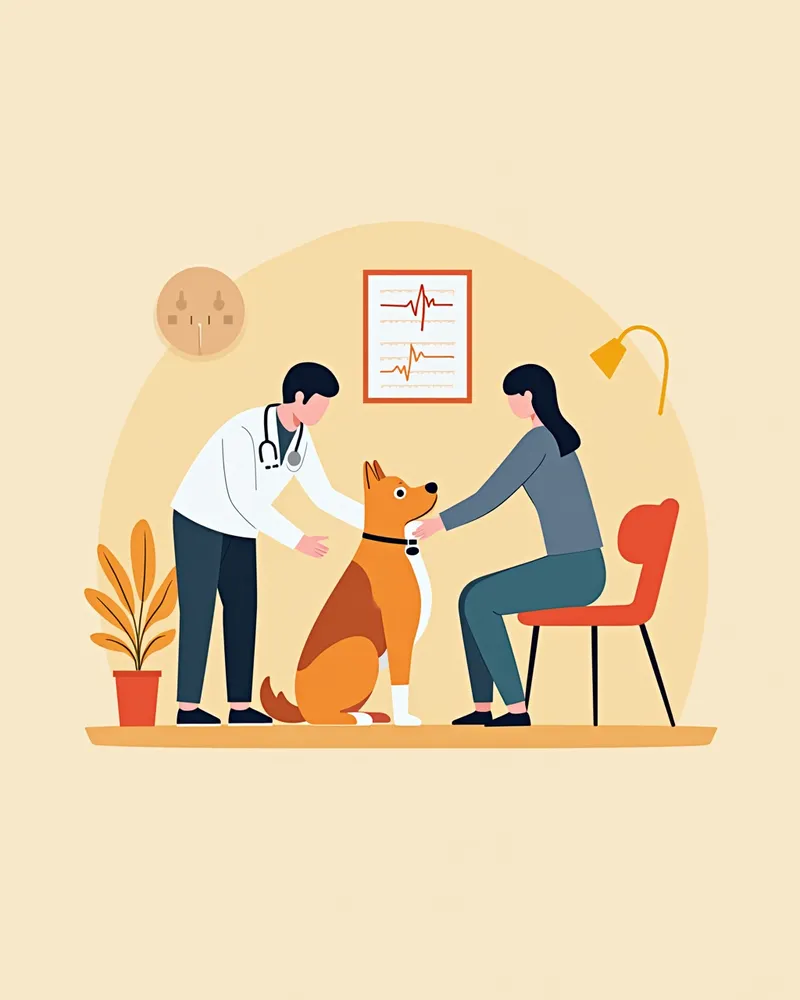
When performing an electrocardiogram (ECG) on a dog, allow the dog to rest quietly for 10–15 minutes before the test. Stress can cause irregular heartbeats, making it difficult to obtain accurate results. When attaching the electrodes, gently groom the hair and wipe the skin to remove oils and sweat. During the procedure, soothe and comfort the dog to help them stay calm. After the test, carefully remove the electrodes and check the skin condition. For the safest approach, review the results together with your veterinarian.
A dog owner comforting their puppy during a medical examination.

Reviewed by a veterinarian

Dr. Tony — Punnawat Phongkittirak

Dr. Tony — Punnawat Phongkittirak

Veterinarian

A veterinarian who majored in veterinary medicine at Khon Kaen University, Thailand, and completed the IVSA program at North Carolina State University in the United States. Drawing on clinical experience at animal hospitals, he works in the pet healthcare field and is dedicated to building a digital care environment that connects pet parents with veterinarians.

Frequently Asked Questions

Does an ECG (electrocardiogram) test hurt dogs?
No, an electrocardiogram (ECG) is noninvasive and painless. It simply involves attaching electrodes to the skin, so your dog may feel a little nervous.
Can I perform an ECG test at home?
There are also devices that allow you to collect ECG data at home, such as event recorders that owners can use to capture readings when symptoms occur. However, since accurate diagnostic interpretation of the results should be performed by a veterinarian, it’s best to use home recordings as a supplementary tool.
How is the frequency of ECG tests determined?
There’s no one-size-fits-all schedule for this. The ideal frequency depends on your dog’s age, breed, risk of heart disease, and whether any symptoms are present. It’s best to follow the testing schedule recommended by your veterinarian after a thorough health assessment.
What should I do if the ECG results show abnormalities?
Please consult your veterinarian right away. Your pet may need additional tests or a tailored treatment plan. Ignoring these results could lead to serious heart problems.
What should I do if my dog is afraid of the ECG machine?
Start by gently practicing attaching just the electrodes. Create positive experiences with food or treats. Gradually get your pet accustomed to the examination.

Share

Related Guides

References

[1] Tilley, L.P. and Burtnick, N.L. (2009). How to interpret ECG for the Small Animal Practitioner. In: ECG for the Small Animal Practitioner, 1–8.

[2] Kittleson, M.D. and Kienle, R.D. (1998). Small Animal Cardiovascular Medicine. St. Louis, MO: Mosby.

[3] Fox, P.R. and Harpster, N.K. (1999). Diagnosis and management of feline arrhythmias. In: Textbook of Cardiovascular Medicine in Dogs and Cats, 215–234.

This information is based on veterinary literature and does not replace diagnosis or treatment. Please consult a veterinarian for specific health concerns.

Metapet Co., Ltd. | CEO: Park Sung-yong | Business Reg. No. 417-88-02562 | Seoul, South Korea | Customer Center

Signs of Heart Trouble in Dogs: 7 Best ECG Test Management Tips | Meongsiljang