

7 Key Management Tips for Canine Ventricular Septal Defect (VSD) from a Veterinarian
Ventricular septal defect in dogs is a congenital heart disease that can lead to impaired heart function. Proper management and careful product selection are essential.
Ventricular Septal Defect in Dogs Is a Congenital Heart Condition

The Key to Managing Ventricular Septal Defect in Dogs Is Reducing Cardiac Strain

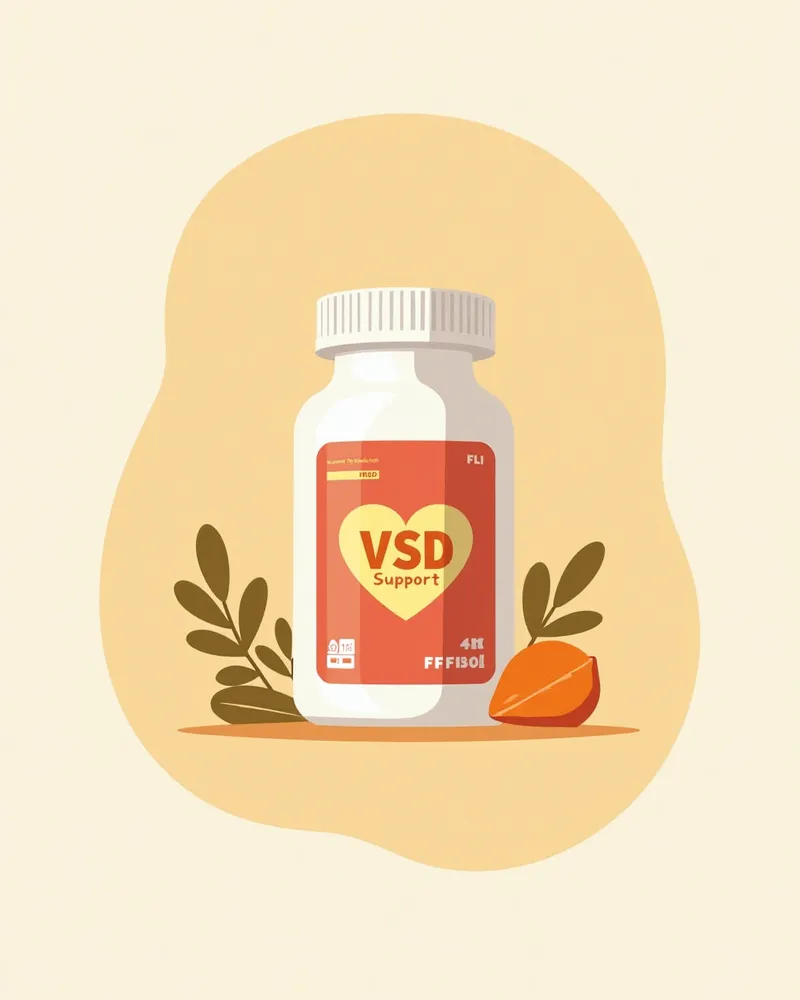
Ventricular Septal Defect Management BEST 1: Heart Health Supplements
Ventricular Septal Defect Management BEST 2: Low-Sodium Diets

Ventricular Septal Defect Management BEST 3: Regular Heart Monitoring

Comparison Table of BEST 1–3 Products
| Item | Key Ingredients | Reason for Recommendation | Price Range |
|---|---|---|---|
| BEST 1 Supplement | Omega-3 (fish oil), CoQ10, Taurine | Supportive nutritional supply for heart disease (studies report reduced arrhythmia); not a treatment that corrects the defect | Recommended to choose after veterinary consultation |
| BEST 2 Diet | Sodium restriction, adequate protein | Sodium restriction helps reduce congestion and fluid retention | Recommended to choose after veterinary consultation |
| BEST 3 Monitoring | Recording respiratory rate and heart rate | Aids early recognition of changes from normal (definitive diagnosis is echocardiography) | Recommended to choose after veterinary consultation |
Price ranges are estimated monthly amounts. Supplements, diets, and monitoring are supportive measures only; diagnosis and treatment should be decided after consulting a veterinarian.
Caution: Excessive Exercise Increases Cardiac Strain
Puppies with a ventricular septal defect can experience a sudden increase in cardiac workload during excessive exercise or excitement. It is best to keep walks short and schedule them during quieter times, while limiting high-energy play. If you notice any unusual symptoms, consult your veterinarian immediately.
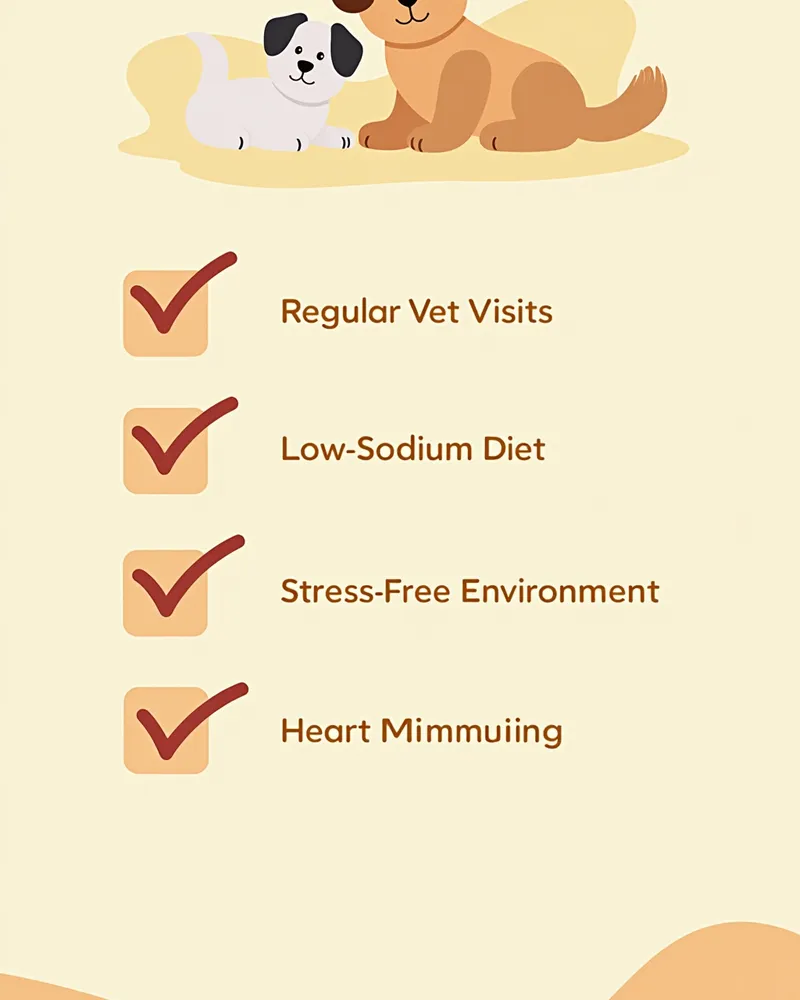
5 Tips for Managing Ventricular Septal Defect in Dogs
Reviewed by a veterinarian

Dr. Tony — Punnawat Phongkittirak
VeterinarianA veterinarian who majored in veterinary medicine at Khon Kaen University, Thailand, and completed the IVSA program at North Carolina State University in the United States. Drawing on clinical experience at animal hospitals, he works in the pet healthcare field and is dedicated to building a digital care environment that connects pet parents with veterinarians.
Reviewed 2026-06-03
Frequently Asked Questions
Can ventricular septal defects be treated?
Can a dog with a ventricular septal defect still live a normal life?
Is ventricular septal defect genetic?
When should heart medication be administered?
What is the life expectancy of a puppy with a ventricular septal defect?
Share
Related Guides

Coenzyme Q10 Benefits and Administration Guide

Dog Pulmonary Edema Warning — 7 Best Diuretics (Furosemide) for Heart Management

7 Best Prescription Diets for Feline Heart Disease Recommended by Veterinarians — Criteria for Choosing Low-Sodium Food

7 Indications for Feline Radiation Therapy Selected by Veterinary Oncologists

Top 7 Cat Cancer Pain Relief Care Tips Recommended by Veterinarians

7 Symptoms of Feline Multiple Myeloma and Treatment Criteria as Summarized by a Veterinarian

7 Key Points for Managing Feline Mast Cell Tumors and Selection Criteria Recommended by Veterinarians
7 Key Management Strategies for Feline Mammary Tumors Selected by Veterinarians and Selection Criteria
7 Key Points for Evaluating Lymph Node Metastasis in Cats, Selected by Veterinary Oncologists

6 Veterinary-Recommended Checks for Managing Feline Hormone-Responsive Tumors — From Causes to Treatment
References
[1] Textbook of Cardiovascular Medicine in Dogs and Cats, 2020, Chapter 7: Congenital Heart Diseases
[2] Small Animal Critical Care Medicine, 3rd Ed, 2021, Section on Pediatric Cardiology
[3] American College of Veterinary Internal Medicine (ACVIM) Consensus Statement on Congenital Heart Disease in Dogs, 2022