
Like
Share
멍실장
고양이 조기 발견 종양 선별 검사 관리 추천 BEST와 고르는 기준 총정리

7 Early Cancer Detection Screening Tests for Cats Recommended by Veterinarians

Oncology/CancerTop PicksMeongsiljang Veterinary Advisory Board

Early tumor screening in cats plays a crucial role in the early detection of cancer. Don’t miss the opportunity to save your pet’s life through regular check-ups.

What Is Feline Early-Detection Tumor Screening?
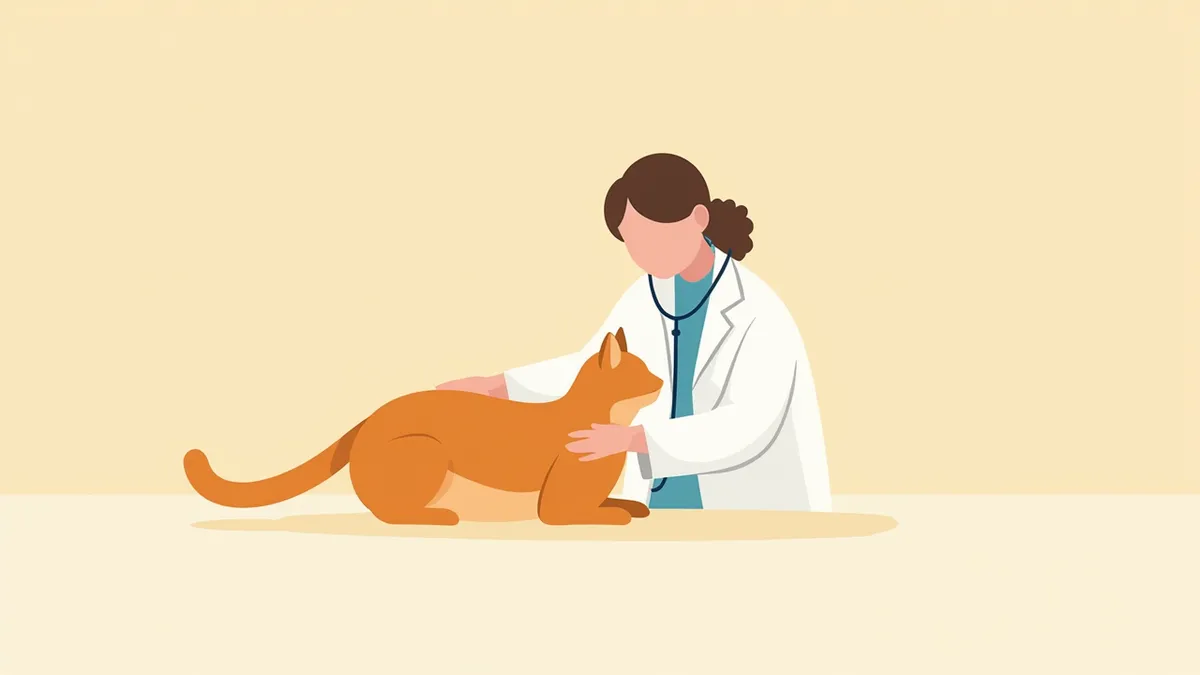
A veterinarian examining a cat's abdomen.
Feline early-detection tumor screening aims to identify abnormalities before cancer develops or while it is still in its earliest stages. - Early detection: The lower the cancer stage, the wider the range of treatment options and the more favorable the prognosis can be. - Regular check-ups: Annual wellness exams allow for prompt detection of changes. For senior cats, increasing the frequency of these exams is recommended. - Comprehensive testing: Combining a physical exam to palpate for lumps with blood tests and imaging studies, such as ultrasound and X-rays, enhances the ability to detect abnormalities. - Definitive diagnosis: If suspicious findings arise, fine-needle aspiration (FNA) or a biopsy is performed to determine the tumor type and assess the stage. - Expanding treatment opportunities: Early detection, particularly before metastasis occurs, increases treatment options, such as surgery, and generally leads to a better prognosis. Regular screening is an effective way to safeguard your cat’s health.

Selection Criteria: Tips for Choosing a Clinic for Tumor Screening
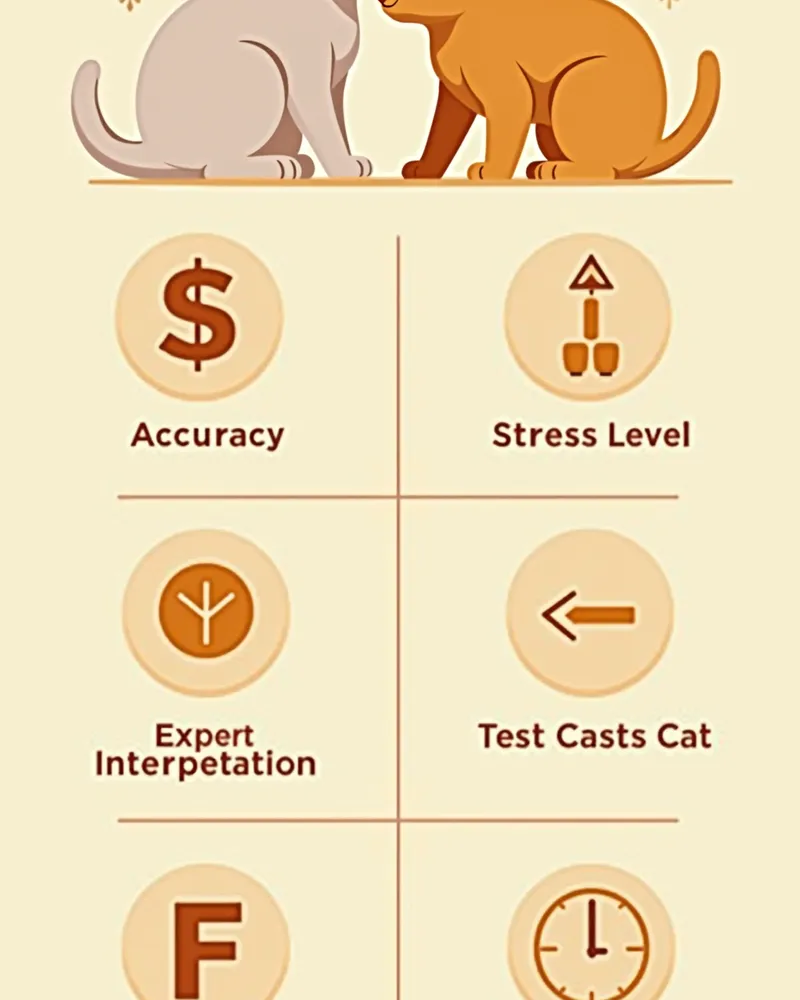
When choosing a feline tumor screening test, be sure to check these four key criteria. You need to consider accuracy, burden on the cat, cost, and ease of interpreting results all together.
High-accuracy test: A test that doesn’t miss early signs of cancer.
Minimizing stress for cats: A test with a gentle and quick procedure.
Cost-effectiveness: A test that reduces long-term vet visits.
Guaranteed specialist interpretation: A test where a veterinarian clearly explains the results.
Four Key Criteria for Choosing a Cat Tumor Test: An Icon Chart

Check 1: Does It Offer a Screening Package Combining Physical Exams, Blood Work, and Imaging?

Tumor screening isn’t a one-test solution; it’s most effective when thorough physical exams, blood work, and imaging studies like ultrasounds and X-rays are combined. Look for clinics that offer comprehensive screening programs, which include hands-on evaluation of any lumps on the body’s surface, as well as monitoring blood parameters and organ health. Instead of focusing on just one test, choose a clinic that explains which specific tests are necessary based on your cat’s age and overall condition.
An informational image explaining whether the screening package includes a combination of physical examination, blood tests, and imaging.

Check 2: Is It Integrated Into Regular Wellness Exams for Senior Cats?

The earlier a tumor is detected, the more treatment options are available, so it’s important to check regularly even before symptoms appear. For senior cats, it’s best to choose a clinic that includes tumor screening in their annual or biannual wellness exams. Look for a practice that educates owners on warning signs such as unusual lumps, weight loss, or changes in appetite, and helps establish a consistent check-up schedule to catch any changes early.
An informational image explaining whether the service is integrated into regular check-ups for senior cats.

Check 3: Are Abnormalities Followed Up With Further Diagnostic Procedures and Clear Explanations?

If screening tests raise suspicion, further diagnostic procedures such as fine-needle aspiration or biopsy are necessary to confirm the diagnosis and determine the cancer stage. It’s best to choose a veterinary clinic where the veterinarian clearly explains the next steps when abnormalities are detected and can refer you to a specialist in oncology. Even if results are normal, the clinic should inform you when to schedule your next check-up, and if there are any concerns, they should explain a gradual, step-by-step approach without causing unnecessary alarm.
An informational image explaining how to proceed with a detailed examination and providing guidance if any abnormalities are detected.

Checklist for Choosing a Clinic for Tumor Screening

ItemRecommended Criteria
Test compositionA clinic with a screening program bundling physical exam, blood work, and ultrasound/X-ray
Test operationA clinic that integrates tumor screening into routine senior-cat checkups and sets an interval
Interpretation capabilityA veterinarian who judges by synthesizing warning signs and test results
Results interpretationA clinic that, when abnormalities are found, refers to detailed testing/oncology care and explains it
Cost guidanceA clinic that informs you in advance of estimated costs and the possibility of additional tests before testing

This isn't a table recommending specific products or clinics; it's a reference for discussing with your veterinarian. Always make treatment and testing decisions together with your veterinarian through an examination.

Caution: Consult a Professional for Interpreting Test Results

A veterinarian should personally interpret the test results and determine whether additional testing or a treatment plan is needed. Please avoid making independent judgments based on the results alone or becoming overly anxious.

Usage Tips: Effective Management Methods

After the examination, organize the results and work with your veterinarian to create a management plan. Regular veterinary visits and improvements in daily habits are essential.
Record Results: Save the test results in a file for future reference.
Regular Visits: Schedule follow-up check-ups every six months to a year.
Dietary Management: Choose food appropriate for your cat’s age and health condition.
Stress Management: Maintain a quiet environment and a consistent daily routine.
Cat Health Care Diary and Schedule

Reviewed by a veterinarian

Dr. Tony — Punnawat Phongkittirak

Dr. Tony — Punnawat Phongkittirak

Veterinarian

A veterinarian who majored in veterinary medicine at Khon Kaen University, Thailand, and completed the IVSA program at North Carolina State University in the United States. Drawing on clinical experience at animal hospitals, he works in the pet healthcare field and is dedicated to building a digital care environment that connects pet parents with veterinarians.

Frequently Asked Questions

Do cats need annual check-ups?
Yes, we recommend at least one health checkup per year, and for cats aged seven and older, it’s best to increase the frequency of checkups since they’re more prone to developing diseases. Early detection can significantly improve treatment options and extend life expectancy.
Which cats benefit most from genetic testing?
If your cat is a breed with a known predisposition or has a family history of tumors, it’s a good idea to consult your veterinarian about whether additional testing is needed. The specific tests required will vary depending on your cat’s age and overall health, so you and your vet can decide together during the visit.
Is the examination painful?
Most tests, such as ultrasound or fine-needle aspiration, are non-invasive or involve minimal discomfort, and they are performed while the cat is in a comfortable state.
Should I repeat the test even if the results are normal?
Yes, regular check-ups are crucial for detecting changes. Early-stage cancer often shows no symptoms, and cats are adept at hiding discomfort, so routine veterinary exams are especially helpful.
It’s quite expensive—where can I get it at a lower cost?
Costs vary widely depending on the clinic, the specific tests performed, and your pet’s condition. For an exact quote, please contact the clinic where you’ll be receiving care directly.

Share

Related Guides

References

[1] Rebhun and Culp. (2013) Veterinary Surgical Oncology, 2nd Ed.

[2] D’Costa et al. (2012) Primary lung tumors in cats: metastatic patterns and prognosis.

[3] Hahn and McEntee. (1997) Feline primary lung neoplasms: clinical and pathological features.

This information is based on veterinary literature and does not replace diagnosis or treatment. Please consult a veterinarian for specific health concerns.

Metapet Co., Ltd. | CEO: Park Sung-yong | Business Reg. No. 417-88-02562 | Seoul, South Korea | Customer Center

7 Early Cancer Screening Tests for Cats, Vet-Recommended | Meongsiljang