
Like
Share
멍실장
고양이 폐 청진 소견 관리 추천 BEST와 고르는 기준 총정리

Best Recommendations and Selection Criteria for Managing Feline Lung Auscultation Findings

RespiratoryTop PicksMeongsiljang Veterinary Advisory Board

Lung auscultation in cats is key to the early detection of respiratory diseases. It is important to accurately interpret the findings and choose appropriate care products.

Feline Lung Auscultation Findings Are the First Clue to Respiratory Health
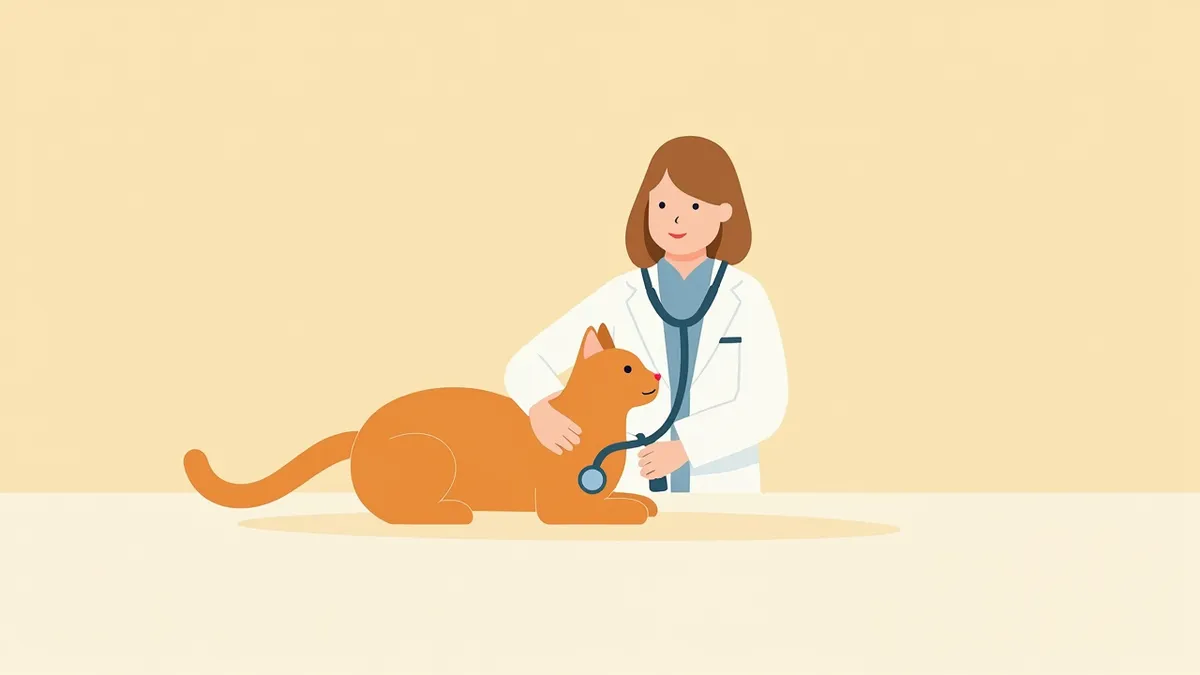
A veterinarian listens to a cat’s chest with a stethoscope.
Lung auscultation is a key diagnostic method for assessing the condition of a cat’s lungs and airways. Normal findings include regular breath sounds, while abnormal findings may involve rough or unusual noises detected during auscultation. - Normal findings: Consistent, regular breath sounds are heard, with no additional or unusual noises. - Abnormal findings: Changes such as wheezing, coughing, frequent breathing, or rapid respiration may be observed. These signs can indicate early stages of conditions like bronchitis, pneumonia, or heart failure, making regular check-ups essential for early detection. Always consult your veterinarian for proper evaluation and guidance.

Selection Criteria Begin with Accuracy and Stability
When choosing a product for managing feline lung auscultation findings, accurate sound transmission and ease of use are the most important factors. - Accuracy: A small chest piece designed to fit a cat’s small body is essential to prevent sound distortion. - Stability: The device should adhere well to fur and have excellent external noise-blocking capabilities. - Durability: It should be made of a material that resists deformation over time and is easy to clean. - Convenience: A lightweight, portable, and easy-to-store design is ideal. All these factors should be considered comprehensively.
Close-up shot of a premium stethoscope designed for cats

Best 1: Premium Stethoscope Designed Specifically for Cats

This product is a stethoscope specially designed for cats’ small bodies, delivering clear sound transmission and adhering well to fur to minimize external noise. - Sound quality: Equipped with a high-sensitivity microphone that accurately captures even subtle breathing sounds. - Wearing stability: The rubber head adheres securely to the cat’s fur, ensuring stable auscultation even during movement. - Ease of use: Lightweight, portable, and easy to clean. - Recommended by professionals: Satisfying both veterinarians and pet owners, this product is highly suitable for home use. Regular auscultation helps you continuously monitor your cat’s health.
A cat lying calmly while a specialized stethoscope is used to listen to its heart and lungs.

Best 2: Home Auscultation Kit (for Small Cats)

This kit is designed for easy at-home lung auscultation. - Stethoscope: Includes a small chest piece optimized for a cat’s petite body. - Recording tools: Comes with an auscultation site guide and a findings log to support daily monitoring. - User instructions: Step-by-step guidance makes it easy even for beginners to use. - Portability: Compact and lightweight, making it convenient to carry during travel or vet visits. - Practicality: Consistently recording your cat’s breathing patterns provides valuable information for discussions with your veterinarian. It’s ideal for establishing a regular auscultation routine.
Feline auscultation kit, a set including a stethoscope and a recording chart

Best 3: Multifunctional Stethoscope (for Cats and Dogs)

This versatile stethoscope is suitable for both cats and dogs. - Small chest piece: Designed to fit a cat’s small body, it facilitates clear sound transmission. - Sound quality: Its high-sensitivity sensor can detect even subtle respiratory sounds. - Durability: Made from high-quality plastic, it resists deformation even with long-term use. - Cost-effectiveness: It offers excellent performance for its price, making it a practical choice for home use. - Versatility: It can be used on cats as well as other pets. Regular auscultation helps you monitor changes in your pet’s health.
A versatile stethoscope suitable for both cats and dogs

Comparison Table of Best 1–3 Products

ItemBEST 1 Dedicated StethoscopeBEST 2 Home KitBEST 3 Multifunction Stethoscope
Sound transmission accuracyVery highHighHigh
Optimization for catsFully customizedPartialAdequate
Value for moneyAverageGoodVery good
Ease of cleaning and maintenanceVery easyEasyAverage
PortabilityAverageVery goodGood

It can be used as an aid to the veterinarian's diagnosis and must always be used alongside regular checkups.

Caution: Auscultation Findings Are Not a Diagnosis

Lung auscultation in cats cannot replace a veterinarian’s professional diagnosis. If abnormal findings are detected, immediate veterinary care is necessary. Home auscultation should only be used for early detection of potential issues, and definitive diagnosis must always be performed by a qualified professional.

Usage Tips: Establishing a Routine Auscultation Habit

Lung auscultation in cats should not be performed daily; instead, it is best conducted regularly during health check-ups or when symptoms are suspected. - Calm state: Ensure your cat is comfortable and relaxed before auscultation. - Suitable environment: Conduct the procedure in a quiet room to prevent interference from external noise. - Record-keeping habit: Briefly documenting the findings helps track changes over time. - Monitor for changes: If you notice abnormal signs such as rapid breathing or frequent coughing, seek veterinary care immediately. - Ongoing care: Routine auscultation can aid in the early detection of diseases.
A relaxed cat being examined with a stethoscope

Reviewed by a veterinarian

Dr. Tony — Punnawat Phongkittirak

Dr. Tony — Punnawat Phongkittirak

Veterinarian

A veterinarian who majored in veterinary medicine at Khon Kaen University, Thailand, and completed the IVSA program at North Carolina State University in the United States. Drawing on clinical experience at animal hospitals, he works in the pet healthcare field and is dedicated to building a digital care environment that connects pet parents with veterinarians.

Frequently Asked Questions

How often should you listen to your cat’s lungs with a stethoscope?
It is recommended to perform this test alongside regular health check-ups, and if your pet suffers from chronic respiratory disease, consult with your veterinarian to determine the appropriate frequency.
How can you record auscultation findings at home?
Using a symptom log or recording sounds with your smartphone in a quiet environment can also be helpful.
What should I do if the test results show abnormalities?
Please consult your veterinarian immediately. Changes in clinical signs may indicate disease progression, so prompt action is essential.
Which cats require particularly careful monitoring of auscultation findings?
This is especially important for senior cats, cats with a history of lung disease, and cats prone to frequent respiratory infections.
How should I clean my stethoscope?
After use, gently wipe the item with lukewarm water and a neutral detergent, then allow it to dry completely before storing. Be sure to prevent any moisture from remaining, as this can lead to mold growth inside.

Share

Related Guides

References

[1] Textbook of Respiratory Disease in Dogs and Cats, 2nd Edition, 2020

[2] The Cat, Clinical Medicine and Management, 2nd Edition, 1994

[3] Small Animal Cytologic Diagnosis Canine and Feline Disease, 2nd Edition, 2020

This information is based on veterinary literature and does not replace diagnosis or treatment. Please consult a veterinarian for specific health concerns.

Metapet Co., Ltd. | CEO: Park Sung-yong | Business Reg. No. 417-88-02562 | Seoul, South Korea | Customer Center

Feline Lung Auscultation: Best Products & Selection Criteria | Meongsiljang