Like
Share
멍실장
강아지 눈 세정·세안 방법 관리 추천 BEST와 고르는 기준 총정리

7 Essential Eye Cleansing Products for Dogs Recommended by Veterinarians and Selection Criteria

Eye HealthTop PicksMeongsiljang Veterinary Advisory Board

Regular eye cleaning is essential for preventing infections and maintaining your dog’s eye health. Choosing the right method and products is key.

Dog Eye Cleaning Methods Are Key to Eye Health
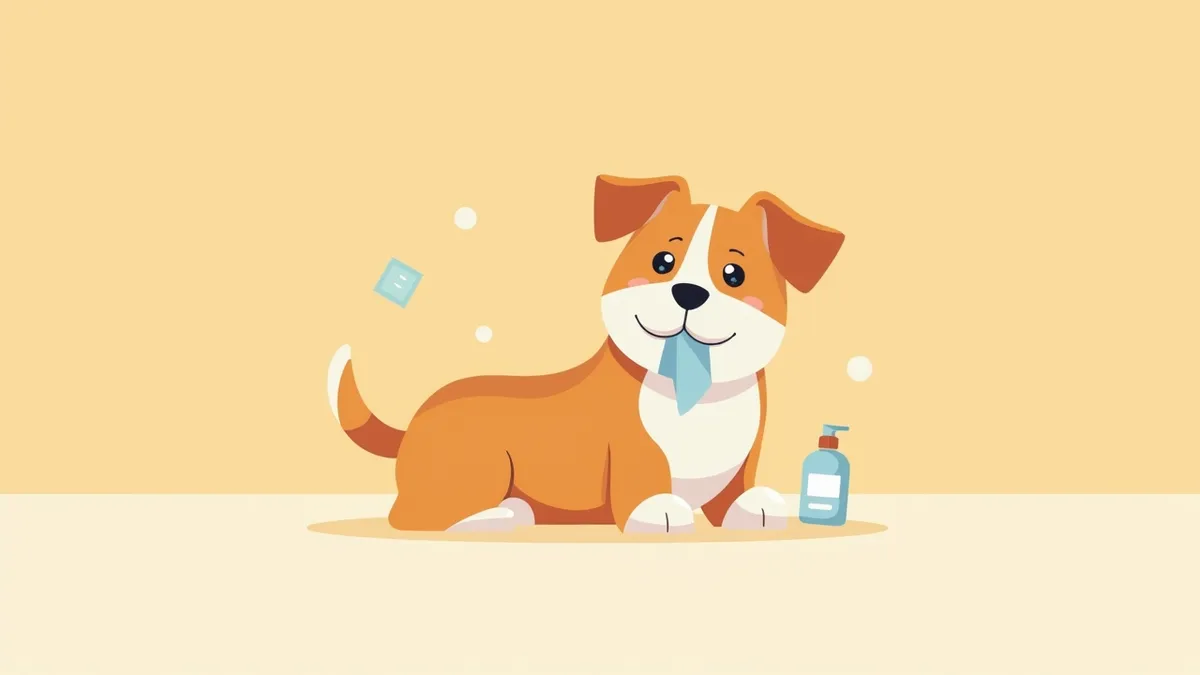
A puppy getting its eyes cleaned
Cleaning your dog’s eyes helps remove debris and discharge from around the eyes, supporting overall eye health. Regularly flushing out debris and discharge that accumulates in the conjunctival sac (the inner lining of the eyelids) is a fundamental part of maintaining eye area hygiene. This is especially important for long-haired breeds or dogs with hair covering their eyes; for these dogs, regularly trimming the hair around the eyes and checking them more frequently is recommended. - Choosing an eye cleanser: For safety, select a gentle, non-irritating product such as sterile saline solution or an ophthalmic rinse specifically designed for eyes. - Cleaning method: Gently wipe around the eyes using a cotton swab or gauze pad moistened with warm water or sterile saline solution. - Cleaning frequency: Rather than adhering to a fixed schedule, check your dog’s eyes regularly and wipe away discharge as soon as you notice it. - Precautions: Avoid rubbing the eyes, scrubbing forcefully, or using high-pressure spray devices. Gentle care ensures safe and effective maintenance.

5 Criteria for Choosing a Dog Eye Cleanser
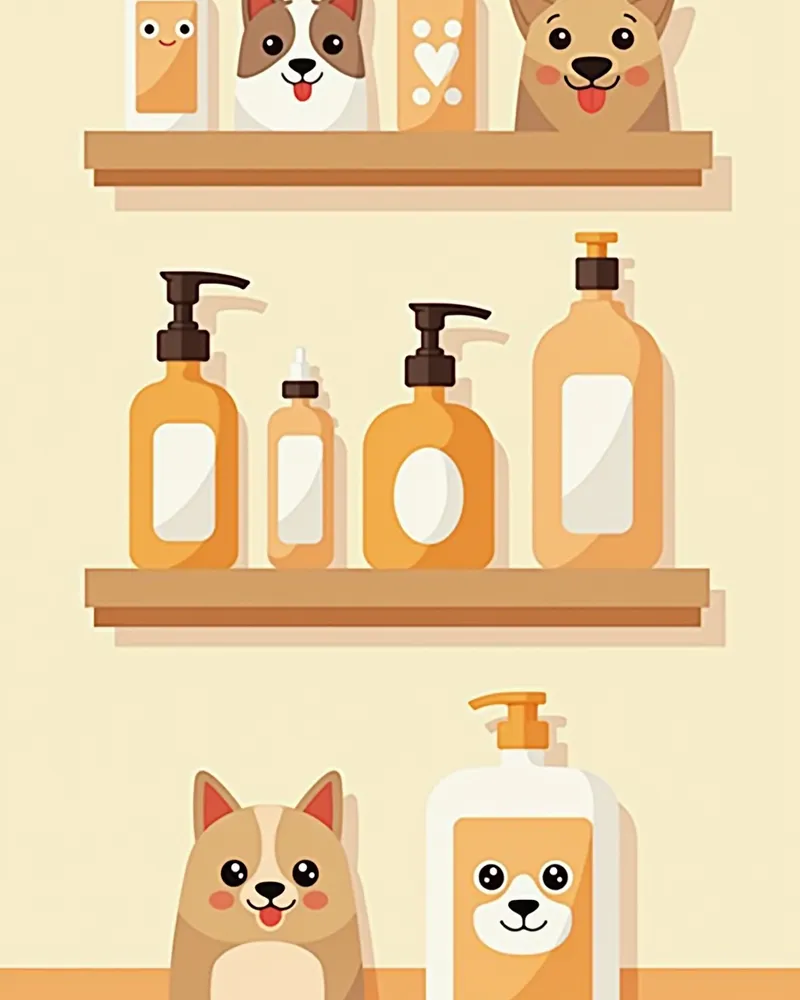
When choosing an eye cleanser for your dog, safety should be your top priority. First, check that the ingredients won’t irritate the eyes. Products that are gentle and clean, such as sterile saline solution or ophthalmic rinses, are the safest options. It’s better to use sterile ophthalmic rinses or saline solutions rather than homemade saltwater, which can easily be mixed at the wrong concentration. You can also consider the product’s form: liquid types are convenient for gently flushing and wiping around the eyes, while gel or pad types stay in place to help remove debris. Finally, the most reliable choice is a product recommended by your veterinarian or local animal clinic. When using a new product for the first time, start with a small amount to check how your dog’s eyes react.
Types of Dog Eye Cleansers

BEST 1: Liquid Eye Cleanser to Prevent Tear Staining
This product is formulated without fragrance, alcohol, or preservatives, so it causes minimal irritation to the eyes. Its pH is balanced to closely match that of the eye, enabling gentle yet effective cleansing. The liquid formula spreads smoothly around the eye area and doesn’t run off, allowing for thorough cleaning. It’s especially suitable for dogs with excessive tearing or redness around the eyes. After use, you’ll notice clearer eyes and reduced tear staining. As a veterinarian-recommended product, it offers high reliability.
Fragrance-free, alcohol-free eye cleanser

BEST 2: Gel Eye Cleanser to Prevent Fur Matting

This gel-based cleanser adheres well to the area around the eyes and provides long-lasting coverage, making it especially effective for long-haired breeds or dogs whose eyes are obscured by fur. The gel spreads evenly to remove debris and prevent tear staining. Formulated without fragrance, alcohol, or preservatives, it is safe for use. After application, the area around the eyes is left clean, and hair loss is reduced. Because the gel does not run off, it enables deep cleansing and delivers consistent results with repeated use.
Gel-type dog eye cleanser

BEST 3: Pad Eye Cleanser for Managing Fur Around the Eyes

This convenient, pad-style cleanser is easy to carry and use. It gently wipes away debris and discharge around the eyes without damaging the fur. Formulated to be fragrance-free, alcohol-free, and preservative-free, it minimizes eye irritation. The pads retain sufficient moisture for long-lasting cleansing effectiveness. They are especially useful for quickly cleaning the eye area after walks or outings, helping to improve issues like hair loss or stickiness around the eyes.
Using puppy eye cleansing wipes

Comparison Table of BEST 1–3 Dog Eye Cleansers

ItemProductFormKey FeaturesRecommended Breeds
BEST 1Tear stain-preventing cleanserLiquidpH balanced, fragrance-free, alcohol-freeBreeds with heavy tearing
BEST 2Hair loss-preventing cleansing gelGelStays fixed around the eyes, long-lastingLong-haired breeds
BEST 3Eye-area hair care padsPadPortable, easy to useBreeds that go outdoors frequently

Each product is fragrance-free, alcohol-free, and preservative-free, so it causes little eye irritation.

Caution: Stop Use Immediately If Eye Irritation Occurs

If your pet’s eyes become red or itchy after using an eye cleanser, stop using it immediately and consult your veterinarian. Eye irritation can increase the risk of infection. In particular, if you notice redness or an increase in discharge, a veterinary visit is necessary. Even with products you use regularly, your pet’s eyes may react differently depending on their condition, so it’s a good idea to test a small amount first when trying a new product.

4 Tips for Cleaning Your Dog’s Eyes
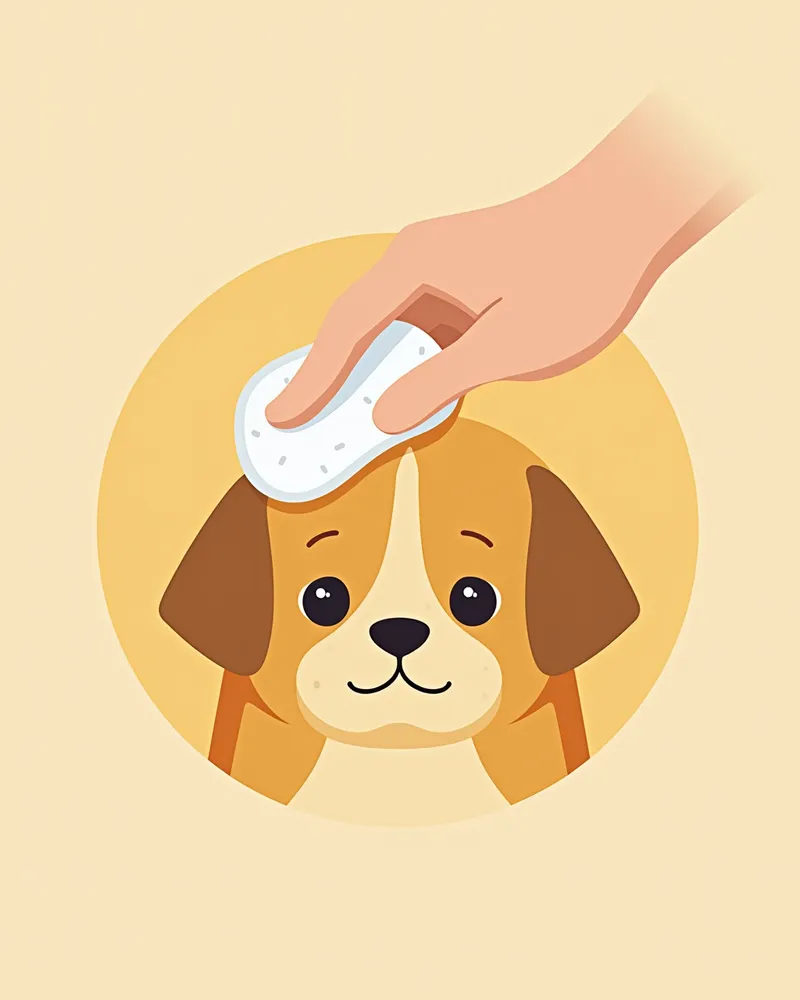
When cleaning your dog’s eyes, focus on their condition rather than a set schedule, and clean regularly whenever you notice discharge. Always wash your hands thoroughly and use clean tools before starting. Gently wipe from the inner corner of the eye outward. Use a fresh pad or cloth for each eye, and never reuse them. Avoid high-pressure sprays; instead, gently rinse with warm water or sterile saline. After cleaning, softly dry the area around the eyes. If you notice redness or irritation, visit a vet immediately to check for corneal damage.
The correct way to clean your dog's eyes

Reviewed by a veterinarian

Dr. Tony — Punnawat Phongkittirak

Dr. Tony — Punnawat Phongkittirak

Veterinarian

A veterinarian who majored in veterinary medicine at Khon Kaen University, Thailand, and completed the IVSA program at North Carolina State University in the United States. Drawing on clinical experience at animal hospitals, he works in the pet healthcare field and is dedicated to building a digital care environment that connects pet parents with veterinarians.

Frequently Asked Questions

How many times a day should you clean your dog’s eyes?
You can adjust the frequency based on your pet's eye condition rather than sticking to a set number. Gently wipe away any discharge or tears as they appear, but if the eyes become red or the discharge increases, prioritize consulting your veterinarian over continuing the routine.
Is it safe to put eye cleanser directly into the eye?
If your goal is to clean around the eyes, use the solution to wipe the surrounding area rather than applying it directly into the eye. However, since sterile saline can also be used to flush the eye directly, always follow the product instructions and your veterinarian’s guidance.
Can I make eye cleanser at home?
Sterile saline solution, ophthalmic rinses, or warm water can be used to flush the eyes. However, homemade saltwater with an incorrect concentration may cause irritation, so it’s safer to use sterile saline or products recommended by your veterinarian.
What should I do if my pet’s eyes become red after using an eye cleanser?
Stop using the product immediately and consult your veterinarian. If your pet’s eyes become red or itchy, there may be irritation or corneal damage, so it’s best to have the cornea examined at a veterinary clinic.
Which breeds benefit most from eye-cleaning solutions?
Breeds prone to excessive tearing or tear staining (such as Poodles), as well as long-haired breeds whose fur covers the area around the eyes (such as Shih Tzus, Maltese, and Pekingese), require more frequent inspection and cleaning of the eye area.

Share

Related Guides

References

[1] Gelatt KN. Essentials of veterinary ophthalmology. Ames, IA: John Wiley & Sons, Inc.; 2014.

[2] Côté E. Clinical veterinary advisor. Dogs and cats. 3rd ed. St. Louis, MO: Elsevier Mosby; 2015.

[3] Blackwell's Five-Minute Veterinary Consult Clinical Companion, Small Animal Toxicology, 3rd Edition. Wiley-Blackwell; 2020.

This information is based on veterinary literature and does not replace diagnosis or treatment. Please consult a veterinarian for specific health concerns.

Metapet Co., Ltd. | CEO: Park Sung-yong | Business Reg. No. 417-88-02562 | Seoul, South Korea | Customer Center

7 Vet-Recommended Dog Eye Cleansers & How to Choose | Meongsiljang