
Top 7 Recommended Products to Correct Furniture Scratching in Cats
Scratching is an innate, instinctive behavior in cats that cannot be suppressed. Based on veterinary advice, we’ve compiled a comprehensive guide covering how to choose the right scratcher by material and design, optimal placement, and effective ways to protect your furniture.
Scratching is an Uncontrollable Feline Instinct
3 Real Reasons Your Cat Scratches Furniture Despite Having a Scratcher
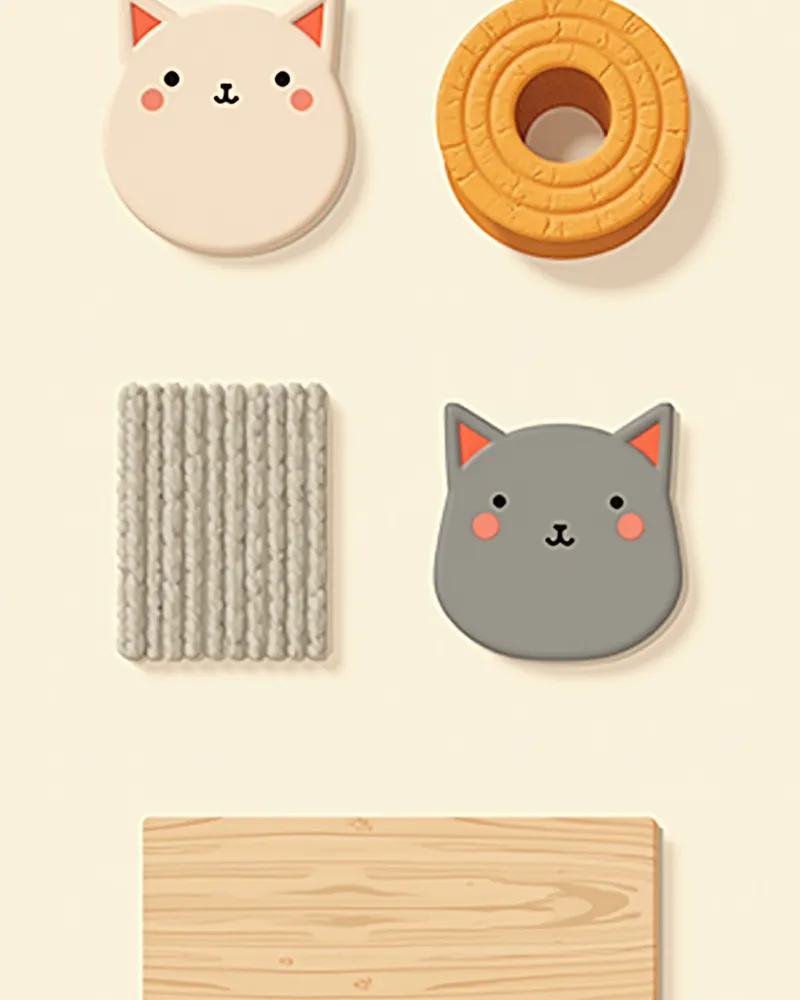
Scratcher Features by Material — Which One Will Your Cat Like?
Declawing Surgery Is Absolutely Not Recommended
Some owners choose declawing surgery to address scratching problems. However, major veterinary organizations, including the American Veterinary Medical Association (AVMA) and the Canadian Veterinary Medical Association (CVMA), along with feline behavior experts, do not recommend this procedure and support its discontinuation. If it must be performed, they emphasize the need for adequate multimodal analgesia. The procedure is also banned under animal welfare laws in several European countries. Scratching can be effectively managed without surgery through environmental management and behavior modification, such as properly placing and selecting appropriate scratching posts, and avoiding punishment.
Best Scratchers by Type — Vertical vs. Horizontal vs. Corner
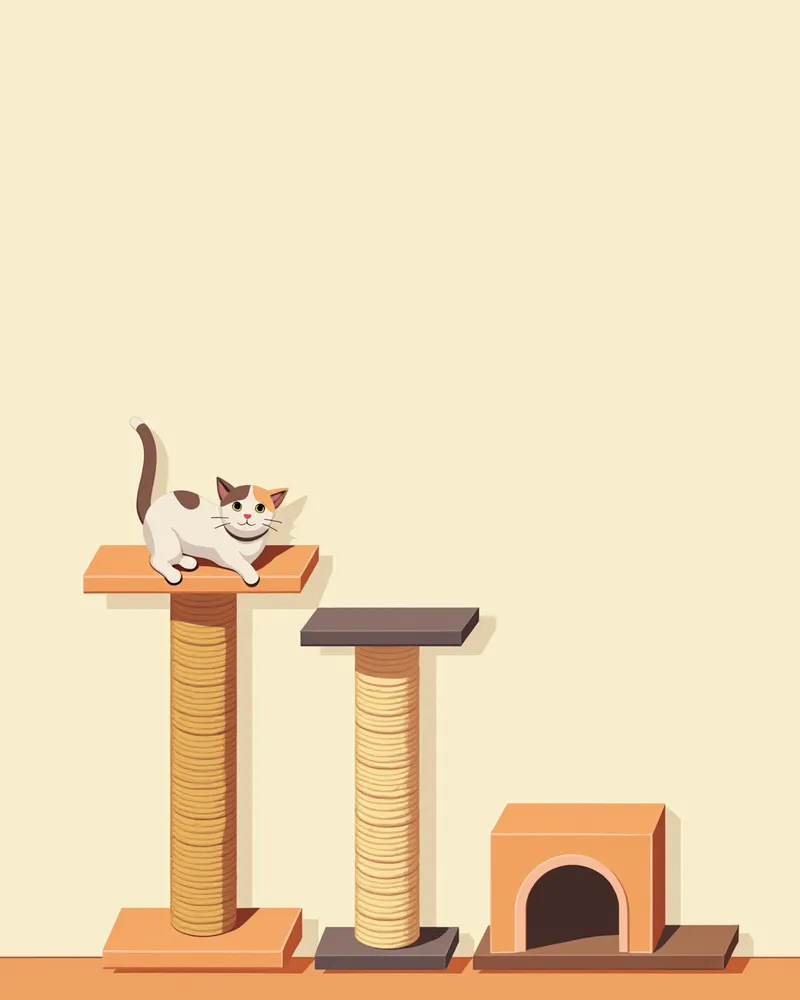
Quick Comparison of Scratcher Types
| Item | Vertical post | Horizontal floor | Corner type |
|---|---|---|---|
| Main material | Sisal/carpet | Corrugated cardboard | Sisal/carpet |
| Recommended size | 65cm or taller | 30cm or longer | 40cm or taller |
| Stretching benefit | High | Low | Medium |
| Best placement location | Center of living room / next to window | Near bed/sofa | Right next to the corner they scratch |
| Replacement cycle | 6–12 months | 1–3 months | 3–6 months |
| Price range | ₩10,000–50,000 | ₩3,000–15,000 | ₩10,000–30,000 |
Prices reflect the lowest online price range as of 2025
Scratcher Placement — Put It Here and They’ll Definitely Use It
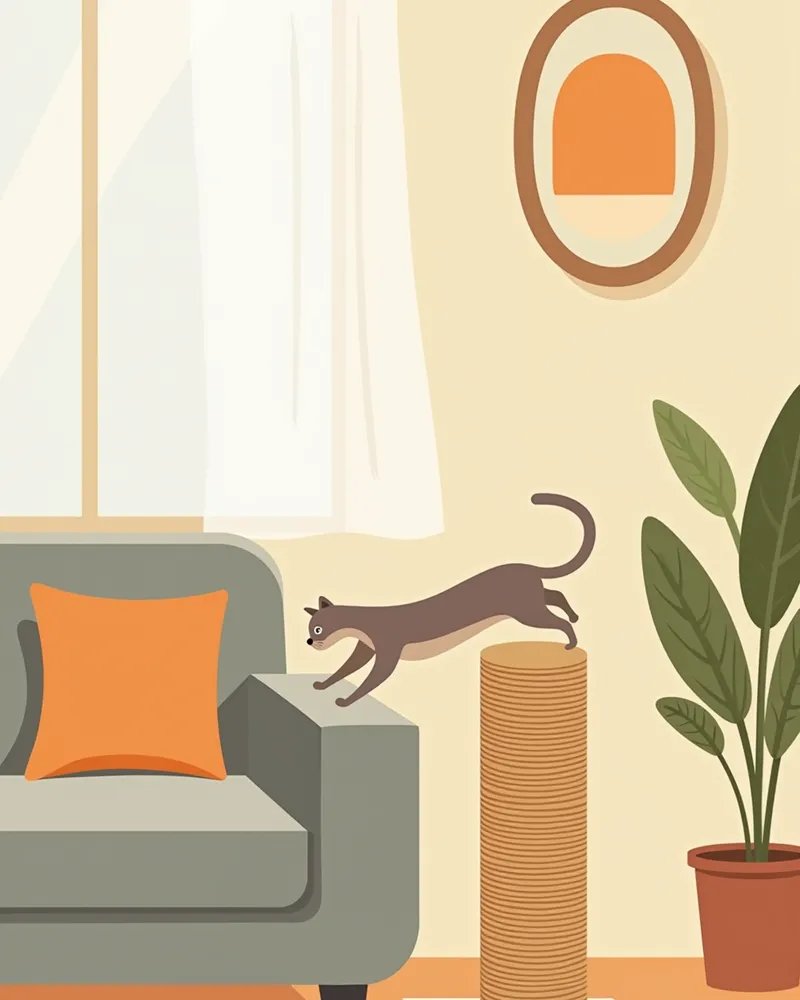
5-Step Method to Correct Furniture Scratching
A Sudden Increase in Scratching May Be a Sign of Stress
A sudden increase in scratching frequency compared to usual may signal environmental stress. Check for recent changes such as moving, adopting a new pet, an influx of visitors, or conflicts with other cats. However, if your cat is in pain, scratching may actually decrease, leading to overgrown claws and poor nail maintenance, or you might notice repetitive licking of specific areas, particularly joints. If scratching is accompanied by vocalization, excessive grooming or licking, or noticeable behavioral changes such as increased irritability or withdrawal, it’s best to visit a veterinary clinic to rule out pain or behavioral issues.
Reviewed by a veterinarian

Dr. Tony — Punnawat Phongkittirak
VeterinarianA veterinarian who majored in veterinary medicine at Khon Kaen University, Thailand, and completed the IVSA program at North Carolina State University in the United States. Drawing on clinical experience at animal hospitals, he works in the pet healthcare field and is dedicated to building a digital care environment that connects pet parents with veterinarians.
Reviewed 2026-06-01
Frequently Asked Questions
I bought a scratching post, but my pet won’t use it at all. Why is that?
How high should a cat scratcher be?
Will trimming your pet's nails more frequently reduce scratching?
My dog only scratches the corners of the sofa. What should I do?
If you have multiple cats, how many scratching posts do you need?
Share
Related Guides

7 Behavioral Enrichment Strategies for Mental Stimulation Recommended by Veterinarians

Top 5 Calming Supplements for Dogs and Cats in 2026

L-Theanine Effects and Calming Support
7 Key Management Tips for Cats After Pacemaker Implantation, Recommended by Veterinarians
7 Feline Cardiac Markers Recommended by Veterinarians — A Guide to NT-proBNP and Troponin Tests
7 Key Management Tips for Feline Infective Endocarditis Recommended by Veterinarians
7 Key Strategies for Managing Feline Hypertensive Heart Disease Recommended by Veterinarians

7 Key Strategies for Managing Feline Heart Failure Stages (ACVIM) Recommended by Veterinarians
7 Key Tips for Managing Feline Heart Failure with Furosemide, as Recommended by Veterinarians
7 Safety Rules for Exercise Restriction in Cats with Heart Disease Recommended by Veterinarians
References
[1] Atkinson, T. (2018). A Professional's Guide to Feline Behaviour: Understanding, Improving and Resolving Problems. CABI Publishing. Chapter: Scratching, pp. 88–90.
[2] Little, S.E. (Ed.) (2012). The Cat: Clinical Medicine and Management, 2nd Edition. Elsevier Saunders. Chapter 49: Feline Behaviour, fig. 49.24.
[3] DePorter, T.L. & Elzerman, A.L. (2019). Common feline problem behaviors: Destructive scratching. Journal of Feline Medicine and Surgery, 21(3), 235–243.