Like
Share
멍실장
고양이 만성 비염·비강 분비물 관리 추천 BEST와 고르는 기준 총정리

Top Recommended Products and Selection Criteria for Managing Feline Chronic Rhinitis and Nasal Discharge

RespiratoryTop PicksMeongsiljang Veterinary Advisory Board

Chronic rhinitis and nasal discharge in cats require accurate diagnosis and proper management. This article outlines the top three effective products and care methods.

What Is Feline Chronic Rhinitis and Nasal Discharge?

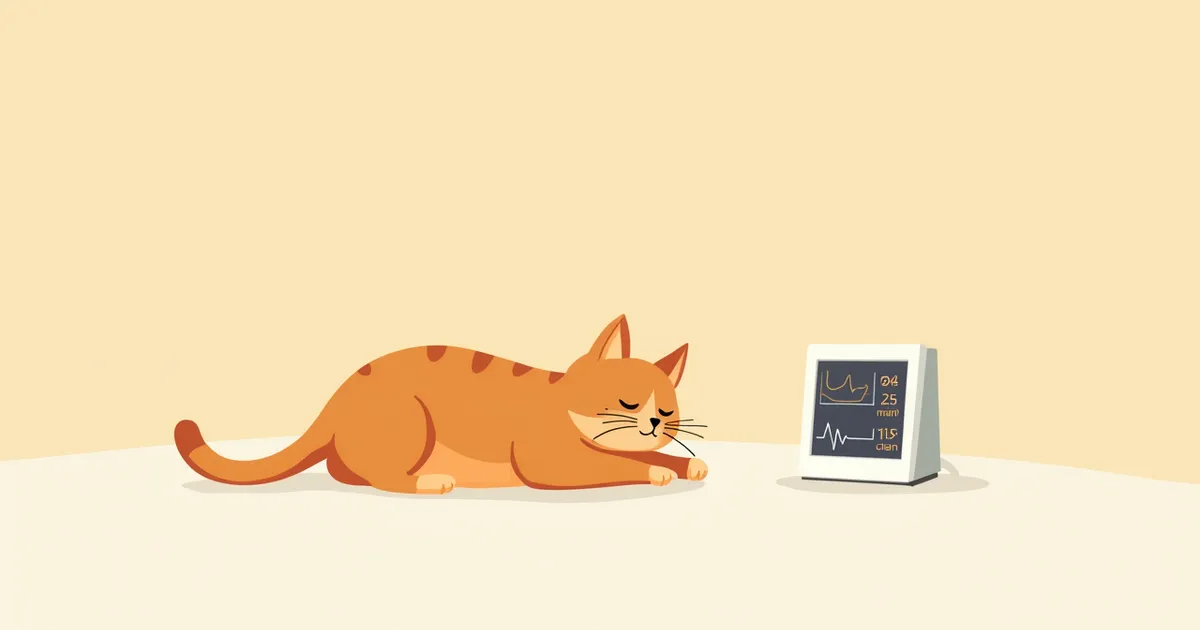
A cat with slightly thick discharge from its nose
Chronic rhinitis in cats is a condition characterized by persistent inflammation of the nasal mucosa, leading to ongoing or recurrent nasal discharge and sneezing. This condition can result from sequelae of herpesvirus or calicivirus infections, secondary bacterial infections, nasal polyps, dental disease, or idiopathic inflammatory disorders. The discharge may be clear, or it can be yellow or green and mucoid, and in severe cases, it may be blood-tinged. These symptoms are often accompanied by sneezing, nasal congestion, noisy breathing, or ocular discharge. Diagnosis frequently requires a physical examination by a veterinarian, along with endoscopy, radiographs or CT scans, bacterial culture, or biopsy. Identifying the exact cause is crucial for effective treatment, and early management helps prevent symptom exacerbation.

Key Information: Managing Feline Chronic Rhinitis and Nasal Discharge
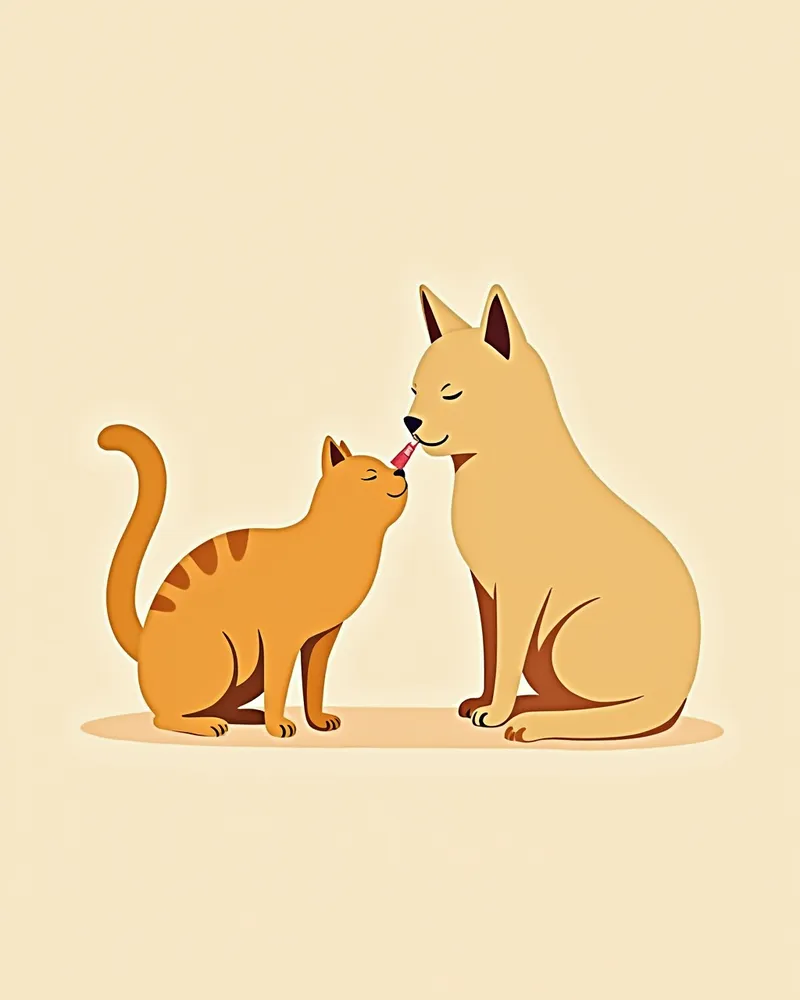
When choosing a product to manage chronic rhinitis in cats, there are four key factors to consider. First, ensure the ingredients are safe and non-irritating, preferably free from fragrances and preservatives. Second, consider ease of use; check whether your cat tolerates sprays or drops applied directly to the nose. Third, opt for products with long-lasting effects, as frequent daily applications can increase stress. Fourth, look for products recommended by veterinarians, as professional endorsements indicate higher reliability.
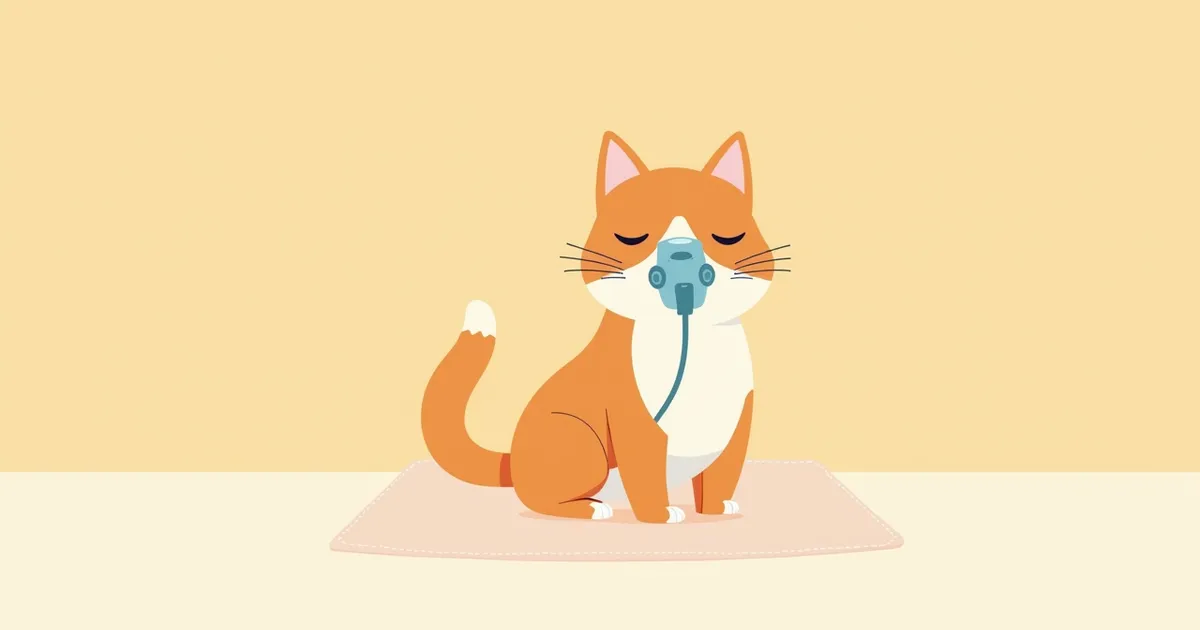
A veterinarian administering drops of medication into a cat's nose.

Key Information 1: What Is the Condition and How Severe Is It?

Feline chronic rhinitis is a condition characterized by persistent inflammation of the nasal mucosa, leading to recurrent discharge of clear, yellow, or green mucus. It may be accompanied by sneezing, nasal congestion, and noisy breathing, as well as ocular discharge, decreased appetite, and difficulty breathing. Causes include sequelae of herpesvirus or calicivirus infections, secondary bacterial infections, nasal polyps, dental disease, or idiopathic lymphoplasmacytic rhinitis. Prompt veterinary care is necessary if the discharge becomes thick yellow or green, or if symptoms worsen, especially when accompanied by decreased appetite, difficulty breathing, or ocular discharge. Even in chronic cases, neglecting the condition can lead to damage to nasal structures and chronic pain, making appropriate management essential.
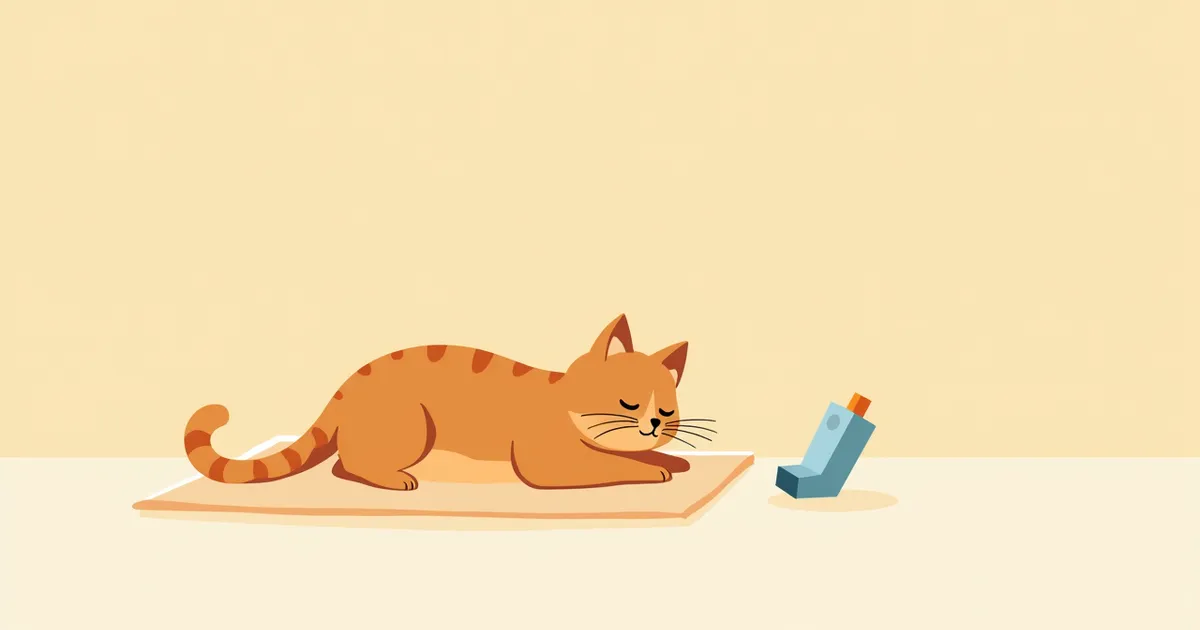
What is the condition and how serious is it? Related guide image

Key Information 2: Diagnosis and Treatment Options

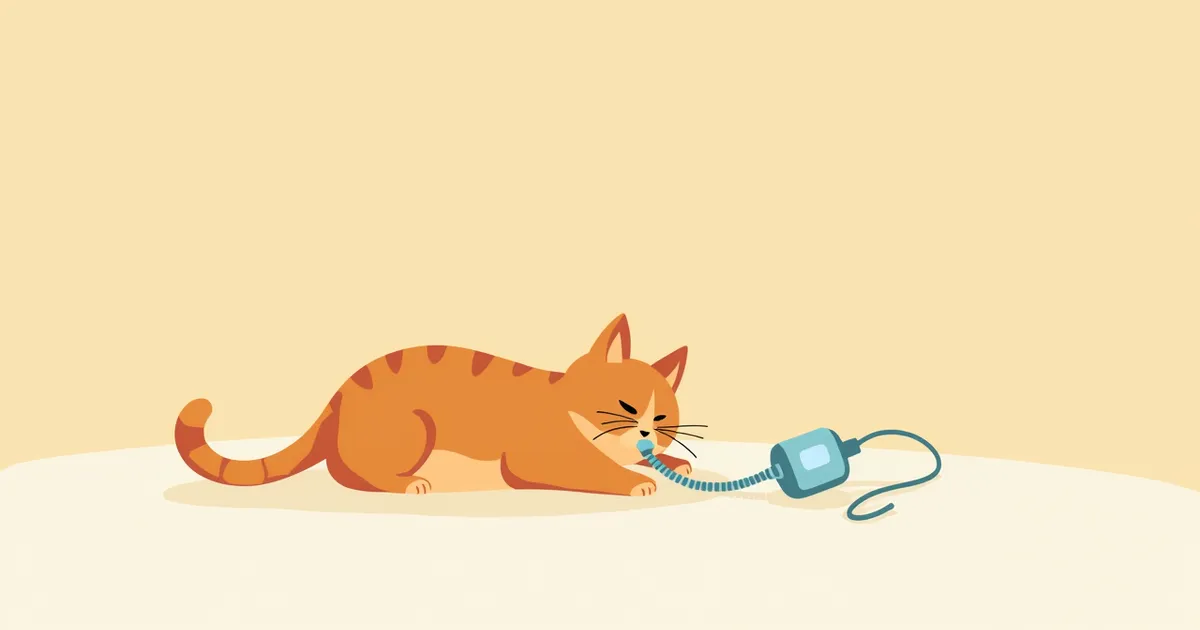
Veterinarians identify the underlying cause through physical examinations, nasal endoscopy, radiographs, CT scans, bacterial culture tests, or tissue biopsies. Depending on the cause, treatment options may include antibiotics, antiviral medications, nasal flushes, inhalation therapy, or endoscopic or surgical removal for structural issues such as nasal polyps or tumors. If dental disease is the culprit, dental treatment may be necessary. The primary goals of therapy are to alleviate symptoms and maintain quality of life. Because chronic rhinitis is difficult to treat and complete cure may not be achievable, long-term, consistent management is often required.
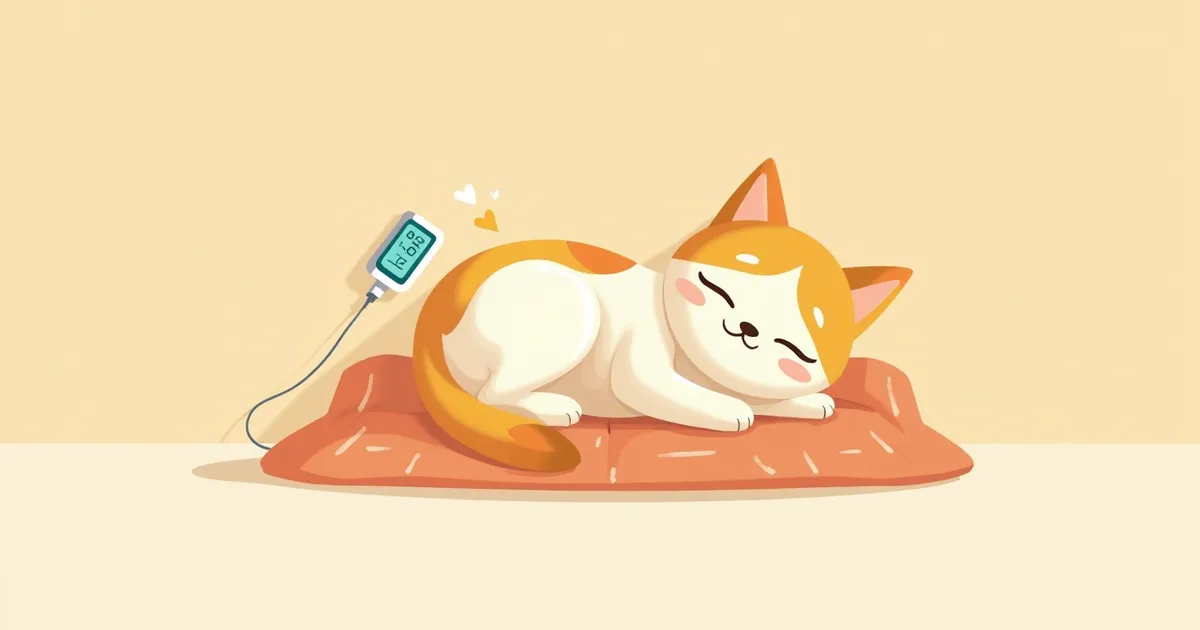
What are the diagnostic and treatment options? Related guide image

Key Information 3: Home Care and Precautions

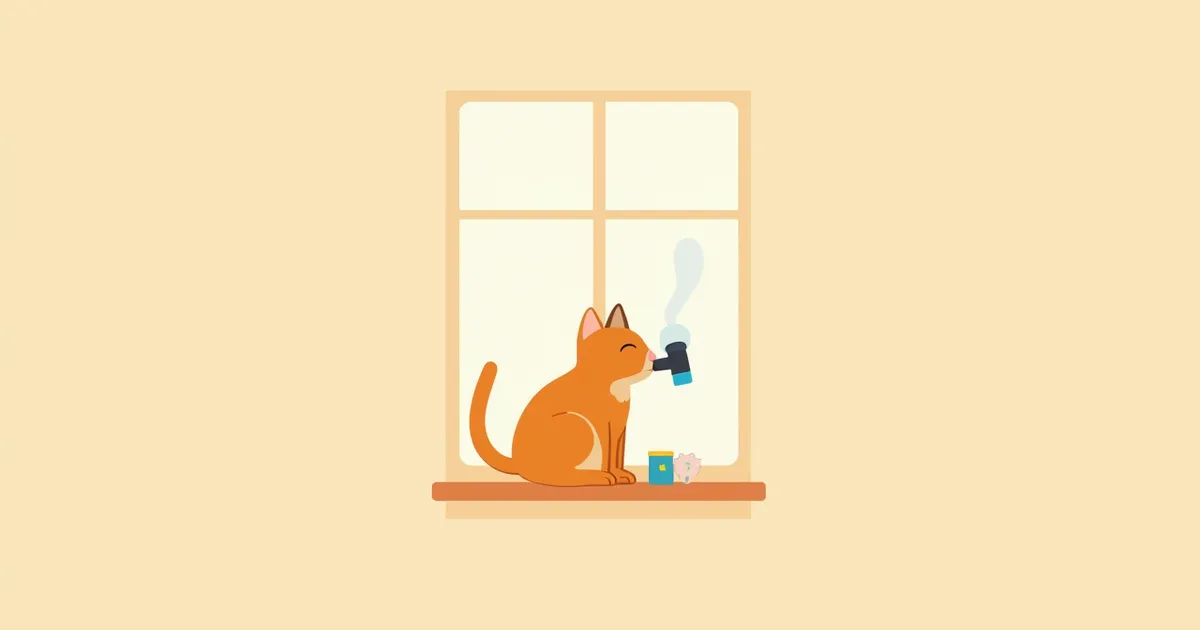
At home, maintaining proper indoor humidity and gently wiping nasal discharge with a soft, warm cloth can be helpful. In multi-cat households, it’s important to practice isolation and ensure good ventilation to reduce the spread of infection. Over-the-counter supplements and home remedies often lack proven efficacy, so always consult your veterinarian before using them. If symptoms worsen or recur, a reevaluation of the underlying cause is necessary rather than relying on basic care alone. Antibiotics and other medications should be administered strictly according to your veterinarian’s prescription; self-discontinuing or adjusting dosages can increase the risk of antibiotic resistance, so caution is essential.
What are the home care instructions and precautions? Please refer to the related guide image.

What Owners Should Know About Feline Chronic Rhinitis and Nasal Discharge

ItemKey points
ConditionPersistent inflammation of the nasal mucosa, accompanied by chronic or recurrent discharge and sneezing
CauseSequelae of FHV-1 or FCV infection, secondary bacterial infection, nasal polyps, dental disease, idiopathic lymphoplasmacytic rhinitis, etc.
DiagnosisDifferentiating the cause through endoscopy, CT, bacterial culture, tissue biopsy, etc.
TreatmentVaries by cause: antibiotics, antivirals, nasal flushing, inhalation therapy, endoscopic or surgical treatment, dental procedures, etc.
CautionDo not discontinue medication on your own; consult a veterinarian before using unverified supplements

This is not a table recommending specific products or hospitals, but a reference for when you consult your veterinarian. Treatment and testing decisions must always be made together with your veterinarian through an examination.

Caution: Always Consult Your Veterinarian Before Use

Feline chronic rhinitis has many possible causes, so self-diagnosis and indiscriminate use of products can be dangerous. If the discharge becomes brown or blood-tinged, or if breathing difficulties worsen, seek veterinary care immediately. Always consult your veterinarian before using any product, and stop use right away if side effects occur.

Usage Tips: How to Help Your Cat Accept the Product Comfortably
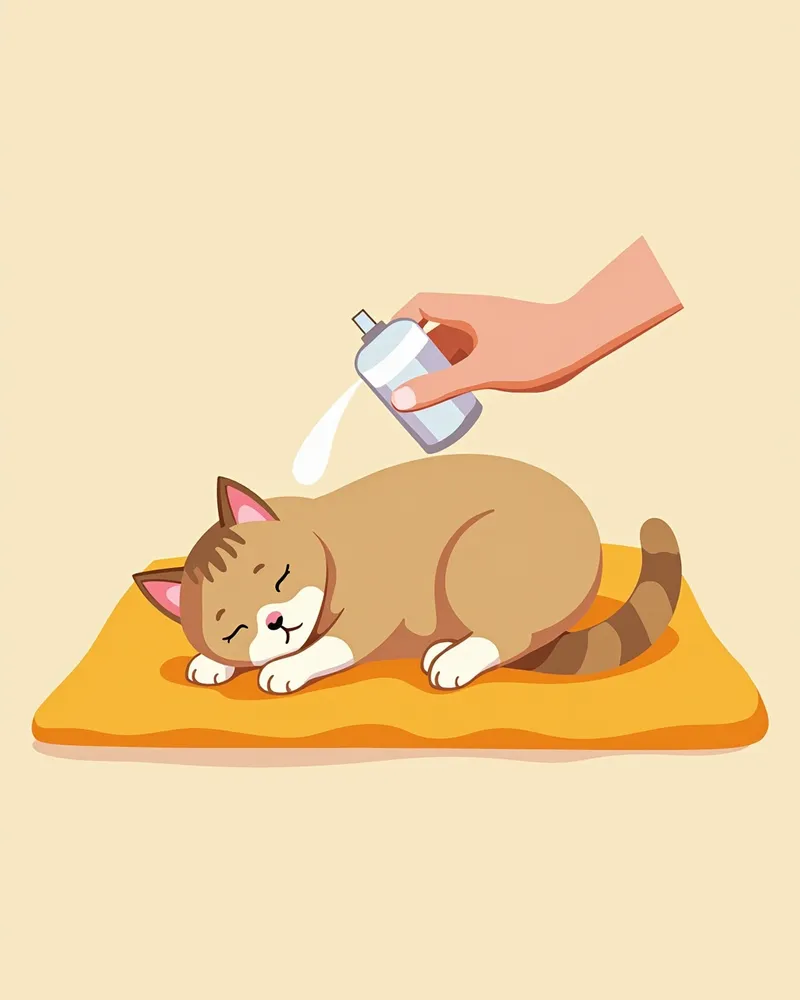
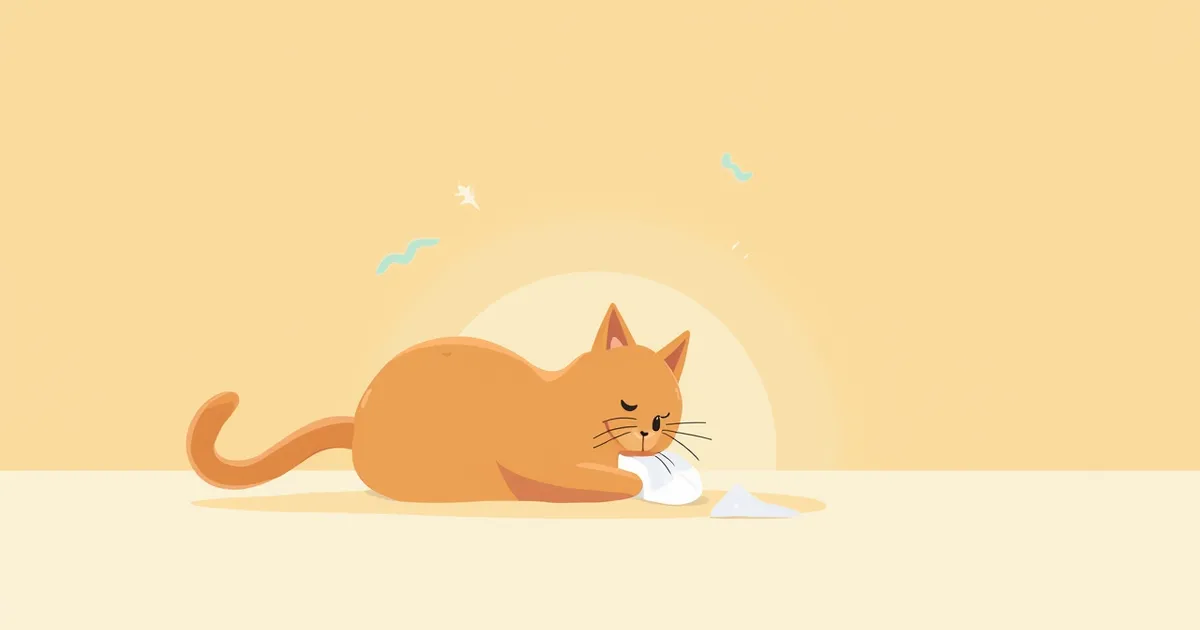
To prevent your cat from resisting the product, it’s important to approach them slowly in a quiet and calm environment. Start by gently placing your hand near their nose to let them get used to the scent. For nasal drops, slightly lifting your cat’s head can help guide the drops into their nose. With sprays, lightly mist the tip of their nose and gently cover it with your hand to prevent them from shaking it off. If needed, reinforce positive experiences with praise and treats after administering the medication. With consistent repetition, your cat will become more comfortable, reducing stress during use. Always follow the administration method provided by your veterinarian.
A cat lying quietly while a spray is applied to its nose

Reviewed by a veterinarian

Dr. Tony — Punnawat Phongkittirak

Dr. Tony — Punnawat Phongkittirak

Veterinarian

A veterinarian who majored in veterinary medicine at Khon Kaen University, Thailand, and completed the IVSA program at North Carolina State University in the United States. Drawing on clinical experience at animal hospitals, he works in the pet healthcare field and is dedicated to building a digital care environment that connects pet parents with veterinarians.

Frequently Asked Questions

My cat is having a runny nose. When should I take them to the vet?
If your pet has persistent nasal discharge, especially if it’s brown or blood-tinged, along with a decreased appetite, difficulty breathing, or increased eye discharge, immediate veterinary care is necessary. If symptoms recur frequently or gradually worsen, a reevaluation of the underlying cause is needed.
Are natural ingredient products truly safe?
Products based on saline or physiological saline are generally mild, but your cat’s response may vary depending on their condition. Therefore, it’s important to test with a small amount first and always consult your veterinarian before use.
Is it safe to use anti-inflammatory eye drops for an extended period?
Long-term use should only be done under a veterinarian's guidance, and regular check-ups and monitoring are necessary due to the potential for side effects. Nasal drops may have limited effectiveness since cats' tolerance levels can vary.
When should I start giving my pet supplements?
Supplements should only be used after consulting with your veterinarian, even after treatment has ended or symptoms have subsided. There is no clear guidance on the optimal timing for administering supplements to boost immunity.
What are some ways to clean your pet’s nose at home?
Gently wiping the tip of the nose with soft tissue or a damp, warm cloth is safe. Avoid using overly wet cloths, as they can irritate the skin, and only use cleansers recommended by your veterinarian. Do not attempt to clean the area yourself without a veterinary examination and prescription.

Share

Related Guides

References

[1] Feline Emergency and Critical Care Medicine, 2nd Ed. (2015). Elsevier Saunders.

[2] Clinical Medicine of the Dog and Cat, 4th Ed. (2018). Elsevier.

[3] BSAVA Manual of Canine and Feline Dermatology, 4th Ed. (2013). BSAVA Publications.

This information is based on veterinary literature and does not replace diagnosis or treatment. Please consult a veterinarian for specific health concerns.

Metapet Co., Ltd. | CEO: Park Sung-yong | Business Reg. No. 417-88-02562 | Seoul, South Korea | Customer Center

Feline Chronic Rhinitis & Nasal Discharge: Top 3 Products | Meongsiljang