Like
Share
멍실장
고양이 치아 예방 간식·껌 관리 추천 BEST와 고르는 기준 총정리

7 Best Cat Dental Chews for Tartar Prevention Recommended by Veterinarians and Selection Criteria

Oral HealthTop PicksMeongsiljang Veterinary Advisory Board

Here’s how to effectively choose dental treats and chews to maintain your cat’s oral health, along with our top three picks based on real user reviews. We’ve also outlined key criteria for selecting products that help prevent dental diseases.

Why Are Cat Dental Preventive Treats and Chews Important?

A cat enjoying and chewing on dental preventive treats
Dental treats and chews are one helpful way to support your cat’s daily oral care. Consistent at-home oral hygiene can prevent or even reverse gingivitis (gum inflammation), so it’s recommended to make oral care a regular part of your routine. Periodontal disease is very common, affecting most adult cats, and tends to increase in both frequency and severity with age. - Physical plaque removal: The mechanical action of chewing treats or chews helps reduce plaque by physically contacting the tooth surfaces. - Plaque and tartar control: Treats and products that meet established efficacy standards (such as VOHC approval) can help mechanically and chemically control plaque and tartar buildup. - Gum health maintenance: Regular at-home care helps prevent and improve gingivitis, contributing to healthier gums. - Connection to overall health: The systemic effects of periodontal disease are well-documented in humans and are increasingly being studied in pets. This is why daily oral care supports your cat’s overall well-being.

Selection Criteria: 5 Key Factors for Choosing Cat Dental Preventive Treats and Chews

When choosing dental treats or chews for your cat, be sure to check these five key criteria. A product’s effectiveness can vary significantly depending on how well it meets them.
Look for efficacy verification: Check whether the product has met established standards for plaque and tartar control, and whether it carries approval from the Veterinary Oral Health Council (VOHC). This can be a helpful guide.
Shape and size: The treat should be appropriately sized for your cat’s mouth and have a texture that encourages chewing.
Palatability and acceptance: It should have a flavor your cat enjoys, ensuring they’ll consistently use it over time.
Dental-supportive nutritional ingredients: Some dental diets include specific nutrients such as vitamins E and C, and selenium, to support oral health. Check the ingredient list for these components.
Frequency of use and convenience: Choose a product that’s easy to administer regularly and simple to store.
Detailed image of a dental preventive treat labeled with glucosamine and omega-3 ingredients.

BEST 1: Premium Dental Care Treat (Cat-Specific)

This treat is formulated with a blend of ingredients designed to support your cat’s dental health. However, since tartar-reduction efficacy varies by product, it’s wise to verify whether the treat meets recognized standards for plaque and tartar control, such as VOHC approval. It works by physically scrubbing the tooth surface to help reduce plaque, allowing your cat to maintain oral hygiene naturally through chewing. With a strong fish flavor, it tends to be a hit with most cats. Feed one to two treats per day. Please remember that treats are only a supplementary part of dental care. If you notice any changes in your cat’s breath or gum condition while using this product, consult your veterinarian.
A bowl filled with premium dental care treats specially formulated for cats

BEST 2: Natural Ingredient Dental Chew (Additive-Free)

This dental chew is made with natural ingredients and contains no artificial flavors, colors, or preservatives. It includes fish oil, green tea extract, and herbal components, making it relatively easy on even sensitive cats. The soft texture helps cats adjust to it easily. However, there is no clear evidence that "natural" or "additive-free" products are inherently better for oral health, so it's best to view this as a supplementary aid that helps reduce plaque through the physical action of chewing. Use one chew per day as part of your at-home routine to support gum health. Please note that regular veterinary check-ups are still necessary.
Detailed images of cat dental chews made with only natural ingredients

BEST 3: Budget-Friendly Dental Treat (Ingredient-Enhanced)
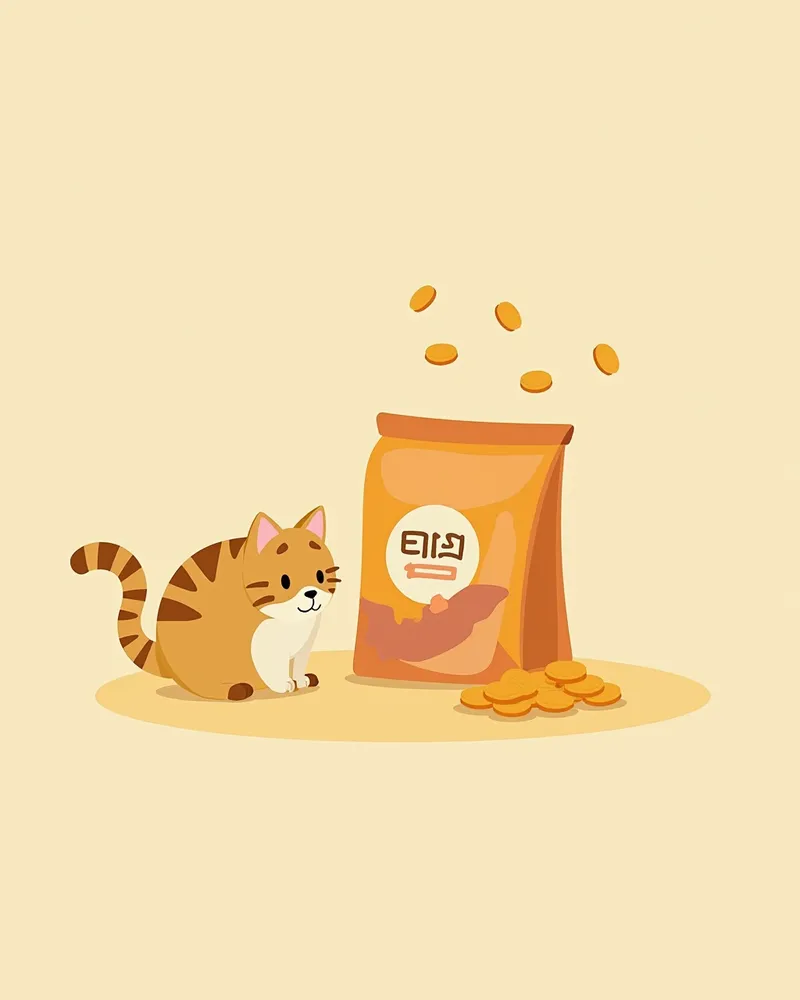
This is a cost-effective dental treat designed to support daily oral care. While it contains glucosamine, chondroitin, and omega-3 fatty acids, there is no clear evidence that these ingredients directly benefit teeth or gum health, so it’s best to rely on the physical plaque-removal effect of chewing. The product offers good value for money and comes in a flavor that cats enjoy, making it suitable for regular use. Its relatively small size makes it easy even for smaller cats to chew. However, treats alone cannot resolve dental issues, so it’s important to combine their use with regular veterinary check-ups.
Budget-friendly cat dental treat package and your cat's gaze

Comparison Table of BEST 1–3 Products: Ingredients, Price, and Efficacy Summary

ItemBEST 1 Premium snackBEST 2 Natural gumBEST 3 Economy snack
Main ingredientsGlucosamine, omega-3, green tea extractFish oil, green tea extract, herbal ingredientsGlucosamine, chondroitin, omega-3
Price (per 100 pieces)$10$10$10
Efficacy gradeVery highHighModerate
Additional featuresChecking efficacy certification (e.g., VOHC) is recommendedAdditive-free, for sensitive catsExcellent value, for supplementary care

Snacks and gums are supplementary means of mechanically and chemically controlling plaque and tartar, and do not replace regular check-ups and professional dental procedures. Adjust the frequency of use according to the cat's weight and eating habits.

Precautions: What You Must Know When Using Cat Dental Preventive Treats

Cat dental treats are only a supplementary tool; regular veterinary check-ups and professional dental cleanings are essential. Dental treats alone cannot completely resolve dental issues.

Usage Tips: How to Maximize the Effectiveness of Cat Dental Preventive Treats

To get the most out of your cat’s dental preventive treats, follow these tips: Give them consistently, once or twice daily: Establishing a routine by offering the treats at the same time each day enhances their effectiveness. Extend chewing time: If your cat tends to eat quickly, encourage them to chew more slowly to maximize the cleaning action. Offer water alongside the treats: This helps keep your cat hydrated and supports a clean mouth. Mix with other treats: Combining dental treats with other favorites can make them more appealing and engaging than offering them alone. Monitor oral health regularly: Keep an eye on any changes in your cat’s teeth and gums over time.
A cat slowly chewing dental preventive treats while drinking water

Reviewed by a veterinarian

Dr. Tony — Punnawat Phongkittirak

Dr. Tony — Punnawat Phongkittirak

Veterinarian

A veterinarian who majored in veterinary medicine at Khon Kaen University, Thailand, and completed the IVSA program at North Carolina State University in the United States. Drawing on clinical experience at animal hospitals, he works in the pet healthcare field and is dedicated to building a digital care environment that connects pet parents with veterinarians.

Frequently Asked Questions

Is it safe to give my cat dental-prevention treats every day?
Generally, one to two times a day is safe. However, the appropriate amount should be adjusted based on your cat's weight and eating habits. Overconsumption can lead to obesity.
Can dental treats alone solve my pet’s dental problems?
Treats can help maintain dental health, but regular veterinary check-ups and professional dental cleanings are essential. Severe dental disease cannot be resolved with treats alone.
Can kittens also eat dental preventive treats?
Kittens are in the stage where their baby teeth fall out and permanent teeth come in, so it’s best to follow the product’s recommended age guidelines and consult with your veterinarian before use. Even young cats can develop gingivitis, so starting oral care early is beneficial. Be cautious with products that are too large, as they may be difficult for kittens to swallow.
What should I do if my pet’s dental health worsens after eating treats?
If your pet develops bad breath after eating the treat or shows any dental issues, stop using it immediately and consult your veterinarian. Side effects may occur.
Are additive-free products better?
Additive-free products may be safer for sensitive cats due to their lower risk of side effects. However, there is no clear evidence that "natural" or "additive-free" options are better for oral health, so it’s important to carefully check the ingredients and look for proven effectiveness, such as VOHC certification.

Share

Related Guides

References

[1] The Cat, Clinical Medicine and Management, 2nd Edition, 2023

[2] Applied Veterinary Clinical Nutrition, 2nd Ed, 2021

[3] Journal of Feline Medicine and Surgery, 2022, Vol. 24, Issue 5

This information is based on veterinary literature and does not replace diagnosis or treatment. Please consult a veterinarian for specific health concerns.

Metapet Co., Ltd. | CEO: Park Sung-yong | Business Reg. No. 417-88-02562 | Seoul, South Korea | Customer Center

7 Best Cat Dental Chews for Tartar Prevention | Meongsiljang