

Top Recommended Products for Managing Reverse Sneezing in Dogs and Selection Criteria
While reverse sneezing in dogs is typically a temporary reflex, frequent or persistent episodes can signal an underlying health issue. Here’s a guide to effective management products and how to choose the right one.
Reverse Sneezing in Dogs Is a Temporary Reflexive Action

What Are the Key Criteria for Managing Reverse Sneezing in Dogs?
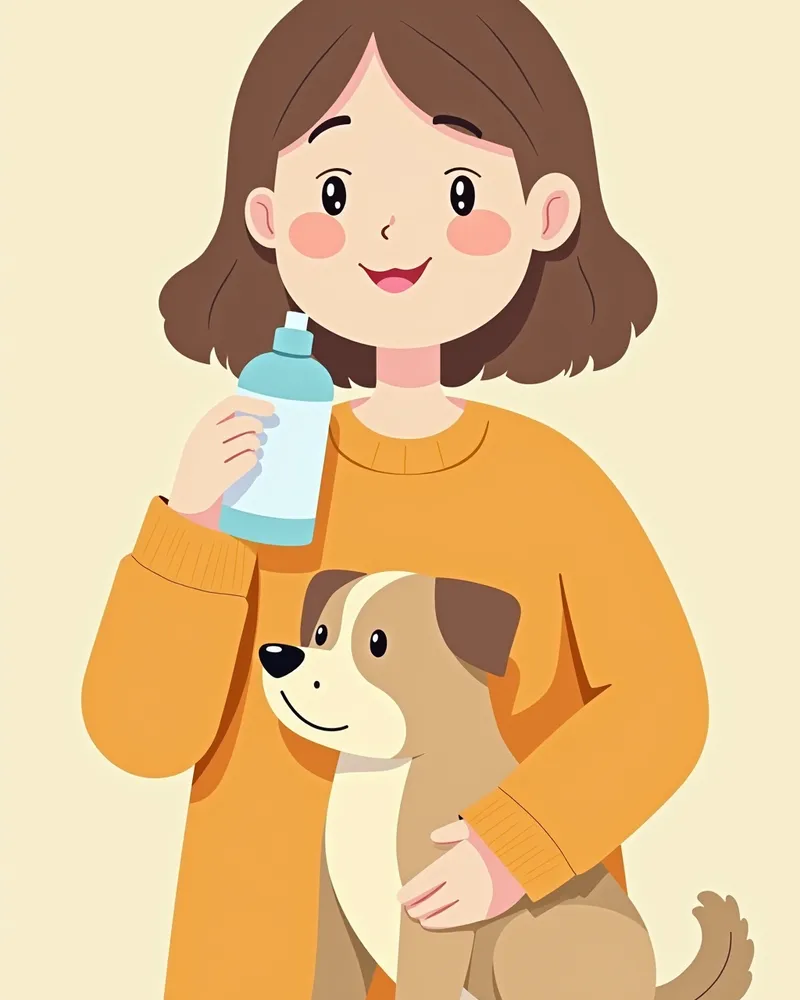
BEST 1: Natural Ingredient-Based Reverse Sneezing Management Spray

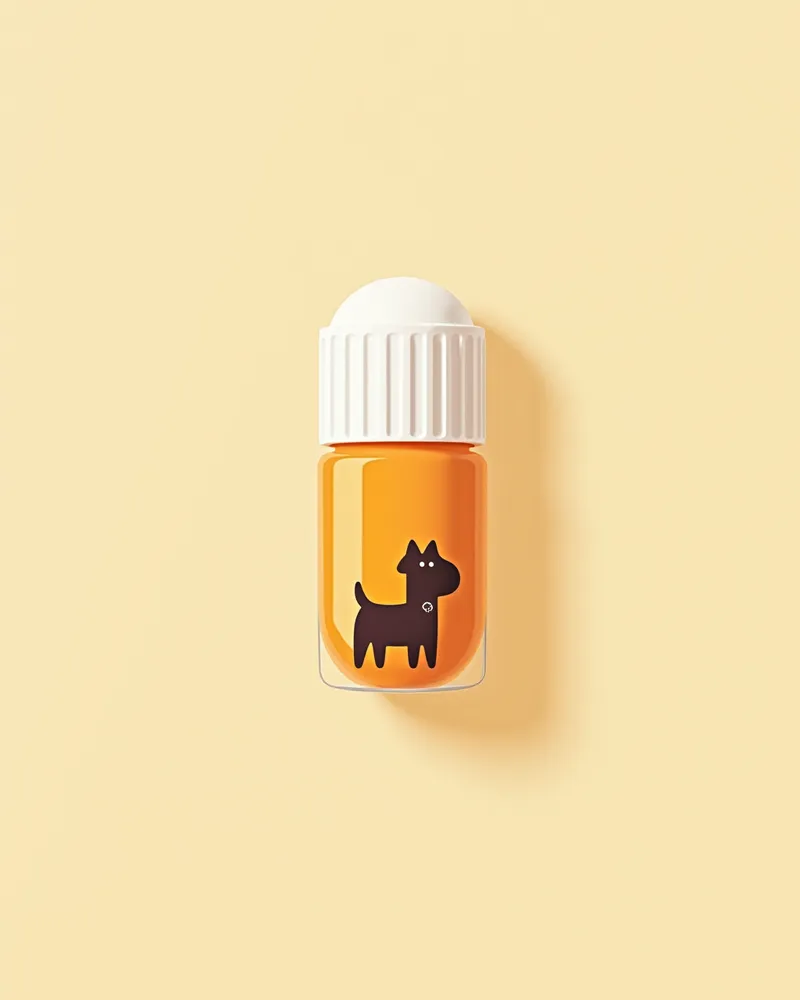
BEST 2: Airway Protection Capsules with Anti-Inflammatory Ingredients
BEST 3: Air Purifying + Reverse Sneezing Prevention Hair Dryer

Comparison Table of BEST 1–3 Products
| Item | Main ingredients | Usage | Recommended for |
|---|---|---|---|
| Natural-ingredient spray | Hyaluronic acid, lavender oil | 1–2 sprays/day | Dogs sensitive to environmental irritants, environments with poor air quality |
| Functional capsule | Bromelain, omega-3 | 1 capsule/day | Cases with long-term management purposes |
| Air-purifying diffuser | HEPA filter, carbon filter | 1–2 hours/day | Dogs in environments with poor indoor air quality |
Use is recommended after consulting a veterinarian. All products may cause allergic reactions, so observation is necessary on first use.
Caution: Immediate Veterinary Visit Required if Reverse Sneezing Is Frequent or Persistent
If your dog experiences frequent or persistent reverse sneezing, especially when accompanied by coughing, tearing, or difficulty breathing, it may indicate airway irritation, an allergic reaction, an infection, or an abnormality within the nasal passages. In such cases, it is safest to have your dog examined by a veterinarian. This is particularly important for brachycephalic breeds (those with short, flattened faces) and senior dogs, as identifying the underlying cause is crucial. Older dogs should also be evaluated for potential conditions such as nasal tumors. Since some situations require immediate veterinary attention, do not overlook persistent symptoms; please consult your veterinarian for guidance.
5 Tips for Managing Reverse Sneezing in Dogs
Reviewed by a veterinarian

Dr. Tony — Punnawat Phongkittirak
VeterinarianA veterinarian who majored in veterinary medicine at Khon Kaen University, Thailand, and completed the IVSA program at North Carolina State University in the United States. Drawing on clinical experience at animal hospitals, he works in the pet healthcare field and is dedicated to building a digital care environment that connects pet parents with veterinarians.
Reviewed 2026-06-29
Frequently Asked Questions
When should you take your dog to the vet for reverse sneezing?
Is it safe to use a reverse sneeze management product every day?
Is my dog’s reverse sneezing caused by allergies?
Can an air purifier alone completely prevent reverse sneezing?
Is it safe if the reverse sneeze spray gets into the eyes?
Share
Related Guides
Top Recommended Feline Bronchodilators and Selection Criteria: A Complete Guide
Best Recommendations and Selection Criteria for Monitoring Your Cat’s Respiratory Rate (RR) During Sleep for Heart Care
Best Recommendations and Selection Criteria for Monitoring Your Dog’s Respiratory Rate (RR) During Sleep for Heart Care
7 Early Screening Tests for Canine Heart Disease When Asymptomatic

7 Key Pre-Anesthesia Checks for Dental Treatment in Dogs with Heart Conditions
Top Recommendations and Selection Criteria for Managing Breed-Specific Heart Disease Predisposition in Dogs
7 Heart Warning Signs of Canine Atrial Fibrillation (Arrhythmia) You Must Not Miss
7 Key Management Essentials for Dog Antiarrhythmic Medications That Pet Owners Must Know
7 ACE Inhibitors for Dogs Recommended by Veterinarians — Types and Selection Criteria
7 Key Points for Managing Ventricular Tachycardia in Cats, Selected by Veterinarians
References
[1] Plumb's Veterinary Drug Handbook, 9th Edition, 2022
[2] The Merck Veterinary Manual, 12th Edition, 2020
[3] American Veterinary Medical Association (AVMA) Guidelines on Canine Respiratory Health, 2021