Like
Share
멍실장
고양이 흉수(흉막삼출) 관리 추천 BEST와 고르는 기준 총정리

Top Recommended Products for Feline Pleural Effusion Management and Selection Criteria

RespiratoryTop PicksMeongsiljang Veterinary Advisory Board

Feline pleural effusion is a condition in which excess fluid accumulates in the pleural space, leading to difficulty breathing. Selecting appropriate management products and methods is key to effective treatment.

What is Feline Pleural Effusion?

An anatomical illustration comparing a normal feline thoracic cavity with one affected by pleural effusion.
Feline pleural effusion is a condition in which an abnormal accumulation of fluid in the pleural space—the area surrounding the lungs—prevents the lungs from expanding properly. Symptoms include difficulty breathing, shortness of breath, coughing, and decreased activity levels. If left untreated, it can be life-threatening. Causes vary widely and may include heart disease, infections (such as feline infectious peritonitis), tumors, chylothorax (leakage of lymphatic fluid), and trauma. Early diagnosis is crucial. Importantly, pleural effusion is not merely a symptom but may signal an underlying disease, so identifying the root cause is the top priority. - Causes of feline pleural effusion: Heart disease, infections, tumors, chylothorax, and trauma are the primary causes. - Key to treatment: Early detection and regular monitoring by a veterinarian are essential.

Note: Managing Feline Pleural Effusion
A veterinarian’s diagnosis and treatment plan are the most critical aspects of managing feline pleural effusion. Supplements cannot replace treatment of the underlying cause, and using them without veterinary guidance or for prolonged periods can be dangerous. Depending on the cause, antibiotics, diuretics, surgery, or cancer therapy may be necessary. Therefore, the key is to manage the condition with professional veterinary care rather than placing excessive expectations on any single product.
Safety First: Use only ingredients recommended by your veterinarian.
Proven Efficacy: Prioritize treatments that have been clinically verified.
Easy Administration: Choose forms that are easy for cats to take.
Suitable for Long-Term Use: If treatment of the underlying cause requires it, the product should be safe for continued use under veterinary supervision.
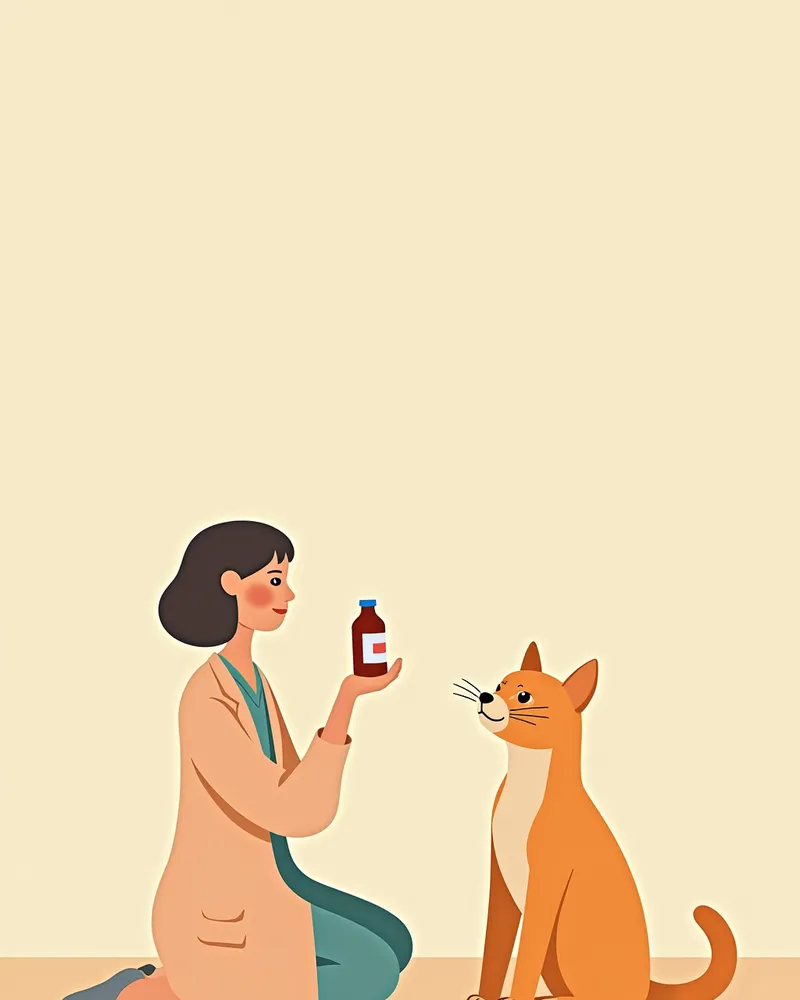
A veterinarian holding a feline pleural effusion supplement.

Note 1: What is Pleural Effusion and Why is it Dangerous?

Pleural effusion, or fluid accumulation in the pleural cavity between the lungs and the chest wall, is a condition where fluid abnormally collects in this space. As the fluid builds up, the lungs cannot expand properly, leading to rapidly worsening breathing difficulties. Cats may exhibit signs such as open-mouth breathing, abdominal breathing, or restlessness. These symptoms can indicate an emergency, so it’s crucial to seek veterinary care immediately. Since pleural effusion is not a disease itself but rather a result of an underlying condition, identifying and addressing the root cause is key to effective treatment.
What is pleural effusion, and why is it dangerous? Related guide image

Note 2: Causes, Diagnosis, and General Treatment Approaches for Pleural Effusion

Pleural effusion can stem from various causes, including heart disease, infections (such as feline infectious peritonitis), tumors, chylothorax (leakage of lymphatic fluid), and trauma. Veterinarians diagnose the underlying cause through thoracic X-rays, ultrasound, and cytological and culture analysis of fluid obtained via thoracentesis. In emergency situations, the priority is to stabilize breathing by draining the fluid through thoracentesis. Subsequent treatment depends on the underlying cause and may include antibiotics, diuretics, surgical intervention, or chemotherapy, as determined by the veterinarian. Heart disease and tumors are particularly common causes of pleural effusion, so treatment must be precisely tailored to the specific underlying condition.
An informational image about diagnosing the causes of pleural effusion and general treatment approaches.

Note 3: The Importance of Home Care and Following Veterinary Instructions

Pleural effusion often recurs if the underlying cause is not treated. Regular follow-up visits and thoracic imaging are essential to monitor for fluid reaccumulation. At home, avoid excessive exercise and stress, and seek veterinary care immediately if breathing difficulties return. Do not adjust or discontinue prescribed medications without veterinary guidance. If the effusion is caused by a tumor, be aware that unproven supplements or immune boosters cannot replace proper treatment. Always make management decisions in consultation with your veterinarian.
An informative image highlighting the importance of home care and following your veterinarian’s instructions.

Key Points for Owners Regarding Feline Pleural Effusion

ItemKey Points
ConditionA state where fluid accumulates in the pleural space, restricting lung expansion
SymptomsDifficulty breathing, open-mouth breathing, abdominal breathing, lethargy
Cause/DiagnosisHeart disease, infection, tumor, chylothorax, etc.; differentiated by pleural fluid analysis
TreatmentEmergency treatment via thoracocentesis, followed by veterinarian-prescribed treatment for the underlying cause
Caution/ManagementRecurrence monitoring is essential; do not rely on unverified supplements

This is not a table recommending specific products or clinics, but a reference to consider when consulting your veterinarian. Always make treatment and testing decisions together with your veterinarian through an examination.

Precautions: Do Not Overdose

Since these products are supplements, excessive use can lead to side effects. Liquid formulations, in particular, may contain high levels of sugar, so they should be used with caution in diabetic cats. Please administer only within the dosage range prescribed by your veterinarian.

Usage Tips: Practical Tips for Successful Feline Pleural Effusion Management

When using a product for managing feline pleural effusion, it is important to administer it regularly at the same time each day. Consistently giving it at a set time helps ensure you don’t miss doses and maintain steady management. Additionally, while your cat is taking the product, carefully monitor changes in their breathing, activity level, and appetite. If you notice any abnormal signs, stop administering the product immediately and consult your veterinarian.
Consistent Timing: Administer regularly at the same time each day.
Regular Monitoring: Check breathing, appetite, and activity levels.
Adverse Reactions: Stop use immediately and consult a veterinarian.
Record Keeping: Maintaining a dosage log is recommended.
In particular, supplements cannot replace treatment of the underlying cause, and using them without veterinary guidance or for extended periods can be risky. Whether the condition recurs should be confirmed through regular imaging examinations, and treatment strategies must be discussed with your veterinarian based on the root cause.
Cat Pleural Effusion Management: Medication Log and Checklist

Reviewed by a veterinarian

Dr. Tony — Punnawat Phongkittirak

Dr. Tony — Punnawat Phongkittirak

Veterinarian

A veterinarian who majored in veterinary medicine at Khon Kaen University, Thailand, and completed the IVSA program at North Carolina State University in the United States. Drawing on clinical experience at animal hospitals, he works in the pet healthcare field and is dedicated to building a digital care environment that connects pet parents with veterinarians.

Frequently Asked Questions

Do products for managing feline pleural effusion require a veterinary prescription?
As a supplement, it doesn’t require a separate prescription, but it’s safest to consult your veterinarian before use. This is especially important for cats with underlying health conditions.
Can this product cure pleural effusion?
These products are supplements that cannot treat the underlying cause of pleural effusion or cure the effusion itself. Treating the root cause requires a veterinarian’s diagnosis and medical care. Supplements may be used in a limited capacity to support primary treatment, but their efficacy is often unproven.
How can I encourage my cat to eat the product more readily?
Capsules can be hidden in treats, while liquid forms can be mixed into food or water. If your cat refuses the medication, consult your veterinarian about switching to a different formulation. Always use under veterinary guidance.
What should I do if my pet’s breathing gets worse while taking the medication?
Stop giving the supplement immediately and contact your veterinarian right away. If your pet’s breathing worsens, an emergency vet visit may be necessary. Worsening symptoms while using a supplement could signal that the treatment plan needs to be adjusted.
Is it safe to take this product long-term?
It’s safe to take within the period recommended by your veterinarian. Even with long-term use, regular health check-ups are important. However, supplements cannot replace treatment for the underlying cause, and whether to continue long-term use should be determined based on treatment goals and an assessment of your pet’s condition.

Share

Related Guides

References

[1] The Cat, Clinical Medicine and Management, 2nd Edition, 2023, Elsevier

[2] Plumb's Veterinary Drug Handbook, 9th Edition, 2022, Wiley

[3] American Veterinary Medical Association (AVMA) Guidelines on Feline Respiratory Health, 2021

This information is based on veterinary literature and does not replace diagnosis or treatment. Please consult a veterinarian for specific health concerns.

Metapet Co., Ltd. | CEO: Park Sung-yong | Business Reg. No. 417-88-02562 | Seoul, South Korea | Customer Center

Best Feline Pleural Effusion Management Products & Criteria | Meongsiljang