
7 Key Points for Managing Drug- and Toxin-Induced Liver Damage in Cats, as Recommended by Veterinarians
Drug- and toxin-induced liver damage in cats can lead to life-threatening complications. Knowing how to choose appropriate supportive care products and what criteria to consider enables early intervention.
Early Intervention Saves Lives in Drug- or Toxin-Induced Liver Injury in Cats
Understanding: Managing Drug- or Toxin-Induced Liver Damage in Cats

Understanding 1: What Is the Condition and How Urgent Is It?
Understanding 2: What Are the Diagnostic and Treatment Options?
Understanding 3: Why Home Care and Veterinary Consultation Are Important
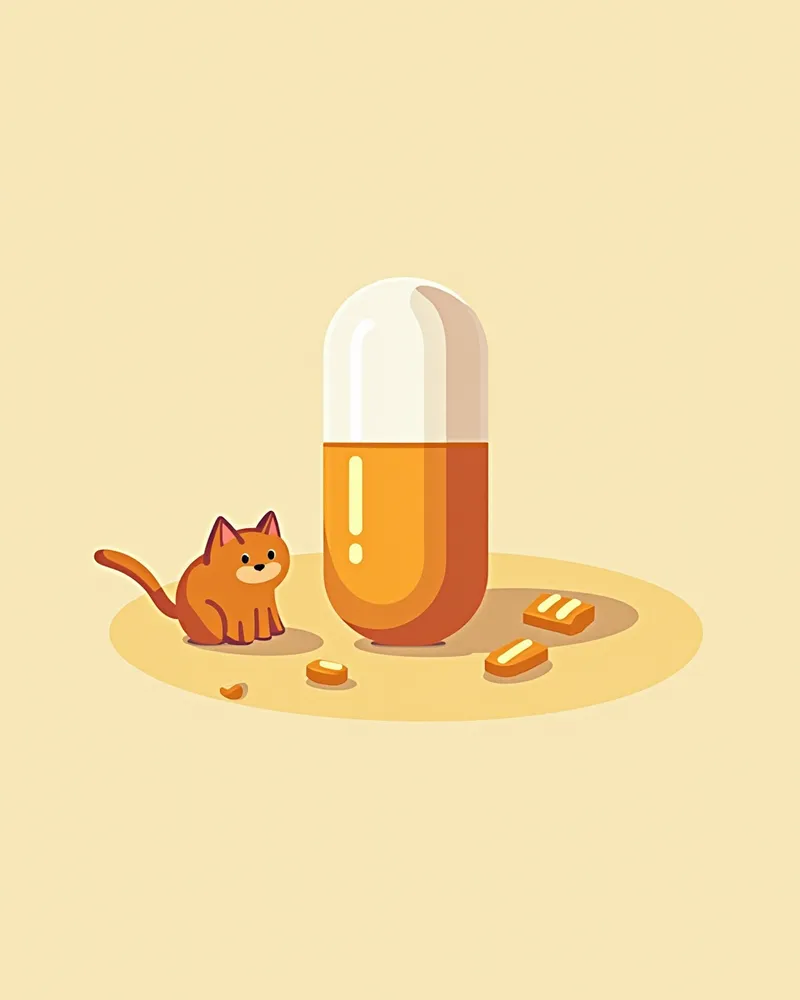
What Pet Owners Should Know About Drug- or Toxin-Induced Liver Damage in Cats
| Item | Key Points |
|---|---|
| Condition | Hepatocyte damage and reduced function due to drugs or toxins |
| Cause | Exposure to toxic substances such as acetaminophen, NSAIDs, certain antibiotics, anticancer drugs, and lilies |
| Diagnosis | Evaluated by the veterinarian through blood liver value tests plus abdominal ultrasound |
| Treatment | Fluid therapy, liver-protective prescription, and blocking the causative substance are the basics |
| Caution | Arbitrary supplements prohibited; follow-up management by the veterinarian through regular blood tests is essential |
This is not a table recommending specific products or hospitals, but a reference standard for when you consult your veterinarian. Always make treatment and testing decisions together with your veterinarian through an examination.
Caution: Always Consult Your Veterinarian If Your Cat Is Taking Medications
If your cat has been exposed to medications or toxins, blindly administering liver protectants can actually cause adverse effects. In particular, when your cat is taking antibiotics, pain relievers, or chemotherapy drugs, ingredient interactions may occur, so only use products prescribed by your veterinarian.
Usage Tips: Maintain Consistent Administration Habits and Management Practices

Reviewed by a veterinarian

Dr. Tony — Punnawat Phongkittirak
VeterinarianA veterinarian who majored in veterinary medicine at Khon Kaen University, Thailand, and completed the IVSA program at North Carolina State University in the United States. Drawing on clinical experience at animal hospitals, he works in the pet healthcare field and is dedicated to building a digital care environment that connects pet parents with veterinarians.
Reviewed 2026-06-05
Frequently Asked Questions
Can feline liver damage be completely cured?
Can I give my pet a liver protectant while they are on medication?
When should I start giving my pet liver protectants?
Will taking a liver protectant reduce the effectiveness of other medications?
How many times a day should I give my pet liver protectants?
Share
Related Guides
7 Key Symptoms and Management Essentials for Canine Cholecystitis Recommended by Veterinarians
Top 5 Milk Thistle (Silymarin) Liver Supplements for Dogs — A Comparison Guide Based on Silybin Content and Absorption Rates
Top Prescription Diets for Dogs with Liver Disease and Selection Criteria
Top 3 Recommended Products for Managing Gingivitis in Dogs and How to Choose Them

Best Products and Selection Criteria for Managing Idiopathic and Drug-Induced Gingival Hyperplasia in Dogs

7 Key Management Tips for Canine Enamel Hypoplasia Recommended by Veterinarians
7 Key Tips for Dog Tartar Removal and Scaling Care Recommended by Veterinarians
7 Key Criteria for Dog Dental X-Rays Recommended by Veterinarians
Veterinarian-Recommended Dog Oral Check-Up Intervals — 5 Age-Based Care Guidelines
How to Manage Canine Periapical Abscesses — 7 Veterinarian-Recommended Care Guidelines
References
[1] Aldridge C, Behrend EN, Martin LG. Evaluation of thyroid-stimulating hormone, total thyroxine, and free thyroxine concentrations in hyperthyroid cats treated with methimazole. J Vet Intern Med. 2015;29:868-868.
[2] Helton KA, Nesbitt GH, Caciolo PL. Griseofulvin toxicity in cats: literature review and report of seven cases. J Am Anim Hosp Assoc. 1986;22:453–458.
[3] Levy JK. Ataxia in a kitten treated with griseofulvin. J Am Vet Med Assoc. 1986;188:1137–1138.