Like
Share
멍실장
고양이 체중 감량 사료 추천 BEST와 고르는 기준 총정리

7 Best Cat Weight-Loss Diets Recommended by Veterinarians and How to Choose

WeightTop PicksMeongsiljang Veterinary Advisory Board

Cat weight-loss diets are specially formulated to provide fewer calories than regular cat food while maintaining high protein levels, helping cats lose body fat while preserving muscle mass. The key to effective weight management is balancing protein and calorie intake.

What Are Cat Weight-Loss Diets?
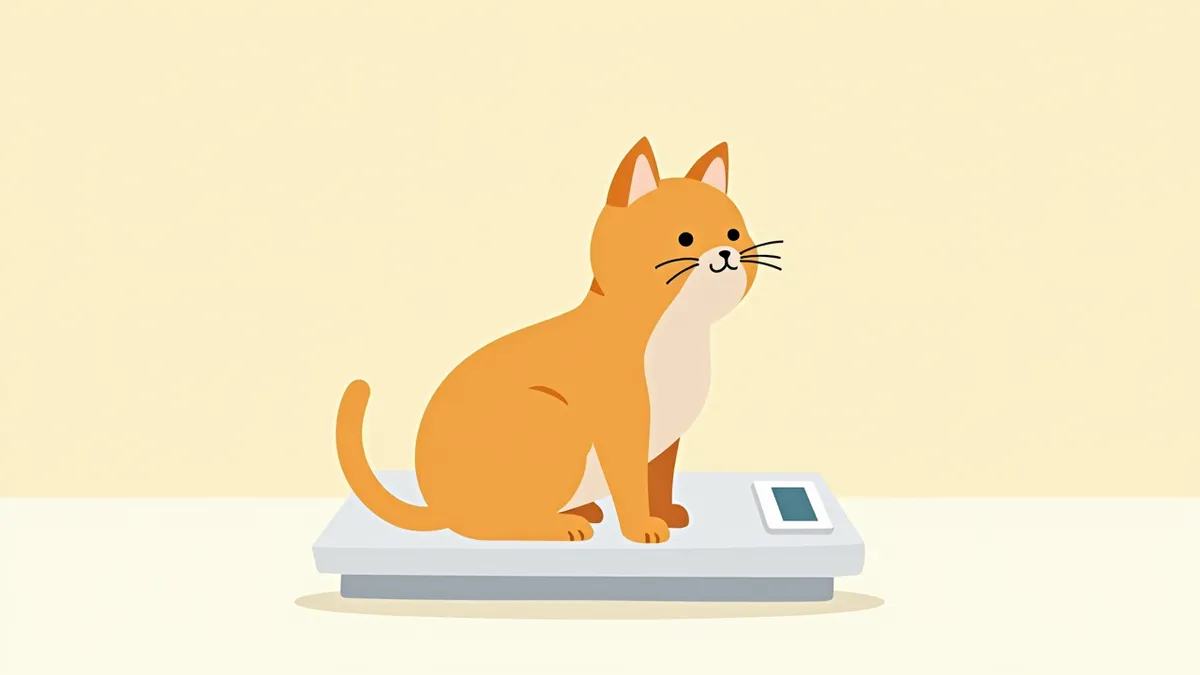
A cat being weighed at the veterinary clinic
Feline weight-loss diets are functional foods designed to reduce body fat while preserving muscle mass by lowering calories and maintaining high protein levels compared to regular cat food. The key to effective management is balancing protein and calorie intake. In nutritional assessments, the adequacy of calorie intake is evaluated using the Body Condition Score (BCS), while protein adequacy is assessed using the Muscle Condition Score (MCS). If calories are cut too drastically, muscle mass can be lost along with fat, leading to a poor MCS. Therefore, it is crucial that weight-loss diets provide sufficient protein. If your cat has a high BCS indicating obesity, or if obesity is accompanied by diabetes or liver disease, please consult your veterinarian to develop a dietary plan that includes both BCS and MCS evaluations.

How to Choose a Weight-Loss Diet Based on These Criteria

Calorie density: Choose products with a lower calorie density (energy concentration) than standard maintenance diets. This helps reduce your pet’s daily caloric intake even when feeding the same volume of food.
Nutrient composition: The textbook-recommended weight-loss formula is high in protein and low in carbohydrates, consisting of 30–55% protein, 12–25% fat, and less than 20% carbohydrates on a dry matter basis. Ensure the protein level falls within this range to help preserve muscle mass.
L-Carnitine: While some products highlight L-carnitine content, the scientifically established foundation for weight management remains calorie restriction combined with adequate protein.
Dietary fiber: Fiber can help promote satiety and support appetite control during calorie restriction.
Complete and balanced certification: Always verify that the product meets the standards set by the Association of American Feed Control Officials (AAFCO).

Be Sure to Check This Before Starting a Diet

Sudden fasting or rapid weight loss can trigger hepatic lipidosis (fatty liver disease), a potentially fatal condition in cats. Drastic calorie restriction leading to quick weight loss can cause fat to accumulate in the liver, impairing its function. Therefore, it is safer to have your veterinarian assess your cat’s Body Condition Score (BCS) and Muscle Condition Score (MCS) before starting, and to create a gradual weight loss plan rather than imposing harsh fasting. Adjust the target rate of weight loss and daily calorie intake in consultation with your veterinarian, based on your cat’s response.

Prescription vs. Commercial Weight-Loss Diets: What’s the Difference?
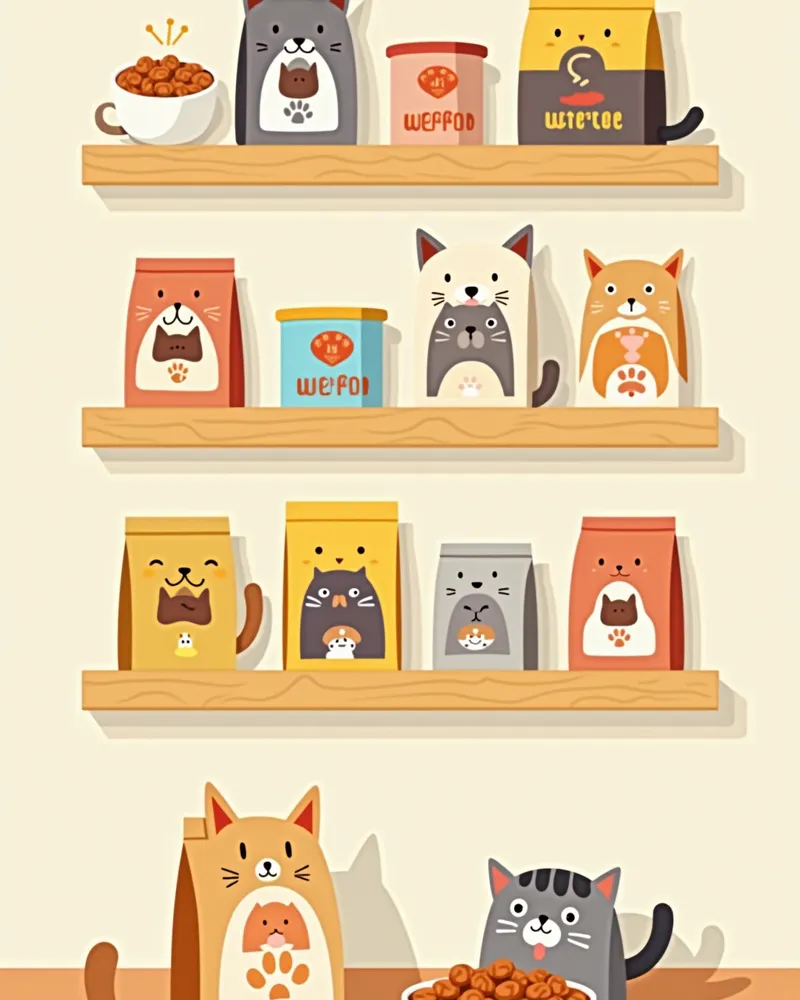
Prescription diets can only be purchased with a veterinarian’s prescription and are formulated with medically verified calorie and nutrient ratios. They are particularly effective for pets with a high body condition score (BCS 7–9) or those managing concurrent conditions such as diabetes or joint disease. Commercial weight-management diets are available without a prescription, but their quality can vary significantly between brands. If your goal is simple weight management and your pet’s BCS is in the 5–6 range, you can effectively use a commercial product by carefully reviewing its ingredient list and nutritional profile.
A comparison between prescription feline diet food and commercially available products

Comparison of Major Cat Weight-Loss Diet Products

ItemRoyal Canin SatietyHill's MetabolicPurina OM
CategoryPrescription dietPrescription dietPrescription diet
Protein (dry matter basis)About 34%About 38%About 53%
Calories (kcal/kg)About 3,130About 3,300About 2,920
Contains L-carnitineTrueTrueTrue
Prescription requiredRequiredRequiredRequired

Based on official manufacturer data and subject to change with product revisions. Always check the latest label before purchasing.

Top Recommended Products — Which Cat Are They Right For?

Royal Canin Satiety Weight Management (Prescription Diet): This prescription diet is high in dietary fiber to enhance satiety, making it suitable for cats with severe obesity requiring long-term management.
Hill’s Prescription Diet Metabolic (Prescription Diet): This formula works by boosting basal metabolic rate to increase calorie expenditure, and is effective for cats with moderate obesity (BCS 6–7).
Purina Pro Plan OM (Prescription Diet): With the highest protein content among these options, this diet is beneficial for cats where muscle maintenance is a priority.
Orijen Fit & Trim (Commercial Diet): This high-protein, low-carbohydrate commercial food is available without a prescription and is well-suited for initial weight management.
Recommended weight-loss cat food products

Proper Feeding Methods

The daily feeding amount should be calculated based on your pet’s target (ideal) weight. Calculating it based on their current weight may lead to excessive calorie intake. Divide the daily portion into two to three meals and feed at set times, avoiding free-feeding. During weight loss, limit treats or any additional food to no more than 5% of the total daily calories, and be sure to include these in the overall calorie count. Transition to the new food gradually over 7–10 days by mixing small amounts of the new food with the old food to minimize digestive issues or food refusal.

Go to the Vet Immediately If These Symptoms Appear

If you notice a loss of appetite, vomiting, or signs of jaundice (yellowing of the whites of the eyes, gums, or skin) during weight loss, it may indicate the onset of hepatic lipidosis. Seek immediate veterinary care if your pet has barely eaten for more than three days or has lost more than 2% of its body weight in a week. Never force fasting; always consult a veterinarian first.

How to Monitor During Weight Loss

Weekly weigh-ins: To minimize measurement error, use the same scale and weigh your pet at the same time each week.
Rate of weight loss: A gradual, moderate pace is safest. If your pet isn’t losing weight at the target rate, consult your veterinarian; adjusting daily caloric intake by approximately 10% is a reasonable starting point.
Monitoring muscle mass: Even as weight decreases, it’s important to ensure muscle isn’t being lost alongside fat. Have your veterinarian regularly assess your pet’s Body Condition Score (BCS) and Muscle Condition Score (MCS).
Hydration: Feeding only dry food can lead to insufficient water intake. Consider mixing in wet food or regularly monitoring your pet’s water consumption.
A pet owner measuring their cat's weight at home

Reviewed by a veterinarian

Dr. Tony — Punnawat Phongkittirak

Dr. Tony — Punnawat Phongkittirak

Veterinarian

A veterinarian who majored in veterinary medicine at Khon Kaen University, Thailand, and completed the IVSA program at North Carolina State University in the United States. Drawing on clinical experience at animal hospitals, he works in the pet healthcare field and is dedicated to building a digital care environment that connects pet parents with veterinarians.

Frequently Asked Questions

How long should I feed my pet weight-loss food?
Switching straight to regular food as soon as your pet reaches their target weight can make it easy for them to gain weight again. Sticking with the therapeutic (prescription) diet used during weight loss is more effective at preventing weight regain. When transitioning to regular food, gradually increase the portion size by about 5% at a time while monitoring whether their weight stabilizes. If the weight starts to creep back up, reduce the amount fed or consult your veterinarian.
Which is better for a diet, wet food or dry food?
Wet food has a high moisture content and lower calorie density, making it beneficial for managing satiety. Some studies even suggest that canned (wet) food may be more effective than dry food for weight loss. On the other hand, dry food is convenient to store and serve. Combining both types can also be an effective approach. Regardless of which type you choose, the key is to calculate and control your pet’s total daily caloric intake.
Will my pet lose weight just by switching their food?
When switching to a new diet, it’s essential to adjust the portion size accordingly. Even the best diet food won’t work if overfed. First, calculate your pet’s daily calorie goal, then measure and serve the exact amount needed.
Do neutered cats really need diet food?
After neutering, activity levels tend to drop and hormonal changes can disrupt dietary control, making pets prone to obesity. If the body condition score (BCS) is normal (ideal weight), a calorie-adjusted diet formulated for neutered pets is sufficient. However, if the BCS has risen into the obese category, switching to a dedicated weight-management diet is recommended.
Can I feed weight-loss food to a young cat?
We do not recommend feeding adult cat diet food to kittens under 12 months of age, as it may lack the essential nutrients needed for their growth. If your young cat tends to gain weight, try adjusting the portion size first and consult your veterinarian.

Share

Related Guides

References

[1] Fascetti AJ, Delaney SJ. Applied Veterinary Clinical Nutrition, 2nd Ed. Wiley-Blackwell, 2017. Chapter 8: Commercial and Home-Prepared Diets.

[2] Zoran DL, Buffington CA. Effects of nutrition choices and lifestyle changes on the well-being of cats. J Am Vet Med Assoc. 2011;239(5):596-606.

[3] German AJ. The growing problem of obesity in dogs and cats. J Nutr. 2006;136(7 Suppl):1940S-1946S.

[4] Witzel-Rollins A et al. Nonlinear mixed models for predicting body weight change in overweight cats during energy restriction. J Nutr Sci. 2017;6:e53.

This information is based on veterinary literature and does not replace diagnosis or treatment. Please consult a veterinarian for specific health concerns.

Metapet Co., Ltd. | CEO: Park Sung-yong | Business Reg. No. 417-88-02562 | Seoul, South Korea | Customer Center

7 Best Vet-Recommended Cat Weight-Loss Diets & How to Choose | Meongsiljang