Like
Share
멍실장
2026 강아지 다이어트 사료 추천 TOP 5

Top 5 Weight-Management Dog Food Recommendations for 2026

WeightTop PicksMeongsiljang Veterinary Advisory Board

We compare the top five weight-management diets for dogs based on protein, calorie, and dietary fiber content. We’ve also summarized the essential nutrients for weight loss and proper feeding guidelines.

What Are Dog Weight-Management Diets?
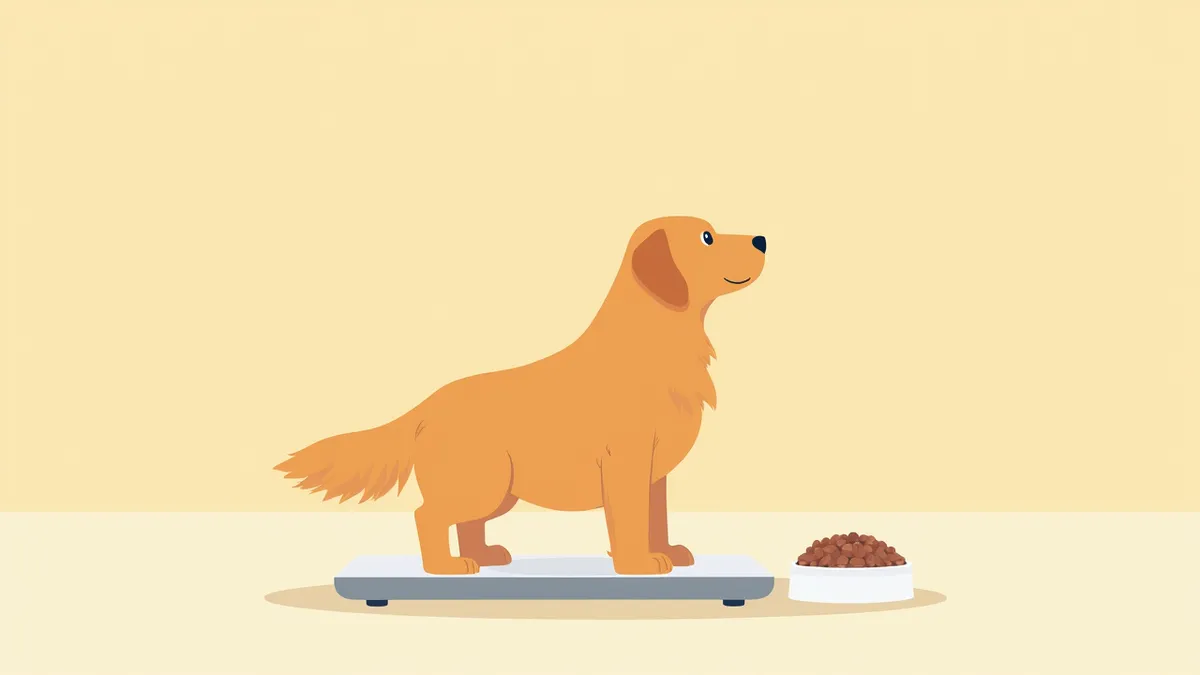
A Golden Retriever standing on a scale with a bowl of diet food
Dog weight-management diets are specially formulated to support weight loss by lowering energy density (calories). Since obesity is almost always caused by consuming more food and calories than the body needs, the key to weight loss is properly restricting caloric intake. For this reason, veterinary nutritionists recommend using diets specifically designed for weight loss, which have reduced energy content, rather than simply reducing the portion size of regular dog food. These diets have specific maximum energy content standards set according to their nutritional purpose of "weight loss." However, exact protein and calorie values vary depending on the product and your dog's individual condition, so it's best to check the ingredient label and consult with your veterinarian when choosing a diet.

4 Criteria for Choosing Weight-Management Diets

Here are some key criteria to keep in mind before comparing pet foods. Energy density (calories): The cornerstone of weight loss — choose a "weight management" formula that has a lower energy content than regular food. Protein: It is important to ensure adequate protein intake to maintain muscle mass during weight loss. Dietary fiber: Helps increase satiety and reduce feelings of hunger. Supplementary ingredients (such as L-carnitine): These are "suggested" to aid weight loss, but most have not been sufficiently proven to be effective. Specific nutrient levels vary by product, so always check the ingredient label directly. Be sure to verify that the food is specifically formulated for weight management, rather than just being a simple "light" version.

Ingredient Comparison of the Top 5 Weight-Management Diets for 2026

ItemRoyal Canin SatietyHill's MetabolicPurina OMAvoderm Weight ControlOrijen Fit & Trim
Protein (dry matter)30%28%32%26%42%
Fat (dry matter)10%9%8%11%13%
Dietary Fiber18%14%11%9%6%
L-carnitineIncludedIncludedIncludedIncludedIncluded
Calories (per 100g)290kcal285kcal295kcal320kcal365kcal

Based on official manufacturer ingredient lists as of April 2026.

1st Place: Royal Canin Satiety — #1 in Satiety

Royal Canin Satiety has the highest fiber content among the top five, at 18%. It’s ideal for pets who beg for treats due to feelings of hunger.
Recommended for: Pets that constantly beg for food
Calories: 290 kcal per 100g (about 25% lower than regular food)
Drawback: Higher fiber content may increase stool volume
Feeding instructions: Divide the recommended daily amount into 2–3 meals
While available without a veterinary prescription, we recommend regular check-ups if feeding this diet for more than three months.
A beagle puppy gazing at diet food

2nd Place: Hill’s Metabolic — Body Fat Reduction Effect

Hill’s Metabolic is well known for its patented blend of ingredients that help boost metabolism. Clinical trials conducted by the manufacturer showed an average reduction in body fat of 28% within two months.
Recommended for: Pets who have gained weight after being spayed or neutered, and senior pets
Key features: Promotes fat metabolism with L-carnitine and vitamins A and E
Downside: Higher price compared to other prescription diets
Caution: Consult your veterinarian if your pet has a history of kidney disease
If you don’t see any change in your pet’s weight within four weeks of feeding this diet, it may be necessary to adjust the portion size.

Brief Summary of 3rd–5th Place Foods

3rd Place: Purina OM With 32% protein, it ranks second among the top 5. Ideal for active dogs. Choose this when maintaining muscle mass is a priority. 4th Place: Aboudem Weight Control Formulated with naturally derived ingredients. Gentle on dogs with allergies. However, its calorie content is relatively high at 320 kcal. 5th Place: Orijen Fit & Trim Impressive 42% protein content. A great choice for owners who prefer high-protein diets, but due to its high calorie count of 365 kcal, portion sizes should be reduced accordingly.
Image comparing three types of diet food

Precautions When Feeding Weight-Management Diets

Weight loss is safest when done slowly and gradually rather than rushed. Even if a slower rate means it takes longer to reach your goal, it helps reduce the risk of muscle loss and nutritional imbalances. Weigh your pet under the same conditions each week to monitor progress. Diet food should be fed exclusively; mixing it with regular food or treats increases total calorie intake and disrupts nutritional balance, reducing effectiveness. When switching foods, transition gradually over 7–10 days by mixing the new food with the old in increasing proportions.

How to Calculate the Exact Feeding Amount
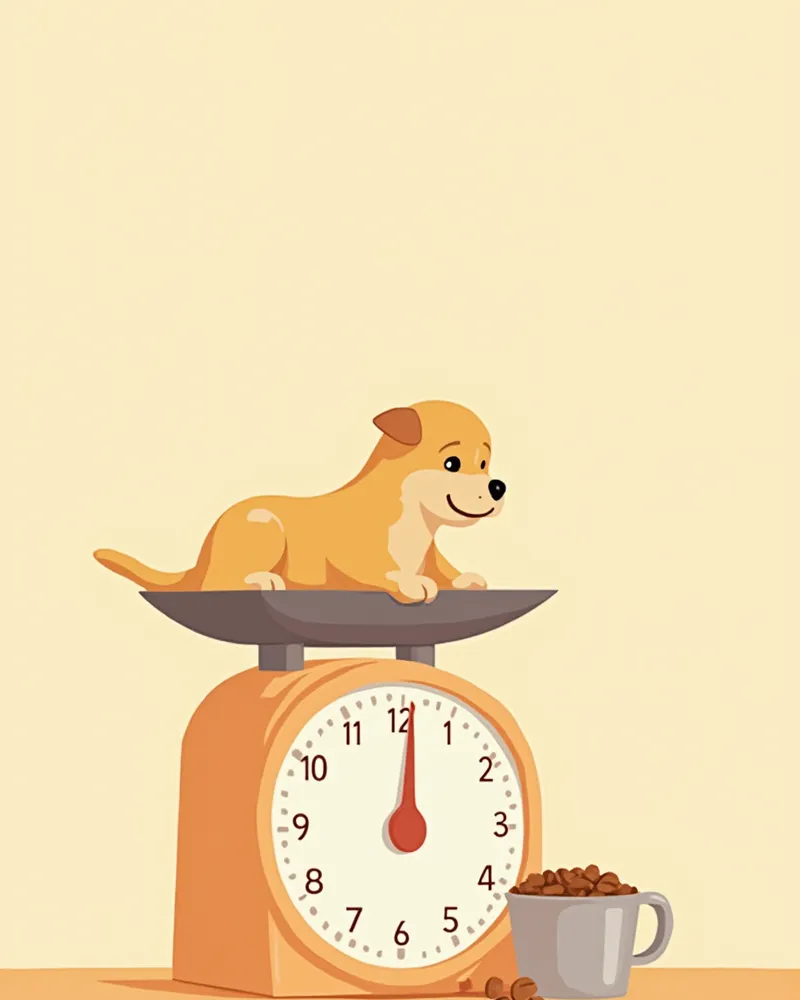
Daily calorie targets for weight loss are calculated based on your pet’s goal weight, not their current weight.
Basic Concept: Resting Energy Requirement (RER) is calculated by multiplying 70 by the body weight (in kg) raised to the power of 0.75 (RER = 70 × weight^0.75).
Weight-Loss Feeding Amount: To promote weight loss, we reduce this further. Textbooks recommend starting with approximately 60 kcal × (goal weight in kg)^0.75. Neutered pets typically require even less.
Example: For a dog with a goal weight of 5 kg - 60 × 5^0.75 ≈ 200 kcal/day This figure is merely a starting point, as individual metabolic rates vary. Weigh your pet weekly and adjust the food portion by 5% increments as needed.
Diet food that has been precisely weighed on a scale

When a Prescription Veterinary Diet Is Necessary

If your pet has obesity-related conditions rather than just being overweight, commercial diet foods alone won’t suffice. Prescription veterinary diets are essential for pets with diabetes, Cushing’s syndrome, hyperlipidemia, or obesity accompanied by arthritis. Additionally, for pets with severe obesity (a Body Condition Score of 8–9), it’s safest to follow a phased weight-loss plan designed by a veterinary nutrition specialist.

Reviewed by a veterinarian

Dr. Tony — Punnawat Phongkittirak

Dr. Tony — Punnawat Phongkittirak

Veterinarian

A veterinarian who majored in veterinary medicine at Khon Kaen University, Thailand, and completed the IVSA program at North Carolina State University in the United States. Drawing on clinical experience at animal hospitals, he works in the pet healthcare field and is dedicated to building a digital care environment that connects pet parents with veterinarians.

Frequently Asked Questions

How much diet food should I feed to see results?
You’ll typically start seeing noticeable changes after 4 to 8 weeks. The first two weeks are an adjustment period, so weight changes may be minimal. Weigh your pet at the same time each week and keep a record to objectively track their progress.
Should I completely stop giving treats?
You don’t need to stop giving treats altogether. Instead, limit them to no more than 10% of your pet’s total daily caloric intake. It’s a good idea to offer small amounts of low-calorie, natural foods like boiled chicken breast, broccoli, or carrots as healthier alternatives to regular treats.
Is it safe to feed my pet diet food for their entire life?
Once your pet reaches their target weight, it’s best to switch to a weight-maintenance diet. Long-term feeding of high-fiber, low-calorie food can lead to side effects such as impaired nutrient absorption and excessive stool volume.
Can changing just the food help my pet lose weight?
Changing your pet’s food alone isn’t enough. To maintain muscle mass while reducing body fat, you need to combine dietary changes with at least 30 minutes of daily walks and playtime. If you only reduce food intake without exercise, muscle loss will occur first.
Can I feed diet food to a young puppy?
We do not recommend standard diet food for puppies under one year old, as they are still growing. If your puppy is overweight, please consult your veterinarian to receive a prescription for specialized puppy weight management food.

Share

Related Guides

References

[1] Fascetti AJ, Delaney SJ. Applied Veterinary Clinical Nutrition, 2nd Ed - Commercial and Home-Prepared Diets. 2024

[2] Ettinger SJ, Feldman EC. Textbook of Veterinary Internal Medicine - Obesity Management Chapter. 2024

[3] German AJ. The Growing Problem of Obesity in Dogs and Cats. Journal of Nutrition, 2006

This information is based on veterinary literature and does not replace diagnosis or treatment. Please consult a veterinarian for specific health concerns.

Metapet Co., Ltd. | CEO: Park Sung-yong | Business Reg. No. 417-88-02562 | Seoul, South Korea | Customer Center

Top 5 Weight Loss Dog Food Picks for 2026 | Comparison Guide | Meongsiljang