Like
Share
멍실장
고양이 영양 상담 및 식이 선택 관리 추천 BEST와 고르는 기준 총정리

Top Recommendations and Selection Criteria for Feline Nutritional Counseling and Diet Management

Lifestyle & Age CareTop PicksMeongsiljang Veterinary Advisory Board

Tailored nutritional counseling and diet selection are essential for your cat’s health. Proper meal management plays a significant role in preventing chronic diseases and extending lifespan.

Feline Nutritional Counseling and Diet Selection Are Key to Health

A scene where a veterinarian discusses a nutrition plan with a cat owner.
To keep your cat healthy, personalized nutrition counseling and careful food choices are essential. - Protein content: Cats are obligate carnivores, so a high-protein diet is crucial. It is generally recommended to choose foods that provide approximately 6 grams of protein per 100 kcal, though the ideal amount varies depending on age and health status. - Fat balance: Fat is a vital energy source for cats and provides essential fatty acids like linoleic and arachidonic acid, making adequate intake necessary. However, excessive fat consumption can increase the risk of obesity and hyperlipidemia, so moderation is key. - Hydration: Wet (canned) food is more beneficial for hydration than dry kibble. Canned food contains about 80% moisture, which helps increase water intake. This is particularly important for supporting kidney and urinary tract health. - Nutritional balance: It is important to select products that offer a balanced mix of protein, fat, vitamins, and minerals. An excess or deficiency of specific nutrients can negatively impact your cat’s health. - Health condition considerations: Dietary adjustments depend on whether your cat has conditions such as chronic kidney disease or diabetes. For example, cats with kidney disease may benefit from prescription renal diets, while those with diabetes may do better on low-carbohydrate diets. Regular check-ins with your veterinarian are essential to ensure the diet remains appropriate for your cat’s specific needs.

6 Selection Criteria to Check

When consulting on feline nutrition and selecting a diet, be sure to verify the following criteria. Each factor directly impacts your cat’s health, and reviewing these points with your veterinarian will help ensure the most accurate assessment.
Nutritional components to consider: A balanced composition of protein, fat, vitamins, and minerals is essential.
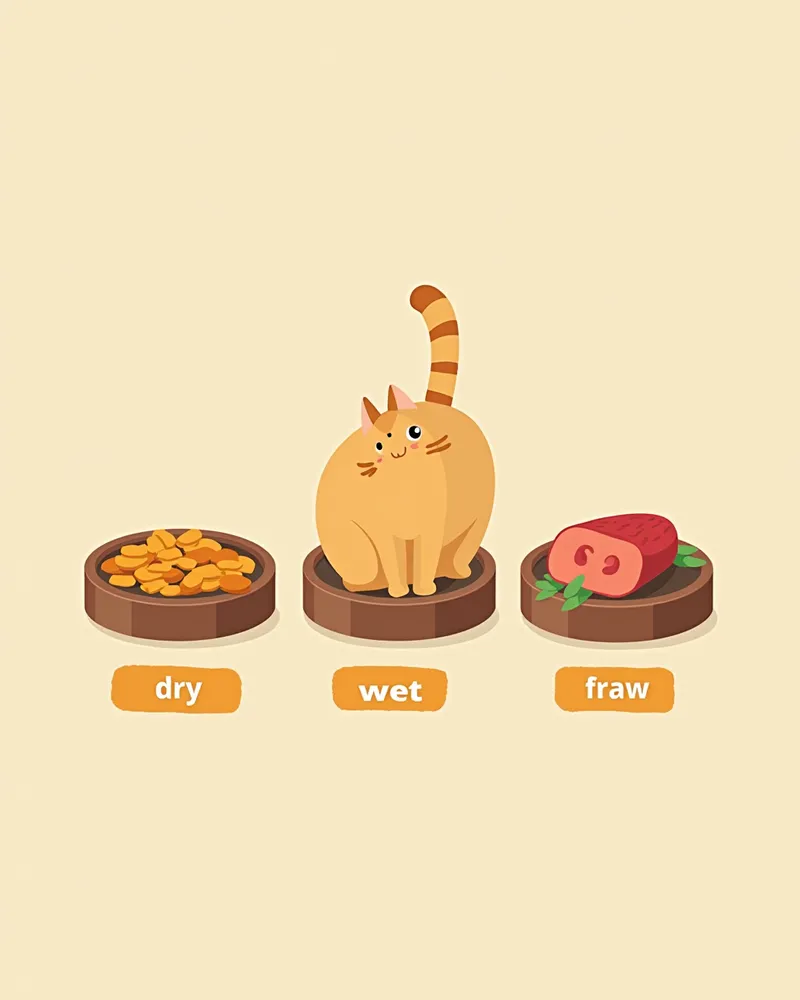
Diet form selection: Choose between dry, wet, or raw food based on your cat’s preferences and health status.
Health condition considerations: The diet should account for any existing conditions, such as kidney disease, liver issues, or diabetes.
Meal frequency adjustment: It is best to divide the daily food allowance appropriately according to your cat’s appetite and digestive capacity.
Encouraging water intake: Wet food increases moisture consumption, which supports kidney and urinary tract health.
Ingredient origin and quality: Verify that the brand is reputable and uses safe, high-quality ingredients.
A scene comparing dry, wet, and raw cat food.

BEST 1: Premium Customized Nutritional Diet (Cat-Specific)

This product is a customized nutritional diet developed in collaboration with veterinarians. It can be tailored to your cat’s age, weight, and health status. The protein content is designed to meet feline physiological needs, while the flavor is formulated to appeal to cats’ preferences. The range also includes formulas with controlled phosphorus levels to help protect kidney function. In particular, wet food helps increase moisture intake, supporting kidney health. As a veterinarian-recommended product, it has been rigorously evaluated for safety and efficacy.
A cat enjoying its personalized, nutritionally balanced wet food.

BEST 2: Raw-Based Feline Diet (Expert Recommended)
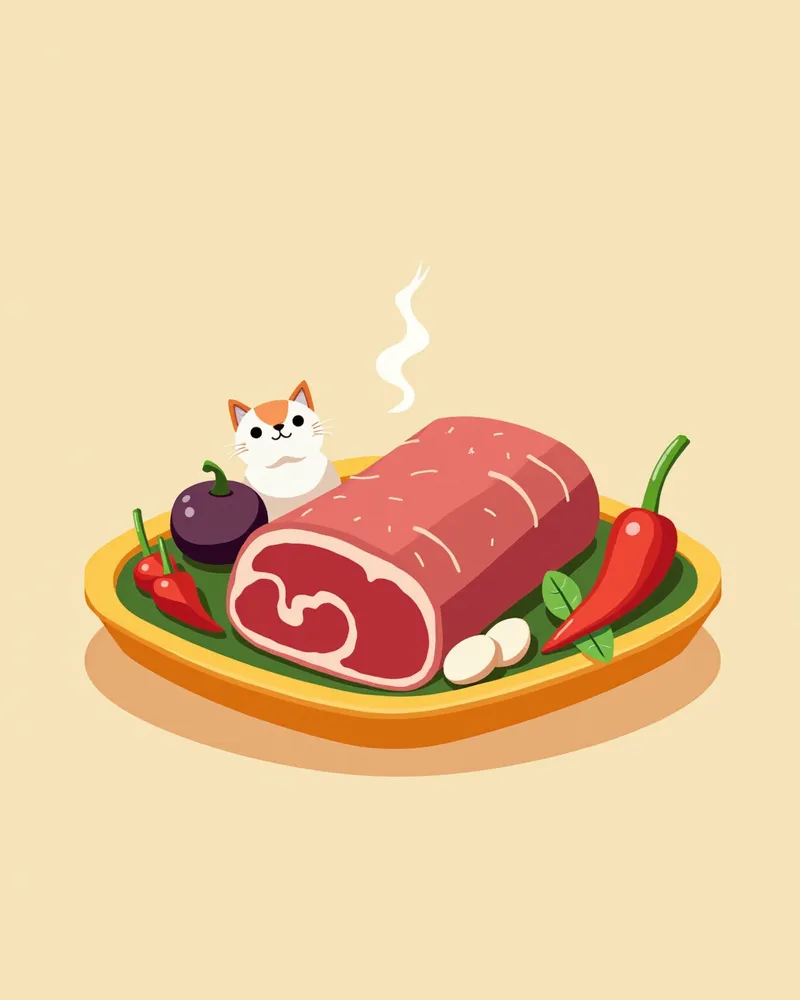
Raw diets are sometimes considered a choice that aligns closely with a cat’s natural eating habits, as they aim to achieve nutritional balance by combining fresh meat, organs, and vegetables. However, veterinary literature lacks sufficient published evidence to support the health benefits of raw diets. Instead, there are documented risks of bacterial and non-bacterial contamination (including zoonotic infections), nutritional imbalances, and the clinical diseases that can result from these issues. Therefore, strict hygiene during storage and preparation is essential, and it is safest to use raw diets only under the guidance of a veterinarian or veterinary nutritionist. Having a professional analyze the nutritional adequacy of the specific diet can help reduce the burden on pet owners.
A scene showing fresh ingredients prepared for breeding cat food.

BEST 3: Feline-Specific Nutritional Supplements (Dietary Complement)
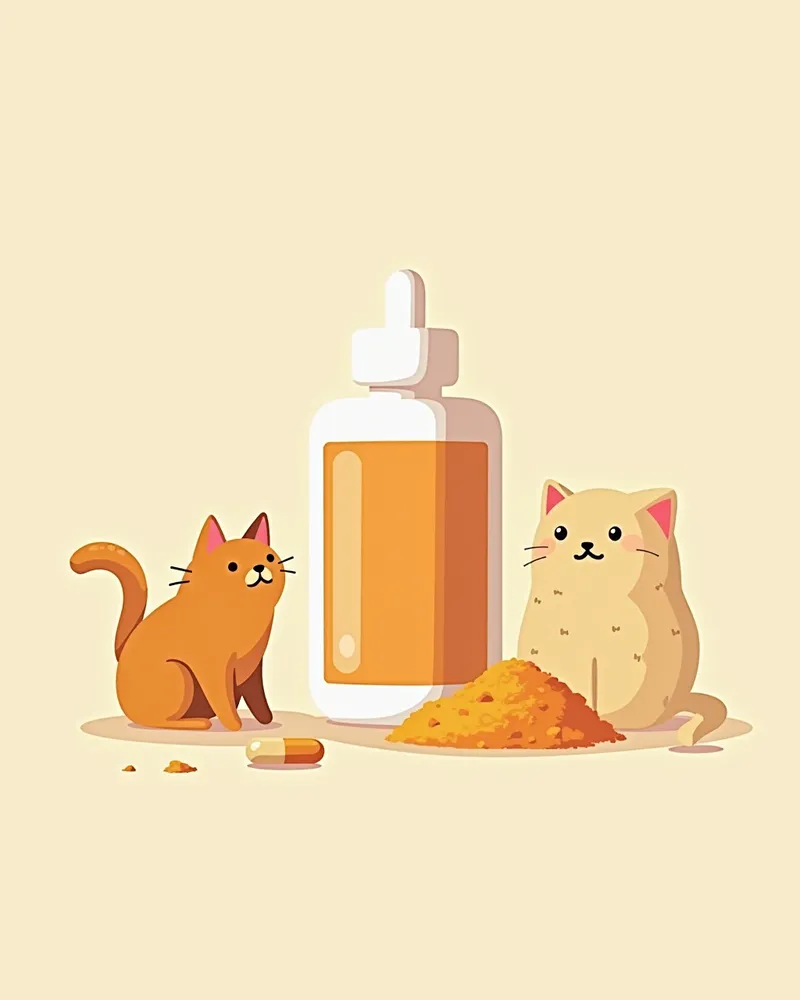
Feline-specific nutritional supplements are designed to complement your cat’s diet by providing essential proteins, omega-3 fatty acids, vitamins, and minerals. They are particularly beneficial for senior cats or those managing health conditions, helping to fill nutritional gaps that regular meals may not fully cover. Available in liquid, capsule, or powder forms, you can choose the format that best suits your cat’s eating habits. Always introduce supplements under veterinary guidance, as excessive intake can lead to adverse effects. Even with long-term use, regular veterinary check-ups are essential to ensure ongoing safety and efficacy.
Cat nutritional supplements in liquid, capsule, and powder forms

Comparison Table of Products BEST 1–3

ItemBEST 1 (Customized food)BEST 2 (Raw food)BEST 3 (Supplement)
Main ingredientsHigh protein, phosphorus control, omega-3Fresh meat, organs, vegetablesOmega-3, vitamins, minerals
Food formWet, dryRawLiquid, capsule, powder
Recommended forAll ages and health conditionsHealthy cats, those who prefer raw foodSenior cats, cats with illness or nutritional deficiency
Ease of useVery easyRequires storage and preparationConvenient
Price rangeUpper-middleHighMedium

Choose according to veterinarian-recommended criteria. It's important to select a product suited to your cat's condition.

Caution: Abrupt Diet Changes Are Risky

Abruptly changing a cat’s diet can lead to digestive upset or a loss of appetite. For this reason, it is safest to transition gradually over several days by slowly increasing the proportion of the new food mixed with the old. Cats with existing medical conditions must have their diet changed under veterinary guidance to prevent food aversion.

Usage Tip: Consistency Is Key to Successful Nutritional Management

Nutritional counseling and diet selection for cats are not short-term actions but rather long-term management strategies. Regularly check your cat’s weight, body condition score (BCS), and appetite with your veterinarian, and adjust the diet as needed. Establishing a routine by feeding at consistent times and providing a fixed amount of food can help maintain your cat’s health steadily. Additionally, observe your cat’s responses and make appropriate adjustments accordingly.
A calendar for tracking your cat’s meal times, along with a food bowl.

Reviewed by a veterinarian

Dr. Tony — Punnawat Phongkittirak

Dr. Tony — Punnawat Phongkittirak

Veterinarian

A veterinarian who majored in veterinary medicine at Khon Kaen University, Thailand, and completed the IVSA program at North Carolina State University in the United States. Drawing on clinical experience at animal hospitals, he works in the pet healthcare field and is dedicated to building a digital care environment that connects pet parents with veterinarians.

Frequently Asked Questions

Is it safe to feed raw food to cats?
While raw diets are sometimes viewed as a choice that aligns closely with a cat’s natural eating habits, veterinary literature does not provide sufficient evidence to support their health benefits. In fact, risks such as bacterial contamination and nutritional imbalances have been reported. Therefore, it is safest to select products that meet hygiene standards and to consult with your veterinarian before using them.
Should dietary supplements be given daily?
Only administer this regularly if recommended by your veterinarian after an evaluation. Overconsumption can cause side effects, so regular check-ups are necessary even with long-term use.
My cat isn’t eating its food. What should I do?
Create a calm feeding environment and try changing the food’s flavor or form to better suit your cat’s preferences. Consult your veterinarian to determine whether nutritional supplementation is necessary.
My cat gets diarrhea whenever I change its food. What should I do?
Transition your pet’s diet gradually over several days. Sudden changes can put stress on their digestive system.
How can you evaluate your cat’s diet?
Regularly track your pet’s weight changes, body condition score, appetite, and bowel movements, and review these records with your veterinarian.

Share

Related Guides

References

[1] Applied Veterinary Clinical Nutrition, 2nd Ed. (2023). Chapter 5: Dietary Management in Cats.

[2] The Cat, Clinical Medicine and Management, 2nd Edition. (2022). Section 7: Nutritional Therapy and Disease Prevention.

[3] Clinical Medicine of the Dog and Cat, 4th Ed. (2023). Section V: Elements of Therapy – Nutrition Support.

This information is based on veterinary literature and does not replace diagnosis or treatment. Please consult a veterinarian for specific health concerns.

Metapet Co., Ltd. | CEO: Park Sung-yong | Business Reg. No. 417-88-02562 | Seoul, South Korea | Customer Center

Cat Nutrition & Diet Management: Top Picks & Criteria | Meongsiljang