
Best Cat Water Intake Monitoring Products and Key Selection Criteria
A cat’s water intake is directly linked to kidney health, making regular monitoring essential. We’ve compiled a clear overview of recommended products and key selection criteria.
Cat Water Intake Monitoring is Key to Health Management

Key Takeaways: Points for Monitoring Water Intake at Home
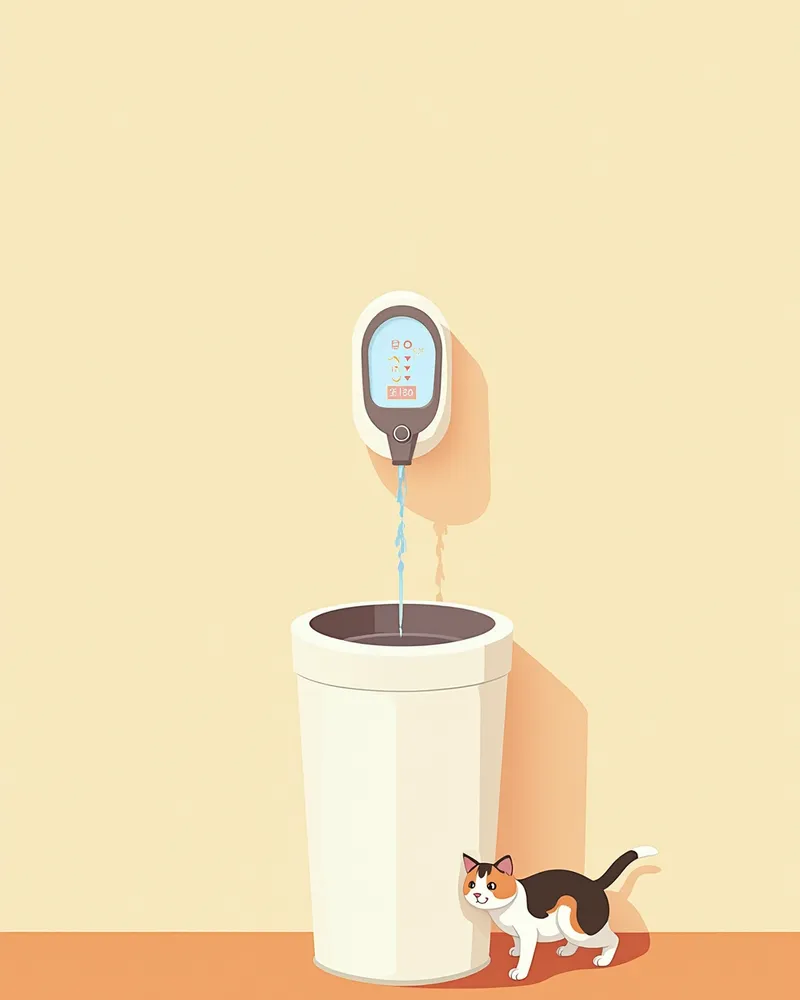
Key 1: How to Measure Daily Water Intake

Key 2: Know the Normal Range and Record Changes

Key 3: When to See a Veterinarian for These Changes

Key Points for Monitoring Water Intake at Home
| Item | Key Points |
|---|---|
| Measurement Method | Provide a measured amount of water and subtract the remaining amount, or measure with a graduated water dispenser |
| Normal Range | Water intake generally should not exceed about 45 ml per 1 kg of body weight per day; varies with food and weather |
| Also Observe | Also monitor urine output and litter box frequency, recording trends (normal urine output about 20–45 ml/kg/day) |
| Warning Signs | Sudden increase + excessive urination, or barely drinking → blood and urine tests |
| Caution | Monitoring is for the time of the visit; diagnosis and treatment are decided with a veterinarian |
This is not a table recommending specific products or devices, but key points to refer to for at-home care. Always consult a veterinarian for interpreting measurements and making treatment decisions.
Caution: Immediate Veterinary Visit Required for Sudden Drop in Water Intake
If your cat’s water intake drops significantly over the course of a day, or if they refuse to drink for more than 24 hours, it could be a sign of kidney dysfunction or dehydration. This situation warrants immediate consultation with a veterinarian and diagnostic testing, such as blood and urine tests. Changes in a cat’s water consumption are crucial for early detection, so ongoing monitoring is essential.
Usage Tips: How to Encourage Your Cat to Drink More Water
Reviewed by a veterinarian

Dr. Tony — Punnawat Phongkittirak
VeterinarianA veterinarian who majored in veterinary medicine at Khon Kaen University, Thailand, and completed the IVSA program at North Carolina State University in the United States. Drawing on clinical experience at animal hospitals, he works in the pet healthcare field and is dedicated to building a digital care environment that connects pet parents with veterinarians.
Reviewed 2026-06-29
Frequently Asked Questions
How much water should a cat drink per day?
Are water fountains safe for cats?
Why is monitoring water intake important?
Should I change the water in the bowl frequently?
What should I do if my cat isn’t drinking enough water?
Share
Related Guides

Top Recommendations and Selection Criteria for Cat FIV and FeLV Testing

Top Microchip Implantation Management Recommendations for Dogs and Key Selection Criteria

Complete Guide to Choosing, Comparing, and Managing the Best Heartworm Preventives for Dogs
The Best Cat FVRCP Combination Vaccines and Selection Criteria: A Complete Guide

The Best Cat Anal Gland Care Products and Selection Criteria: A Complete Guide

The Ultimate Guide to Differentiating Symptoms, Managing Internal Parasites in Dogs, and Choosing the Best Products

Best Practices and Selection Criteria for Dog Heartworm Antigen Testing

Recommended Products and Key Selection Criteria for Cat Roundworm Management

Complete Guide to Recommended Products and Selection Criteria for Cat Flea Infestation Management and Relief
Best Cat Fecal Parasite Testing Methods, Management Recommendations, and Selection Criteria: A Complete Guide
References
[1] The Cat, Clinical Medicine and Management, 2nd Edition, 2023
[2] A Professional’s Guide to Feline Behaviour, 2022
[3] International Society of Feline Medicine Consensus Statement on Hydration, 2021