Like
Share
멍실장
강아지 체중·비만 예방 관리 추천 BEST와 고르는 기준 총정리

Top Recommended Products for Canine Weight and Obesity Prevention and Management, and Key Selection Criteria

Lifestyle & Age CareTop PicksMeongsiljang Veterinary Advisory Board

Canine obesity can lead to serious health issues such as diabetes and joint problems. We’ve put together a clear overview of recommended products for weight management and the key criteria to consider when choosing them.

Canine Weight and Obesity Prevention and Management is the Foundation of Health
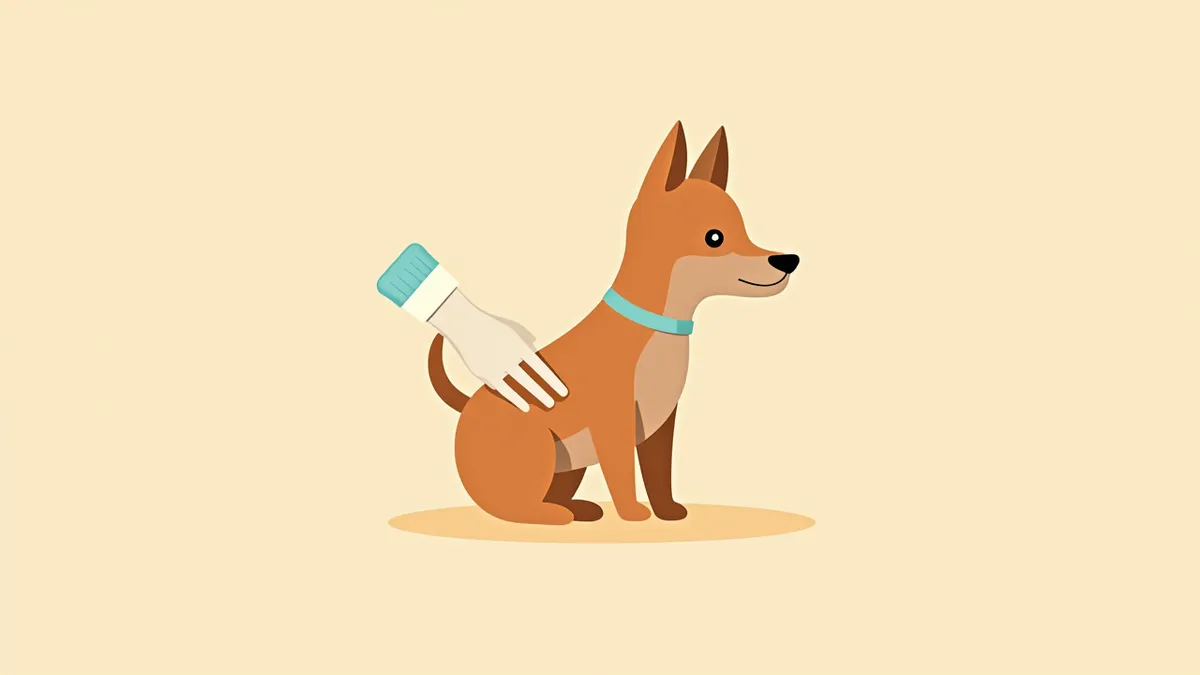
A veterinarian checking a dog's weight status.
Managing your dog’s weight is essential for a healthy life. Excess weight puts strain on the joints and increases the risk of diabetes and heart disease. When choosing weight management products, high-protein formulas help prevent muscle loss during weight reduction, while low-fat blends reduce excessive calorie intake. Dietary fiber is added to promote satiety, though its effectiveness may be limited. Portion sizes should be strictly followed according to the guidelines calculated by your veterinarian. Recording your dog’s weight at the same time each day helps you track consistent trends. Daily walks are recommended at least once a day; during weight loss, it’s safest to start with short, gentle sessions tailored to your dog’s stamina and gradually increase them. Once goals are achieved, rewarding your dog with playtime instead of treats can be an effective motivational tool.

Key Criteria for Choosing Canine Weight Management Products
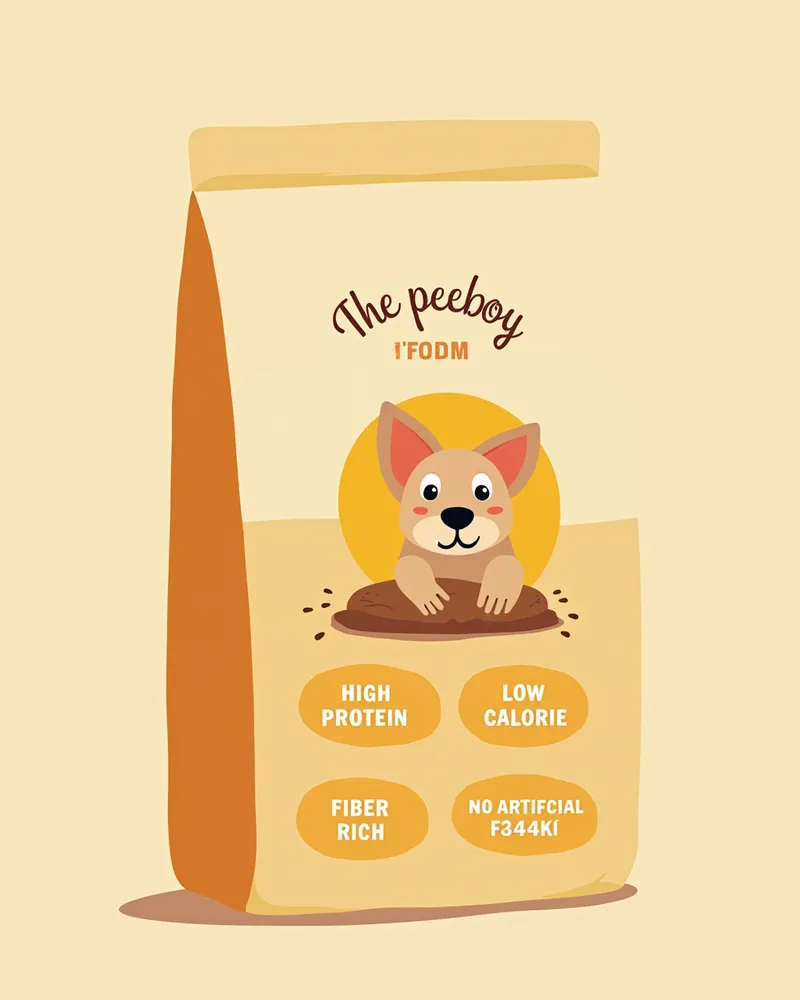
When choosing a weight management product for your dog, it’s important to carefully check the ingredients, calorie content, and dietary fiber levels. According to veterinary textbooks, weight-loss diets generally have a higher protein ratio and controlled fat content. While some include dietary fiber to increase satiety, its effectiveness is not clearly established.
High-protein food: Rich in protein to help prevent muscle loss during weight reduction.
Low-calorie formula: Designed to appropriately control daily calorie intake.
Enhanced dietary fiber: Used to promote a feeling of fullness, though its effect may be limited.
No additives: Free from artificial flavors and colors for safety.
Veterinarian-recommended products: It’s safest to choose after consulting with a veterinarian.
Based on these criteria, we’ve selected the top 3 products.
Packaging that highlights the key ingredients of a dog weight management product

BEST 1: Premium High-Protein, Low-Calorie Dog Food
This food is formulated with a high-protein, low-fat, and high-fiber blend to help maintain muscle mass during weight loss. Calorie intake is adjusted based on veterinary recommendations tailored to each dog’s individual needs. It contains probiotics and complex dietary fibers to support gut health. However, the effect of dietary fiber in promoting satiety may be limited, so it’s important to also control portion sizes. This food is designed to support stable weight management when used consistently over the long term.
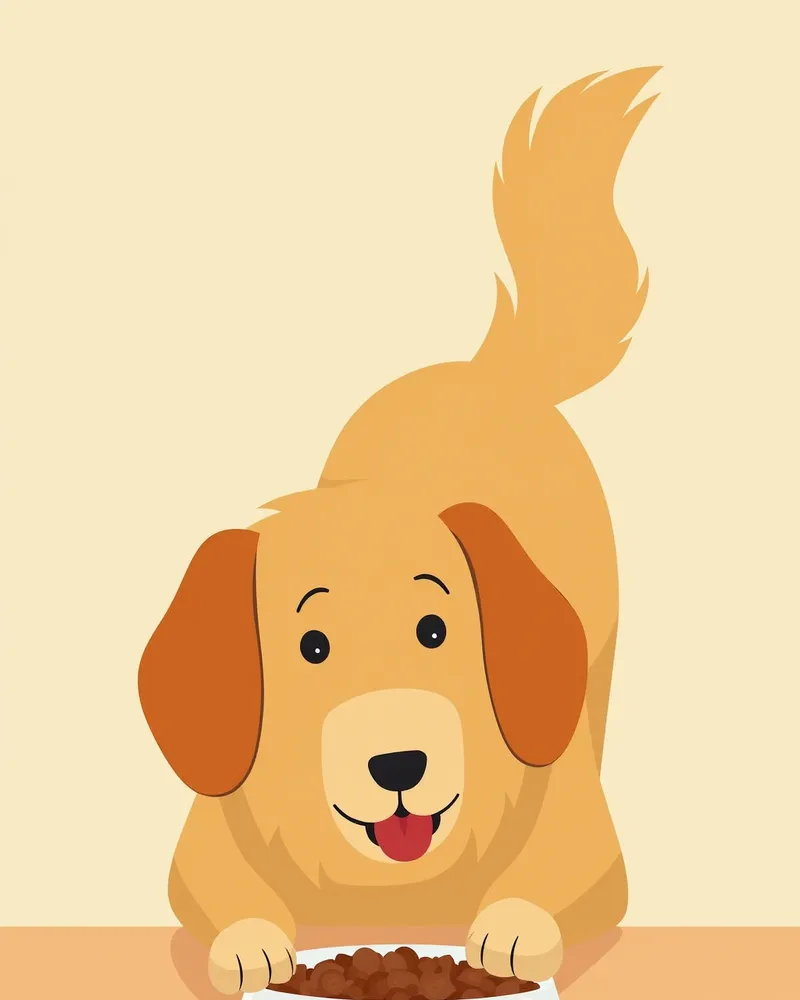
A puppy enjoying a premium low-calorie diet.

BEST 2: High-Fiber Dry Dog Food (Additive-Free)

This dry food is a high-fiber formula made without additives or preservatives. With dietary fiber making up more than 30% of the formula, it can help increase feelings of fullness. It serves as a supportive aid in reducing overeating and promotes healthy bowel movements to help prevent constipation. However, according to veterinary textbooks, the effectiveness of using dietary fiber to induce satiety is not clearly established, so weight loss should not be expected based on fiber content alone. The included high-protein ingredients help prevent muscle loss during weight management. This product is well-suited for the initial stages of weight loss when used alongside controlled portion sizes.
An image highlighting the natural ingredients of a high-fiber, additive-free dry pet food.

BEST 3: Weight Management Treat Set

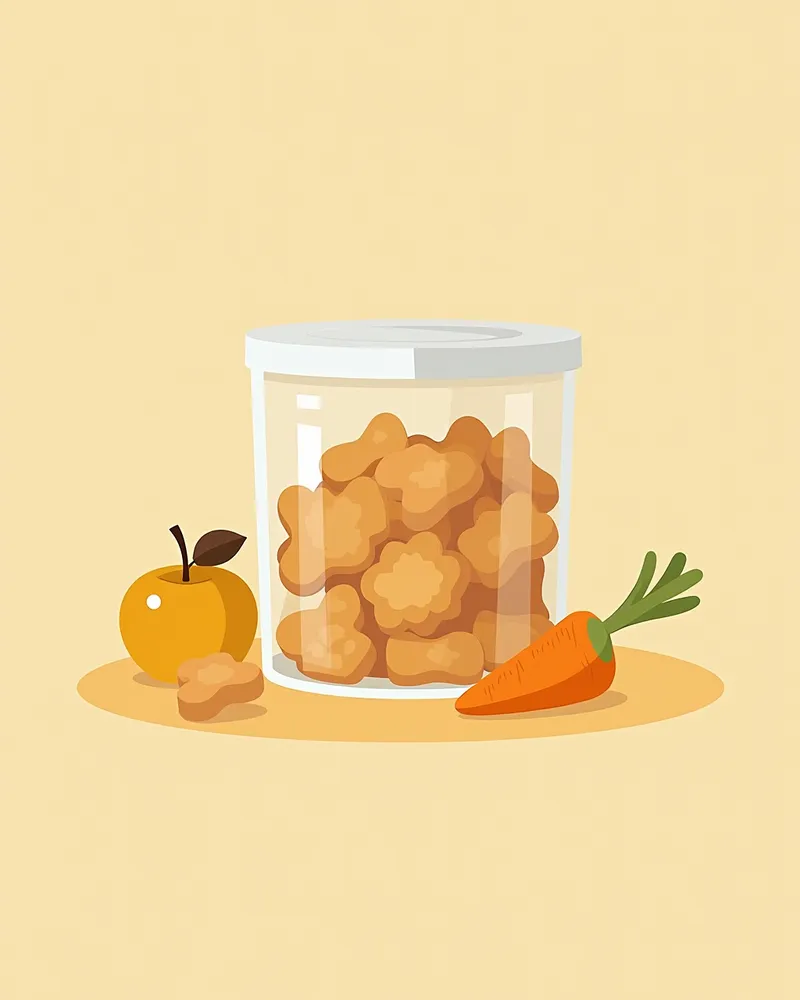
This treat set is composed of low-calorie snacks suitable for dogs managing their weight. Each piece is designed with a low calorie count to serve as an effective training reward, and the main ingredients are natural sources such as chicken breast, carrots, and apples, allowing your dog to enjoy them without concern. Developed based on veterinarian-recommended treat ratios, this product makes it easy to manage your dog’s daily total intake. The delicious taste and appealing texture also help boost your dog’s mood, enhancing training effectiveness.
Low-calorie treat set for puppy weight management

Comparison Table of BEST 1–3 Products

ItemBEST 1: High-Protein Low-Calorie FoodBEST 2: High-Fiber Dry FoodBEST 3: Weight Management Treat Set
Calories per 100gBased on the calorie level recommended by a veterinarianBased on the calorie level recommended by a veterinarianAppropriate calories based on daily intake
Main IngredientsChicken breast, rice, red beans, probioticsCorn, white beans, carrot, appleChicken breast, carrot, apple
Dietary Fiber Content12%30%18%
AdditivesAdditive-freeAdditive-freeAdditive-free
Recommended TimingDuring weight lossEarly stage of weight lossFor training rewards

This comparison is based on weight management criteria recommended by veterinarians. Choose according to your dog's weight and activity level.

Caution: Excessive Weight Loss is Dangerous

It’s safest to reduce your dog’s weight gradually, at a rate of about 1–2% per week. Veterinary textbooks recommend setting a goal of losing 1–2% of body weight each week. Losing weight too quickly can lead to muscle loss or other health issues, so it’s important to have your veterinarian determine the appropriate rate of weight loss and daily food intake. Sudden reductions in food can cause stress, so adjust portions gradually. Weight management requires long-term, consistent care.

Practical Tips for Successful Weight Management

Consistency is key to successful weight management. Keep a weekly record of your dog’s weight and monitor changes in body condition. Set weight loss goals as recommended by your veterinarian, and offer small rewards to help your dog achieve them. We recommend walking your dog at least once a day. During weight loss, start with short, low-intensity walks tailored to your dog’s current fitness level, and gradually increase the exercise amount for safety. Your veterinarian should determine the appropriate food portion based on your dog’s weight, which can then be adjusted according to their activity level. Additionally, avoid sudden reductions in food intake, as this can cause stress; instead, make gradual adjustments.
Walking and tracking habits for managing your dog’s weight

Reviewed by a veterinarian

Dr. Tony — Punnawat Phongkittirak

Dr. Tony — Punnawat Phongkittirak

Veterinarian

A veterinarian who majored in veterinary medicine at Khon Kaen University, Thailand, and completed the IVSA program at North Carolina State University in the United States. Drawing on clinical experience at animal hospitals, he works in the pet healthcare field and is dedicated to building a digital care environment that connects pet parents with veterinarians.

Frequently Asked Questions

How many times a day should I feed my dog if it’s overweight?
You can start with once-daily feeding, with portion control being the key aspect of management. While dividing the daily amount into multiple smaller meals may be beneficial in some cases, it’s important to consult your veterinarian to determine the best approach for your pet’s individual needs.
Can I still give treats while managing my pet's weight?
Yes, low-calorie treats are suitable for training rewards. It's safe to adjust the total daily intake in consultation with your veterinarian.
How much exercise should my pet get while losing weight?
We recommend walking your pet at least once a day. During weight loss, it's safest to gradually increase exercise based on your pet's stamina. Exercise serves as a supportive tool for weight management.
What should I do if my pet’s weight loss is progressing slowly?
Consider adjusting both food intake and exercise levels. Consult with your veterinarian to tailor a weight loss plan.
Do I need to switch my pet’s food to prevent obesity?
If your pet’s weight is within a healthy range, there’s no need to switch foods. Only transition to a specialized diet when weight management becomes necessary.

Share

Related Guides

References

[1] Burkholder WJ. Use of body condition scores in clinical assessment of the provision of optimal nutrition. J Am Vet Med Assoc 2000;217(5):650-4.

[2] The Veterinary Workbook of Small Animal Clinical Cases. The New Puppy Wellness Examination. 2014;244(11):1279-84.

[3] The Dog Care Handbook, Things I Wish My Vet Had Told Me. 2020. Nestlé Purina PetCare Company.

This information is based on veterinary literature and does not replace diagnosis or treatment. Please consult a veterinarian for specific health concerns.

Metapet Co., Ltd. | CEO: Park Sung-yong | Business Reg. No. 417-88-02562 | Seoul, South Korea | Customer Center

Dog Weight & Obesity Prevention: Top Picks & How to Choose | Meongsiljang