
7 Best Products for Managing Seasonal Flank Hair Loss in Dogs, Recommended by Veterinarians — Including Selection Criteria
Seasonal hair loss in dogs (growth hormone-responsive) is a hormone-related condition characterized by recurring shedding during specific seasons. We’ve compiled a guide to effective management products and how to choose the right ones.
What Is Seasonal Hair Loss in Dogs (Growth Hormone-Responsive)?
Key Criteria for Choosing Products to Manage Seasonal Hair Loss in Dogs
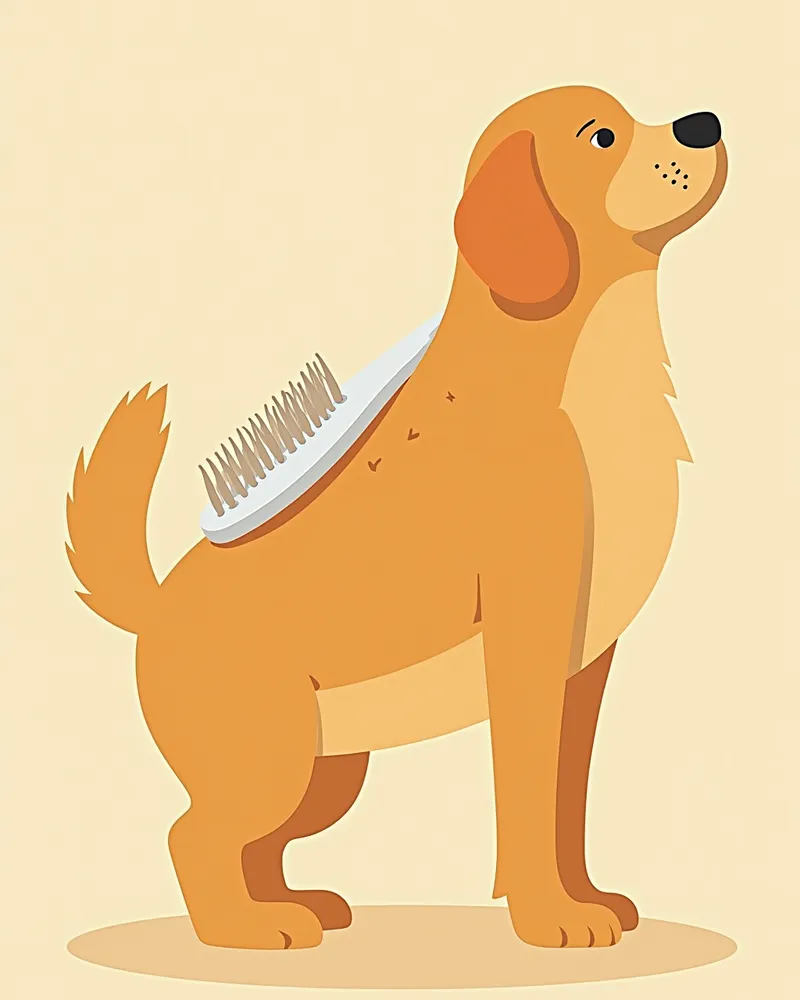
BEST 1: Nutritional Supplement for Hormonal Balance
BEST 2: Hair Care Set for Strengthening the Skin Barrier
BEST 3: Natural-Derived Anti-Inflammatory Brush
Comparison Table of Products BEST 1–3
| Item | BEST 1 Nutritional Supplement | BEST 2 Hair Care Set | BEST 3 Grooming Brush |
|---|---|---|---|
| Main ingredients | Essential fatty acids (omega-3) and other supplementary ingredients | Ceramides, cholesterol, essential fatty acids | Brush made of soft material |
| Frequency of use | According to product instructions | At least once a week (for two months or more) | Short and gentle |
| Expected effect | Aids improvement of skin and coat quality | Aids skin barrier protection | Aids brushing and observation of skin condition |
| Additional benefits | For supplementary nutrition (hormone treatment is prescribed by the veterinarian) | Enables total hair care | Gentle feel of use |
All products are supplementary measures and are recommended for use after consulting a veterinarian. Identifying the cause of hair loss and ruling out other endocrine diseases comes first.
Precautions: Improper Management Can Worsen Symptoms
Seasonal shedding in dogs is often linked to hormonal imbalances, so using products that merely cover the hair or over-brushing can actually irritate the skin. Additionally, administering hormonal supplements without a veterinarian’s diagnosis may lead to adverse side effects. Please consult a professional before starting any treatment.
Usage Tips: Consistency Is Key to Effective Management

Reviewed by a veterinarian

Dr. Tony — Punnawat Phongkittirak
VeterinarianA veterinarian who majored in veterinary medicine at Khon Kaen University, Thailand, and completed the IVSA program at North Carolina State University in the United States. Drawing on clinical experience at animal hospitals, he works in the pet healthcare field and is dedicated to building a digital care environment that connects pet parents with veterinarians.
Reviewed 2026-06-01
Frequently Asked Questions
Can seasonal shedding in dogs be treated?
Can I use this product twice a day?
Will the hair loss fully recover?
Can this product be used on other dogs as well?
Can hair loss recur?
Share
Related Guides
Top 5 Prescription Dog Foods for Diabetes Recommended by Veterinarians — Blood Sugar-Stabilizing Food Comparison
7 Key Products for Managing Feline Hypercalcemia Recommended by Veterinarians and Selection Criteria
7 Key Points for Canine Thyroid T4 Testing by Veterinarians — From Timing to Result Interpretation
7 Key Tips from Veterinarians for Managing Hormonal Changes After Cat Neutering
7 Key Products for Managing Feline Pituitary Tumors Recommended by Veterinarians and Selection Criteria
Veterinarian-Recommended Top 7 Management Tips for Feline Pheochromocytoma and Selection Criteria
Veterinarian-Recommended Top 7 Management Tips for Feline Neoplasm-Induced Hypoglycemia — Key to Blood Sugar Management
Veterinarian’s Top 7 Picks for Managing Feline Obesity and Insulin Resistance — Key to Weight Loss
7 Best Management Products for Feline Hypoparathyroidism Recommended by Veterinarians — Key to Calcium Supplementation
7 Key Strategies for Managing Feline Hypoglycemia Recommended by Veterinarians — How to Spot Warning Signs
References
[1] Hill, P. (2023). 100 Top Consultations in Small Animal General Practice. Wiley-Blackwell.
[2] BSAVA Manual of Canine and Feline Dermatology, 4th Ed. (2022). BSAVA Publications.
[3] Plumb's Veterinary Drug Handbook, 9th Ed. (2023). Wiley-Blackwell.