Like
Share
멍실장
강아지 폐흡충 관리 추천 BEST와 고르는 기준 총정리

Top 3 Dog Lung Fluke Management Recommendations and Selection Criteria

Infection/ParasitesTop PicksMeongsiljang Veterinary Advisory Board

Dog lung flukes are parasitic infections that can cause inflammation in the lungs. We’ve outlined the key criteria for choosing effective management products and our top three recommendations.

Dog lung flukes are a parasitic infection that causes inflammation in the lungs.

A puppy coughing near the riverbank, in a natural setting
Canine paragonimiasis is a parasitic infection caused by Paragonimus larvae that lodge in the lungs after a dog consumes raw crustaceans such as freshwater crayfish. The parasite uses snails and crayfish as intermediate hosts, and dogs become infected by eating infected crayfish or by preying on animals that have consumed them. Consequently, this condition is often seen in dogs that frequently play near rivers or lakes. In experimentally infected cases, symptoms may be minimal, making early detection difficult. However, as time passes, chronic coughing, decreased exercise tolerance, and weight loss may develop, and if lung cysts rupture, sudden respiratory distress (pneumothorax) can occur. Accurate diagnosis and treatment by a veterinarian are essential, and prevention hinges on preventing the ingestion of raw crayfish and conducting regular check-ups. Early management is crucial to prevent the disease from worsening.

Know-How: Dog Lung Fluke Management

- Effectiveness: Ensure the product contains antiparasitic ingredients effective against both adult and larval stages of lung flukes. - Safety: Opt for products with minimal side effects and dosages that can be adjusted according to your dog’s body weight. - Ease of Administration: Choose a formulation—such as capsules, liquids, or chewable sticks—that suits your dog’s preferences and temperament. - Ingredient Reliability: Prioritize products containing ingredients recommended by veterinarians or validated through clinical studies. - Long-Term Manageability: Select products suitable for repeated administration to help prevent reinfection. By considering these criteria together, you can choose a product that is both safe and effective.
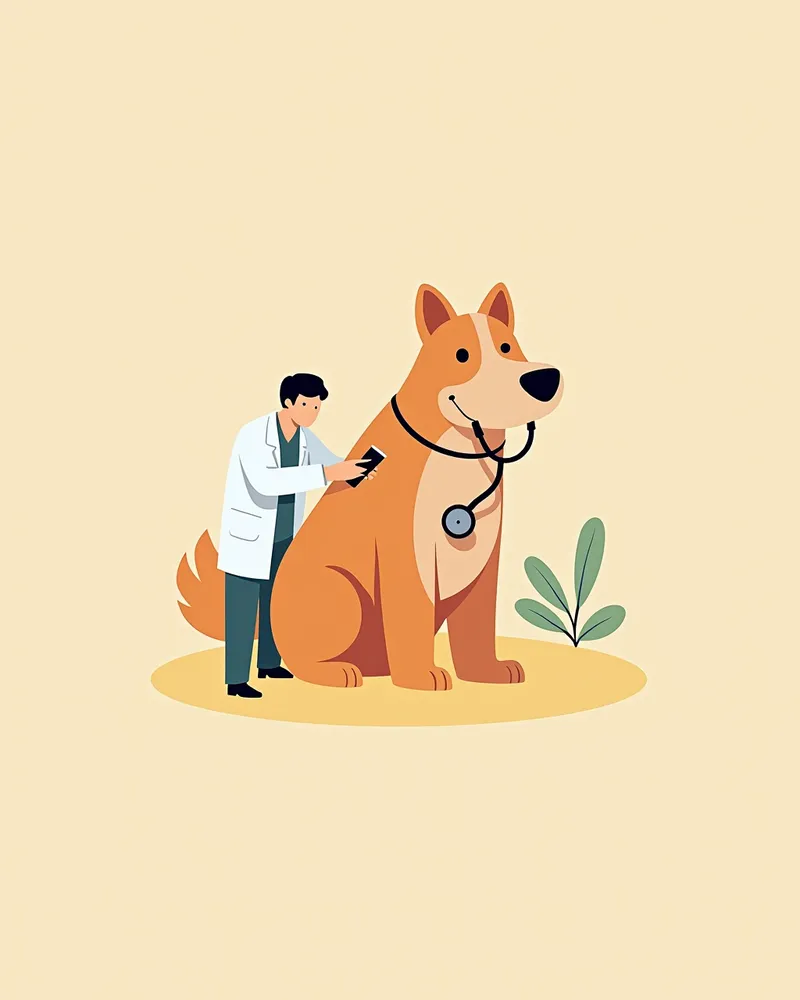
A veterinarian examining a puppy’s lungs during a check-up.

Know-How 1: What is lung fluke infection?

Paragonimiasis, caused by lung flukes (Paragonimus spp.), is a parasitic infection that occurs when larvae migrate to the lungs after a pet consumes raw freshwater crustaceans like crayfish. In experimentally infected animals, many cases are asymptomatic, so early signs may be absent or limited to mild coughing. As the disease progresses, typical symptoms include chronic coughing, exercise intolerance (easy fatigability), and weight loss, with occasional hemoptysis (coughing up blood). If a lung cyst ruptures suddenly, it can cause spontaneous pneumothorax, leading to acute respiratory distress. Because these symptoms are vague and easily confused with other respiratory conditions, it is crucial to seek veterinary care promptly if you suspect an infection.
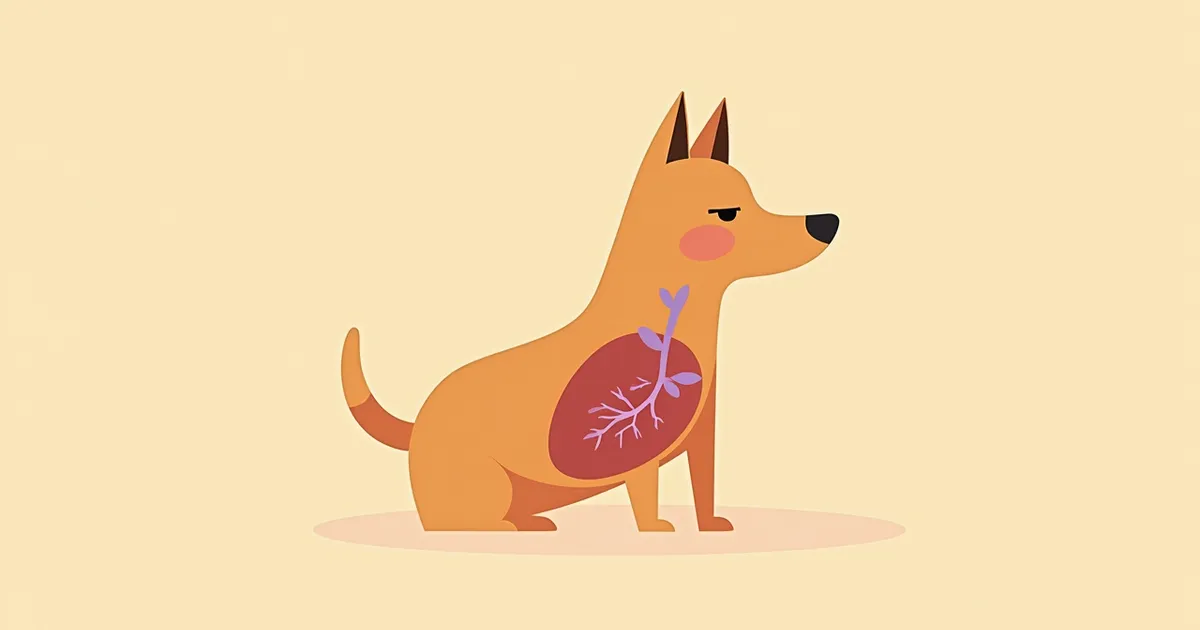
What is lungworm disease? Related guide image

Know-How 2: Diagnosis and treatment options

Diagnosis is made by identifying parasite eggs in a fecal examination or by detecting characteristic lesions, such as thin-walled, multiloculated pulmonary cysts, on a chest X-ray. Additional imaging studies, such as CT scans, may be used as needed to support the diagnosis. Treatment typically involves antiparasitic medications prescribed by a veterinarian, with praziquantel being reported as an effective treatment for canine lung flukes. Other dewormers, such as fenbendazole, may also be used. The duration and dosage of medication are determined by the veterinarian based on the severity of the infection and the dog’s condition. If complications such as pneumothorax due to cyst rupture occur, the treatment plan may need to be adjusted, so accurate diagnosis and prescription by a veterinarian are essential.
Informational image on diagnosis and treatment options

Know-How 3: Management and precautions

During treatment, it’s important to follow your veterinarian’s instructions for regular follow-up exams and to carefully record any changes in symptoms. To prevent reinfection, the most critical step is to strictly avoid feeding your dog raw freshwater seafood, such as crayfish and crabs. It’s also essential to supervise your dog near rivers or lakes to prevent it from catching and eating crayfish. Unverified supplements or home remedies promoted online have not been proven effective and may delay the start of proper treatment. Even after treatment is complete, we recommend confirming full recovery through follow-up fecal tests as advised by your veterinarian. Your veterinarian should make all decisions regarding diagnosis, prescription, and when to conclude treatment.
Image providing guidance on care and precautions

What dog owners should know about dog lung flukes

ItemKey Points
SymptomsChronic cough, exercise intolerance, weight loss, blood-tinged sputum (hemoptysis), respiratory distress if a cyst ruptures
CauseLarval infection from eating raw crustaceans such as freshwater crayfish
DiagnosisFecal egg examination, chest X-ray (CT if needed)
TreatmentAdministration of veterinarian-prescribed antiparasitics (such as praziquantel)
CautionBlock raw seafood, prohibit unverified folk remedies

This is not a table recommending specific products or clinics, but a reference to consult with your veterinarian. Treatment and testing decisions must always be made together with your veterinarian through an examination.

Caution: Side effects may occur with overdose.

When giving your dog a lung fluke management product, it is essential to strictly follow the dosage prescribed by your veterinarian. Overdosing can lead to side effects such as vomiting, diarrhea, and loss of appetite. If you notice any unusual symptoms, stop administering the product immediately and consult your veterinarian.

5 Tips for Managing Dog Lung Flukes

Here are some essential tips for managing lung flukes in dogs. First, when walking near rivers or lakes, keep a close eye on your dog to prevent it from catching and eating live aquatic creatures like crayfish or crabs. Second, it’s important to maintain a consistent deworming schedule as recommended by your veterinarian. Third, if your dog experiences persistent coughing or difficulty exercising, consult your vet immediately. Fourth, store the product away from moisture and direct sunlight. Fifth, carefully monitor your dog’s reaction for 24 hours after administration.
Checklist of Tips for Managing Lungworms in Dogs

Reviewed by a veterinarian

Dr. Tony — Punnawat Phongkittirak

Dr. Tony — Punnawat Phongkittirak

Veterinarian

A veterinarian who majored in veterinary medicine at Khon Kaen University, Thailand, and completed the IVSA program at North Carolina State University in the United States. Drawing on clinical experience at animal hospitals, he works in the pet healthcare field and is dedicated to building a digital care environment that connects pet parents with veterinarians.

Frequently Asked Questions

How do dogs get infected with lungworms?
Dogs can become infected with lungworm larvae if they eat raw freshwater crustaceans like crayfish. They can also get infected by consuming other animals that have eaten crayfish, so it's important to be cautious during outdoor activities near rivers or lakes.
Could a cough be a sign of lungworm infection?
Coughing can be a hallmark symptom of lung fluke infection, but it may also occur with other respiratory conditions. A definitive diagnosis requires an examination by a veterinarian.
When should I administer preventive medication?
The most reliable way to prevent lungworm infection in dogs is to prevent them from consuming raw seafood such as raw crabs and mud crabs, rather than relying solely on scheduled preventive medications. Follow the deworming schedule recommended by your veterinarian, tailored to your dog’s individual health status.
Are natural-origin products effective?
Products with naturally derived ingredients may have fewer side effects, but their direct efficacy in treating lung flukes or restoring lung function has not been confirmed. Always consult your veterinarian before use.
Is reinfection possible after treatment?
Yes, continuous exposure to the environment can lead to reinfection. It is important to prevent the consumption of raw seafood, manage the environment properly, and follow the veterinarian's recommendations for care.

Share

Related Guides

References

[1] Hahn, K.A. and McEntee, M.F. (1998). Prognosis factors for survival in cats after removal of a primary lung tumor: 21 cases (1979–1994). Vet. Surg. 27: 307–311.

[2] Lisciandro, G.R., Fulton, R.M., Fosgate, G.T., and Mann, K.A. (2017). Frequency and number of B-lines using a regionally based lung ultrasound examination in cats with radiographically normal lungs compared to cats with left-sided congestive heart failure. J. Vet. Intern. Med. 14: 534–541.

[3] Plumb's Veterinary Drug Handbook, 9th Edition. Wiley-Blackwell, 2022.

This information is based on veterinary literature and does not replace diagnosis or treatment. Please consult a veterinarian for specific health concerns.

Metapet Co., Ltd. | CEO: Park Sung-yong | Business Reg. No. 417-88-02562 | Seoul, South Korea | Customer Center

Top 3 Dog Lung Fluke Management Products & How to Choose | Meongsiljang