Like
Share
멍실장
강아지 광견병 예방접종 관리 추천 BEST와 고르는 기준 총정리

Top Recommendations and Selection Criteria for Dog Rabies Vaccination Management

Lifestyle & Age CareTop PicksMeongsiljang Veterinary Advisory Board

Rabies vaccination for dogs is both a legal requirement and a crucial preventive measure to protect their lives. It’s important to follow the correct vaccination schedule and choose the right vaccine.

Dog Rabies Vaccination is an Essential Measure to Protect Life
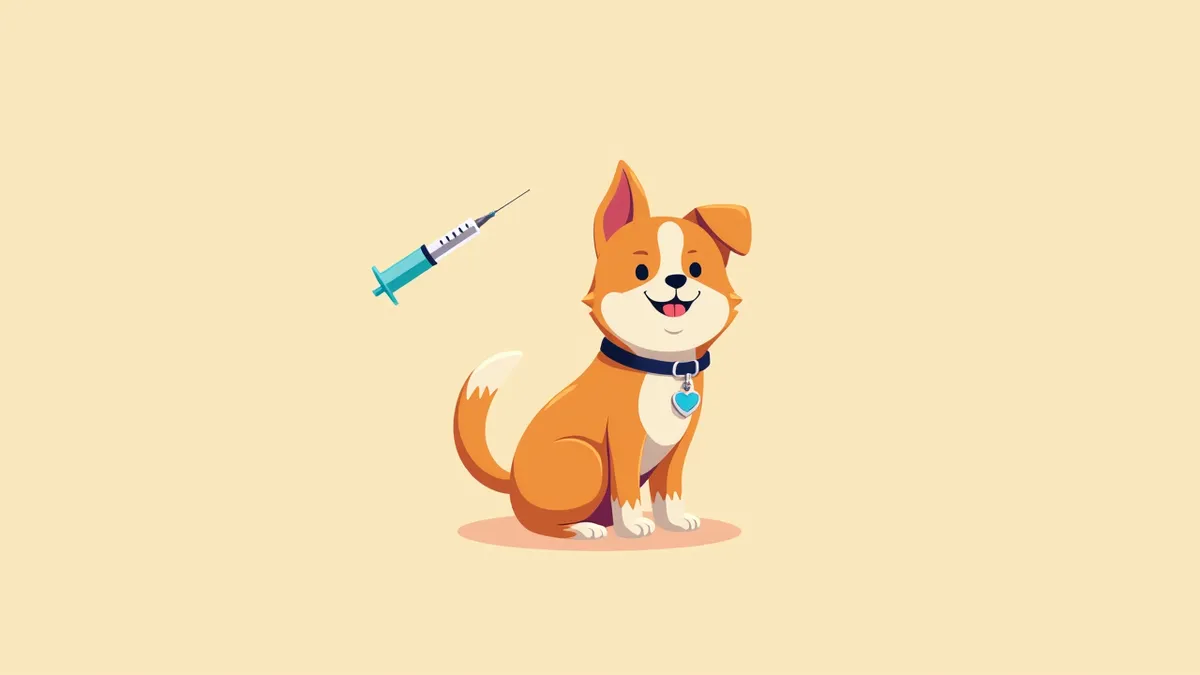
A puppy receiving its rabies vaccination under the care of a veterinarian.
Rabies vaccination for dogs is a crucial preventive measure that is legally mandatory in many countries. Rabies is a fatal zoonotic viral disease affecting both humans and animals, and once clinical signs appear, there is no effective treatment. Therefore, early vaccination is essential, serving as both a guardian’s responsibility and the first step in safeguarding your pet’s health. - Classification: The rabies vaccine is classified as a core vaccine, recommended for all dogs regardless of their living environment. - Vaccination Timing: The initial vaccination is typically administered after 12 weeks of age. - Adverse Reactions: While mild fever or local reactions may occur after vaccination, serious adverse reactions are relatively rare. - Vaccination Schedule: A tailored vaccination plan should be developed in consultation with your veterinarian, taking into account local regulations and your dog’s individual health status. Collaborating closely with your veterinarian is the safest approach.

Key Criteria to Check When Choosing a Dog Rabies Vaccine
When choosing a rabies vaccine, it’s important to carefully consider safety, efficacy, vaccination schedule, and the risk of side effects. - Safety: It’s important to choose a product with generally few side effects and a stable immune response. - Efficacy: The vaccine should maintain effective immunity for a certain period and effectively reduce the risk of infection. - Vaccination Schedule: The appropriate interval should be determined in consultation with a veterinarian, based on local regulations and your dog’s health status. - Side Effect Management: Monitor your dog for 24–72 hours after vaccination. If any abnormal symptoms such as fever, shock, vomiting, or difficulty breathing occur, seek veterinary care immediately. - Veterinarian Recommendation: Choosing a product recommended by a veterinarian is the safest and most effective approach. It’s both a responsibility of the pet owner and the first step in safeguarding your pet’s health.
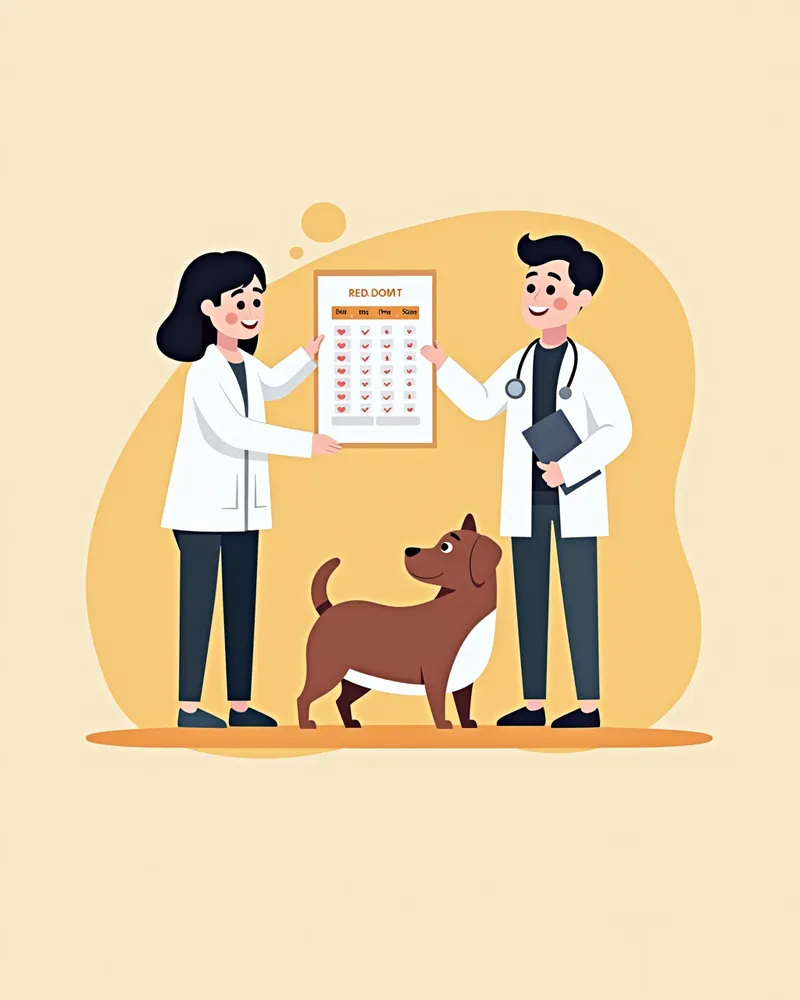
A veterinarian reviews a puppy’s vaccination records while consulting with the pet owner.

BEST 1: Capsule-type Rabies Vaccine (High Safety Profile)
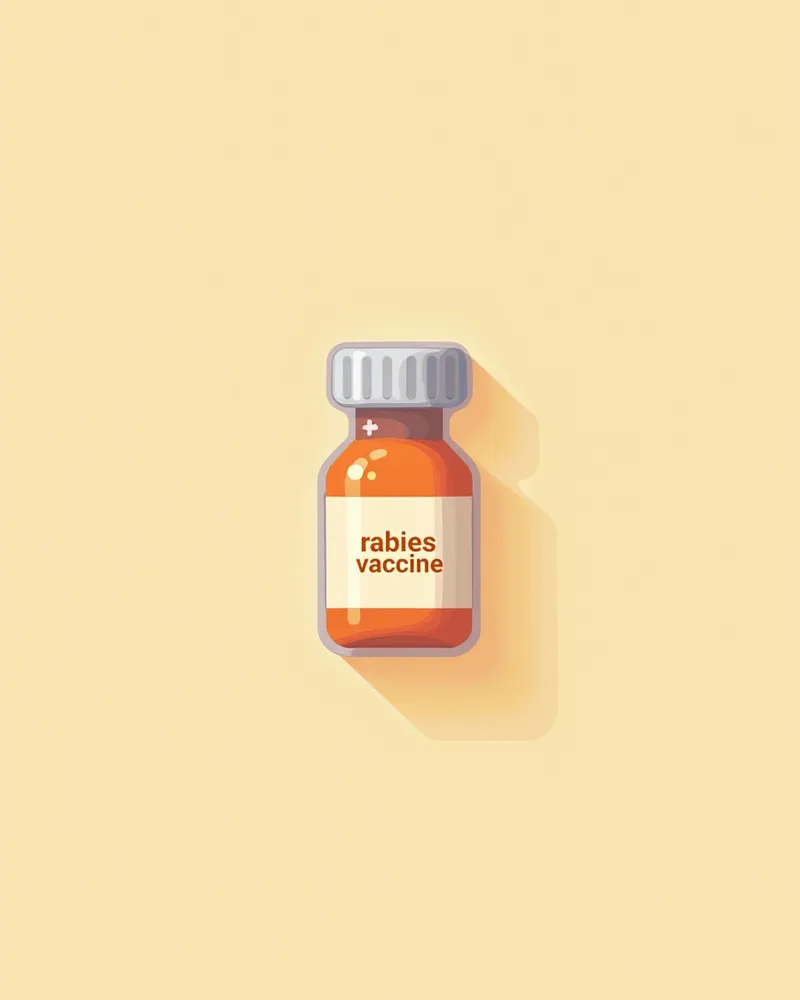
Rabies vaccines include not only inactivated (killed) vaccines but also products developed using recombinant technology. Serious adverse reactions after vaccination are relatively rare, regardless of the vaccine type. - Safety: While serious adverse reactions are uncommon, it’s not accurate to say that no side effects occur in any dog. Adverse reactions are reported more frequently in small-breed dogs. - Efficacy: Depending on the product label, immunity can be maintained for either one or three years. - Vaccination Timing: Vaccination is typically administered after 12 weeks of age and is not recommended for puppies younger than that. - Recommended For: As a core vaccine, it is recommended for all dogs, regardless of their living environment. - Expert Opinion: The safest approach is to consult with a veterinarian to determine which vaccine is most suitable. It’s important for pet owners to discuss options with their vet to make an informed and safe choice.
Recombinant rabies vaccine in capsule form

BEST 2: Whole Inactivated Vaccine (Predictable Post-Vaccination Response)
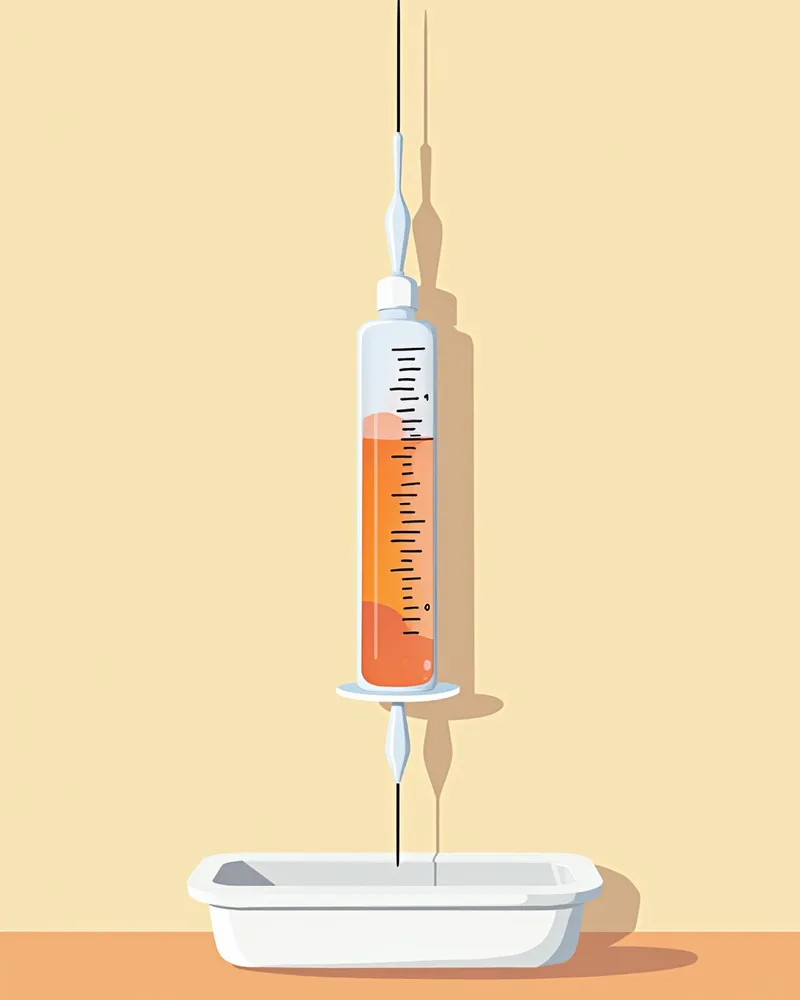
Rabies vaccine responses can be reasonably anticipated and managed after administration. - Safety: Mild fever or local reactions may occur after vaccination. Severe reactions such as shock are rare, but if they do occur, immediate treatment is necessary. - Effectiveness: The vaccine induces an effective immune response, helping to reduce the risk of infection. - Vaccination Schedule: Regular booster shots every one or three years, depending on the product label, help maintain stable immunity. - Why It’s Recommended: As a core vaccine, the rabies vaccine is effective in protecting both pets and people. - Ease of Management: Most adverse reactions appear within three days (72 hours) after vaccination, making monitoring during this period convenient. Consistent care and consultation with a veterinarian are important.
Pre-filled syringe for rabies vaccine

BEST 3: Economy Vaccine (Suitable for Basic Protection)

This vaccine provides basic immunity, meets legal requirements, and delivers a stable immune response. - Safety: Serious adverse reactions are rare beyond common, mild side effects. - Effectiveness: It offers adequate protection against rabies, reducing the burden on pet owners. - Cost-effectiveness: Its excellent value for money makes it suitable for households with limited budgets. - Vaccination schedule: Regular boosters, in accordance with local regulations, ensure sufficient protection. - Veterinarian recommendation: As a standard vaccine recommended by veterinarians, it supports consistent care. It is important for owners to choose based on their budget and circumstances.
Economy rabies vaccine product box

Comparison Table of BEST 1–3 Rabies Vaccines

ItemBEST 1 (Capsule Type)BEST 2 (Fully Inactivated)BEST 3 (Economy Type)
Product TypeRecombinant vaccineKilled vaccineBasic killed vaccine
Risk of Post-Vaccination Side EffectsLowLowModerate
Immunity Duration1 or 3 years (per product label)1 or 3 years (per product label)1 year (per legal requirements)
Recommended ForAnimals needing regular managementAnimals needing regular managementHouseholds with budget constraints
Price LevelHighMediumLow

The rabies vaccine is administered after 12 weeks of age, and a customized selection is needed after consulting your veterinarian. Only products that meet legal requirements can be used.

Caution: Immediate Veterinary Visit Required for Adverse Reactions After Rabies Vaccination

If your dog develops symptoms such as fever, shock, difficulty breathing, vomiting, or seizures within 24 hours of vaccination, seek veterinary care immediately, as these may indicate a life-threatening reaction. Monitor your dog closely for 72 hours after vaccination.

Rabies Vaccination Usage Tips and Management Methods

Be sure to inform your veterinarian about your puppy’s health status before vaccination. After vaccination, limit your puppy’s activity for 24 to 72 hours and monitor their food intake and behavior for any changes. - Record Keeping: Always keep vaccination records and set reminders for the next scheduled vaccination. - Monitoring for Symptoms: If abnormal symptoms such as fever, shock, vomiting, or seizures occur, seek immediate veterinary care. - Regular Consultations: Regular check-ins with your veterinarian will help assess your pet’s health and adjust the vaccination plan as needed. - Owner Responsibility: Post-vaccination care is the owner’s responsibility and a key factor in ensuring your pet’s safety.
Receive smartphone alerts to keep track of when your pet is due for rabies vaccinations.

Reviewed by a veterinarian

Dr. Tony — Punnawat Phongkittirak

Dr. Tony — Punnawat Phongkittirak

Veterinarian

A veterinarian who majored in veterinary medicine at Khon Kaen University, Thailand, and completed the IVSA program at North Carolina State University in the United States. Drawing on clinical experience at animal hospitals, he works in the pet healthcare field and is dedicated to building a digital care environment that connects pet parents with veterinarians.

Frequently Asked Questions

When should I get my pet vaccinated against rabies?
The first vaccination is typically administered after 12 weeks of age, followed by a booster shot within the first year. Thereafter, vaccinations may be given every one or three years, depending on the product label and local regulations. Please follow the schedule recommended by your veterinarian.
What happens if you don’t get a rabies vaccination?
Not only can you face legal penalties, but your dog’s risk of infection also increases. Moreover, some infections can be transmitted to humans. This is an essential preventive measure that must be followed.
How does the rabies vaccine work?
Rabies vaccines typically contain inactivated (killed) virus components, which help train the immune system before actual infection occurs. This prepares the body to mount a rapid immune response if exposed to the live virus.
What should I do if my puppy goes into shock after receiving a rabies vaccination?
You should go to the hospital immediately. The veterinarian will provide emergency treatment and monitor the symptoms. It is essential to observe your pet for 72 hours after vaccination.
Is rabies vaccination only necessary for dogs?
No. Rabies is a serious zoonotic disease that can also be transmitted to humans, making vaccination an essential preventive measure for all dogs. It’s also a crucial step in safeguarding the health and safety of you and your family.

Share

Related Guides

References

This information is based on veterinary literature and does not replace diagnosis or treatment. Please consult a veterinarian for specific health concerns.

Metapet Co., Ltd. | CEO: Park Sung-yong | Business Reg. No. 417-88-02562 | Seoul, South Korea | Customer Center

Best Dog Rabies Vaccination Management & How to Choose | Meongsiljang