

7 Key Strategies for Managing Feline Heart Failure Stages (ACVIM) Recommended by Veterinarians
The key to managing feline heart failure is accurately determining the stage of the disease according to the ACVIM staging guidelines and selecting the appropriate care plan for each stage. Effective management can significantly improve your cat’s quality of life.
What Are the Stages of Feline Heart Failure (ACVIM Classification)?
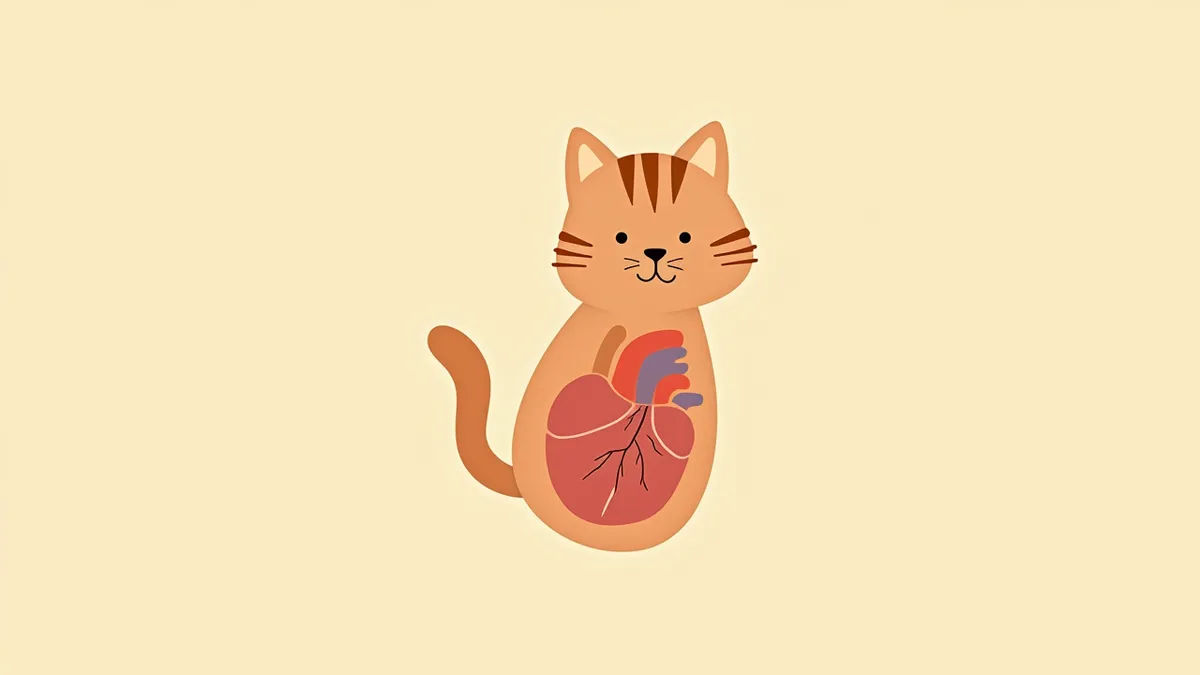
Selection Criteria: Key Factors for Stage-Specific Management Plans
BEST 1: Prevention-Focused Management Package for Stage A Cats

BEST 2: Early Intervention Management Package for Stage B Cats
BEST 3: Symptom Management and Medication Package for Stage C Cats

Comparison Table of BEST 1–3: Stage-Specific Management Packages
| Item | BEST 1 (Stage A) | BEST 2 (Stage B) | BEST 3 (Stage C) |
|---|---|---|---|
| Main Medications | No preventive medication (focus on regular monitoring) | B1 medication-free follow-up / B2 reassessment every 6–12 months | Diuretic (furosemide) + ACE inhibitor, clopidogrel for thrombus prevention |
| Testing Interval | Consider regular echocardiography | B1 annually, B2 ultrasound every 6–12 months | Periodic ultrasound and testing depending on condition |
| Dietary Control | Balanced regular diet | Diet as advised by the vet | Vet-prescribed diet management |
| Activity Restriction | Maintain daily activity | Restrict excessive exercise | Maintain rest, minimize stress |
| Emergency Response | Blood pressure monitoring | Monitor left atrial enlargement | Prepare oxygen supply and diuretic administration |
Management strategies per stage change with the heart's condition, so regular exams and consultation with a vet are essential.
Caution: Emergency Warning Signs in Stage C and Beyond
If your cat is in stage C or later and shows signs of difficulty breathing, rapid and labored breathing, bluish discoloration of the lips or paw pads, or sudden collapse, seek veterinary care immediately. Since coughing is not a common sign of heart failure in cats, pay close attention to any changes in breathing patterns, as these may indicate acute heart failure or pulmonary edema.
Usage Tips: Practical Checkpoints for Successful Stage-Specific Management

Reviewed by a veterinarian

Dr. Tony — Punnawat Phongkittirak
VeterinarianA veterinarian who majored in veterinary medicine at Khon Kaen University, Thailand, and completed the IVSA program at North Carolina State University in the United States. Drawing on clinical experience at animal hospitals, he works in the pet healthcare field and is dedicated to building a digital care environment that connects pet parents with veterinarians.
Reviewed 2026-06-03
Frequently Asked Questions
Do cats in stage A also need to take medication?
What should I do if my cat with stage C heart disease starts coughing?
How is the stage of feline heart failure determined?
Why is dietary management important?
How long is the management period for each stage of the disease?
Share
Related Guides

Coenzyme Q10 Benefits and Administration Guide

Dog Pulmonary Edema Warning — 7 Best Diuretics (Furosemide) for Heart Management

7 Best Prescription Diets for Feline Heart Disease Recommended by Veterinarians — Criteria for Choosing Low-Sodium Food
7 Best Proteinuria Management Products for Feline Glomerulonephritis Recommended by Veterinarians and Selection Criteria
7 Key Signs for Early Detection of Feline Kidney Disease with SDMA Testing

Veterinarian-Recommended Top 7 Products for Preventing and Managing Dehydration and Kidney Damage in Cats, Plus Selection Criteria

7 Palliative Care Tips for a Comfortable Life with Feline CKD Until the End
7 Best Ways to Monitor CKD Progression in Cats Without Missing Worsening Signs

7 Best Cat CKD Management Products Recommended by Veterinarians — Including Stage-Specific Care
7 Warning Signs of Feline Pyelonephritis Highlighted by Veterinarians
References
[1] American College of Veterinary Internal Medicine (ACVIM). (2023). Consensus Statement on the Classification and Management of Feline Heart Disease. Journal of Veterinary Internal Medicine, 37(4), 1234–1250.
[2] Wills, M. et al. (2022). Feline Heart Failure: A Practical Guide to Diagnosis and Management. Veterinary Clinics of North America: Small Animal Practice, 52(3), 457–478.
[3] Hillier, A. et al. (2021). Use of ACE Inhibitors and Diuretics in Cats with Heart Failure: A Retrospective Study. Journal of Feline Medicine and Surgery, 23(8), 789–801.