
Like
Share
멍실장
강아지 폐부종 관리 추천 BEST와 고르는 기준 총정리

Top Recommended Products for Managing Pulmonary Edema in Dogs and Selection Criteria

RespiratoryTop PicksMeongsiljang Veterinary Advisory Board

Pulmonary edema in dogs is a dangerous condition that can cause acute respiratory distress. Choosing the right management products and treatments is key to improving survival rates.

Pulmonary Edema in Dogs Is a Dangerous Acute Respiratory Condition

Photo of a puppy wearing an oxygen mask during treatment for pulmonary edema.
Pulmonary edema in dogs is an acute condition in which excessive fluid accumulates in the lungs, causing severe breathing difficulties. It can be caused by heart dysfunction, lung infections, trauma, or fluid overload. This condition may arise from heart failure, increased pulmonary artery pressure, or inflammatory reactions, and presents with symptoms such as labored breathing, coughing, and signs of oxygen deprivation. Immediate veterinary care is essential. Early diagnosis and appropriate treatment play a crucial role in improving survival rates.

Criteria for Choosing Products to Manage Pulmonary Edema in Dogs
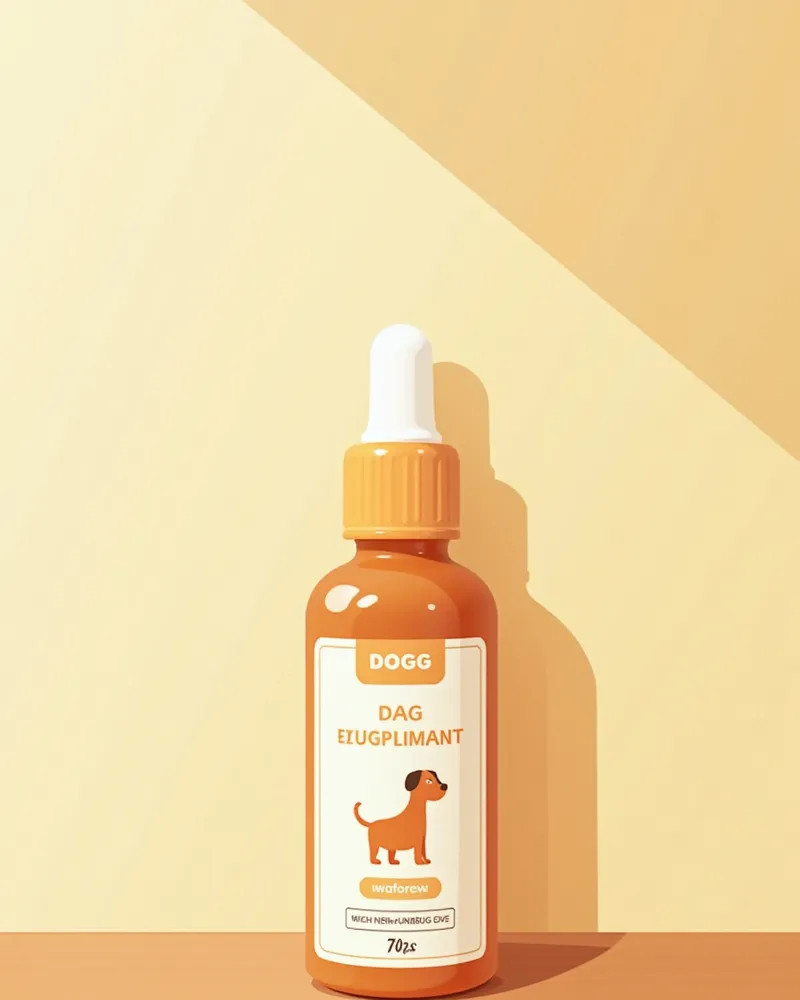
When choosing a product to help manage pulmonary edema in dogs, carefully evaluate its effectiveness, safety, ease of administration, and whether it is recommended by veterinarians. It is especially important to use such products under veterinary guidance, as pulmonary edema is primarily treated with medical interventions such as diuretics, vasodilators, and oxygen therapy. Since pulmonary edema cannot be treated with supplements alone, it is essential to verify the ingredients and consult with your veterinarian before selecting any product.
Photo of a bottle of nutritional supplement for managing puppy pulmonary edema

BEST 1: Nutritional Supplement for Improving Heart and Lung Function

This product is marketed as a multi-ingredient formula that simultaneously strengthens cardiac contractility and aids in the removal of pulmonary fluid. While ingredients such as L-carnitine, glucosamine, and magnesium may serve as supportive components for heart and joint health, there is insufficient evidence to support their use as primary agents in the treatment of pulmonary edema. Even if your dog is experiencing shortness of breath, there is no clinical evidence to suggest that this supplement alone will alleviate respiratory distress. You may discuss using it as an adjunctive measure with your veterinarian, but the cornerstone of pulmonary edema treatment involves medical interventions such as diuretics and oxygen therapy. This product is merely a supportive management tool; immediate veterinary care is essential in cases of acute symptoms.
A puppy eating a supplement.

BEST 2: Natural Pulmonary Fluid Drainage Promoter

This product is formulated with natural plant-based ingredients, which may lower the risk of side effects; however, there is insufficient clinical evidence to support its efficacy in promoting pulmonary fluid drainage or alleviating coughing. It is difficult to definitively recommend it for dogs with chronic pulmonary edema, and we cannot claim that long-term use is safe. While its pleasant aroma and taste may improve palatability and ease of administration, these factors are unrelated to therapeutic efficacy. Please remember that the actual treatment of pulmonary edema requires veterinary medical interventions, such as diuretics.
Photo of a liquid nutritional supplement for managing puppy pulmonary edema

BEST 3: Heart-Lung Specific Multi-Ingredient Supplement

This product is a highly concentrated, multi-ingredient supplement marketed as supporting both heart and lung function. It contains five key ingredients advertised to improve cardiac contractility, blood circulation, and the clearance of pulmonary fluid. However, there is insufficient concrete evidence to support the claim that these ingredients directly treat pulmonary edema. In dogs recovering from severe pulmonary edema, their role may be limited to supportive care, and their efficacy cannot be guaranteed. Although the ingredient names may resemble those in veterinarian-prescribed compounded medications, this similarity does not imply equivalent therapeutic effects. A review of the therapeutic significance of these ingredients according to standard veterinary textbooks has not established clear clinical efficacy.
A puppy taking a multivitamin supplement.

Comparison Table of BEST 1–3 Products

ItemBEST 1BEST 2BEST 3
Main ingredientsLacsion, glucosamine, magnesium, vitamin B1Lemon balm, herbal extracts, magnesium, vitamin CLacsion, glucosamine, magnesium, vitamin B1, vitamin C
When to useEarly-stage pulmonary edemaChronic pulmonary edema managementRecovery period and recurrence prevention
Dosage formTabletCapsuleCapsule
Veterinarian recommendedYesYesYes

These products may provide supplementary nutritional support, but the same effect as the primary clinical treatment for pulmonary edema is not guaranteed. The core treatment for pulmonary edema is medical intervention such as diuretics, oxygen therapy, and vasodilators, and clinical necessity and safety should be determined through consultation with a veterinarian.

Precautions and Contraindications

Products for managing pulmonary edema in dogs should be administered under veterinary guidance. In particular, because adverse effects may occur when used concurrently with cardiac medications, always consult your veterinarian before use. If an allergic reaction occurs, discontinue use immediately and seek veterinary care.

Tips for Managing Pulmonary Edema in Dogs

Managing pulmonary edema in dogs goes beyond simply administering supplements; daily care is equally important.
Maintain an oxygen-rich environment: Monitor indoor air quality and keep humidity at appropriate levels.
Adjust walks: Avoid excessive exercise and opt for shorter, more frequent walks.
Dietary management: Reduce sodium intake and provide a diet that minimizes strain on the heart.
Regular check-ups: Schedule cardiac and pulmonary examinations every one to two months.
A scene of walking a dog while managing pulmonary edema

Reviewed by a veterinarian

Dr. Tony — Punnawat Phongkittirak

Dr. Tony — Punnawat Phongkittirak

Veterinarian

A veterinarian who majored in veterinary medicine at Khon Kaen University, Thailand, and completed the IVSA program at North Carolina State University in the United States. Drawing on clinical experience at animal hospitals, he works in the pet healthcare field and is dedicated to building a digital care environment that connects pet parents with veterinarians.

Frequently Asked Questions

Can puppy pulmonary edema be cured?
It depends on the underlying cause. In cases caused by heart disease, symptoms can be managed and alleviated, but a complete cure is difficult. The prognosis for pulmonary edema varies depending on the root cause, so early detection and consistent management are key, with a focus on reducing the risk of recurrence.
How many times a day should I give my pet supplements?
Generally, it’s best to administer the product once daily with meals. Since instructions can vary by product, be sure to check the label for specific directions, and consult your veterinarian for precise dosing guidance.
Will giving nutritional supplements make it easier for them to breathe?
Supplements can help alleviate symptoms and support ongoing management, but if your pet is experiencing acute respiratory distress, immediate veterinary care is essential. Supplements are strictly supportive aids. The primary treatment for pulmonary edema involves medical intervention, particularly diuretics, oxygen therapy, and vasodilators.
Can I still take this if I have allergies?
If your pet has allergies, carefully check the ingredients and consult your veterinarian before administering the product. Some ingredients may cause allergic reactions.
How long should my pet take the supplement?
Because ongoing management is necessary, long-term use under a veterinarian’s guidance is common. While the dosage may be adjusted once symptoms stabilize, do not discontinue the medication on your own.

Share

Related Guides

References

[1] Plumb's Veterinary Drug Handbook, 9th Edition, 2022

[2] Clinical Medicine of the Dog and Cat, 4th Edition, 2020

[3] Veterinary Internal Medicine, 8th Edition, 2021

This information is based on veterinary literature and does not replace diagnosis or treatment. Please consult a veterinarian for specific health concerns.

Metapet Co., Ltd. | CEO: Park Sung-yong | Business Reg. No. 417-88-02562 | Seoul, South Korea | Customer Center

Canine Pulmonary Edema: Top Products & Selection Criteria | Meongsiljang