Like
Share
멍실장
강아지 내부기생충 증상 감별 관리 추천 BEST와 고르는 기준 총정리

The Ultimate Guide to Differentiating Symptoms, Managing Internal Parasites in Dogs, and Choosing the Best Products

Infection/ParasitesTop PicksMeongsiljang Veterinary Advisory Board

Internal parasites in dogs can present with a wide range of symptoms, making them difficult to distinguish. Accurate diagnosis and tailored management are essential.

Accurate Diagnosis is Key to Differentiating Internal Parasite Symptoms in Dogs
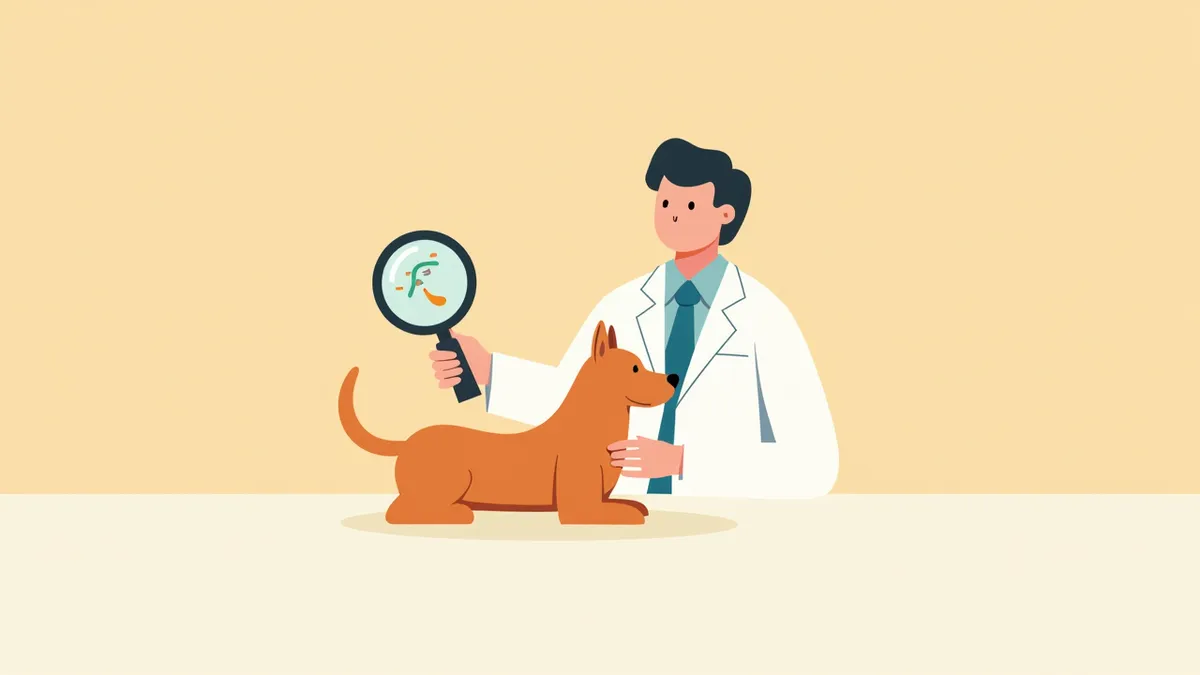
A view of identifying parasite eggs in a dog's stool examination
Internal parasites in dogs are difficult to detect from the outside, but they can cause a variety of symptoms over time, such as diarrhea, vomiting, weight loss, and fatigue. - Accurate diagnosis is essential: A veterinarian’s examination and fecal testing are necessary to accurately identify the type of parasite. Fecal examination, which directly detects parasite eggs or larvae, is the most basic diagnostic method. - Characteristics by parasite type: Nematodes such as roundworms, hookworms, and whipworms live in the intestines, and some parasites can penetrate the intestinal wall, causing damage. Additionally, protozoa like Giardia can cause symptoms similar to colitis. - Timing of treatment is important: Early detection allows for effective treatment with appropriate deworming medications, but if left untreated, the condition can become chronic. - Importance of prevention: Regular administration of preventive medications and proper hygiene management are essential to prevent reinfection. - Long-term management is necessary: Even after symptoms disappear, ongoing management under veterinary guidance is required.

Selection Criteria: Tips for Choosing a Clinic to Differentiate Internal Parasite Symptoms in Dogs

When choosing an internal parasite prevention product for your dog, carefully consider safety, efficacy, ease of use, and age appropriateness. For puppies, it is especially important to select a product with minimal side effects. Consulting your veterinarian is also a great approach.
Safety first: Opt for products with naturally derived ingredients or those that have been scientifically validated in veterinary medicine.
Duration of efficacy: Products that provide protection for one month are convenient for routine care.
Ease of use: Choose the form that suits you best—liquid, capsule, or chewable tablet.
Age-appropriate: Products suitable for use from puppyhood through adulthood offer greater versatility.
A comparison of liquid, capsule, and chewable parasite preventatives

Check 1: Equipped with Appropriate Equipment and Diagnostic Techniques

To accurately identify internal parasites, basic diagnostic tools such as fecal flotation, direct smear, and fecal centrifugation are essential. Please confirm that the clinic is equipped with an optical microscope and has the capability to identify parasite eggs. If a blood-borne parasite like heartworm is suspected, antigen testing equipment is also necessary. Imaging devices such as endoscopes and ultrasound machines can help detect secondary lesions caused by gastrointestinal parasites. Contacting the clinic in advance to verify whether these tests are available can help you avoid unnecessary trips.
We are equipped with proper equipment and examination techniques. Related guide images

Check 2: Properly Guides on Indications for Parasite Testing and Test Procedures

When your dog shows symptoms such as vomiting, diarrhea, weight loss, or abdominal distension, your veterinarian should be able to explain the rationale behind which tests to perform first. A good clinic will provide clear instructions on how to properly collect and store fecal samples, since the freshness of the specimen can significantly affect test results. Also check whether the clinic clearly explains the recommended deworming schedule and when diagnostic testing is advised. Choosing a clinic with systematic guidance on pre-test dietary restrictions, required sample volumes, and other basic procedures will help ensure more accurate test results.
We provide clear guidance on the indications for parasite testing and how to conduct the tests, along with helpful reference images.

Check 3: Veterinarian Personally Interprets Results and Links to Subsequent Management

A veterinarian should personally interpret the test results and clearly explain the type of parasite and the severity of the infection to the pet owner. After diagnosis, the veterinarian must prescribe the appropriate deworming medication, including the dosage schedule and timing for follow-up testing; owners should avoid purchasing medications on their own. It is also important to confirm whether the clinic can perform additional tests or refer to partner hospitals if differential diagnosis is needed to rule out other causes, such as viral or bacterial enteritis. Clinics that have a follow-up care system to confirm complete eradication through post-treatment fecal retesting are trustworthy.
Our veterinarians personally interpret the results and coordinate ongoing care. See the related guide image.

Checklist for Choosing a Clinic to Differentiate Internal Parasite Symptoms in Dogs

ItemRecommended Criteria
EquipmentCheck whether they have fecal flotation, microscopy, and blood antigen testing equipment
Test OperationCheck whether they clearly explain sample collection, storage methods, and pre-test precautions
Reading AbilityThe veterinarian should be able to personally explain the type of eggs and the degree of infection
Result InterpretationCheck whether they coordinate guidance through the differential diagnosis results, deworming prescription, and retest timing
Cost GuidanceCheck whether it is a clinic that transparently discloses the cost of each test item in advance

This is not a table recommending specific products or clinics, but a reference to consult with your veterinarian. Treatment and testing decisions must always be made together with your veterinarian through an examination.

Caution: Side Effects May Occur with Overdose

Parasite prevention isn’t just about medication; it requires consistent daily hygiene practices. Make it a habit to clean up feces promptly and wipe your pet’s paws after going outside. Regular fecal exams are also essential to check for parasites. Working with your veterinarian to create a prevention plan is the safest approach. Clean up feces: Remove feces immediately after your pet goes outside. Wipe paws: Thoroughly clean your pet’s paws after outdoor activities. Regular testing: Have a fecal exam done every three months. Disinfect dishes: Regularly disinfect food and water bowls.

Tips for Managing Internal Parasites in Dogs

Parasite prevention isn’t just about medication; it requires consistent daily care. Make it a habit to promptly clean up feces and wipe your pet’s paws after going outside. Regular fecal exams are also essential to check for parasites. Working with your veterinarian to create a prevention plan is the safest approach.
Clean up feces: Remove feces immediately after your pet goes outside.
Wipe paws: Thoroughly clean your pet’s paws after returning indoors.
Regular testing: Schedule fecal exams every three months.
Disinfect bowls: Regularly disinfect food and water bowls.
Cleaning up your dog’s poop and wiping its paws after going outside

Reviewed by a veterinarian

Dr. Tony — Punnawat Phongkittirak

Dr. Tony — Punnawat Phongkittirak

Veterinarian

A veterinarian who majored in veterinary medicine at Khon Kaen University, Thailand, and completed the IVSA program at North Carolina State University in the United States. Drawing on clinical experience at animal hospitals, he works in the pet healthcare field and is dedicated to building a digital care environment that connects pet parents with veterinarians.

Frequently Asked Questions

When should I start giving my pet parasite preventatives?
Deworming typically begins regularly from an early age. However, the exact start time may vary depending on your puppy’s health and age, so be sure to consult with your veterinarian to determine the best plan.
Could my dog have parasites?
If you notice parasite eggs in your pet’s stool, or if they experience symptoms such as diarrhea, weight loss, or a distended abdomen, it may indicate a parasitic infection. However, some pets show no symptoms at all, which is why regular testing is essential for early detection.
Should I give my pet parasite prevention medication every month?
Most products are administered at one-month intervals. However, the dosing schedule, ingredients, your dog’s age, and health status can vary, so always follow the label instructions and your veterinarian’s advice.
My pet vomited after taking the parasite preventive. Is this normal?
While mild vomiting may be temporary, please consult your veterinarian immediately if the vomiting becomes recurrent or severe. It is also important to double-check that the dosage is appropriate.
Is it normal to see parasites in my pet’s stool after giving deworming medication?
Yes, the presence of dead parasites in your pet's stool can be a sign that the medication is working. However, if this continues or is accompanied by severe symptoms, a visit to the vet is necessary.

Share

Related Guides

References

[1] Notes on Canine Internal Medicine, 4th Ed. (2023). Chapter 6: Gastrointestinal Parasites.

[2] American Veterinary Medical Association. (2022). Canine Parasite Control Guidelines.

[3] Plumb's Veterinary Drug Handbook, 9th Ed. (2023). Antiparasitic Agents Section.

This information is based on veterinary literature and does not replace diagnosis or treatment. Please consult a veterinarian for specific health concerns.

Metapet Co., Ltd. | CEO: Park Sung-yong | Business Reg. No. 417-88-02562 | Seoul, South Korea | Customer Center

Dog Internal Parasites: Symptoms & Best Product Picks | Meongsiljang