Like
Share
멍실장
강아지 단두종 수술 교정 관리 추천 BEST와 고르는 기준 총정리

Best Recommendations and Selection Criteria for Brachycephalic Dog Surgical Correction Management

RespiratoryTop PicksMeongsiljang Veterinary Advisory Board

Brachycephalic dog breeds are prone to serious health issues such as breathing difficulties and sleep apnea, which may require surgical correction. Effective management and choosing the right products are essential for their well-being.

Why is Surgical Correction Necessary for Brachycephalic Dogs?
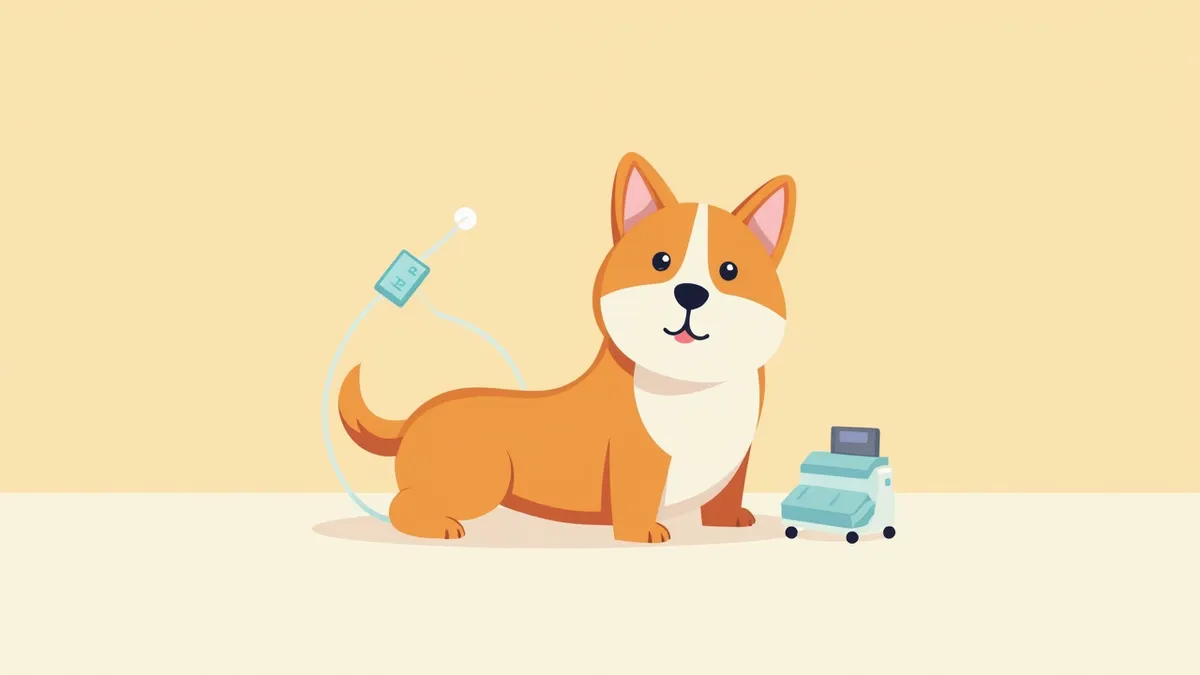
A brachycephalic dog recovering after surgery
Brachycephalic dogs have shortened skulls, but their surrounding soft tissues do not shrink proportionally. This excess tissue, such as an elongated soft palate or narrowed nostrils, can obstruct the airway, increasing resistance to airflow and making breathing difficult. As a result, these dogs are prone to low blood oxygen and elevated carbon dioxide levels, which can place significant stress on their bodies. Symptoms can worsen and lead to severe respiratory distress or acute episodes, particularly in hot environments or during exercise or excessive excitement. Surgical correction, such as widening narrowed nostrils or trimming an elongated soft palate, helps improve airflow and enhance quality of life. Post-surgery, it is crucial to support recovery by following your veterinarian’s instructions for controlled activity and environmental management. For external products that may aid airway expansion, consult your veterinarian to ensure they are appropriate for your dog’s specific condition after surgery.

Note: What to Look for in Brachycephalic Airway Surgery
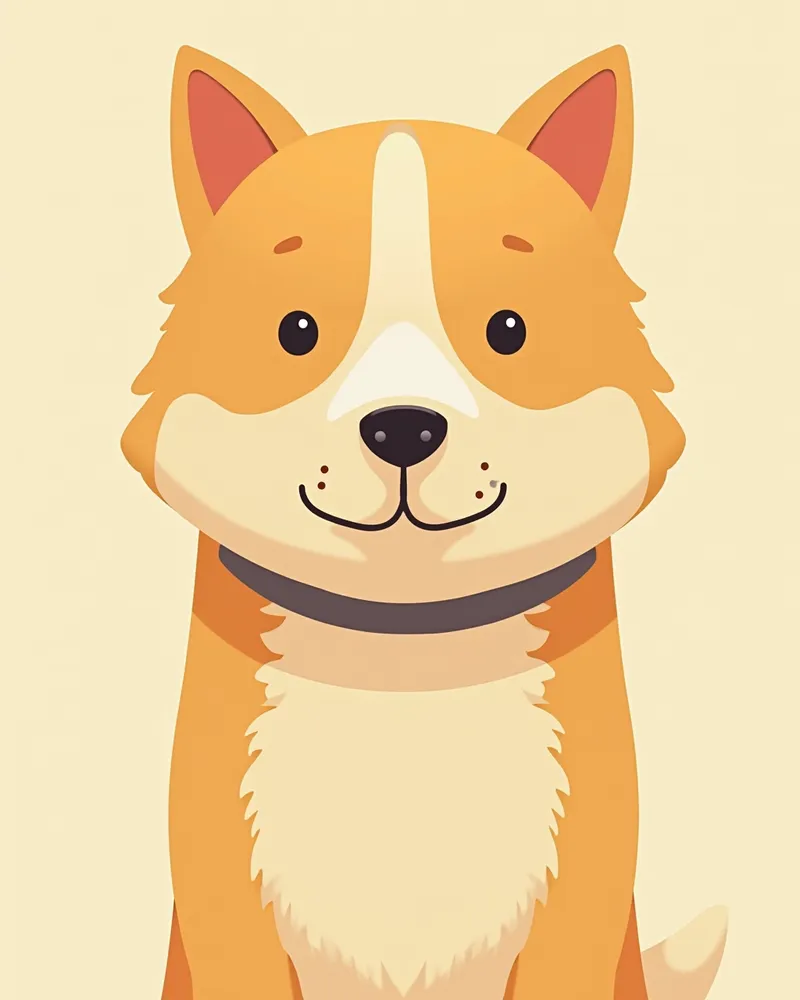
When selecting products or care methods for surgical correction in brachycephalic dogs, it is essential to verify the following criteria, as each directly impacts postoperative recovery and long-term respiratory health. First, the product should have a structural design that aids in airway expansion. A customized design that fits the dog’s facial structure is also important. The material should be non-irritating to the skin and easy to clean, with usability and ease of maintenance taken into account. Finally, choosing products recommended by veterinarians or validated through clinical data ensures safety. However, since effectiveness may vary depending on the individual patient’s condition and surgical outcomes, always consult with a professional.
A puppy wearing a custom-made respiratory support device after surgery

Note 1: What are BOAS and Corrective Surgery?
Brachycephalic Obstructive Airway Syndrome (BOAS) is a condition that makes breathing difficult for short-nosed dog breeds due to narrowed nostrils, an elongated soft palate, and other structural issues in the airway. Corrective surgery improves airflow by widening the nostrils or trimming the elongated soft palate. If your dog snores heavily, pants after minimal exertion, is sensitive to heat, or occasionally makes gagging sounds, BOAS may be the cause. Consult your veterinarian to evaluate the symptoms and anatomical structure and determine whether surgery would be beneficial.
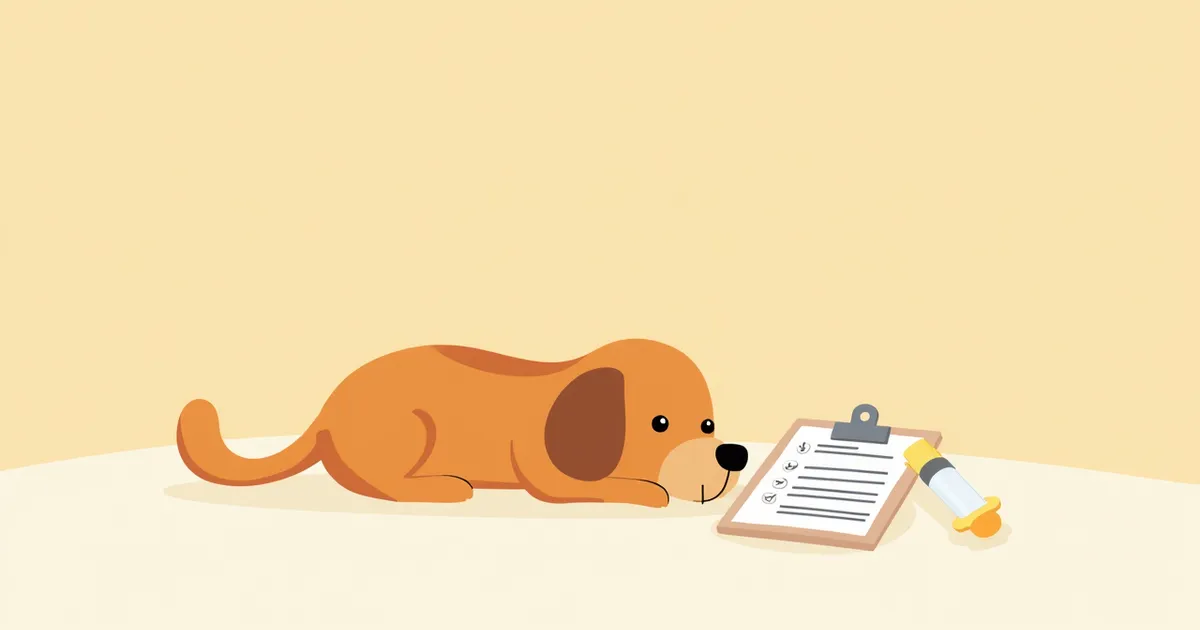
What is BOAS and corrective surgery? Related guide images

Note 2: Evaluation and Timing are Important
As Brachycephalic Obstructive Airway Syndrome (BOAS) progresses, secondary changes can develop in the airway and larynx, making breathing even more difficult. Therefore, if symptoms are present, early evaluation is recommended. Before surgery, the specific problem areas are identified through physical examination and imaging, and the high anesthetic risk inherent to brachycephalic breeds is carefully assessed and prepared for. Obesity can worsen symptoms, so weight management before and after surgery is also important. Frequent monitoring and proper hydration are necessary both before and after the procedure, and it is safest to have the surgery performed at a clinic equipped with these evaluation and anesthetic management capabilities. The benefits and risks of surgery should always be thoroughly discussed with an experienced veterinarian before making a decision.
Timing and proper assessment are key. Please refer to the accompanying guide image.

Note 3: Understanding Surgical Risks and Postoperative/Lifetime Management
Brachycephalic breeds may face higher risks during anesthesia and surgery compared to other breeds, so procedures should be performed cautiously by an experienced team, with close monitoring throughout recovery. Even if breathing improves after surgery, the dog’s inherent anatomy remains unchanged, so lifelong management—including avoiding heat, excessive exercise, and obesity—is essential. If breathing worsens rapidly during excitement or on hot days, it could be an emergency. Consult a veterinarian with expertise in respiratory and surgical care to determine whether surgery is appropriate and the optimal timing.
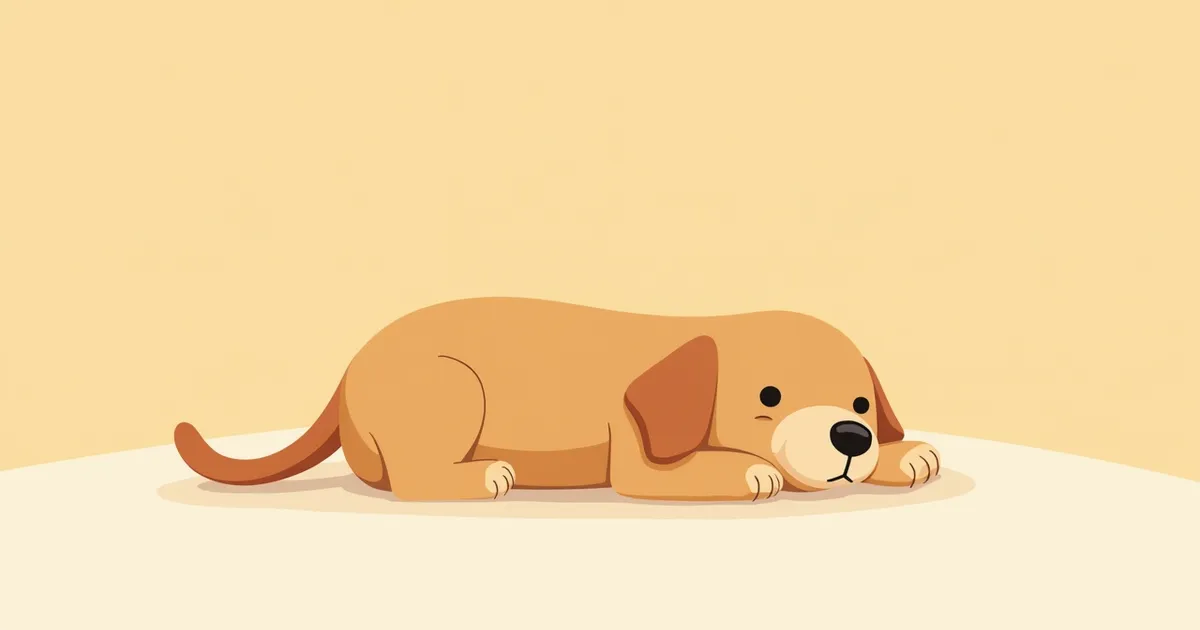
Understand the surgical risks and post-operative/lifetime care. Related guide image

Key Points to Know About Brachycephalic Airway Surgery

ItemKey Points
Condition·SurgeryCorrecting narrow nostrils, elongated soft palate, etc. to improve airflow
Warning SignsSevere snoring, panting, weakness in heat, gagging
Evaluation·TimingEarly evaluation if symptoms are present, identifying the site and preparing for high anesthesia risk
Risk·AftercareIncreased anesthesia·surgery risk in brachycephalic breeds, close monitoring of recovery
Lifelong ManagementAvoid heat, excessive exercise, and obesity; watch for emergency respiratory distress

This is not a table recommending specific products or hospitals, but a reference standard for when you consult a veterinarian. Treatment and testing decisions must be made together with a veterinarian through examination.

Caution: Excessive Activity is Prohibited After Surgery

For two weeks after surgery, it’s important to keep your dog’s activity to a minimum. Excessive exercise or running can strain the airway and delay recovery. Walks should be short and only in quiet environments, and always use a short leash. It’s safest to avoid going outside during the first week post-surgery. Be sure to follow your veterinarian’s instructions carefully.

5 Postoperative Care Tips
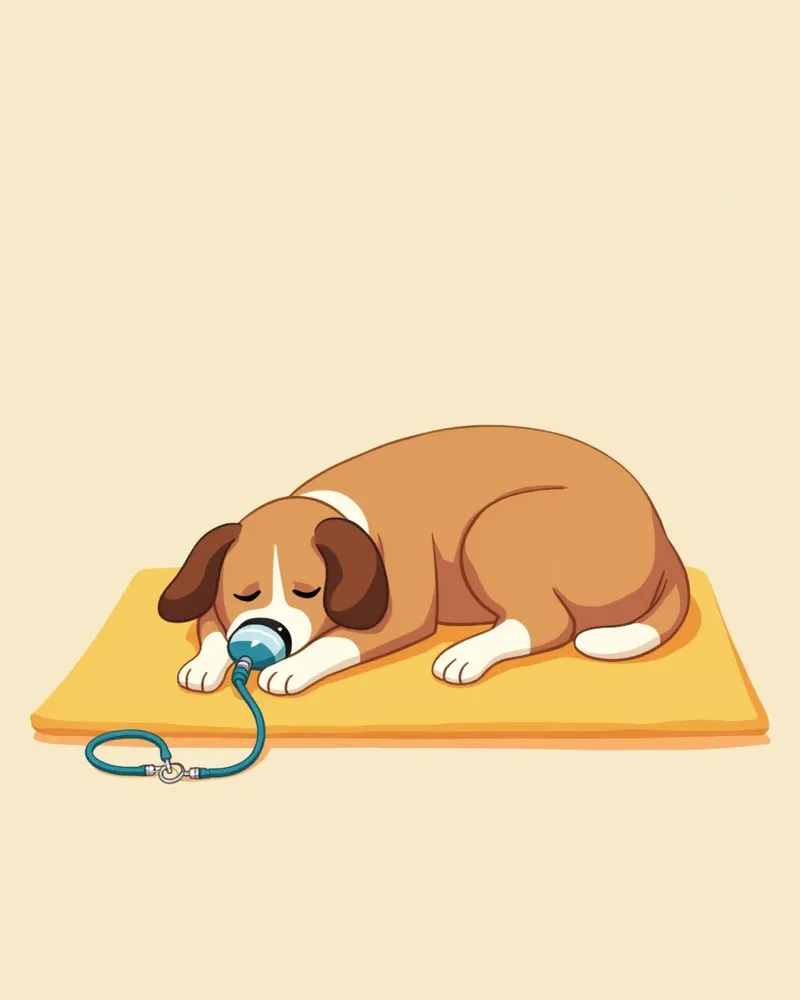
There are essential tips to follow to help your dog recover after surgery. First, follow your veterinarian’s instructions regarding postoperative fasting and when to reintroduce food and water, allowing for a gradual recovery tailored to your pet’s condition. Second, consistently monitor your dog’s airway status according to the schedule provided by your veterinarian. Third, check daily for any skin irritation when using prescribed products. Fourth, adhere strictly to your veterinarian’s guidance on postoperative medication and follow-up appointments, and seek early consultation if needed. Fifth, maintain an environment that is neither too dry nor too humid, and keep your dog in a low-dust space. These tips help speed up recovery and reduce the risk of complications. However, since each guideline may vary depending on the patient’s condition, it is essential to consult with your veterinarian.
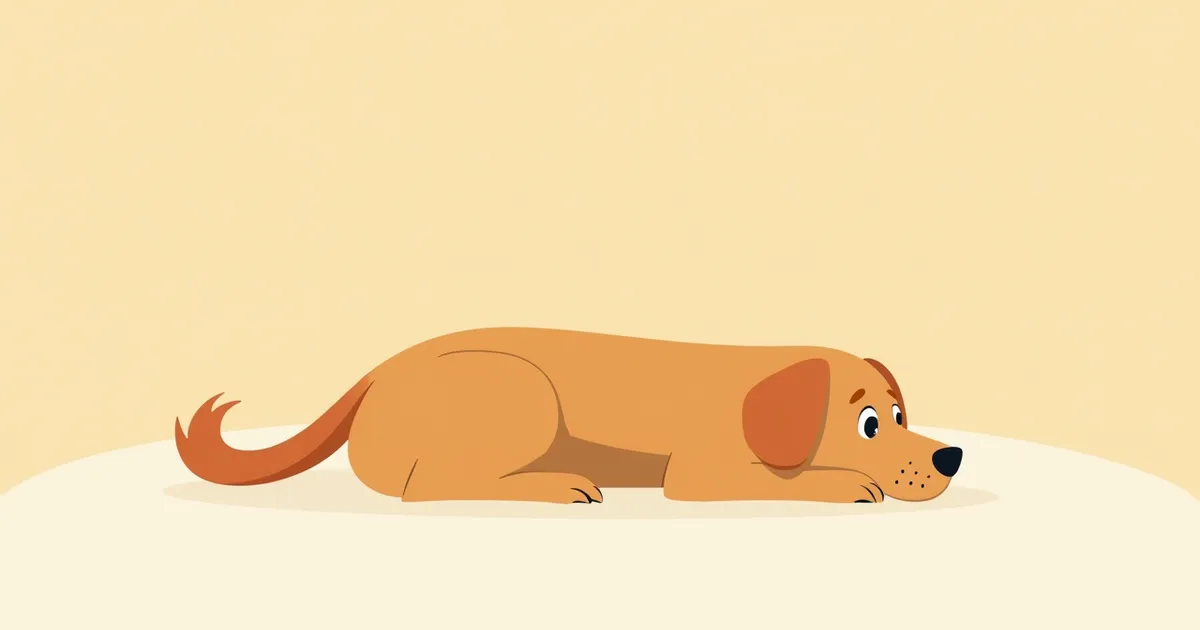
A puppy resting comfortably after surgery

Reviewed by a veterinarian

Dr. Tony — Punnawat Phongkittirak

Dr. Tony — Punnawat Phongkittirak

Veterinarian

A veterinarian who majored in veterinary medicine at Khon Kaen University, Thailand, and completed the IVSA program at North Carolina State University in the United States. Drawing on clinical experience at animal hospitals, he works in the pet healthcare field and is dedicated to building a digital care environment that connects pet parents with veterinarians.

Frequently Asked Questions

When should I start using the product after surgery?
Start using the product only after 24 hours have passed since surgery and you’ve received your veterinarian’s approval. Begin with short periods of wear and gradually increase the duration for safety. While using the product, continuously monitor your pet for any skin reactions or changes in breathing, and adjust usage according to your veterinarian’s instructions.
Will my dog feel uncomfortable wearing the product?
This product features a veterinarian-recommended, custom design that minimizes skin irritation and offers superior comfort. While there may be a brief adjustment period at first, most dogs adapt within one to two days. However, if you notice worsened breathing or signs of anxiety after putting the product on, remove it immediately and consult your veterinarian.
Do I need to bring my pet back to the clinic within a week after surgery?
Yes, a follow-up visit with your veterinarian is recommended within seven days after surgery. This check-up is essential to assess the condition of the airway, evaluate the extent of recovery, and monitor for any adverse effects. Delaying this visit increases the risk of complications. That said, medication guidance and the follow-up schedule can be adjusted in consultation with your veterinarian based on your pet’s individual recovery progress.
What should I be careful about when cleaning the product?
Use a neutral detergent and avoid hot water. After washing, make sure the item is completely dry before putting it on your pet. Moisture left behind can lead to dermatitis, so it’s safest to air-dry it thoroughly after cleaning.
What should I do if my pet’s breathing worsens again after surgery?
Contact your veterinarian immediately. Difficulty breathing, a bluish discoloration of the mouth, or severe coughing may indicate an emergency requiring a visit to the clinic. Prompt action is especially critical if breathing worsens in hot conditions or during excitement.

Share

Related Guides

References

[1] Fossum TW. Preoperative and intraoperative care of the surgical patient. In: Fossum TW, Duprey LP, O’Connor D, editors. Small animal surgery. 3rd ed. Boston, MA: Elsevier; 2007.

[2] Hosgood G, Scholl DT. Evaluation of age as a risk factor for perianesthetic morbidity and mortality in the dog. J Vet Emerg Crit Care. 1998;8(3):222-36.

[3] The Dog Care Handbook, Things I Wish My Vet Had Told Me. 2020. 280th ed.

This information is based on veterinary literature and does not replace diagnosis or treatment. Please consult a veterinarian for specific health concerns.

Metapet Co., Ltd. | CEO: Park Sung-yong | Business Reg. No. 417-88-02562 | Seoul, South Korea | Customer Center

Best Care Products for Brachycephalic Dog Surgery Recovery | Meongsiljang