
Like
Share
멍실장
강아지 간 질환과 응고 이상 관리 추천 BEST와 고르는 기준 총정리

Veterinarian-Recommended Top 7 for Managing Canine Liver Disease and Coagulation Disorders — Criteria for Bleeding Risk Prevention

Liver HealthTop PicksMeongsiljang Veterinary Advisory Board

Early detection and proper management are key to saving lives in dogs with liver disease and coagulation disorders. Tailored supplements and care strategies can help alleviate symptoms and prevent recurrence.

Early Management Is Key for Canine Liver Disease and Coagulation Disorders
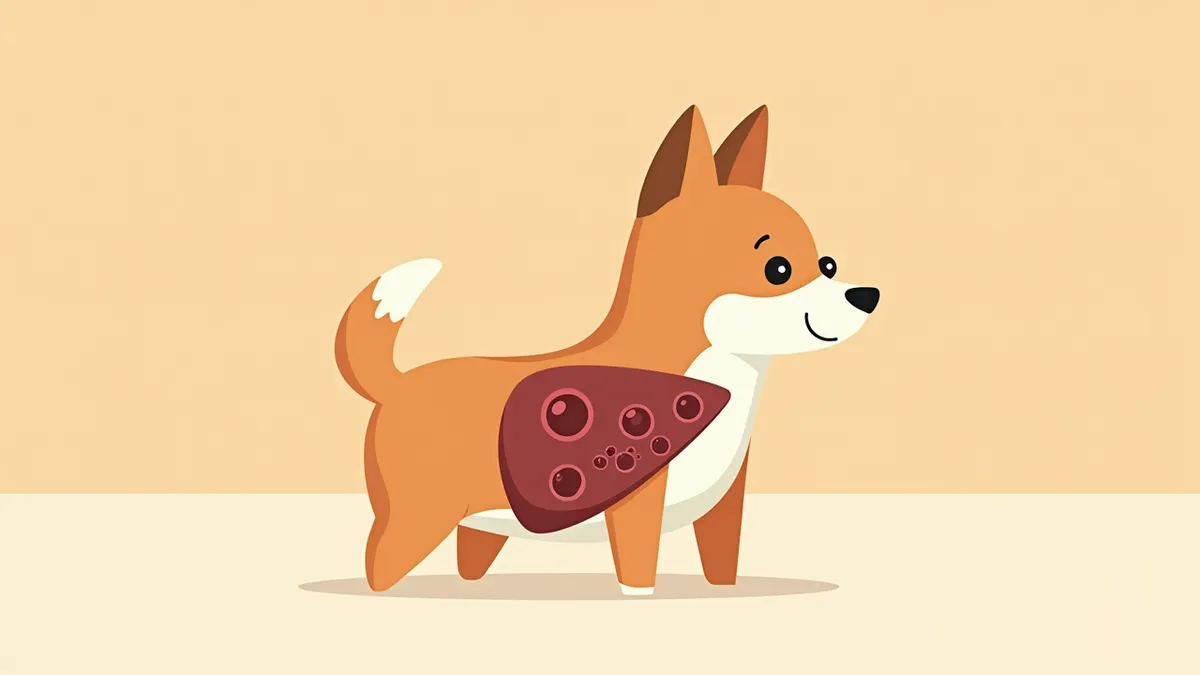
An image showing pathological changes in a dog's liver and coagulation abnormalities
Canine liver disease and coagulation disorders represent a complex condition in which impaired liver function and blood clotting abnormalities occur together. Since the liver produces many clotting factors, severe liver disease can reduce their production and lead to a bleeding tendency. Conversely, advanced liver disease may present with various hemostatic abnormalities, including a hypercoagulable state prone to blood clots. Therefore, rather than assuming a single direction, it is important for a veterinarian to assess the condition through tests such as platelet counts and PT/aPTT. The prognosis is variable, but proper management of the underlying disease can lead to a more favorable outcome. Thus, regular check-ups and appropriate nutritional care are key to management.

Essential Criteria for Managing Canine Liver Disease and Coagulation Disorders

Managing liver disease and coagulation abnormalities in dogs requires a comprehensive approach that considers multiple factors. Because tailored selection based on your veterinarian’s diagnosis is crucial, you should carefully evaluate ingredients, safety, ease of administration, and evidence-based support.
Liver Function Management: Veterinary textbooks emphasize foundational care—such as treating the underlying disease, dietary management, and adequate protein intake—over specific supplementary ingredients. Components like glucosamine and lutein are primarily researched for joint health, and there is insufficient evidence to support their effectiveness in regenerating liver cells.
Coagulation Management: Vitamin K is essential for the proper function of several clotting factors, making it significant in cases of coagulation disorders caused by vitamin K antagonists (such as rat poison poisoning). However, because coagulation abnormalities in liver disease have diverse causes, they cannot be resolved by simple supplementation alone.
Low-Irritation Formulations: To minimize gastrointestinal burden, it is important to choose the most suitable form among powders, liquids, or capsules.
Professional Consultation: It is safer to have your veterinarian determine the appropriate course of action based on test results rather than administering supplements arbitrarily.
Avoid Overconsumption: Excessive administration can place additional strain on the body, so it is essential to adhere to recommended dosages.
A veterinarian analyzes the results of a liver function test and considers recommending a supplement.

BEST 1: Premium Supplement for Simultaneous Liver and Coagulation Care

This supplement is marketed as being formulated to support both liver health and blood clotting management. - Liver-related ingredients: Although glucosamine and lutein are listed, these are primarily studied for joint health, and their efficacy in regenerating liver cells has not been proven. Managing liver health should prioritize treating the underlying cause and proper diet. - Clotting-related ingredients: Vitamin K is a nutrient essential for the production of clotting factors. While it can help with clotting disorders caused by vitamin K antagonists, not all liver-related clotting abnormalities can be corrected by vitamin K alone. - Limitations of supplements: Remember that supplements are supportive aids, not treatments. - Ease of administration: The powder form mixes easily into meals, allowing dogs to consume it naturally. - Usage guidelines: Whether to administer long-term and the appropriate dosage should be determined in consultation with a veterinarian based on regular check-ups. It is safest to avoid increasing the dose arbitrarily.
A puppy taking a liver supplement

BEST 2: Low-Irritation Liquid Supplement – Minimizes Gastrointestinal Burden
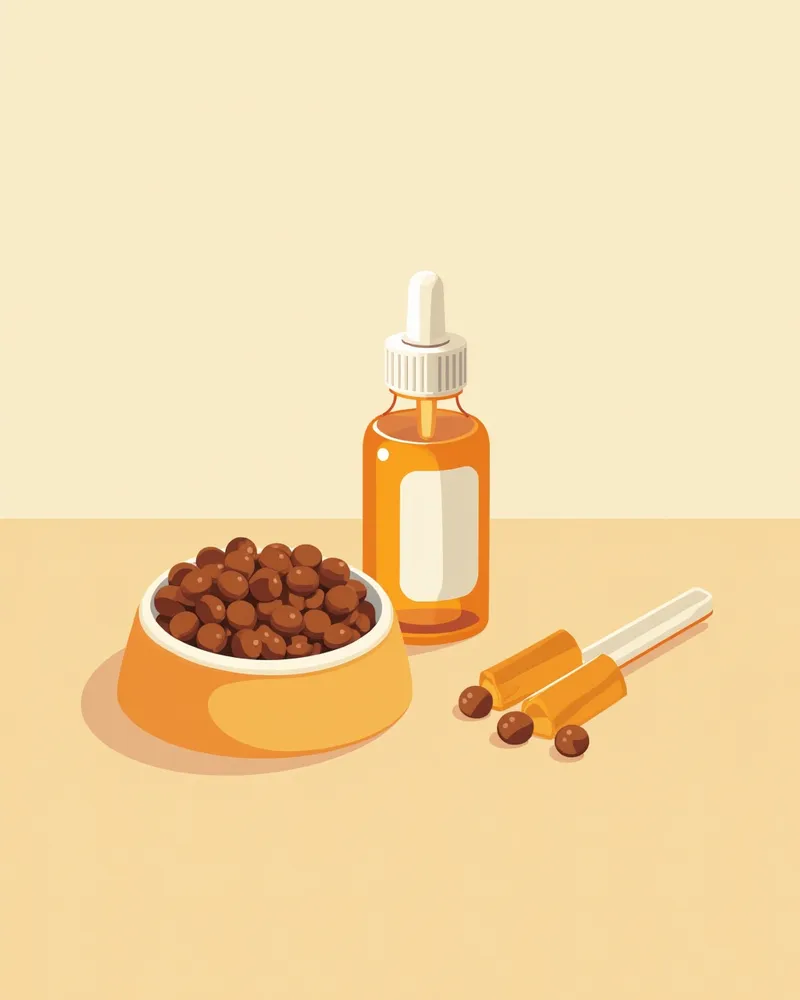
BEST 2: Low-Irritation Liquid Supplement – Minimizes Gastrointestinal Burden This liquid supplement is designed to reduce gastrointestinal stress, making it a good choice for dogs that are difficult to medicate.
Low-Irritation Liquid Formulation: The liquid form is easy to mix with food and may help reduce the burden on dogs with sensitive stomachs. Coagulation-Related Ingredients: Vitamin K is a nutrient necessary for the synthesis of coagulation factors and is significant in cases of coagulopathy caused by vitamin K antagonists. However, coagulation abnormalities associated with liver disease have diverse causes, so supplementation alone is not sufficient to ensure safety. Liver-Related Ingredients: Although labeled as containing glucosamine and amino acids, glucosamine is primarily studied for joint health, and there is insufficient evidence to support its efficacy in liver regeneration. Ease of Administration: The product is generally well-accepted, making it easier to administer consistently. Usage Principles: Supplements do not replace treatment for underlying diseases, and dosages should be determined by a veterinarian based on the dog’s weight and test results.
Liquid liver supplement for dogs and a separate spoon

BEST 3: Cost-Effective and Efficient Powdered Supplement

This powdered supplement offers good value for money and is designed to be easily mixed into meals for consistent, long-term use. - Cost-effectiveness: Its relatively affordable price makes it a low-burden option for long-term management. - Liver-related ingredients: While glucosamine and amino acids are listed, glucosamine is primarily researched as a joint nutrient; there is insufficient evidence to support its effectiveness in protecting or regenerating liver cells. - Coagulation-related ingredients: Vitamin K is an essential nutrient for the synthesis of clotting factors. However, bleeding risks must be evaluated based on the underlying disease and test results, so supplementation alone should not provide a false sense of security. - Ease of use: The small dosage makes it easy to mix into food, and dogs generally accept it well. - Usage guidelines: While suitable for daily care, always consult your veterinarian to confirm safety and appropriate dosage.
Dog liver supplement powder product and spoon

Comparison Table of Products BEST 1–3: Ingredients, Formulation, Price, and Recommended Candidates

ItemBEST 1 PremiumBEST 2 LiquidBEST 3 Powder
Key IngredientsGlucosamine, vitamin K1, saponins, luteinVitamin K1, glucosamine, amino acid blendGlucosamine, vitamin K1, amino acids
FormulationPowderLiquidPowder
Price (per 30 days)About $30About $40About $20
Recommended ForSevere liver damage, long-term managementGastrointestinal sensitivity, difficulty with administrationBudget-conscious, basic management

Prices are averages based on official sellers. Consultation with a veterinarian before choosing is recommended.

Caution: Excessive Intake May Increase Liver Burden

Supplements for managing liver disease and coagulation disorders in dogs can strain the body if given in excess of the recommended dose. In particular, avoid arbitrarily increasing ingredients involved in clotting, such as vitamin K. For safety, let your veterinarian determine the precise dosage based on your dog’s weight and coagulation test results, such as PT and aPTT.

Usage Tips: Practical Tips to Enhance Effectiveness

To get the most out of your pet’s supplement, follow these tips:
Give with meals: Administering the supplement alongside food enhances absorption.
Maintain a consistent schedule: Giving it at the same time every day helps ensure steady effectiveness.
Regular vet check-ups: Have liver function and coagulation tests performed every 1–3 months.
Caution when combining with other medications: Interactions may occur if given with antibiotics or pain relievers, so always inform your veterinarian.
Store in a cool place: Keep the supplement away from direct sunlight and moisture.
A scene for managing your dog’s supplement schedule and check-ups

Reviewed by a veterinarian

Dr. Tony — Punnawat Phongkittirak

Dr. Tony — Punnawat Phongkittirak

Veterinarian

A veterinarian who majored in veterinary medicine at Khon Kaen University, Thailand, and completed the IVSA program at North Carolina State University in the United States. Drawing on clinical experience at animal hospitals, he works in the pet healthcare field and is dedicated to building a digital care environment that connects pet parents with veterinarians.

Frequently Asked Questions

When should I start giving the supplement?
If your veterinarian diagnoses liver dysfunction or a coagulation disorder, start the medication immediately. Early management is crucial, so don’t delay.
Is it safe to give supplements to my pet long-term?
The products recommended by veterinarians are designed to be safe for long-term use. However, regular check-ups are necessary to monitor your pet's condition.
Can I give this supplement alongside other medications?
Because this medication may interact with other drugs, always inform your veterinarian if your pet is taking any other medications.
Will giving supplements help restore liver function?
Supplements are supportive aids that help restore liver function. They are most effective when used alongside treatment for the underlying disease.
Will the symptoms return if I stop giving the supplement?
If the underlying condition persists, symptoms may recur. Ongoing management under veterinary guidance is essential.

Share

Related Guides

References

[1] Plumb's Veterinary Drug Handbook, 9th Edition, 2022

[2] Fundamentals of Veterinary Clinical Pathology, 3rd Edition, 2021

[3] Notes on Canine Internal Medicine, 4th Edition, 2020

This information is based on veterinary literature and does not replace diagnosis or treatment. Please consult a veterinarian for specific health concerns.

Metapet Co., Ltd. | CEO: Park Sung-yong | Business Reg. No. 417-88-02562 | Seoul, South Korea | Customer Center

Canine Liver Disease & Coagulation Disorders: Top 7 Vet Tips | Meongsiljang