Like
Share
멍실장
강아지의 건강한 입과 깨끗한 이빨

Veterinarian-Recommended Dog Oral Check-Up Intervals — 5 Age-Based Care Guidelines

Oral HealthTop PicksMeongsiljang Veterinary Advisory Board

Your dog’s oral health can be maintained through regular check-ups. I’ll provide a personalized care plan based on recommended intervals and products.

Monthly Oral Check-Ups Are the Ideal Frequency for Dogs

A close-up shot showcasing your dog’s clean teeth and healthy gums.
It is generally recommended to have your dog’s oral health checked by a veterinarian every 6 to 12 months. Even if your dog appears healthy, regular check-ups at this interval help detect and prevent dental and gum diseases early on. Since dogs are often good at hiding pain, a veterinarian can identify subtle symptoms that owners might otherwise miss. - Regular Check-ups: Routine exams every 6 to 12 months allow for the early detection and management of tartar buildup and gum inflammation. In between visits, take time to frequently inspect your dog’s mouth at home. - Connection to Overall Health: Bad breath and oral issues can be linked not only to the mouth but also to systemic conditions, such as kidney disease. Regular check-ups provide an opportunity to assess your dog’s overall health. - Reducing Stress for Dogs: Regular exams in a familiar environment help minimize stress for your dog. Consistent care is the foundation of a healthy life.

Key Takeaways: How to Keep Up with Oral Check-Up Intervals

When choosing a dental check-up for your dog, be sure to verify these five key criteria. They directly impact the accuracy and safety of the examination, as well as your dog’s stress levels. Carefully reviewing each point will help you make a better choice.
Regularity: Confirm that the clinic recommends regular check-ups every 6 to 12 months.
Expertise: Since visual exams on a conscious dog have limitations, ensure the clinic can perform thorough examinations under anesthesia and dental X-rays when necessary.
Anesthesia Safety: Verify that pre-anesthetic testing and monitoring during and after anesthesia are thorough.
Dog-Friendly Environment: Check for a quiet space that is separated from other animals.
Follow-Up Care System: Ensure the clinic provides a treatment plan and care tips after the examination.
A veterinarian examining a puppy's mouth.

Key Point 1: Why Regular Oral Check-Ups Are Important
Oral diseases like periodontal disease often progress silently, so by the time bad breath or difficulty eating becomes noticeable, the condition has usually worsened significantly. Regular oral check-ups allow for early detection of gum inflammation or dental issues, enabling management before pain becomes severe. Dogs can also develop problems that aren’t easily visible from the outside, such as tooth resorptive lesions, making regular veterinary check-ups especially helpful.
The signboard of a modern veterinary clinic

Key Point 2: Recommended Intervals and Home Monitoring
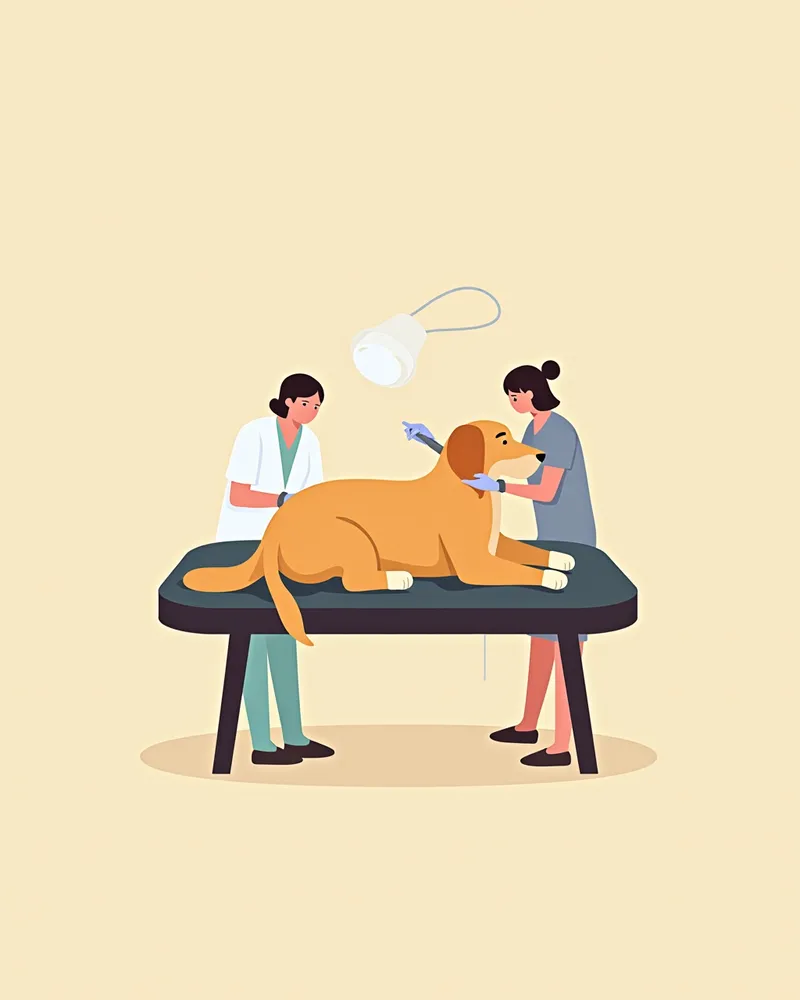
For healthy adult dogs, it is generally recommended to have their oral health checked by a veterinarian once a year. However, if your dog has had dental issues or is senior, more frequent check-ups are advisable. At home, you can monitor for changes by paying attention to bad breath, gum color and swelling, drooling, and whether they chew on only one side. Whenever possible, combining regular care such as brushing their teeth with these check-ups can help maintain their oral health between visits.
A veterinarian examining a puppy’s teeth.

Key Point 3: Combine Home Care with Clinic Check-Ups

Good oral health requires both daily care at home and regular check-ups at the clinic. If you notice any signs of trouble at home, don’t wait for the next scheduled visit—seek veterinary care right away. If scaling or treatment is recommended during a check-up, it will be performed at the appropriate time after a thorough assessment of anesthesia safety. Discussing the ideal check-up schedule and care routine with your veterinarian will help you stay consistent in keeping your dog’s mouth healthy.
A screen showing how to manage your dog’s oral care schedule using a smartphone app.

Key Points to Remember for Oral Check-Up Intervals

ItemKey Points
ImportancePeriodontitis and resorptive lesions progress silently; regular check-ups enable early detection
Recommended FrequencyOnce a year for healthy adult dogs; more often for those with dental problems or senior dogs
Home ObservationWatch for bad breath, gum color/swelling, drooling, and chewing on one side
Complementary CareCombine everyday care such as tooth brushing with regular check-ups
ConsultationSeek care immediately at signs of abnormality; discuss frequency and care methods with your veterinarian

This is not a table recommending specific products or devices, but the key points to reference for home care. Always consult your veterinarian for interpreting measurements and making treatment decisions.

Caution: Pre-Anesthetic Testing Is Essential Before Dog Oral Check-Ups

When performing a thorough oral examination under anesthesia, pre-anesthetic testing is essential. In conscious dogs, pain or resistance can make a complete exam difficult, so anesthesia may be necessary for an accurate assessment. Before anesthesia, a physical exam and blood tests are conducted to evaluate the dog’s overall health, and the patient is closely monitored before, during, and after anesthesia to ensure safety. Proceeding with anesthesia without proper pre-assessment increases risks, so always choose a clinic that includes pre-anesthetic testing and monitoring.

Tips for Dog Oral Check-Ups

To get the most out of your dog’s oral examination, keep these tips in mind. If anesthesia is part of the procedure, follow your clinic’s instructions for fasting beforehand. After the exam, offer food slowly and limit your dog’s activity. Contact your veterinarian immediately if you notice any unusual symptoms. Continue regular home care, such as brushing your dog’s teeth, after the visit. The benefits of dental scaling won’t last long without ongoing preventive care, so it’s important to maintain consistent home care tailored to your dog’s dental condition.
A guardian brushing their puppy’s teeth.

Reviewed by a veterinarian

Dr. Tony — Punnawat Phongkittirak

Dr. Tony — Punnawat Phongkittirak

Veterinarian

A veterinarian who majored in veterinary medicine at Khon Kaen University, Thailand, and completed the IVSA program at North Carolina State University in the United States. Drawing on clinical experience at animal hospitals, he works in the pet healthcare field and is dedicated to building a digital care environment that connects pet parents with veterinarians.

Frequently Asked Questions

How often should you have your dog’s mouth checked?
Dental checkups for dogs are generally recommended every 6 to 12 months. Senior dogs or those with a history of dental issues should be checked more frequently.
Does a dog’s oral examination require anesthesia?
While a visual examination can be performed while your pet is conscious, it has its limitations. For a thorough diagnostic workup and effective treatment plan, anesthesia may be necessary. In such cases, pre-anesthetic testing is essential.
My dog hates having his mouth checked. What should I do?
To help reduce your dog’s stress, approach them slowly and provide a rest period before the examination. Choosing a dog-friendly clinic can also be beneficial.
What home care products should I use after a dental checkup?
Choose home care tailored to your pet’s dental condition. Regular brushing helps reduce tartar buildup and gum inflammation, and you can complement it with tartar-control treats, toothpaste, and toothbrushes.
How much does a dog’s oral examination cost?
Costs vary depending on the clinic, the specific tests performed, and your pet’s condition. For an exact quote, please contact the clinic where you plan to have the tests done.

Share

Related Guides

References

[1] Hart, B.L. et al. (2014) Long-term health effects of neutering dogs: Comparison of Labrador retrievers with golden retrievers. PLOS ONE 9, e102241.

[2] Logan, E.I. (2006) Dietary influences on periodontal health in dogs and cats. Veterinary Clinics of North America. Small Animal Practice 36, 1385–1401.

[3] The Dog Care Handbook, Things I Wish My Vet Had Told Me. (2024) Chapter 12: Oral Health Management for Dogs.

This information is based on veterinary literature and does not replace diagnosis or treatment. Please consult a veterinarian for specific health concerns.

Metapet Co., Ltd. | CEO: Park Sung-yong | Business Reg. No. 417-88-02562 | Seoul, South Korea | Customer Center

Dog Oral Check-Up Intervals: 5 Vet Age-Based Guidelines | Meongsiljang