Like
Share
멍실장
강아지 중성화 수술 최적 시기 관리 추천 BEST와 고르는 기준 총정리

The Best Tips for Optimal Timing and Selection Criteria for Dog Neutering

Lifestyle & Age CareTop PicksMeongsiljang Veterinary Advisory Board

The optimal timing for neutering your dog varies depending on breed and sex. Knowing the right time and proper care methods can help prevent health and behavioral issues.

What Is the Optimal Timing for Dog Neutering?
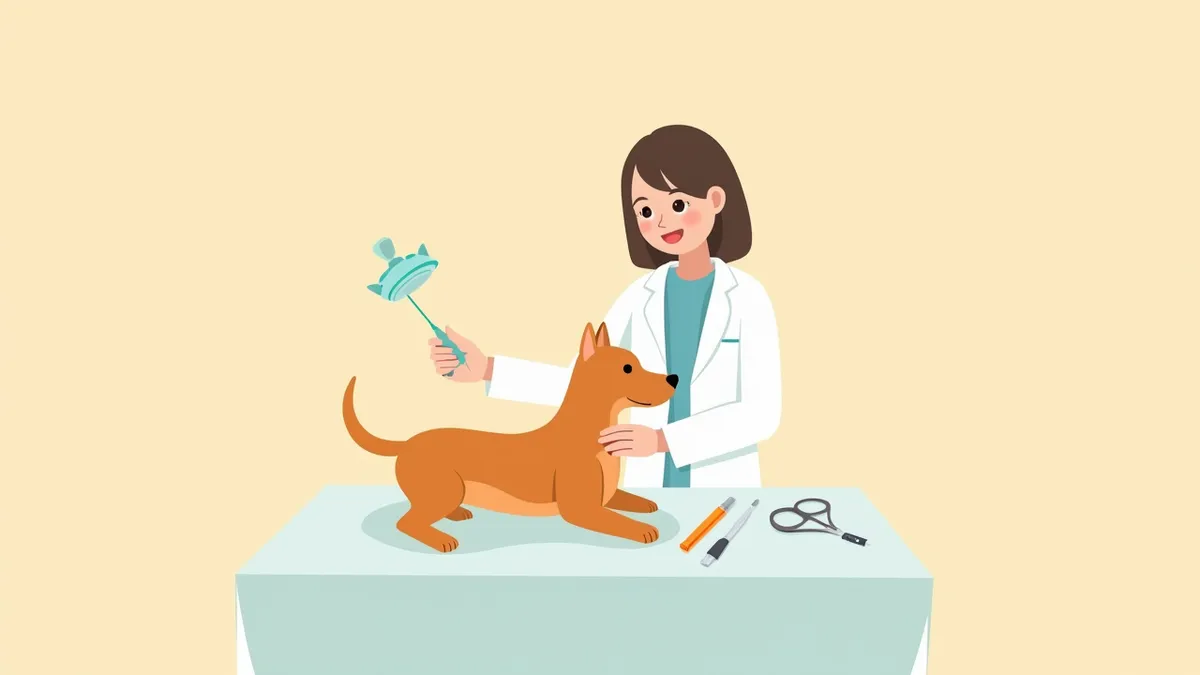
Veterinarian preparing for a dog's neutering surgery
The optimal timing for spaying or neutering your dog should be determined by considering their growth stage and hormonal development. - Optimal timing by sex: For female dogs, the procedure is generally recommended after around 6 months of age. However, for large-breed dogs, it is more advisable to wait until long-bone growth is complete. Reports indicate that early spaying may increase the risk of orthopedic issues, such as hip dysplasia or cruciate ligament disease, in some large-breed dogs. For male dogs, neutering is also commonly recommended after 6 months of age, though the ideal timing can vary depending on the breed and growth rate. - Differences by breed: Small-breed dogs mature relatively quickly, so the procedure can be considered after 6 months of age. For large-breed dogs, it is important to base the decision on when growth is complete. The cessation of long-bone growth varies by breed, with around 12 months of age serving as a general benchmark. In regions such as Europe, ovariectomy and laparoscopic surgery are commonly performed. - Health assessment: Be sure to confirm that there are no abnormalities through a pre-operative check of weight and a general health examination. Proper timing is essential for a smooth recovery after surgery. Choosing the right time greatly aids in preventing reproductive diseases and ensuring a safe recovery.

Key Points for Determining Neutering Methods and Timing

When choosing neutering surgery for your dog, it’s important to carefully consider the surgical method, timing, and criteria for selecting a clinic. Since post-operative recovery and long-term health maintenance are crucial, the key is to choose a clinic with proven expertise and experience.
Surgical Method: Traditional open surgery vs. laparoscopic surgery
Timing: Recommended age varies by breed
Clinic Reputation: Verify the veterinarian’s expertise and read client reviews
Post-Op Care System: Availability of a structured recovery program
Cost Transparency: Clear and detailed cost estimates
By following these guidelines, you can ensure a safe and effective surgical experience for your pet.
A pet owner consulting with a veterinarian about spaying or neutering surgery

Surgical Method 1: Laparoscopic Neutering (Minimally Invasive)
Laparoscopic spaying is a minimally invasive procedure that involves making small incisions in the abdomen and using an endoscope to remove the ovaries. Because the incisions are small, there is less pain and a lower risk of infection, leading to a faster recovery, which is particularly beneficial for highly active large-breed dogs. However, this method requires specialized equipment and skilled surgical technique, so it is not available at all veterinary clinics. Please confirm whether this procedure is suitable for your dog and ensure the clinic has sufficient experience with laparoscopic surgery before proceeding.
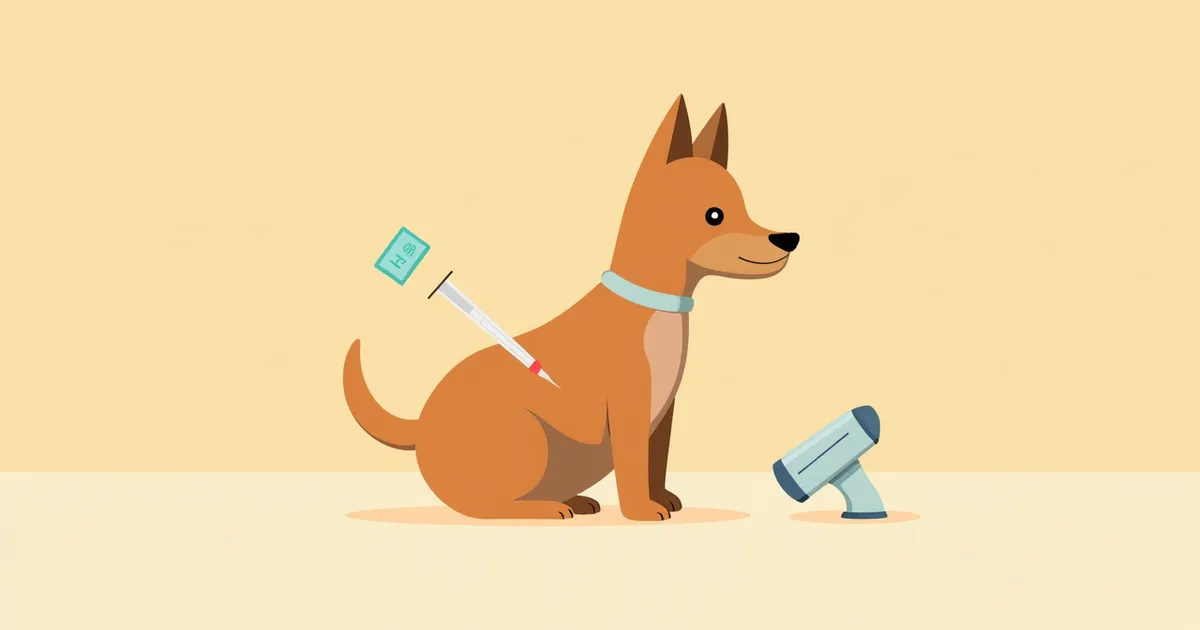
Informational image about laparoscopic neutering (minimally invasive)

Surgical Method 2: Traditional Open Surgery (Ovariohysterectomy)
Ovariohysterectomy, which involves surgically removing both the ovaries and the uterus through an abdominal incision, is the most widely performed method and effectively prevents uterine diseases such as pyometra. Although the incision is larger than that used in laparoscopic surgery and the recovery period is somewhat longer, this procedure can be safely performed at most veterinary clinics and is particularly suitable when uterine abnormalities are suspected. Effective pain management and proper care of the incision site are key to a smooth recovery.
Informational image about traditional open-surgery spaying (ovariohysterectomy)

Surgical Method 3 & Timing: Ovariectomy / Optimal Timing by Breed
Ovariectomy, which removes only the ovaries while preserving the uterus, is a less extensive procedure than ovariohysterectomy. It typically involves a shorter surgery time and faster recovery, and is commonly performed in Europe and other regions. Once the ovaries are removed, the hormonal stimulation ceases, causing the remaining uterus to gradually atrophy and shrink to a vestigial size. There is no single correct answer regarding the exact age for the procedure; the timing should be determined by considering factors such as breed, size, and the potential impacts on growth plates, joints, and hormones. In particular, because early neutering may affect joint development in large-breed dogs, it is advisable to consult with your veterinarian to determine the recommended timing for your specific breed. Choose a clinic with extensive surgical experience and robust anesthesia safety protocols. However, since the decision to preserve the uterus and its long-term effects vary depending on the individual animal’s condition, thorough discussion with your veterinarian is recommended.
Timing: Ovariectomy / Breed-specific recommended timing (see accompanying image)

Comparison of Neutering Methods (Timing Depends on Breed and Condition)

ItemLaparoscopic SpayOpen OvariohysterectomyOvariectomy
Degree of InvasivenessMinimally invasive, small incisionLarge incisionSmall incision
Recovery SpeedFastSomewhat longFast
FeaturesLess pain/infection, requires equipmentAlso prevents uterine diseasePreserves uterus, short surgery
Selection ConsiderationsCheck the clinic's laparoscopic experienceSuitable when uterine abnormalities are suspectedDiscuss suitability with your veterinarian

This is not a table recommending specific products or clinics, but criteria to reference when consulting your veterinarian. Always make treatment and testing decisions together with your veterinarian through an examination.

Precautions Before Neutering Surgery

Please withhold food and water for 12 hours prior to surgery. A guardian must accompany the pet on the day of the procedure, and close observation is required for 24 hours post-surgery. Contact the clinic immediately if any abnormal symptoms arise.

Tips for Post-Neutering Care

After surgery, it is essential to strictly limit your pet’s movement and walks. Excessive activity can cause the incision to reopen. Additionally, administer all medications exactly as prescribed by your veterinarian; do not adjust the dosage on your own.
Follow-up Care: A veterinary check-up is required within one week after surgery.
Foreign Object Prevention: Be careful to prevent debris from sticking to your pet’s paws after walks.
Nutritional Management: Adjust meal portions to prevent weight gain following surgery.
Emotional Support: Your pet may experience temporary lethargy or anxiety after surgery. Your warm and attentive care is crucial during this time.
A puppy recovering after neutering surgery

Reviewed by a veterinarian

Dr. Tony — Punnawat Phongkittirak

Dr. Tony — Punnawat Phongkittirak

Veterinarian

A veterinarian who majored in veterinary medicine at Khon Kaen University, Thailand, and completed the IVSA program at North Carolina State University in the United States. Drawing on clinical experience at animal hospitals, he works in the pet healthcare field and is dedicated to building a digital care environment that connects pet parents with veterinarians.

Frequently Asked Questions

When is the best time to spay or neuter my dog?
While neutering is generally recommended after six months of age for most breeds, it’s often preferable to wait until large-breed dogs have finished growing their long bones—typically around 12 months or older. Since the ideal timing varies depending on breed, body weight, and individual health status, please consult your veterinarian to determine the best schedule for your pet.
Does weight gain occur after neutering surgery?
Hormonal changes can slow down metabolism, increasing the risk of weight gain. In fact, after neutering, shifts in hormone levels make pets more prone to obesity, so long-term dietary management is recommended. You can help manage their weight by controlling portion sizes and ensuring regular walks.
Does neutering surgery change a dog's personality?
Personality changes vary widely among individual pets. While some may show reduced aggression or decreased reproductive behaviors, it’s important to avoid unfounded generalizations and instead evaluate behavioral issues from multiple angles.
Is laparoscopic surgery a better option?
Laparoscopic surgery is less painful and allows for faster recovery, but it requires specialized equipment and skilled techniques, which can make it more expensive. Choose the method that best suits your dog’s breed and individual circumstances. However, it’s important to note that joint health is more closely linked to the timing of spaying or neutering than to the surgical method itself. For large-breed dogs, it’s especially important to wait until they’ve finished growing before scheduling the procedure.
What should I do if debris gets stuck to the surgical site after the procedure?
Foreign objects can irritate the wound. After walks, carefully check your pet's paws and wipe them with water if needed. If the wound looks abnormal even after removing any foreign objects, contact your vet. It's important to be cautious about the risk of infection.

Share

Related Guides

References

[1] The Dog Care Handbook, Things I Wish My Vet Had Told Me, 2024

[2] Handbook on Field Veterinary Surgery, Ch19: Ovariohysterectomy in Canines and Felines, 2023

[3] Plumb's Veterinary Drug Handbook, 10th Edition, 2022

This information is based on veterinary literature and does not replace diagnosis or treatment. Please consult a veterinarian for specific health concerns.

Metapet Co., Ltd. | CEO: Park Sung-yong | Business Reg. No. 417-88-02562 | Seoul, South Korea | Customer Center

Best 3 Optimal Times for Dog Spaying and Neutering | Meongsiljang