Like
Share
멍실장
강아지 비뇨 처방식 추천 TOP 5 — 결석 예방·관리 사료

Top 5 Prescription Urinary Diets for Dogs — Food for Stone Prevention and Management

UrinaryTop PicksMeongsiljang Veterinary Advisory Board

Prescription urinary diets for dogs are medically formulated to manage urinary stones, cystitis, and lower urinary tract diseases by carefully adjusting mineral content, urine pH, and moisture levels. The most important thing is to choose the prescription diet that matches your dog’s specific type of urinary stone.

What Are Prescription Urinary Diets for Dogs?
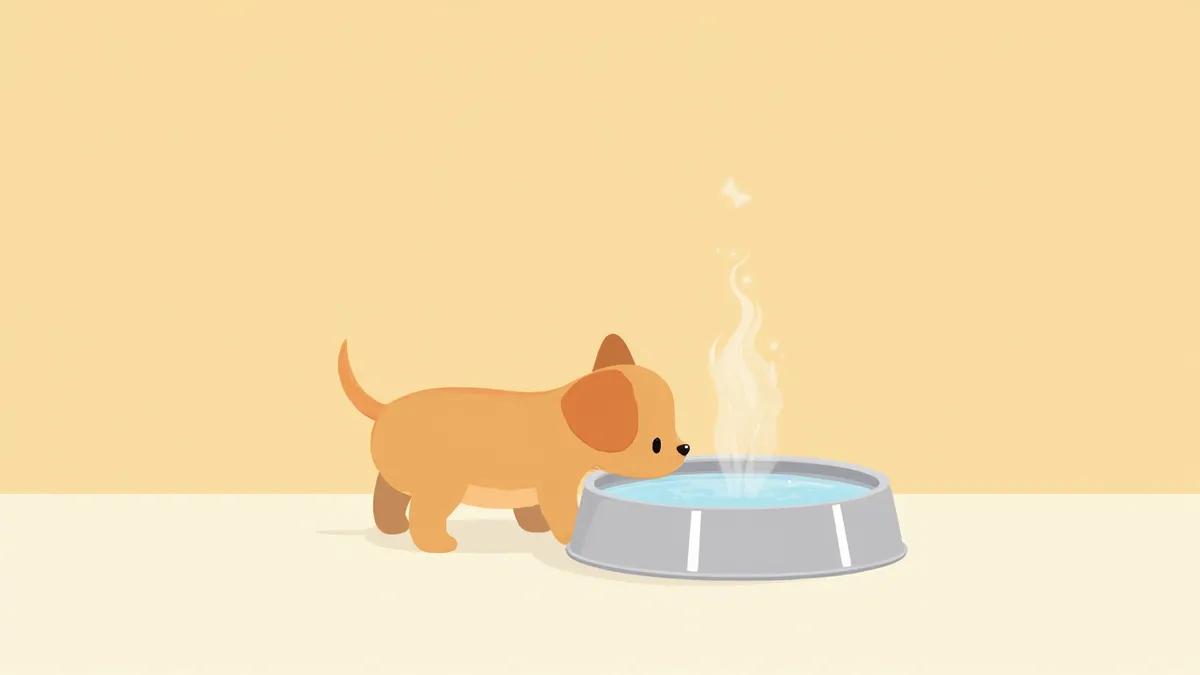
Dogs drinking water and urinary prescription diet food
Prescription urinary diets for dogs are medically formulated to manage urolithiasis, cystitis, and lower urinary tract diseases by precisely adjusting mineral content, urine pH, and moisture levels. The most critical factor is selecting the prescription diet that matches the specific type of stone. Since the management strategies for struvite and calcium oxalate stones are diametrically opposed, feeding a standard commercial diet without proper diagnosis can actually worsen the condition. Therefore, a urinalysis and a veterinarian’s prescription are essential first steps.

Why Is a Prescription Diet Necessary?

Canine urinary tract diseases have a high recurrence rate. Calcium oxalate stones are particularly difficult to manage, with nearly half of cases recurring within three years despite appropriate dietary management. Standard commercial diets make it challenging to control urine concentration and pH, and they contain the minerals that contribute to stone formation—such as magnesium, calcium, and phosphorus—making recurrence more likely. Prescription diets are specifically formulated to dissolve stones that can be dissolved, such as struvite, and to prevent the formation of new stones that cannot be dissolved, such as calcium oxalate. A key strategy is increasing water intake to dilute the urine; using wet (canned) food helps boost hydration, lower urine specific gravity, and thereby reduce the formation of stones.

Criteria for Choosing a Prescription Diet — Check the Stone Type First

When choosing a urinary prescription diet, the first thing to check is the type of stone your pet has. - Struvite stones: These form readily in alkaline urine (pH 7.0 or higher). They can be medically dissolved with a diet that acidifies the urine and reduces magnesium and phosphorus content. - Calcium oxalate stones: These are associated with acidic urine (pH 7.0 or lower). Once formed, they cannot be dissolved, so the focus is on preventing recurrence after removal. The top priority for prevention is increasing water intake (such as feeding wet food), and the optimal dietary composition has not yet been clearly established. - Urate stones: These are associated with acidic urine and are common in certain breeds, such as Dalmatians. - Cystitis (without stones): Dietary management and encouraging water intake can be helpful. The type of stone can only be accurately determined by sending a sample to an external laboratory for composition analysis, and this composition dictates the management approach.
A veterinarian performing a urine test on a puppy

Always Obtain a Veterinarian’s Prescription Before Using

Prescription urinary diets are medical foods, not regular pet food. Feeding them without a veterinarian’s diagnosis can worsen urinary stones, strain the kidneys, and cause electrolyte imbalances. In pets with kidney disease or heart conditions, the sodium content in these diets may be particularly risky. Always start with a urinalysis and a veterinary prescription before selecting a diet.

Comparison of the Top 5 Prescription Urinary Diets for Dogs

ItemRoyal Canin Urinary SOHill's c/d MulticarePurina URForza10 Active Wet UrinaryAdvance Veterinary Diet Urinary
Main targetStruvite, calcium oxalateStruvite dissolution, preventionStruvite, calcium oxalateCystitis, urolith supportStruvite, calcium oxalate
Target urine pH6.0–6.56.0–6.46.0–6.56.2–6.66.0–6.5
FormulationDry/wetDry/wetDryMainly wetDry/wet
Veterinary prescriptionTrueTrueTrueTrueTrue
Recommended situationGeneral first choiceStruvite dissolutionLong-term managementAcute cystitisGood palatability

Veterinary prescription urinary diets as of April 2026. Prices vary by veterinary clinic and online market.

Details on No. 1 and No. 2 — The Two Most Frequently Prescribed Products

No. 1 Royal Canin Urinary SO: This is the most frequently prescribed product in veterinary clinics. It can manage both struvite and calcium oxalate stones, making it a common first choice when the type of stone is unclear. It helps increase water intake to keep urine dilute.
No. 2 Hill’s Prescription Diet c/d Multicare: This is a dissolution diet that dissolves struvite stones, supported by abundant clinical data. It also supports bladder mucosal health with enhanced antioxidant ingredients.
A small puppy on prescription medication

Details on No. 3 and No. 4 — Options for Long-Term Management and Acute Phases

3rd Place: Purina Pro Plan UR – Precisely restricts minerals that contribute to stone formation, making it ideal for long-term management. It’s best suited for chronic cases requiring consistent feeding for over a year. 4th Place: Forza10 Activet Urinary – This wet-food-focused line is excellent for acute cystitis and lower urinary tract diseases, where increased hydration is key. Its high palatability makes it a good choice for picky eaters. However, it’s often fed alongside dry food rather than as a sole diet.

Details on No. 5 — A Rational Choice with Good Palatability

5. Advance Veterinary Diet Urinary: Many owners appreciate its relatively affordable price and good palatability. It can help manage both struvite and calcium oxalate stones, making it a practical alternative when long-term feeding raises cost concerns. However, it has less clinical data compared to the top two products, so it’s best to discuss with your veterinarian before choosing. Rankings are based on prescription frequency and clinical evidence, but the right product for your pet depends on the type of stone and individual constitution.
Comparison of Various Prescription Diets for Urinary Health

Five Essential Rules to Follow When Feeding

- No regular treats: Standard treats can undermine the effectiveness of prescription diets. Use only treats specifically formulated for prescription diets. - Hydration: If feeding dry food, provide at least two water bowls, and consider using a fountain-style water dispenser if possible. - Urine monitoring: During the first 1–2 months, check your pet’s urine volume, color, and frequency daily. - Follow-up schedule: Schedule a recheck in 4–6 weeks to test urine pH and check for crystals. - Do not mix with other foods: Prescription diets are only effective when fed exclusively, without mixing with other foods.

Go to the Vet Immediately If You See These Signs

Even while following a prescription diet, if you notice any of the following symptoms, it may indicate that a stone is blocking the urethra. An emergency situation arises if your pet hasn’t urinated for more than 24 hours, if you see blood in the urine, or if they assume a urination posture but no urine comes out. Male pets are especially at risk because their urethra is narrower, making it easier for stones to lodge in the penile urethra. A complete blockage prevents urination entirely and can be life-threatening. In such cases, immediate care at a 24-hour emergency clinic is essential.

Reviewed by a veterinarian

Dr. Tony — Punnawat Phongkittirak

Dr. Tony — Punnawat Phongkittirak

Veterinarian

A veterinarian who majored in veterinary medicine at Khon Kaen University, Thailand, and completed the IVSA program at North Carolina State University in the United States. Drawing on clinical experience at animal hospitals, he works in the pet healthcare field and is dedicated to building a digital care environment that connects pet parents with veterinarians.

Frequently Asked Questions

Does my pet need to take this prescription medication for life?
The approach varies depending on the type of stone and the risk of recurrence. For struvite stones, we may transition back to a regular diet once the stones have dissolved. In contrast, calcium oxalate stones cannot be dissolved and carry a high risk of recurrence, so a therapeutic diet is often prescribed for long-term management to prevent them from returning. Your veterinarian will determine the appropriate course of action based on follow-up examinations conducted every six months or annually.
I only gave my pet the prescribed diet, but the stones have come back. Why might that be?
The stones may have formed from a mix of treats, water, and other foods, or their composition might not align with the prescribed diet. It’s important to send the newly formed stones to the lab for re-analysis to confirm their type, and to thoroughly review your pet’s overall diet and water intake habits.
Which is better, dry food or wet food?
Ensuring adequate water intake is key, which makes wet food a beneficial choice. In fact, when preventing calcium oxalate stones, increasing water consumption by feeding canned (wet) food is considered an important step. However, taking into account dental health, palatability, and cost, a mixed diet of dry and wet food is often recommended. It’s best to consult with your veterinarian to determine the right ratio for your pet.
Can I give this along with other supplements?
Some supplements and nutritional additives can alter urine composition or pH, potentially interfering with stone management. Always have your veterinarian review the ingredient list of any supplement you plan to give alongside prescription diet food.
Prescription diets can be pricey. Can I switch to regular pet food instead?
Switching to regular pet food can cause stones to recur, leading to higher costs for surgery and hospitalization. It’s safer to choose a reasonable option among the top five prescription diets or consult with your veterinarian to evaluate whether transitioning to a different diet every six months is appropriate.

Share

Related Guides

References

[1] Hand MS et al., Small Animal Clinical Nutrition, 5th Ed, 2010

[2] Fascetti AJ, Delaney SJ, Applied Veterinary Clinical Nutrition, 2nd Ed

[3] Schenck PA, Canine and Feline Nephrology and Urology, 3rd Ed

This information is based on veterinary literature and does not replace diagnosis or treatment. Please consult a veterinarian for specific health concerns.

Metapet Co., Ltd. | CEO: Park Sung-yong | Business Reg. No. 417-88-02562 | Seoul, South Korea | Customer Center

Top 5 Prescription Urinary Diets for Dogs: Stone Prevention | Meongsiljang