
Anxious Cat After Moving — Top 7 Strategies to Alleviate Environmental Change Stress and Selection Criteria
If your cat hides or refuses to eat after a move or environmental change, it may be a stress response. We’ve outlined the top four evidence-based veterinary behavioral management strategies and key selection criteria every pet owner should know.
What Is Cat Moving and Environmental Change Stress?
If You See These Symptoms, They Are Signs of Stress
Go to the Vet Immediately in These Cases
If your pet hasn’t eaten or drunk anything for more than 48 hours, is experiencing repeated vomiting or diarrhea, or hasn’t urinated at all, stress may have progressed into a physical health issue. Veterinary behavior textbooks explain that chronic stress is strongly linked to various conditions, including gastrointestinal disorders and inappropriate urination. In particular, a complete lack of urination can indicate an emergency related to lower urinary tract problems, which can be dangerous if left untreated. Don’t hesitate—visit an animal hospital immediately.
BEST 1 — Base Room Strategy
BEST 2 — How to Use Pheromone Diffusers
BEST 3 — Owner Behavior Management
BEST 4 — Maintaining Pre- and Post-Move Routines
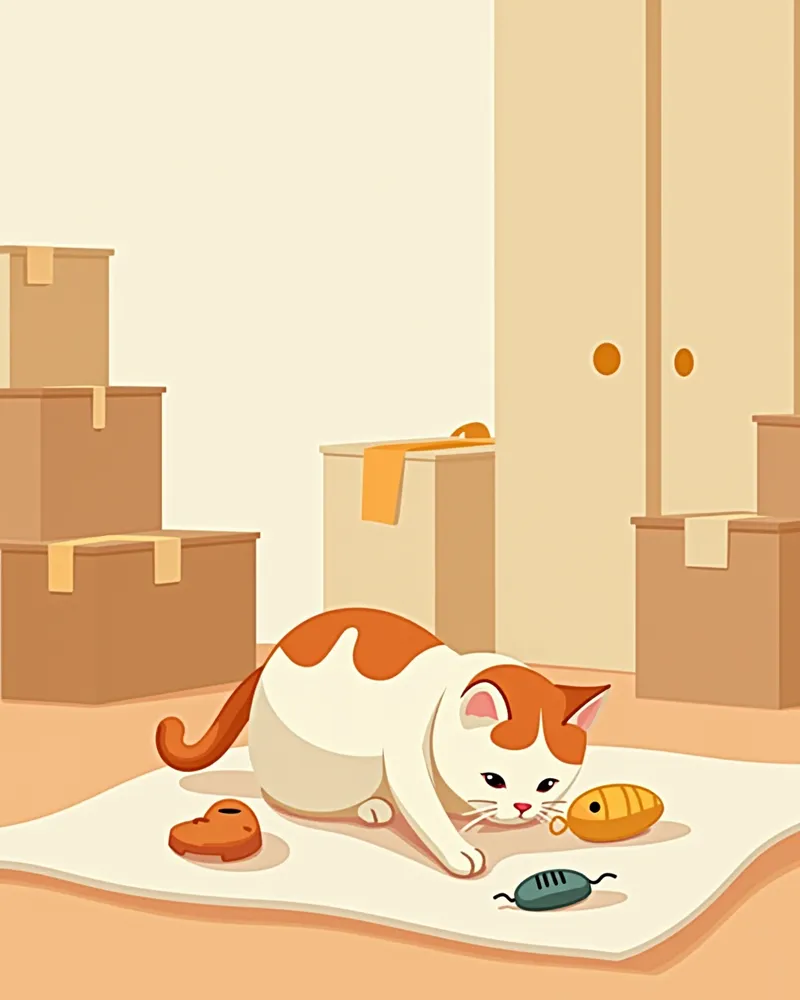
Comparison of Environmental Change Stress Management Methods at a Glance
| Item | Base room strategy | Pheromone diffuser | Nutritional supplement |
|---|---|---|---|
| Onset of effect | Immediate | 1–2 weeks | 2–4 weeks |
| Difficulty | Easy | Moderate | Easy |
| Monthly cost | Free | ₩20,000–40,000 | ₩10,000–30,000 |
| Prescription required | Not required | Not required | Not required |
| Can be combined | Yes | Yes | Check with veterinarian |
Consult a veterinarian before using nutritional supplements (L-theanine, tryptophan, etc.)
Things to Definitely Avoid
Herbal products like lavender and essential oils are toxic to cats. Never give your cat human sedatives or melatonin without veterinary guidance. Forcing your cat to explore the entire house right after moving or having guests over immediately can double the stress. If stress persists for more than two weeks or is accompanied by changes in appetite or litter box habits, please consult your veterinarian.
Reviewed by a veterinarian

Dr. Tony — Punnawat Phongkittirak
VeterinarianA veterinarian who majored in veterinary medicine at Khon Kaen University, Thailand, and completed the IVSA program at North Carolina State University in the United States. Drawing on clinical experience at animal hospitals, he works in the pet healthcare field and is dedicated to building a digital care environment that connects pet parents with veterinarians.
Reviewed 2026-06-01
Frequently Asked Questions
Is it okay if my cat doesn’t eat for a few days after moving?
Is there anything we can prepare in advance before moving?
My cat won’t use the litter box after we moved. What should I do?
I have multiple cats, and they’ve been fighting since we moved. What should I do?
Is there anything a veterinarian can prescribe when my pet is under extreme stress?
Share
Related Guides

7 Behavioral Enrichment Strategies for Mental Stimulation Recommended by Veterinarians
Top 5 Calming Supplements for Dogs and Cats in 2026

L-Theanine Effects and Calming Support

5 Moisturizing Balms for Dogs with Rough, Cracked Pads — Care for Hyperkeratosis and Dryness
5 Supplements for Dogs with Itch-Induced Sleeplessness — Omega-3 & Quercetin

Top 5 Urinary and Digestive Integrated Cat Foods for Stones and Diarrhea — Ingredient Comparison

Top 5 Sensitive Stomach Cat Food Recommendations for Kittens After Weaning — Sensitive Gut Care Guide

Top 5 Grain-Free Cat Foods for Sensitive Stomachs — Selection Criteria to Reduce Digestive Troubles

Top 5 Puppy Starter Foods to Soothe Sensitive Stomachs During Weaning

Top 5 Dietary Fiber Supplements for Canine Constipation — Psyllium and Pumpkin Powder
References
[1] Little, S.E. (Ed.), The Cat: Clinical Medicine and Management, 2nd Edition, Elsevier Saunders
[2] Bowen, J. and Heath, S. (2005) Behaviour Problems in Small Animals: Practical Advice for the Veterinary Team, Elsevier Saunders
[3] Behnke, A.C., Vitale, K.R. and Udell, M.A.R. (2021) 'The effect of owner presence and scent on stress resilience in cats', Applied Animal Behaviour Science, 243, p. 105444
[4] McCobb, E.C. et al. (2005) 'Assessment of stress levels among cats in four animal shelters', Journal of the American Veterinary Medical Association, 226(4), pp. 548-555