Like
Share
멍실장
강아지 포도·건포도 신독성 관리 추천 BEST와 고르는 기준 총정리

7 Emergency Responses to Grape and Raisin Nephrotoxicity in Dogs Recommended by Veterinarians

KidneyTop PicksMeongsiljang Veterinary Advisory Board

Grapes and raisins can cause fatal kidney damage in dogs. Prompt action and choosing safe care products are essential.

Grape and Raisin Nephrotoxicity in Dogs Is a Cause of Fatal Kidney Damage

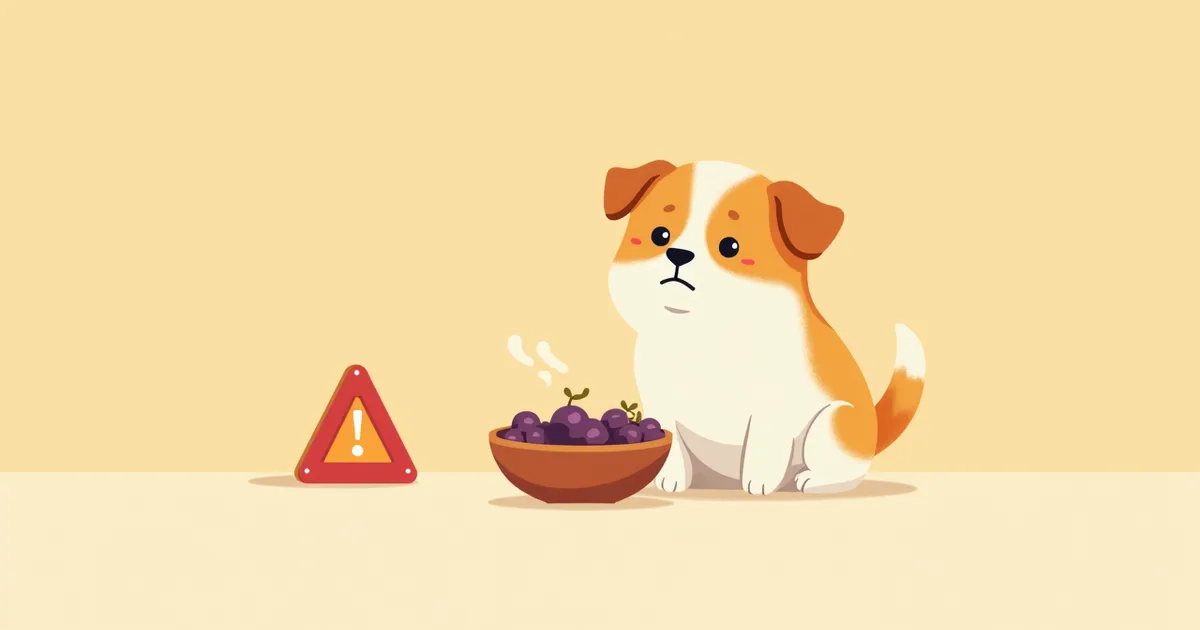
A puppy vomiting near a bowl where raisins had fallen.
Grapes and raisins can cause acute kidney injury in some dogs, even after small ingestions. However, more than half of exposed dogs may show no symptoms at all, indicating significant individual variation in sensitivity. If treatment is delayed and the dog develops anuria or oliguria, the prognosis worsens. - Cause of nephrotoxicity: The exact toxic agent has not yet been identified, but recent hypotheses suggest that tartaric acid in grapes may be responsible. Some dogs may be genetically sensitive to this compound. - Need for immediate action: If ingestion is confirmed, seek veterinary care without delay. Prompt treatment under veterinary guidance, including induced emesis and fluid therapy, is essential. - Prevention is best: Grapes and raisins should never be given to dogs. All family members must be aware of this risk and exercise caution.

Key Criteria for Managing Grape and Raisin Nephrotoxicity in Dogs
When managing grape or raisin-induced nephrotoxicity in dogs, the most critical step is seeking immediate veterinary care, followed by dietary management during recovery to reduce the burden on the kidneys. Please refer to the following guidelines:
Immediate Action: If ingestion is confirmed, it is most important to follow your veterinarian’s instructions for inducing vomiting and administering fluid therapy, rather than attempting home remedies.
Kidney-Supporting Ingredients: Renal prescription diets or supplements with low phosphorus content and containing omega-3 fatty acids and antioxidants (such as vitamin E) can be beneficial.
Ease of Use: Ensure the product is in a form your dog will readily accept, such as powder, capsules, or prescription food.
Veterinarian-Recommended Products: Verify that the product is used in clinical practice and consult with your veterinarian before selection.
Safe Ingredient Profiles: Look for formulations with proven ingredients that place minimal stress on the kidneys.
Choosing products based on these criteria will help ensure safer and more effective management.
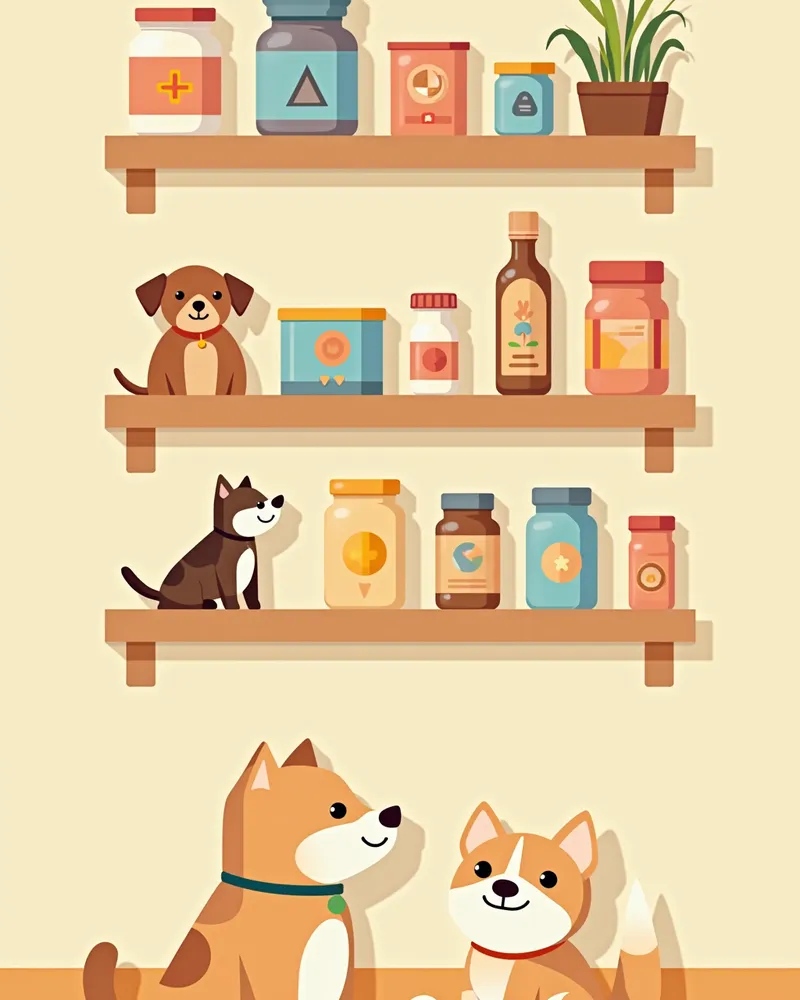
A shelf stocked with kidney-support supplements and emergency kits

BEST 1: Grape Toxicity Emergency Kit Pro
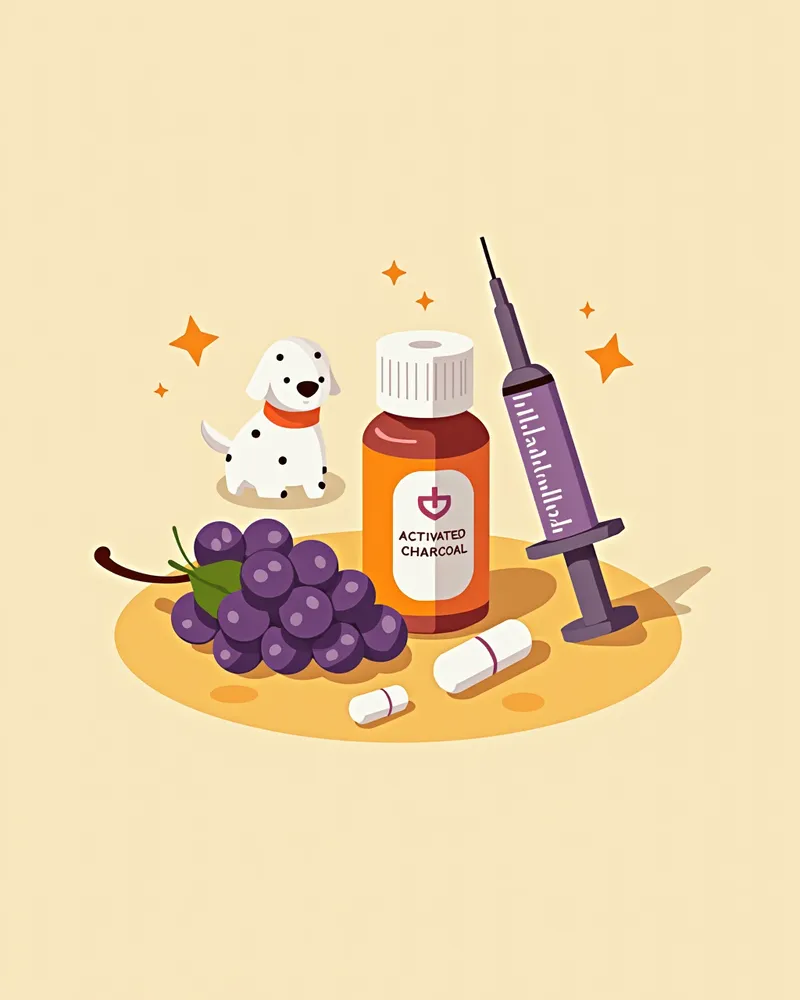
The Grape Toxicity Emergency Kit Pro is an emergency response kit containing items for inducing vomiting and adsorption. It is designed to be used as a reference before transporting your dog to a veterinary clinic after ingesting grapes. However, inducing vomiting or administering activated charcoal must only be done under a veterinarian’s guidance, as improper use can be dangerous. The most effective treatment for grape or raisin poisoning is intravenous fluid therapy and monitoring of kidney values (BUN and creatinine) and urine output at a veterinary clinic. If ingestion is confirmed, it is crucial to seek veterinary care as quickly as possible without delay.
Grape Toxicity Emergency Kit Pro Set

BEST 2: Premium Kidney-Support Supplement
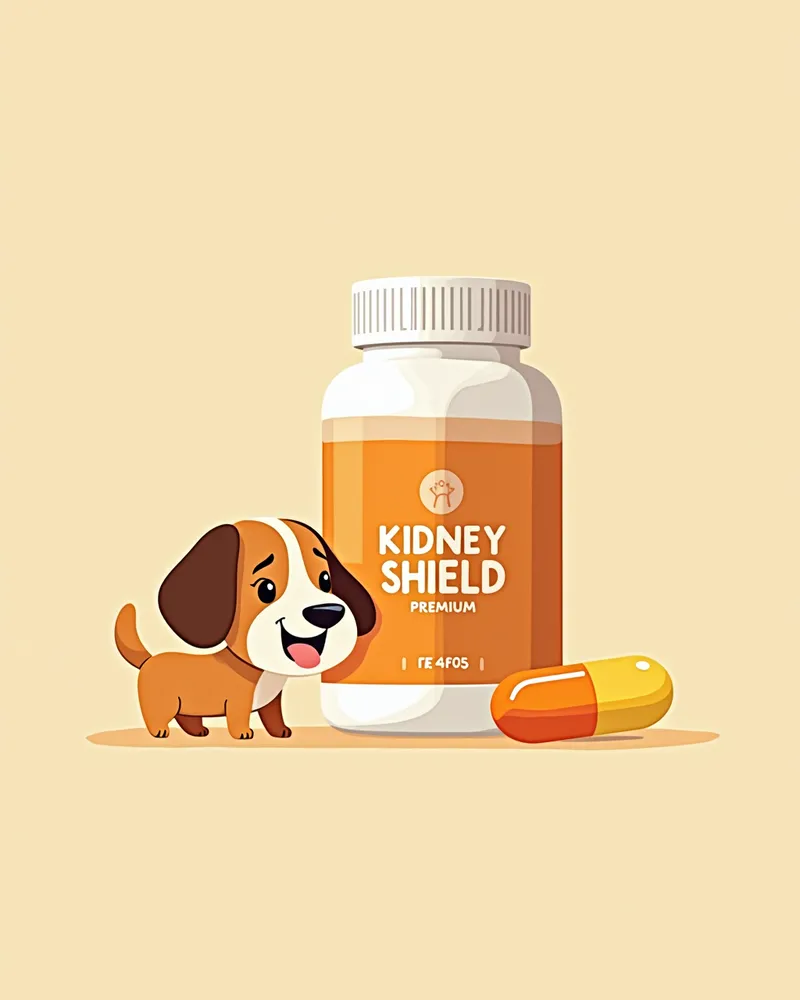
This premium kidney-support supplement is formulated to help maintain kidney health. It contains omega-3 fatty acids and vitamin E, an antioxidant. Omega-3s are known to support healthy blood flow and help regulate inflammation in the kidneys, while antioxidants like vitamin E can help reduce oxidative stress, potentially slowing the progression of kidney disease. The capsule form makes administration clean and relatively easy for dogs to consume. However, please remember that supplements alone cannot treat poisoning or replace medical care. Always consult your veterinarian before use and prioritize professional veterinary treatment.
Kidney Support Premium Supplement Capsules for Dogs

BEST 3: Natural-Ingredient Kidney Care Pet Food

This natural-ingredient kidney care pet food is formulated with the concept of a renal prescription diet to reduce the burden on the kidneys. Renal prescription diets are low in phosphorus, have protein levels appropriately restricted, and are supplemented with omega-3 fatty acids, which may help slow the progression of kidney disease (in cases of acute kidney injury, veterinarians may also recommend a renal diet). However, these prescription diets often have lower palatability, so pets may not eat them readily; therefore, monitor your dog’s appetite while feeding. The appropriate choice and stage of diet depend on the severity of the kidney disease, so be sure to consult with your veterinarian.
Natural Ingredient Kidney Care Pet Food Bowl

Comparison Table of BEST 1–3 Products

ItemBEST 1: Emergency Kit ProBEST 2: Kidney Protection PremiumBEST 3: Natural Care Pet Food
Main IngredientsActivated charcoal, vomiting induction (under veterinary instruction)Omega-3, vitamin E (antioxidant)Restricted protein, low phosphorus, omega-3
FormPowderCapsuleFood
When to UseImmediately upon confirming ingestion (under veterinary instruction)After veterinary consultationContinuous feeding during recovery (veterinary consultation)
Veterinarian RecommendedYesYesYes
Additional EffectsAssists removal of toxic substancesRelieves inflammation, reduces oxidative stressReduces kidney burden, assists in slowing progression

The products in this table are for reference only, and the most important treatment for grape/raisin poisoning is to immediately visit an animal hospital for fluid therapy and monitoring of kidney values.

Caution: The First 2 Hours After Ingestion Are the Most Critical

If your dog has eaten grapes or raisins, take them to the vet immediately without delay. The sooner they receive emergency treatment, such as induced vomiting and intravenous fluids, the lower the risk of kidney damage. Inducing vomiting or administering activated charcoal should only be done under a veterinarian’s guidance.

Usage Tips and Management Points

Consistent care is essential for managing grape and raisin toxicity in dogs. Follow these tips:
Grape prohibition training: Ensure every family member understands that grapes and raisins must never be given to your dog.
Food storage: Keep grapes, raisins, and baked goods containing raisins (such as bread and cakes) out of your dog’s reach.
Save emergency contacts: Always have your veterinarian’s and the clinic’s emergency contact numbers saved.
Prompt veterinary visit: If ingestion is suspected, it is safest to seek immediate veterinary care rather than attempting home treatment.
Kidney function tests: After ingestion, monitor kidney values (BUN and creatinine) and urine output against baseline levels at 24 and 48 hours.
Adopting these habits will significantly enhance your dog’s safety.
Checklist for Managing Grapes and Raisin Toxicity in Pets

Reviewed by a veterinarian

Dr. Tony — Punnawat Phongkittirak

Dr. Tony — Punnawat Phongkittirak

Veterinarian

A veterinarian who majored in veterinary medicine at Khon Kaen University, Thailand, and completed the IVSA program at North Carolina State University in the United States. Drawing on clinical experience at animal hospitals, he works in the pet healthcare field and is dedicated to building a digital care environment that connects pet parents with veterinarians.

Frequently Asked Questions

Is it dangerous for dogs to eat even a small amount of grapes?
Some dogs can develop kidney toxicity even after ingesting very small amounts. While more than half of exposed dogs show no symptoms, it’s impossible to predict which ones are sensitive, so caution is warranted even with minimal exposure.
Should I still take my pet to the vet if it’s been two hours since they ate grapes?
Yes, you still need to visit the hospital. Since kidney damage may be progressing, we need to check kidney function levels and urine output.
Can kidney function recover after grape toxicity?
With appropriate removal treatment and fluid therapy, the prognosis is generally favorable. However, in severe cases where anuria or oliguria occurs, the prognosis is poor, and it may progress to chronic kidney disease.
Are raisins also dangerous, like grapes?
Yes, raisins are just as dangerous as grapes, so immediate action is necessary if your pet ingests them. However, some reports suggest that raisins that have been heated or cooked, such as those in bread or cookies, may pose a relatively lower risk.
Should I induce vomiting after my pet eats grapes?
Inducing vomiting should only be done under a veterinarian’s guidance. If done incorrectly, it can cause further harm.

Share

Related Guides

References

[1] Blackwell's Five-Minute Veterinary Consult Clinical Companion, Small Animal Toxicology, 3rd Edition

[2] The Dog Care Handbook, Things I Wish My Vet Had Told Me

[3] Coyne SR, Landry GM. Tartaric acid induces toxicity in Madin-Darby Canine Kidney cells, but not Human Kidney-2 cells in vitro and is prevented by organic anion transporter (OAT) inhibition and human OAT-4 transfection. J Vet Emerg Crit Care 2023;33(3):298–304.

This information is based on veterinary literature and does not replace diagnosis or treatment. Please consult a veterinarian for specific health concerns.

Metapet Co., Ltd. | CEO: Park Sung-yong | Business Reg. No. 417-88-02562 | Seoul, South Korea | Customer Center

7 Vet Emergency Steps for Grape & Raisin Toxicity in Dogs | Meongsiljang