
Like
Share
멍실장
고양이 종양 수술 절제연 평가 관리 추천 BEST와 고르는 기준 총정리

Top Recommendations and Selection Criteria for Managing Surgical Margin Assessment in Cats

Oncology/CancerTop PicksMeongsiljang Veterinary Advisory Board

Evaluating the surgical margins after tumor removal is key to reducing the risk of recurrence in cats. It’s important to work closely with your veterinarian to ensure accurate assessment and develop a proper management plan.

Surgical Margin Assessment After Cat Tumor Surgery Is Key to Preventing Recurrence
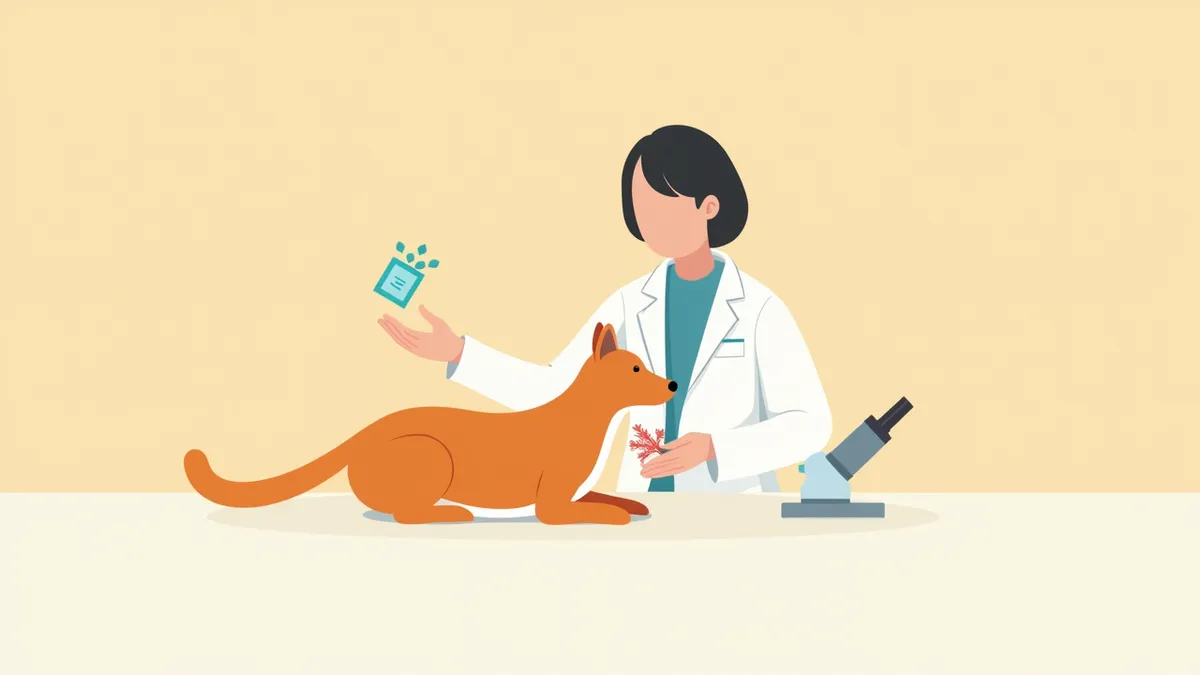
A veterinarian examining surgical tissue under a microscope.
Evaluating the surgical margins after a cat’s tumor removal is a crucial step in reducing the risk of malignant tumor recurrence. - Detailed tissue analysis: The edges of the removed tissue are carefully examined to check for any remaining tumor cells. - Assessment of margin status: Determining whether the excision was complete or partial helps decide if additional treatment is needed. - Recurrence risk assessment: Incomplete margins increase the likelihood of recurrence, so a tailored management plan is essential. - Collaboration with your veterinarian: Discuss the results thoroughly with your vet to determine the best course of treatment together. - Enhanced owner understanding: Clinics that explain the evaluation results clearly tend to build greater trust with pet owners.

Selection Criteria: Tips for Choosing a Clinic for Surgical Margin Assessment

When choosing a facility for margin assessment after your cat’s tumor surgery, consider the following criteria, as each directly impacts the risk of recurrence and your pet’s recovery. Be sure to discuss these points thoroughly with your veterinarian to ensure an accurate evaluation.
High-precision tissue analysis: It is crucial that the lab can meticulously analyze the surgical tissue to confirm that the margins are clean.
Veterinary expertise: Results are more reliable when evaluated by a veterinarian specializing in oncology or surgery.
Shortened turnaround time: Rapid result delivery is essential to avoid missing the optimal window for any necessary follow-up treatments.
Use of multiple testing methods: Employing various analytical techniques on tissue samples helps enhance diagnostic accuracy.
Integrated medical records system: The facility should be able to link current findings with your pet’s medical history to provide a comprehensive assessment of tumor characteristics and recurrence risk.
Digital medical records visualizing the results of surgical margin assessment

Check 1: Whether the Excised Tissue Is Sent for Pathology to Assess Margins

Margin assessment is a microscopic examination to check whether cancer cells remain at the edges of tissue removed during tumor surgery. If the margins are clear, it’s considered a complete excision; if cancer cells are present at the margins, it’s classified as an incomplete excision, which helps determine whether additional treatment is needed. It’s crucial not to consider the case finished with surgery alone, but to ensure that the removed tissue is always sent to a pathology lab for evaluation. Make sure the clinic you choose has a reliable system for submitting pathology referrals.
An image explaining whether the excised tissue is sent for pathological examination to evaluate the surgical margins.

Check 2: Whether the Importance Is Understood and Appropriately Applied

Assessing surgical margins is essential for estimating the risk of recurrence and determining the next steps in treatment. If cancer cells remain at the edges, the likelihood of recurrence at the same site increases, which may necessitate additional surgery, radiation, or chemotherapy. Therefore, margin assessment should be a standard part of any tumor removal surgery. It’s best to choose a veterinary hospital that explains how margin assessment will be performed before surgery and plans the procedure with adequate safety margins tailored to the type of tumor.
An image explaining why it is important and how to apply it properly

Check 3: Whether Results Are Linked to Additional Treatment and Explained

The results of the margin assessment directly determine the next steps in treatment. If the surgical margins are clean, the plan typically involves monitoring the pet’s condition over time. If cancer cells remain, the veterinarian will decide whether additional surgery, radiation therapy, or chemotherapy is necessary. It’s best to choose a clinic where the veterinarian clearly explains what these results mean and outlines the recommended next steps, so you fully understand the situation. For peace of mind, seek care at a facility with extensive experience in tumor treatment that provides comprehensive guidance, including a detailed follow-up plan.
Whether the results are linked to additional treatment, along with related guidance images

Checklist for Choosing a Clinic for Surgical Margin Assessment

ItemRecommended Criteria
Testing OperationsA facility that sends the excised tissue to a reliable pathology lab to evaluate the resection margins
Surgical PlanningA facility that resects with sufficient margins appropriate to the tumor type
Interpretation CapabilityA veterinarian who accurately interprets recurrence risk and completeness of resection
Result InterpretationA facility that explains how results connect to next treatments such as additional surgery, radiation, or chemotherapy
Cost GuidanceA facility that informs you in advance of expected costs and the possibility of additional testing before the exam

This is not a table recommending specific products or hospitals, but a reference for when you consult your veterinarian. Always make treatment and testing decisions together with your veterinarian through an examination.

If Surgical Margin Assessment Results Are Incomplete, Consider Additional Treatment Immediately

If the surgical margins are incomplete, the risk of recurrence is high. Consult your veterinarian about additional surgery or radiation therapy. Delaying treatment can reduce its effectiveness, so a prompt decision is necessary.

5 Post-Surgical Margin Assessment Care Tips

After receiving the surgical margin evaluation results, the following care steps are essential. These practices support healing and help prevent recurrence.
Regular check-ups: Follow the schedule set by your veterinarian based on the tumor type and surgical margin status to monitor for recurrence. Even with complete excision, ongoing monitoring helps maintain a tumor-free interval.
Nutritional management: Work with your veterinarian to continue a diet and nutritional plan tailored to your pet’s recovery status.
Activity management: Avoid excessive exercise and ensure your pet has plenty of rest time.
Infection prevention: Keep the surgical site clean and change the water frequently.
Emotional well-being: Provide a quiet, comfortable environment to help your pet stay calm and relaxed.
A cat resting comfortably

Reviewed by a veterinarian

Dr. Tony — Punnawat Phongkittirak

Dr. Tony — Punnawat Phongkittirak

Veterinarian

A veterinarian who majored in veterinary medicine at Khon Kaen University, Thailand, and completed the IVSA program at North Carolina State University in the United States. Drawing on clinical experience at animal hospitals, he works in the pet healthcare field and is dedicated to building a digital care environment that connects pet parents with veterinarians.

Frequently Asked Questions

Why is assessing lean body mass important?
When the surgical margins are clear, the risk of tumor recurrence decreases and the tumor-free interval is extended. If the margins are incomplete, additional treatments such as further surgery or radiation therapy may be necessary.
How quickly will the results be available?
The time it takes to receive test results varies depending on the pathology lab and the testing method used. For the exact turnaround time, please ask your veterinarian during your visit.
What should I do if the results are incomplete?
You should consult with your veterinarian about additional surgery or radiation therapy. If cancer cells remain at the margins, the risk of recurrence at the same site increases.
Would it be okay to have my pet evaluated at a local veterinary clinic?
Collaborating with external specialized institutions ensures a safe and thorough evaluation. Open communication with your veterinarian is essential.
How should I care for my pet after surgery?
Consistently follow your veterinarian’s guidance for regular check-ups, nutritional management, activity regulation, infection prevention, and emotional support.

Share

Related Guides

References

[1] Fossum TW. Preoperative and intraoperative care of the surgical patient. In: Fossum TW, Duprey LP, O’Connor D, editors. Small animal surgery. 3rd ed. Boston, MA: Elsevier; 2007.

[2] Hosgood G, Scholl DT. Evaluation of age as a risk factor for perianesthetic morbidity and mortality in the dog. J Vet Emerg Crit Care. 1998;8(3):222-36.

[3] Reader RC, McCarthy RJ, Schultz KL, et al (2020) Comparison of liposomal bupivacaine and 0.5% bupivacaine hydrochloride for control of postoperative pain in dogs undergoing tibial plateau leveling osteotomy. J Am Vet Med Assoc 256:1011–19.

This information is based on veterinary literature and does not replace diagnosis or treatment. Please consult a veterinarian for specific health concerns.

Metapet Co., Ltd. | CEO: Park Sung-yong | Business Reg. No. 417-88-02562 | Seoul, South Korea | Customer Center

Cat Tumor Surgical Margin Assessment: Best Picks & How to Choose | Meongsiljang