
Like
Share
멍실장
강아지 흉부 X선 심장 크기 평가 관리 추천 BEST와 고르는 기준 총정리

7 Key Points for Dog Thoracic X-ray Heart Size Assessment That Owners Should Know

HeartTop PicksMeongsiljang Veterinary Advisory Board

Evaluating heart size through chest X-rays is crucial for the early detection of heart disease in dogs. I’ll share the accurate assessment criteria and recommended management methods.

Dog Thoracic X-ray Heart Size Assessment Is Key to Early Detection of Heart Disease

The veterinarian reviews the images during a puppy’s chest X-ray.
Evaluating heart size via thoracic radiographs in dogs is a key diagnostic tool for quantitatively assessing cardiac enlargement. However, chest X-rays are relatively insensitive to mild-to-moderate atrial or ventricular dilation, so they may provide limited information during early or latent stages of disease. Therefore, comparing serial radiographs taken over time is far more valuable than a single image for monitoring disease progression. - VHS (Vertebral Heart Score): This metric estimates heart size by measuring the length and width of the heart and converting these dimensions into the number of vertebrae starting from T4. It serves as a reference standard but must be interpreted by a veterinarian in conjunction with clinical judgment, as normal values vary by breed. - Regular Imaging: Consult your veterinarian for routine check-ups. Senior dogs or those suspected of having heart disease should be monitored more closely. - Record Keeping: Keep previous radiographic results on file to continuously track any changes over time. - Veterinary Consultation: Always discuss the results with your veterinarian before deciding on any course of action.

There Are 4 Criteria for Dog Thoracic X-ray Heart Size Assessment

To effectively use chest X-rays for assessing your dog’s heart size, be sure to check these four key criteria. Accurate evaluation depends on proper imaging standards and interpretation methods, so please review each item carefully.
Proper positioning: Chest X-rays must be taken with the dog in a standardized, fixed position. Leaning back or a curved posture can lead to errors in heart size assessment.
Appropriate timing: If heart disease is suspected, consult your veterinarian for imaging, and maintain regular check-ups.
Accurate VHS measurement: The Vertebral Heart Score (VHS) is calculated by measuring the long axis (from the carina to the cardiac apex) and the width of the heart, converting these measurements into the number of vertebrae starting from T4, and then adding them together. A score exceeding 10.5 generally suggests cardiomegaly, but the normal range (average approximately 9.7 ± 0.5) varies by breed.
Professional interpretation required: X-ray images must be interpreted by a veterinarian. Self-diagnosis is risky.
VHS measurement guidelines marked on a dog’s chest X-ray

BEST 1: Precision VHS Measurement System (Veterinarian Only)

This specialized software helps veterinarians take precise VHS measurements. It automatically aligns a baseline with the vertebrae on X-ray images to quantify heart size, making it especially useful for tracking changes in heart size over time. The system offers high accuracy and excellent consistency across repeated measurements. As a standard tool in veterinary clinics, it plays a key role in the early detection of heart disease. It also helps pet owners better understand their pet’s examination results.
The veterinarian is using VHS measurement software.

BEST 2: Home X-ray Measurement Kit (For Beginners)

This kit is a practical tool that helps you easily estimate heart size at home. You can overlay a printed layer with vertebral baseline markings onto an X-ray image to take measurements. It’s user-friendly even for beginners and ideal for regular follow-up monitoring. While its precision is lower than that of professional systems, it’s highly useful for initial monitoring or preparing for a vet visit. Plus, it’s affordable, so you can use it without any financial burden.
Image showing the use of a home X-ray measurement kit

BEST 3: Heart Size Tracking App (Mobile)
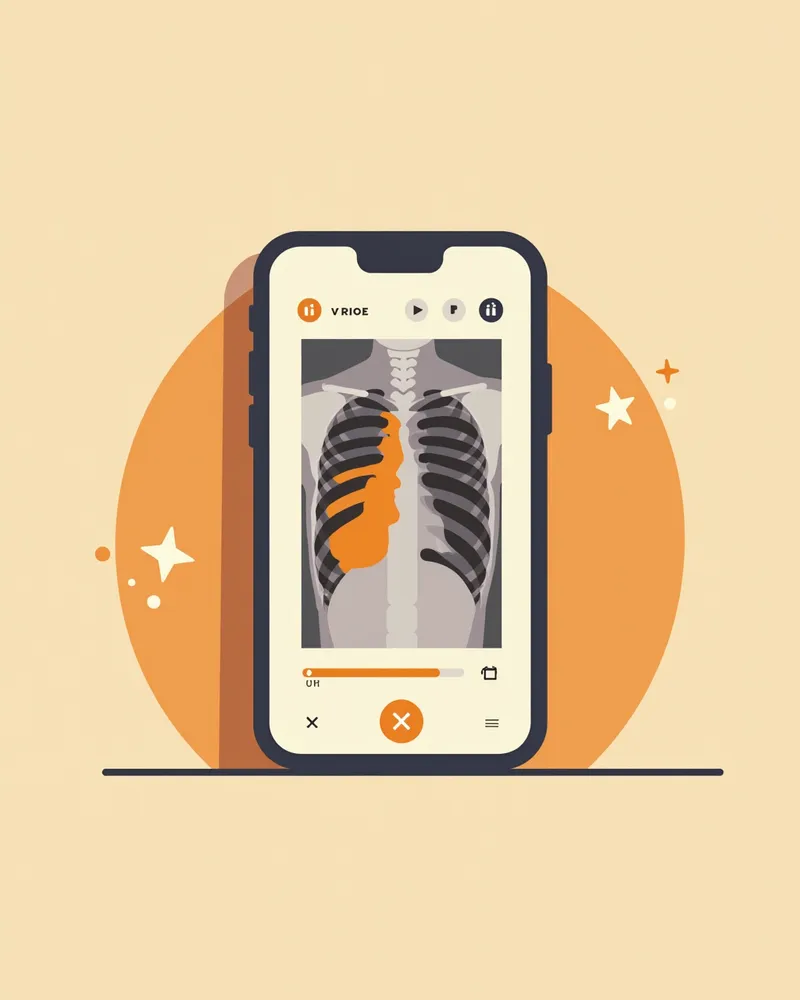
This app is a mobile tool that lets you capture thoracic X-ray images using your smartphone and automatically calculate the Vertebral Heart Score (VHS). Once you select the vertebral baseline, the app automatically measures heart size. You can review results immediately after your veterinary visit and track changes in heart size over time through graphs. This feature is highly effective for ongoing monitoring and communication with your veterinarian, especially when frequent clinic visits are difficult due to distance.
Analyzing heart size via a smartphone app

Comparison Table of BEST 1–3 Products

ItemVeterinarian-Exclusive SystemHome KitMobile App
AccuracyVery highAverageAverage
Ease of UseFor professionalsVery easyVery easy
PriceHighInexpensiveMedium
Tracking FunctionPowerful graphsBasic recordingAutomatic saving and graphs
Target UsersVeterinariansPet ownersPet owners

The veterinarian-exclusive system has the highest accuracy, while for pet owners the mobile app is most suitable for tracking and management.

Caution: VHS Measurement Requires Professional Interpretation by a Veterinarian

VHS measurements are more than just numbers; they must be interpreted by a veterinarian in the context of the overall clinical picture to be meaningful. To avoid misunderstanding or unnecessary anxiety, please do not try to interpret the results on your own. Instead, discuss them with your veterinarian to determine the next steps.

Tips for Dog Thoracic X-ray Heart Size Assessment

Regularly monitoring your dog’s heart size is an important habit for maintaining their health. Here are some helpful tips: - Routine Imaging: Schedule regular check-ups at least once a year. For senior dogs, we recommend check-ups every six months. - Keep Records: Safely store previous X-ray results to help track any changes over time. - Communicate with Your Veterinarian: Review the results with your vet. Early detection significantly improves treatment success rates. - Manage Lifestyle: Support heart health with appropriate exercise and dietary adjustments. - Interpret Results: Don’t rely solely on numerical values; prioritize your veterinarian’s professional interpretation.
The owner is reviewing previous X-ray results.

Reviewed by a veterinarian

Dr. Tony — Punnawat Phongkittirak

Dr. Tony — Punnawat Phongkittirak

Veterinarian

A veterinarian who majored in veterinary medicine at Khon Kaen University, Thailand, and completed the IVSA program at North Carolina State University in the United States. Drawing on clinical experience at animal hospitals, he works in the pet healthcare field and is dedicated to building a digital care environment that connects pet parents with veterinarians.

Frequently Asked Questions

Does a VHS score of 10.5 or higher indicate heart disease?
A VHS measurement exceeding 10.5 suggests a high likelihood of cardiac enlargement. However, because normal values vary by breed, this metric alone is insufficient for diagnosis; a veterinarian must evaluate the dog’s overall clinical condition to make a definitive assessment.
Is VHS measurement necessary even if my dog doesn't have heart disease?
Yes, regular measurements help you compare and track changes. Even in healthy puppies, comparing current readings with previous records can reveal any shifts in their condition.
Are the results from a home test kit accurate?
The accuracy is lower than that of professional systems. While it can be used for reference, a veterinarian's examination is necessary for diagnosis and interpretation.
Can I show my vet the results I got from the mobile app?
Yes, it can serve as a helpful reference to facilitate communication with your veterinarian. However, the final diagnosis and treatment decisions must be made by your veterinarian.
Should I only take my pet to the vet if their heart size changes rapidly?
If you notice rapid changes in heart size or suspect cardiomegaly when the VHS exceeds 10.5, please consult your veterinarian. However, since VHS is not a standalone diagnostic criterion, it should be evaluated alongside the overall clinical condition, and early intervention is crucial.

Share

Related Guides

References

[1] Textbook of Cardiovascular Medicine in Dogs and Cats, 2020

[2] Notes on Canine Internal Medicine, 4th Ed, 2018

[3] Clinical Medicine of the Dog and Cat, 4th Ed, 2019

This information is based on veterinary literature and does not replace diagnosis or treatment. Please consult a veterinarian for specific health concerns.

Metapet Co., Ltd. | CEO: Park Sung-yong | Business Reg. No. 417-88-02562 | Seoul, South Korea | Customer Center

Dog Chest X-ray: 7 Heart Size Assessment Tips for Owners | Meongsiljang