Like
Share
멍실장
고양이 법랑질 저형성 관리 추천 BEST와 고르는 기준 총정리

7 Key Tips for Managing Feline Enamel Hypoplasia from a Veterinarian

Oral HealthTop PicksMeongsiljang Veterinary Advisory Board

Feline enamel hypoplasia is a condition in which the tooth enamel is thin or missing due to abnormal tooth development. With the right care products and treatments, you can help maintain your cat’s dental health for the long term.

Protecting Teeth Is Key for Feline Enamel Hypoplasia

A cat’s mouth showing tooth defects caused by enamel hypoplasia.
Feline enamel hypoplasia is a condition in which the enamel covering the outer surface of the teeth does not form adequately. Because these teeth have weakened surfaces, plaque accumulates easily and can lead to periodontal disease, making consistent plaque management essential. - Daily tooth brushing: Brushing your cat’s teeth at home every day to remove plaque is the most fundamental care practice. - Use of dental care diets: Feeding a dental-specific diet (VOHC-approved) designed to help control plaque can be beneficial. - Regular professional scaling: Professional scaling and polishing under anesthesia are recommended every 3 to 4 months. - Monitor for changes such as bad breath: Signs like halitosis, decreased appetite, or chewing on only one side may indicate oral disease, so please observe your cat closely. With consistent care, you can help maintain your cat’s dental health for the long term.

5 Selection Criteria

When choosing enamel hypoplasia management products for cats, consider the following criteria. However, keep in mind that no product can replace daily tooth brushing and professional dental care.
Plaque control efficacy: Since controlling plaque is key to preventing periodontal disease, verify that the product actually helps manage plaque.
VOHC acceptance: For dental-specific diets, look for the seal of acceptance from the Veterinary Oral Health Council (VOHC).
Cat acceptance: Choose a format that your cat will accept without resistance, ensuring consistent daily use.
Low-irritant formulation: Products with minimal irritation are safer for daily use.
Veterinary consultation: Consulting your veterinarian to select a product suited to your cat’s condition ensures greater reliability.
A comparison of cat dental care products with various ingredients and forms

BEST 1: Petripro Dental Strengthening Care
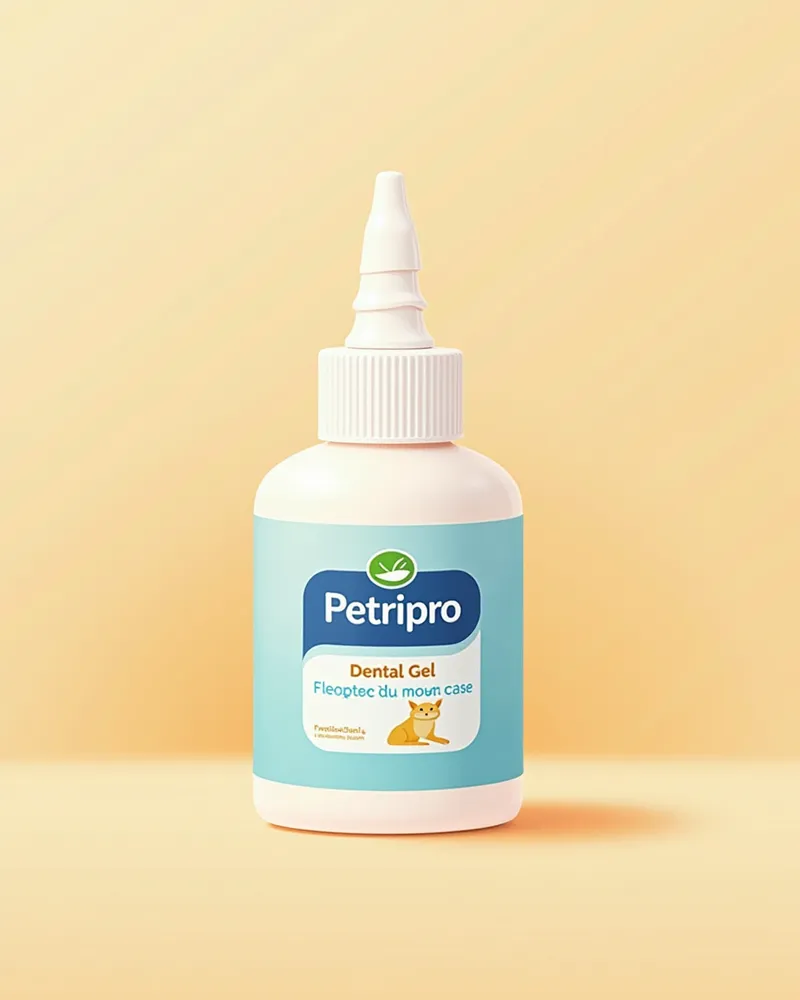
Petripro’s Dental Strengthening Care is a product sold for feline oral hygiene. - Claims to contain calcium and phosphates: While the product highlights its calcium and phosphate content, there is no clear evidence that ingesting these ingredients strengthens already formed enamel, so view it only as a supplementary aid. - Oral hygiene support: Use it as a supplementary measure to help prevent plaque buildup, and always use it alongside daily tooth brushing. - Soft gel formula: The texture is designed to be easily accepted by cats with minimal resistance. - Consistent care is essential: No product can replace regular professional scaling performed under anesthesia. - Includes a dedicated spoon: This makes it convenient to measure the correct dosage.
Dental Strengthening Care Petripro Gel Product

BEST 2: Premium Pet Angel Dental Care Wipes

Premium Pet Angel Dental Care Wipes help physically remove plaque and food debris by gently wiping the surface of your pet’s teeth. - Low-irritation formula: Made with mild ingredients, these wipes are gentle enough for daily use. - Smooth finish: Even cats with a tendency to lick are likely to tolerate them well. - Easy to use: Simply wipe your pet’s teeth gently once or twice a day. However, they should not be considered a complete substitute for brushing. - Plaque management support: By removing surface plaque, they help maintain oral hygiene. - Cat-friendly design: Formulated to minimize rejection by cats, consistent use helps keep teeth clean. For best results, combine with professional dental care.
Premium Pet Angel Dental Care Wipes Pack

BEST 3: Luminous Dental Care Food

Luminous Dental Care Food is a product designed for oral health management. Dental care foods can help control plaque buildup. - Concept of Dental-Specific Food: If the food is designed to help control plaque, it’s a good idea to check whether it has VOHC (Veterinary Oral Health Council) certification. - Management through Chewing: The act of chewing the food can assist in managing plaque on the tooth surface. - Soft Particle Size: The kibble is designed with a size that minimizes irritation and is easy to swallow. - Palatability Considerations: The flavor is formulated to ensure cats will accept it and continue eating it consistently. - Balanced Nutrition: While it provides balanced nutrition for daily feeding, it should be used alongside brushing and professional dental care.
The appearance of Luminous dental care food

Comparison Table of Products BEST 1–3

ItemProduct nameMain ingredientsFormReason for recommendation
BEST 1: PetriproCalcium/phosphate, antibacterial claimed ingredientsGelOral hygiene aidRecommended alongside daily toothbrushing
BEST 2: Pet Angel TissuePlant-based extractsSponge tissuePhysical removal of surface plaqueLow irritation, can aid daily use
BEST 3: Luminous FoodClaimed dental-specific food, low-irritation proteinFood (small particles)Aids plaque management during mealsSuitable for daily feeding, consider palatability

Product information is a summary of label claims, and no product can replace daily toothbrushing and professional scaling under anesthesia (every 3–4 months). Always consult your veterinarian depending on your cat's condition, and consider clinic-prescribed products if needed.

Caution: Excessive Use Can Lead to Tooth Damage

Dental care products are merely supplementary aids and cannot resolve enamel hypoplasia on their own. In particular, there is no clear evidence that ingested supplements or topical applications can strengthen teeth that have already formed. The most crucial steps are daily tooth brushing and professional scaling under anesthesia every three to four months. Do not rely solely on products; instead, ensure regular veterinary check-ups. If you notice any irritation or adverse reactions after use, discontinue the product and consult your veterinarian.

Usage Tips and Practical Checkpoints

Here are some practical tips for managing feline enamel hypoplasia. Consistent care is key.
Daily brushing: Brushing is the most fundamental step, as it removes plaque from the tooth surface every day. Use dental care wipes as a supplementary aid.
Consider veterinary dental diets: Consult your veterinarian about using VOHC-certified foods designed to help control plaque.
Regular professional check-ups: It’s best to have your cat’s teeth examined and receive professional scaling every 3 to 4 months.
Watch for bad breath or appetite changes: Sudden bad breath, decreased appetite, or chewing on only one side can be signs of oral disease.
Introduce new products gradually: Don’t switch all products at once; allow your cat to adapt to new items slowly.
A cat having its teeth cleaned with care wipes.

Reviewed by a veterinarian

Dr. Tony — Punnawat Phongkittirak

Dr. Tony — Punnawat Phongkittirak

Veterinarian

A veterinarian who majored in veterinary medicine at Khon Kaen University, Thailand, and completed the IVSA program at North Carolina State University in the United States. Drawing on clinical experience at animal hospitals, he works in the pet healthcare field and is dedicated to building a digital care environment that connects pet parents with veterinarians.

Frequently Asked Questions

Can enamel hypoplasia be treated?
While there is no known cure to completely reverse the condition, you can maintain your pet's dental health through consistent care, such as daily brushing and regular professional cleanings under anesthesia. It is important to work with your veterinarian to develop a customized care plan.
Which product is the most effective?
No single product can cure enamel hypoplasia. The most effective approach is to brush your pet’s teeth daily, supplement with VOHC-approved dental diets that help control plaque, and schedule regular veterinary check-ups.
Is food alone sufficient?
Food alone isn't enough. Daily brushing to remove plaque, along with regular professional dental cleanings, is essential for comprehensive care.
Can young kittens use this as well?
It’s best to consult your veterinarian about when and how to start oral care for your kitten. Watch your kitten’s reaction the first time you try it, and if you notice any irritation or resistance, stop immediately and seek advice.
Is it okay to keep switching products?
While maintaining basic care principles, you can adjust the product based on your cat’s response. However, avoid making sudden changes.

Share

Related Guides

References

[1] The Cat, Clinical Medicine and Management, 2nd Edition, 2020

[2] Wang P, Sorenson J, Strickland S, et al. Mucopolysaccharidosis VII in a cat caused by 2 adjacent missense mutations in the GUSB gene. J Vet Intern Med. 2015;29:1022–1028.

[3] Buckley RM, Gandolfi B, Creighton EK, et al. Werewolf, there wolf: variants in hairless associated with hypotrichia and roaning in the Lyk. Vet Dermatol. 2021;32(4):e13987.

This information is based on veterinary literature and does not replace diagnosis or treatment. Please consult a veterinarian for specific health concerns.

Metapet Co., Ltd. | CEO: Park Sung-yong | Business Reg. No. 417-88-02562 | Seoul, South Korea | Customer Center

7 Vet Tips for Managing Feline Enamel Hypoplasia | Meongsiljang