
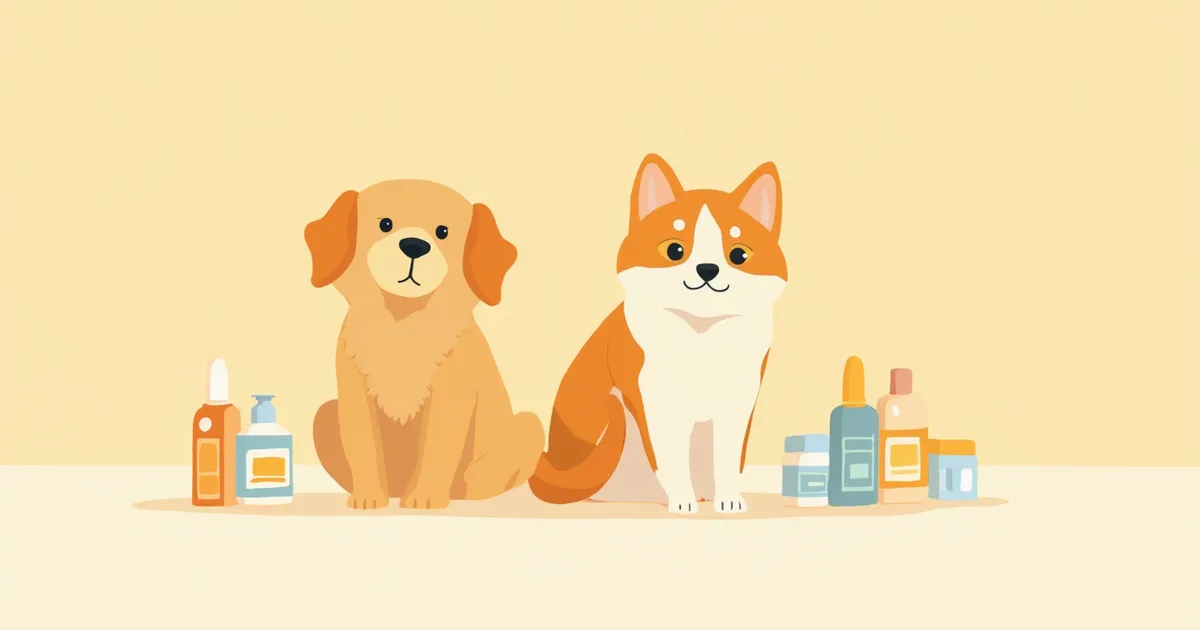
Top 5 Recommended Pet Tartar Control Products for 2026
We’ve compared five effective products for managing tartar in pets, categorized by type, and outlined the right criteria for choosing and using them.
Why Is Choosing the Right Product Important for Pet Tartar?

What Types of Tartar Control Products Are There?
Comparison Table of Pros and Cons by Type
| Type | Plaque Removal Effectiveness | Convenience | Resistance | Recommended For |
|---|---|---|---|---|
| Dental Chews | ★★★★ | ★★★★ | Low | Dogs who enjoy chewing |
| Oral Spray | ★★★ | ★★★ | Moderate | Pets who resist brushing |
| Water Additive | ★★ | ★★★★★ | Very Low | Sensitive cats |
| Pet-Specific Toothpaste | ★★★★★ | ★★ | High | Pets trained to accept brushing |
| Dental Toys | ★★ | ★★★★ | Low | Active dogs |
TOP 1. Dental Chews — The Most Popular Choice

TOP 2. Oral Sprays — An Alternative to Brushing
TOP 3. Water Additives — The Most Convenient Method

Products Alone Cannot Remove Tartar
Dental care products are designed to prevent tartar buildup and slow its progression. Once tartar has hardened, it can only be removed at a veterinary clinic through professional scaling under general anesthesia. According to veterinary textbooks, after removing tartar with an ultrasonic scaler, the tooth surfaces must be polished. Be sure to have your pet undergo a regular oral examination once a year.
TOP 4. Pet-Specific Toothpaste — The Most Effective Option

TOP 5. Dental Toys — Care While Playing
Cat Owners Must Check Ingredients
When using oral care products for cats, it’s a good idea to double-check the ingredients. Even with the same ingredients, toxic reactions can vary depending on the animal species. According to veterinary textbooks, detergents, foaming agents, and fluoride found in human oral care products can cause toxicity if ingested by dogs and cats over a long period. Since pets can’t spit or rinse like humans, extra caution is necessary. Therefore, it’s safest to choose products specifically approved for pets and those that meet efficacy standards (such as VOHC). Always check if the product is labeled “safe for cats” on the back, and consult your veterinarian before using any product with uncertain ingredients.
How to Boost Effectiveness by Combining Products
Reviewed by a veterinarian

Dr. Tony — Punnawat Phongkittirak
VeterinarianA veterinarian who majored in veterinary medicine at Khon Kaen University, Thailand, and completed the IVSA program at North Carolina State University in the United States. Drawing on clinical experience at animal hospitals, he works in the pet healthcare field and is dedicated to building a digital care environment that connects pet parents with veterinarians.
Reviewed 2026-04-13
Frequently Asked Questions
Can I skip brushing my pet’s teeth if I just give them dental chews?
At what age can I start using dental tartar control products for my pet?
How often should my pet get a dental scaling?
Can I use human toothpaste on my pet?
Can cats eat dental chews?
Share
Related Guides

7 Best Cat Dental Chews for Tartar Prevention Recommended by Veterinarians and Selection Criteria

Top 5 Recommended Dental Treats for Dogs in 2026 — VOHC Certification Criteria

7 Criteria for Choosing Dog Tartar Prevention Dental Chews Recommended by Veterinarians

The Best Kitten Deworming Schedule, Management Tips, and Selection Criteria: A Complete Guide

Comprehensive Guide to Differentiating Feline Internal Parasite Symptoms, Recommended Management, and Selection Criteria
Top 3 Recommendations and Selection Criteria for Feline Hemoplasma Management

Top 3 Recommended Heartworm Preventives for Cats and How to Choose

Top Recommended Cat Giardia Management Products and Selection Criteria

Best Recommended Products and Selection Criteria for Managing Feline Flea Allergy Dermatitis

Top Recommended Indoor Flea Removal Management for Cats and Selection Criteria
References
[1] The Dog Care Handbook: Things I Wish My Vet Had Told Me — Dental scaling, calculus, and periodontal disease chapters
[2] 100 Top Consultations in Small Animal General Practice — Chapter 36 – Dental Disease — Calculus, gingivitis and periodontal disease treatment and prevention
[3] Veterinary Dentistry: Principles and Practice (Wiggs & Lobprise) — Home care and dental prophylaxis guidelines
[4] Small Animal Internal Medicine (Nelson & Couto) — Oral and dental disease in dogs and cats