Like
Share
멍실장
강아지 행동 풍부화 전략 관리 추천 BEST와 고르는 기준 총정리

7 Behavioral Enrichment Strategies for Mental Stimulation Recommended by Veterinarians

Brain & CognitionTop PicksMeongsiljang Veterinary Advisory Board

Enriching your dog’s environment is a key strategy for satisfying their instinctual drives, preventing behavioral issues, and supporting mental well-being. We’ve outlined the top six methods—including nose work, food puzzles, and SMART training—along with guidelines to help you choose the right approach for your dog.

What Is Behavioral Enrichment for Dogs?
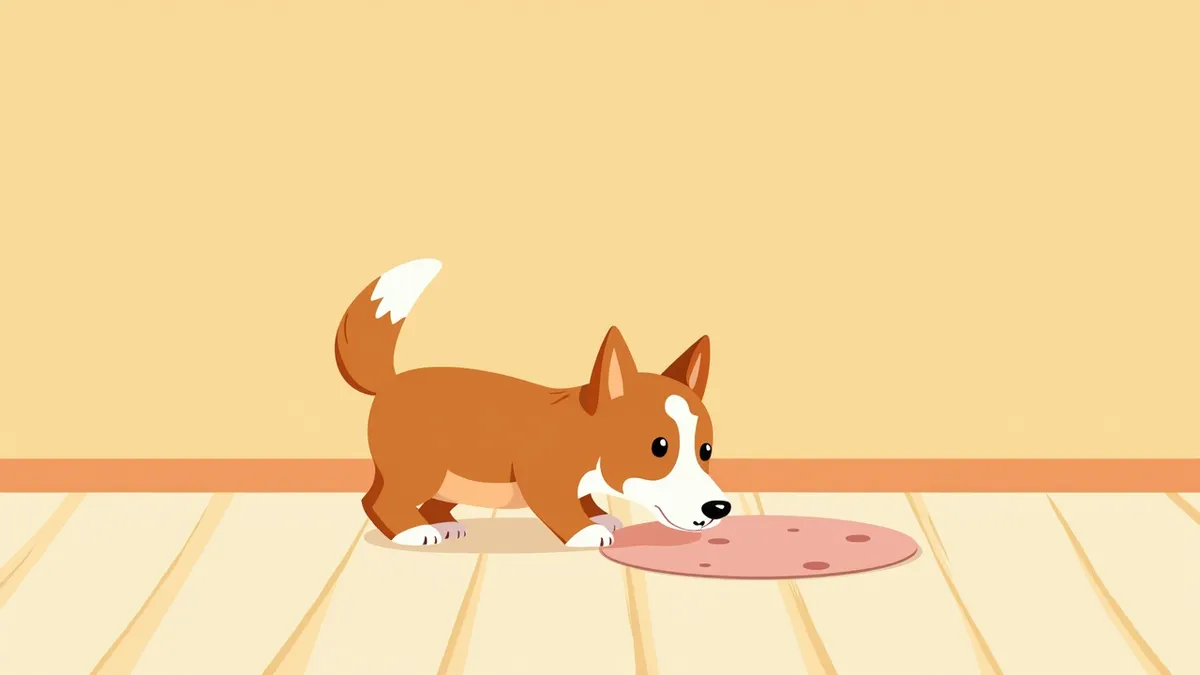
A Border Collie exploring a nosework mat
Behavioral enrichment is an environmental design strategy that safely satisfies dogs’ innate instincts—such as sniffing, exploring, and playing—to support mental well-being and manage problem behaviors. The key is to combine physical exercise with mental stimulation. Walking alone may leave excess energy, which can lead to behavioral issues like barking, destructive chewing, and separation anxiety. This article outlines six top strategies you can implement at home right away, along with guidelines to help you choose the best approach for your dog.

Why Behavioral Enrichment Is Necessary

Consistently practicing environmental enrichment brings about three key changes.
Reduced stress: Environmental enrichment and training are recognized as valuable tools for reducing stress in animals under human care, and they also help alleviate hyperarousal.
Prevention of problem behaviors: By reinforcing desirable behaviors and satisfying natural exploration and foraging instincts, you can replace unwanted behaviors—such as barking or destroying objects due to boredom—with more appropriate alternatives.
Maintenance of cognitive function: Mental stimulation is a crucial component in managing Canine Cognitive Dysfunction Syndrome (CDS), helping to improve the quality of life for senior dogs.
According to veterinary behavior textbooks, enrichment and training are valuable tools for reducing stress, and many problem behaviors are linked to early-life experiences, such as insufficient socialization.

BEST 1–3 — Olfactory and Exploration Stimulation Strategies
BEST 1 — Nose Work (Scent Exploration): Dogs perceive the world through senses that differ from ours, and olfactory stimulation satisfies their natural foraging instincts. Scatter feeding or using a snuffle mat allows your dog to use its nose to search for hidden food, providing mental satisfaction and reducing fatigue even in short sessions.
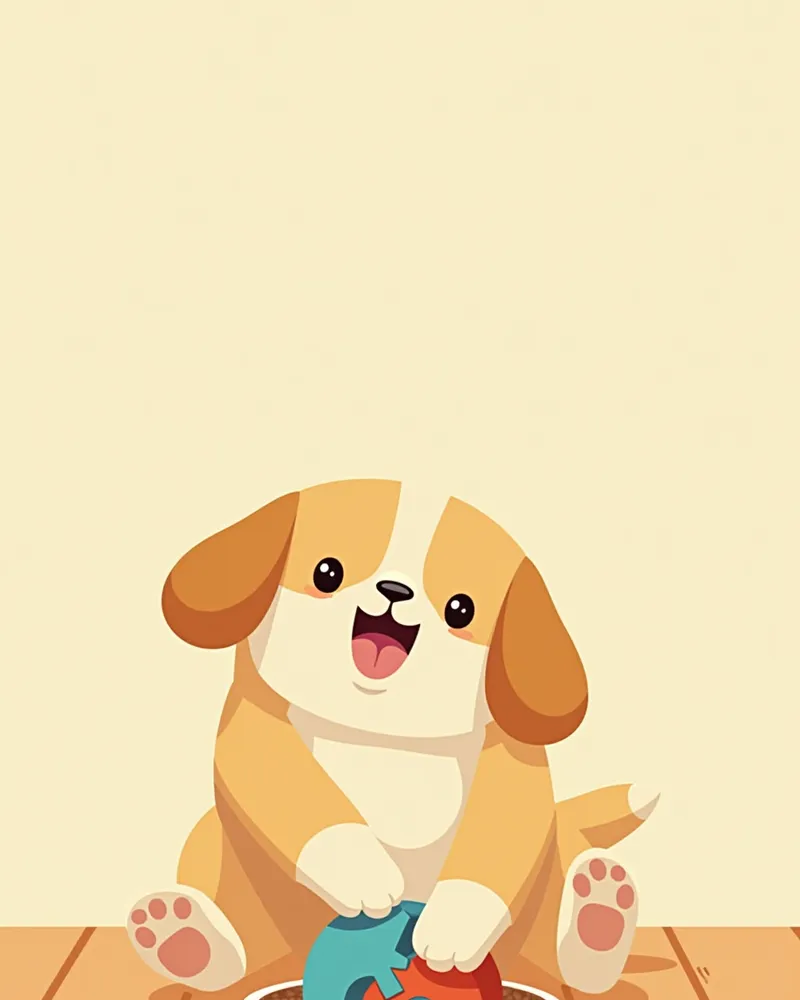
BEST 2 — Food Puzzles and Kong Toys: Interactive food toys mimic natural foraging behaviors, helping to develop problem-solving skills, exploration, and independence. The key is to start with easy levels and gradually increase the difficulty.
BEST 3 — Sniff Walks: This walking style involves holding the leash loosely and allowing your dog to sniff thoroughly at locations of its choice. Sniffing and exploration build confidence, enhance social skills, and provide mental and physical enrichment, which helps reduce leash pulling and promotes mental rejuvenation.
A dog solving a puzzle feeder

BEST 4–6 — Training and Socialization Strategies
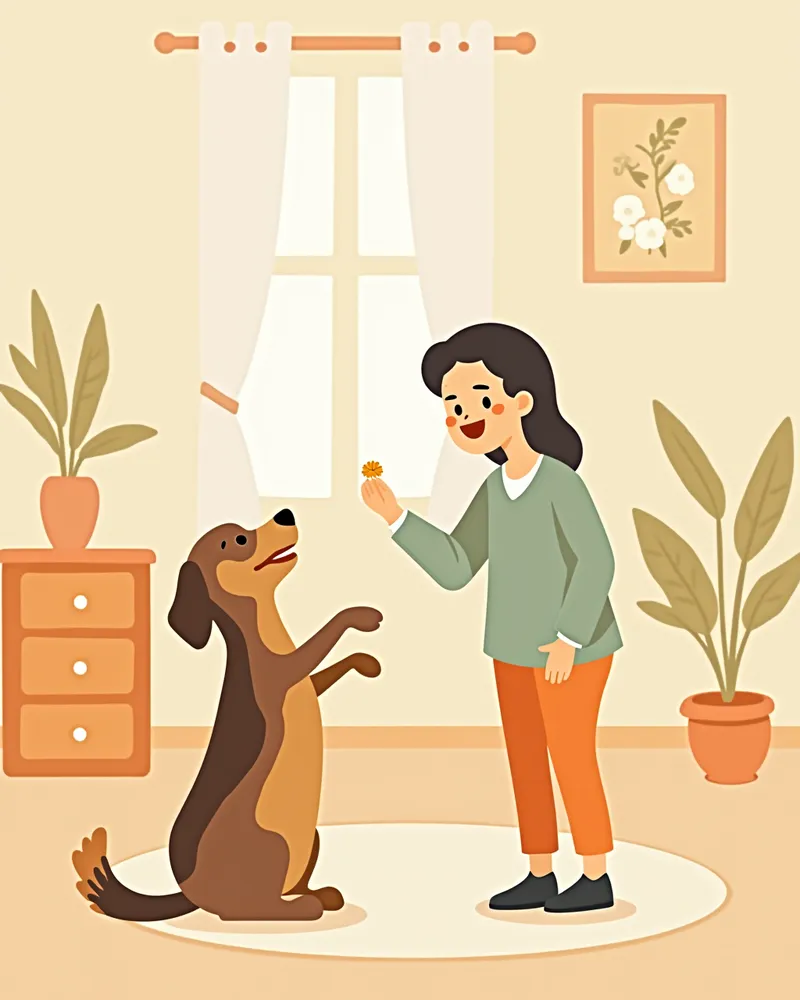
BEST 4 — SMART×50 Positive Reinforcement Training: This method involves dividing 50 daily treats and immediately marking and rewarding your dog every time you observe good behaviors, such as sitting or staying quietly. The key is to strengthen desired behaviors rather than simply suppressing unwanted ones.
BEST 5 — Trick Training: Short tricks like shaking hands or nose touches can be effectively taught in just 5-minute sessions. This practice increases eye contact with you and improves your dog’s focus.
BEST 6 — Socialization and Dog Parks: Allowing your dog to play freely with other dogs in a safe environment is an important form of behavioral enrichment. Dogs with strong social skills tend to exhibit lower anxiety responses in unfamiliar settings.
A puppy undergoing positive reinforcement training with its owner

Behavioral Enrichment Strategy Comparison Chart

ItemSuppliesTime RequiredDifficultyRecommended For
Nose WorkNose work mat & treats10–15 minBeginnerAll dogs
Food PuzzlePuzzle feeder & Kong toy10–20 minBeginner–IntermediateAll dogs
Sniff WalkLeash20–30 minBeginnerAll dogs
SMART×50 Training50 treatsSpread throughout the dayBeginnerPuppies to adult dogs
Trick TrainingTreats & clicker5–10 minBeginner–IntermediateAdult dogs
Dog ParkTransportation30–60 minNoneSocialized dogs

Time required is per session

Points to Note When Getting Started

Introducing multiple stimuli all at once can lead to overexcitement or stress. Start with just one or two new things each day, and watch your dog’s facial expressions and body language to make sure they’re enjoying the experience. If you notice any signs of resistance—such as avoiding the area or refusing treats—lower the difficulty level or take a short break.

Criteria for Choosing the Right Strategy for Your Dog
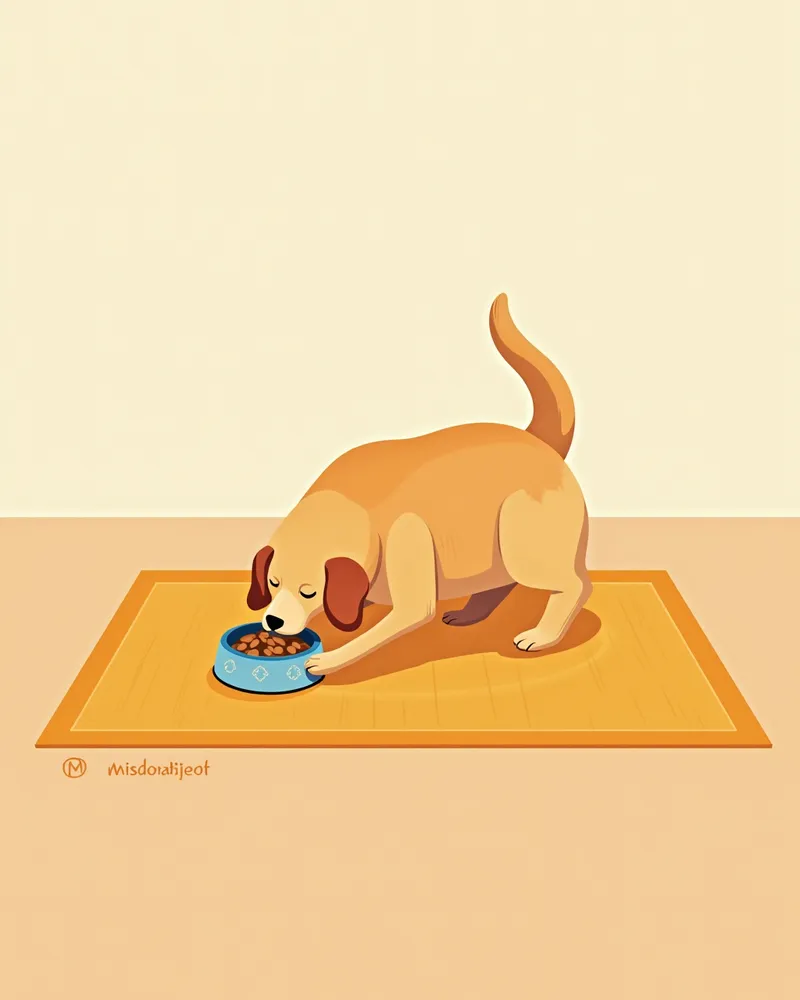
Age: Start with short sessions (3–5 minutes) for puppies (8 weeks to 6 months old). For seniors (8 years and older), prioritize low-impact activities like nose work and puzzle toys to reduce joint stress.
Energy Level: High-energy breeds (such as Border Collies) benefit from combining trick training with scatter feeding. Low-energy breeds are often satisfied with just one puzzle toy.
Problem Behavior Type: If excessive barking or destructive behavior is an issue, prioritize nose work. For dogs with separation anxiety, providing a Kong toy before leaving can be helpful.
Senior dogs using a slow feeder

Precautions by Breed

Certain breeds require special consideration when it comes to environmental enrichment. Genetics and selective breeding shape each breed’s behavioral traits, so the same activity may be perceived differently depending on the breed. Herding breeds like Border Collies have such high activity drives that they often need vigorous aerobic exercise nearly every day; be sure to pair physical exercise with mental stimulation. Retrievers, bred to carry objects in their mouths, respond well to toys that satisfy their urge to fetch and carry. Brachycephalic breeds (such as Bulldogs and Pugs) may have activity limitations due to their unique anatomy, so monitor their condition and adjust the intensity and duration of their activities accordingly.

Reviewed by a veterinarian

Dr. Tony — Punnawat Phongkittirak

Dr. Tony — Punnawat Phongkittirak

Veterinarian

A veterinarian who majored in veterinary medicine at Khon Kaen University, Thailand, and completed the IVSA program at North Carolina State University in the United States. Drawing on clinical experience at animal hospitals, he works in the pet healthcare field and is dedicated to building a digital care environment that connects pet parents with veterinarians.

Frequently Asked Questions

How much enrichment should I provide for my dog each day?
There’s no one-size-fits-all standard duration, as the ideal amount of time varies from dog to dog. Rather than long sessions, it’s more effective to keep them short and frequent, consistently exposing your dog to a variety of environments each day. If your dog shows signs of wanting to stop, end the session immediately.
My pet isn’t interested in puzzle toys. What should I do?
Start with the easiest puzzle level and fill it with your dog’s favorite treats. It’s also effective to demonstrate how it works yourself to spark their interest.
Do senior dogs also need environmental enrichment?
Yes, it’s actually even more important. Activities that help maintain cognitive function, such as nose work or puzzle feeders, are especially well-suited for senior dogs because they place less strain on their joints.
Can separation anxiety improve with environmental enrichment alone?
Environmental enrichment can help manage separation anxiety, but moderate to severe cases require consultation with a veterinary behavior specialist. Offering a Kong toy before leaving home can serve as a helpful supplementary tool.
Are there any precautions to keep in mind when doing nosework indoors?
Start by hiding treats in plain sight where your dog can see you do it, then gradually expand to different locations as they become more comfortable. To prevent frustration and loss of interest, begin with easy-to-find spots in the early stages.

Share

Related Guides

References

[1] Overall KL, Veterinary Guide to Preventing Behavior Problems in Dogs and Cats, 2023

[2] Herron ME, Shreyer T, Introduction to Animal Behavior and Veterinary Behavioral Medicine, Chapter 5, 2022

[3] Sdao K, Plenty in Life Is Free, Dogwise Publishing, 2012

[4] China L, Mills DS, Cooper JL (2020). Efficacy of dog training with and without electronic collars vs. a focus on positive reinforcement. Front Vet Sci. 7:508

This information is based on veterinary literature and does not replace diagnosis or treatment. Please consult a veterinarian for specific health concerns.

Metapet Co., Ltd. | CEO: Park Sung-yong | Business Reg. No. 417-88-02562 | Seoul, South Korea | Customer Center

7 Vet-Recommended Brain-Boosting Enrichment Ideas for Dogs | Meongsiljang