Like
Share
멍실장
강아지 비만과 인슐린 저항성 관리 추천 BEST와 고르는 기준 총정리

7 Key Strategies for Managing Canine Obesity and Insulin Resistance Recommended by Veterinarians

EndocrineTop PicksMeongsiljang Veterinary Advisory Board

Canine obesity can lead to insulin resistance. We’ll introduce how to maintain a healthy weight through proper diet and care.

Canine Obesity Is a Health Issue Closely Linked to Insulin Resistance

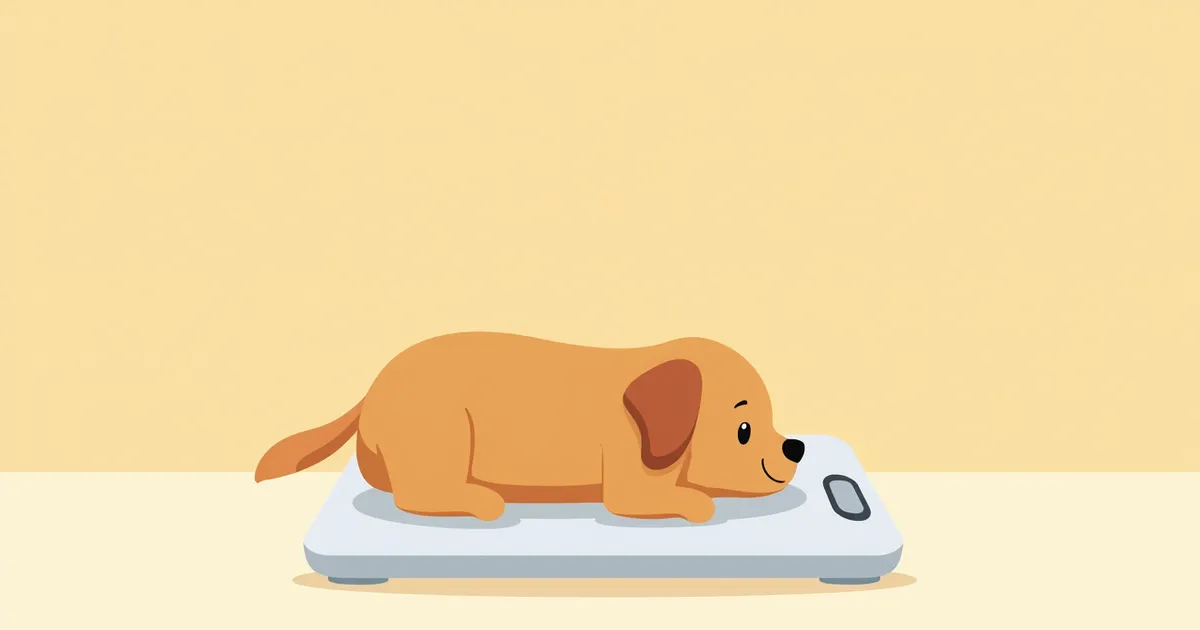
Obese dog, body condition score 7/9
Canine obesity is more than just weight gain; it can lead to serious metabolic issues, including insulin resistance. Excess body fat interferes with insulin function, making blood sugar regulation difficult and increasing the risk of diabetes. Therefore, weight management is not about appearance but a core strategy for maintaining health. Improving diet and lifestyle habits to enhance insulin sensitivity is particularly important. Regular check-ups and collaboration with your veterinarian are essential to develop a sustainable management plan. All of these efforts contribute to improving your dog’s long-term quality of life.

6 Criteria to Consider for Managing Canine Obesity
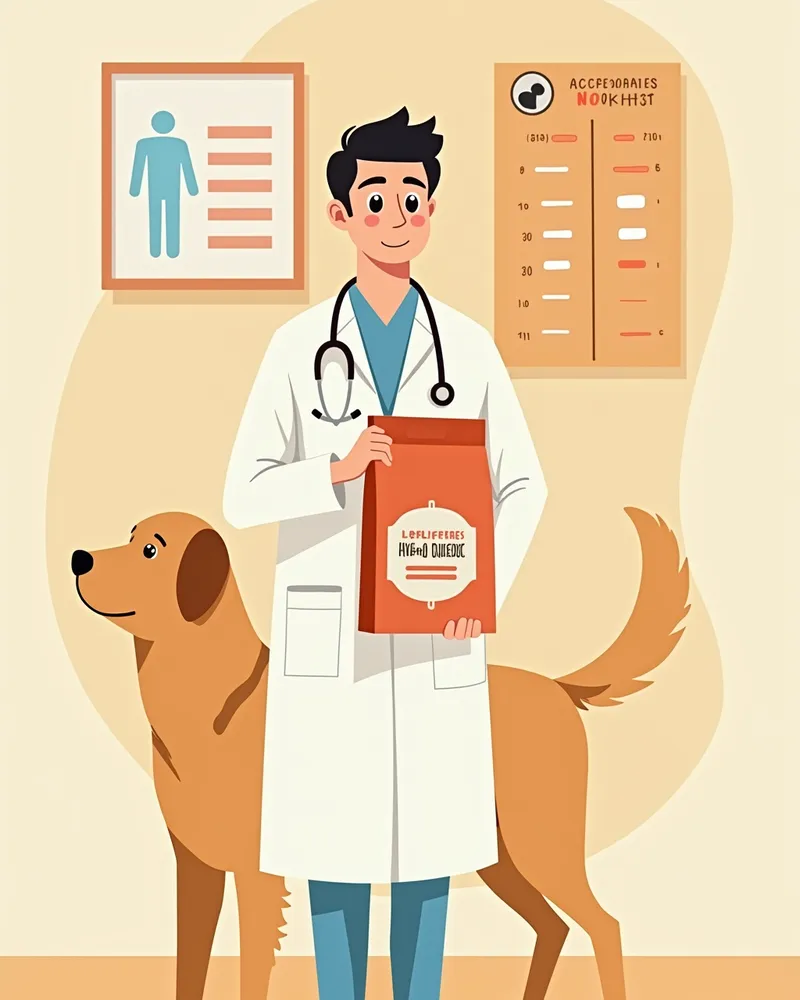
When choosing supplements or diets for managing your dog’s obesity, it’s important to carefully consider several factors. The first step toward effective management is understanding the right criteria.
High-protein diet composition: Providing adequate protein helps minimize lean mass (muscle) loss during weight reduction and supports fat loss.
Appropriate calorie control: Managing calories, such as reducing daily food intake by about 20%, is fundamental to weight loss.
Inclusion of dietary fiber: While fiber-rich diets can help promote satiety, their effectiveness may be limited, so this should be taken into account.
Gradual diet transition: Switching to a new diet should be done gradually over several days to reduce digestive stress.
Meeting veterinarian-recommended standards: Products recommended by a veterinarian after evaluating your dog’s weight and health status are the safest choice.
Individualized weight management: Food portions should be adjustable based on your dog’s weight and activity level.
Dietary products and weight measurement tools for managing canine obesity

BEST 1: Premium High-Protein, Low-Fat Diet
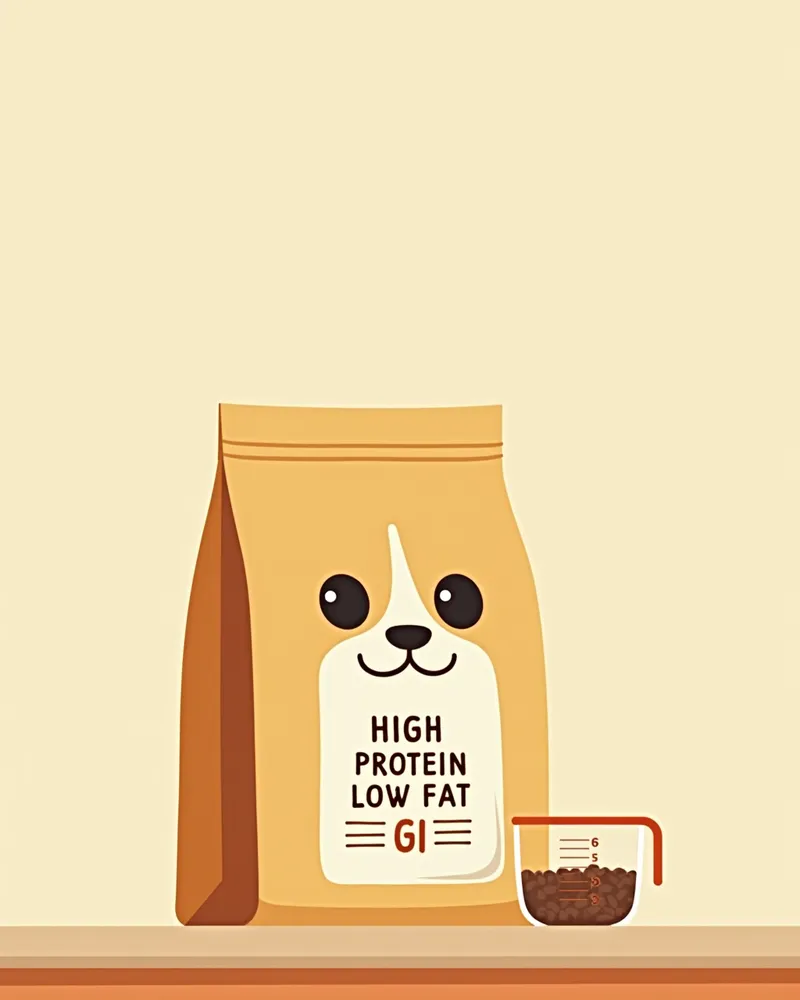
This product is formulated with a high-protein profile to help reduce body fat while minimizing the loss of lean muscle mass. - High-protein formula: Adequate protein intake helps preserve lean body mass and supports fat loss during weight management. - Appropriate calorie control: Reducing portion sizes to manage calorie intake can lead to gradual, sustainable weight loss. - Includes dietary fiber: Fiber is added to promote satiety, though its effectiveness may be limited. - Gradual transition recommended: Introduce the new diet slowly over several days to prevent digestive upset. - Meets veterinary recommendations: Products recommended by your veterinarian, based on your pet’s weight and health status, are the safest choice.
High-protein, low-fat dog food product

BEST 2: Supplement for Improving Insulin Sensitivity
This supplement is a multi-ingredient product that can be used as an aid during weight management. However, based on the available evidence, it is difficult to confirm that its individual ingredients directly improve insulin sensitivity in dogs, so it is best to consult with your veterinarian before use. - Protein and Nutritional Balance: Adequate protein intake is essential to preserve lean body mass (muscle) while losing weight. - Omega-3 Fatty Acids: Obese dogs may have elevated inflammatory markers, which have been reported to decrease with weight loss. - Gradual Introduction: Introduce new supplements or diets gradually over several days to minimize digestive upset. - Veterinary Consultation: For safety, determine the appropriate ingredients and dosage in consultation with your veterinarian, tailored to your dog’s weight and health status. - Adjunct to Comprehensive Care: Supplements are merely an adjunct to overall management, including diet and exercise, and should not be viewed as a standalone solution for improving metabolism.
Nutritional supplement to improve insulin sensitivity in dogs

BEST 3: Probiotic Complex for Weight Management
This product is a supplement that supports gut health using probiotics. Probiotics are known to help regulate intestinal immune function and maintain the homeostasis of intestinal mucosal cells, among other benefits. - Gut Immune Regulation: Probiotics can help modulate intestinal immune function and inhibit the activity of harmful bacteria. - Neuromodulatory and Nutritional Benefits: While neuromodulatory effects and nutritional benefits have been reported, evidence supporting weight loss effects remains limited. - Product Selection Criteria: We recommend products from reputable pharmaceutical or pet food companies. Strain types and CFU concentrations vary significantly between products. - Gradual Adaptation: When first introducing this product, gradual adaptation is advised, as changes in stool consistency may occur. - A Supplement to Comprehensive Care: Probiotics serve as a supportive management tool and do not replace proper diet and exercise.
Probiotics for your dog’s gut health and weight management

Comparison Table of Products BEST 1–3

ItemBEST 1 High-protein DietBEST 2 SupplementBEST 3 Probiotics
Main IngredientsHigh protein, appropriate calorie control, dietary fiberComplex ingredients such as Omega-3Probiotic mixed strains, Prebiotics
Main EffectsMaintains lean body mass (muscle), reduces body fatSupports improvement of inflammation-related markers (limited evidence)Regulates intestinal immunity, supports gut health
Suitable SituationDogs needing weight loss, needing dietary transitionWhen metabolic health support is neededWhen gut health management is needed
Precautions for UseFeeding amount must be adjusted according to body weightIngredients and dosage require consultation with a veterinarianWatch for changes in bowel movements during initial use

These are products recommended by the veterinarian considering body weight and health condition.

Caution: Excessive Weight Loss Can Lead to Metabolic Disorders

Rapid weight loss in dogs can lead to muscle (lean body mass) loss and a slowed metabolism. A safe rate of weight loss is approximately 1–2% per week, not per day. Sudden dietary changes can cause digestive issues, so it’s important to transition to a new diet gradually over several days.

Tips for Successful Canine Obesity Management

Successful management goes beyond simple dietary adjustments; it means transforming daily habits. - Regular walks and exercise: Ensure consistent walks of 15–30 minutes each day. - Fixed feeding times: Establishing a set meal schedule helps stabilize digestive function and regulate appetite. - Preventing overeating: Limit treats to no more than 10% of your pet’s total daily caloric intake. - Weight tracking: Record your pet’s weight once a week to monitor changes. - Collaboration with your veterinarian: Regularly review target weight and progress with your vet. - Small habit changes: Sustainable habits are the key to long-term health.
A pet owner walking with their dog

Reviewed by a veterinarian

Dr. Tony — Punnawat Phongkittirak

Dr. Tony — Punnawat Phongkittirak

Veterinarian

A veterinarian who majored in veterinary medicine at Khon Kaen University, Thailand, and completed the IVSA program at North Carolina State University in the United States. Drawing on clinical experience at animal hospitals, he works in the pet healthcare field and is dedicated to building a digital care environment that connects pet parents with veterinarians.

Frequently Asked Questions

Can obesity in dogs lead to diabetes?
Yes, obesity in dogs can lead to insulin resistance, increasing the risk of diabetes. Weight management is crucial.
Can weight loss be achieved with dietary supplements alone?
While dietary supplements can be helpful, comprehensive care—including regular exercise, consistent feeding schedules, and daily walks—is essential.
When is the appropriate time to start giving my pet a nutritional supplement?
After receiving a diagnosis from a veterinarian, it is safe to begin administration according to your pet's weight and health condition.
Do probiotics help with gut health?
Probiotics can support gut health by helping to regulate intestinal immune function. However, since there is still limited evidence supporting their effectiveness for weight loss, it’s best to view them as a complementary aid rather than a primary solution.
What are some ways to prevent overeating while losing weight?
Setting regular meal times, limiting treats and snacks, and providing a sense of fullness through walks are effective strategies.

Share

Related Guides

References

[1] Burkholder WJ. Use of body condition scores in clinical assessment of the provision of optimal nutrition. J Am Vet Med Assoc 2000;217(5):650-4.

[2] The Veterinary Workbook of Small Animal Clinical Cases. The New Puppy Wellness Examination. 2014;244(11):1279-84.

[3] Applied Veterinary Clinical Nutrition, 2nd Ed. Figure 9.1: Nine-point body condition scoring system for dogs. Nestlé Purina PetCare Company.

This information is based on veterinary literature and does not replace diagnosis or treatment. Please consult a veterinarian for specific health concerns.

Metapet Co., Ltd. | CEO: Park Sung-yong | Business Reg. No. 417-88-02562 | Seoul, South Korea | Customer Center

7 Key Strategies for Managing Dog Obesity and Insulin Resistance | Meongsiljang