Like
Share
멍실장
강아지 당뇨성 케톤산증 관리 추천 BEST와 고르는 기준 총정리

7 Emergency Warning Signs of Diabetic Ketoacidosis in Dogs — Symptoms You Must Not Miss

EndocrineTop PicksMeongsiljang Veterinary Advisory Board

Diabetic ketoacidosis in dogs is a life-threatening emergency. Proper management and careful product selection are key to successful treatment.

Canine Diabetic Ketoacidosis Is a Life-Threatening Emergency
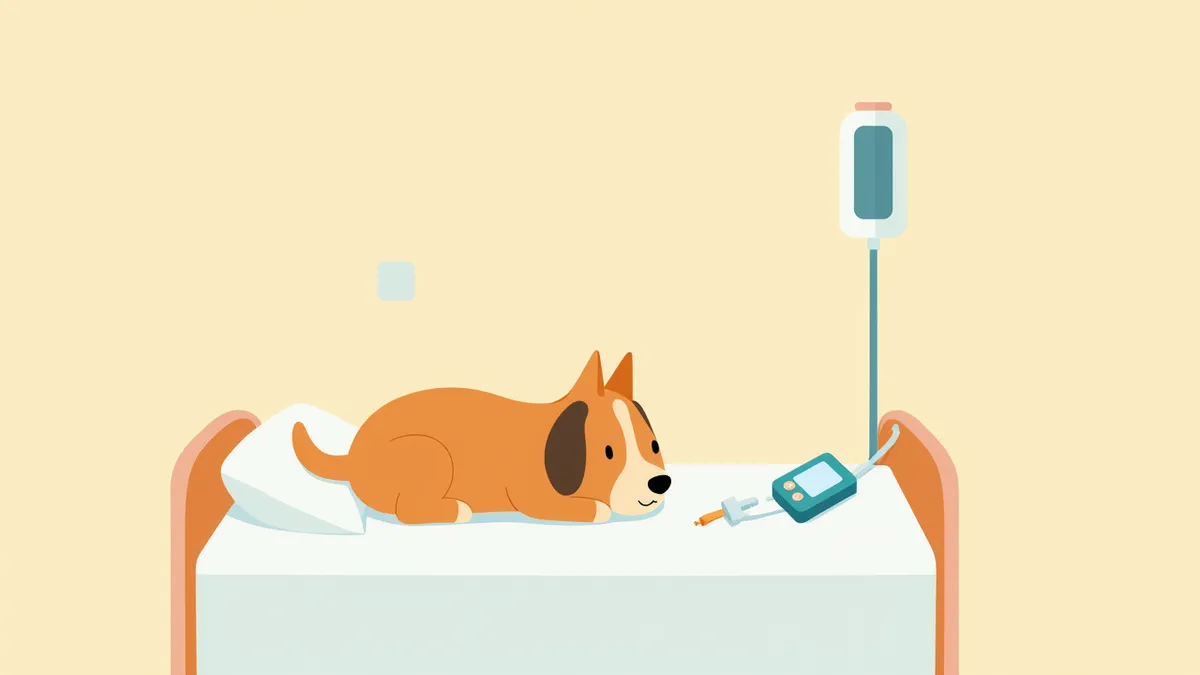
The puppy is receiving intensive care at the hospital, with intravenous fluids and blood glucose monitoring equipment in use.
Canine diabetic ketoacidosis (DKA) is an emergency condition in which a lack of insulin causes blood sugar to rise sharply, and the body breaks down fat for energy, leading to excessive production of ketones. It is characterized by hyperglycemia, ketonemia, and metabolic acidosis, along with dehydration and electrolyte imbalances. These changes can lead to loss of appetite, vomiting, lethargy, labored breathing, and a fruity or acetone-like odor on the breath. If left untreated, DKA can progress to coma or death, making it a life-threatening emergency with a high mortality rate. - Emergency treatment: During the acute phase, treatment focuses on fluid and electrolyte replacement, lowering blood glucose, correcting acidosis, and identifying and addressing any underlying triggers. - Blood sugar management: Once stable, diabetes is managed long-term through insulin injections and dietary control. - Early detection: Immediate veterinary care is essential as soon as symptoms appear. - Veterinary collaboration: Regular check-ups and blood tests are necessary to monitor your dog’s condition. - Daily care: Maintaining consistent feeding and insulin injection schedules is crucial. - Prevention-focused approach: Carefully managing daily habits helps prevent recurrence of ketoacidosis.

Essential Criteria for Selecting Products to Manage Ketoacidosis

When choosing products to manage diabetic ketoacidosis in dogs, safety and efficacy are paramount. Always follow the ingredient and dosage guidelines recommended by your veterinarian. For blood sugar control, prioritize a low-glycemic index (GI) diet that avoids simple sugars and instead uses complex carbohydrates and dietary fiber to slow carbohydrate absorption. A diet with adequate protein content can also be beneficial. Additionally, the product should be easy to administer and in a form that your dog will readily accept. Be sure to verify the source of the ingredients and any quality certifications. You may also consider functional products designed to reduce the management burden for pet owners.
Dog food packaging that clearly lists veterinarian-recommended dietary ingredients

BEST 1: Low-Sugar, High-Protein Diet (Veterinarian Recommended)

This product is a low-glycemic-index, high-protein diet formulated for managing diabetic ketoacidosis in dogs, with a focus on preventing sharp post-meal blood sugar spikes. By reducing simple sugars and incorporating complex carbohydrates and dietary fiber, it ensures slow carbohydrate absorption, while adequate protein supports muscle maintenance. Designed with appealing taste and texture to encourage consistent intake, it is ideal for regular feeding at set times and amounts. When used in accordance with a veterinarian’s stage-specific dietary recommendations, it helps maintain stable blood glucose levels.
A low-sugar, high-protein dog food that your pup will love, featuring a combination of meat and vegetables.

BEST 2: Blood Sugar Monitoring Kit (Real-Time Tracking)
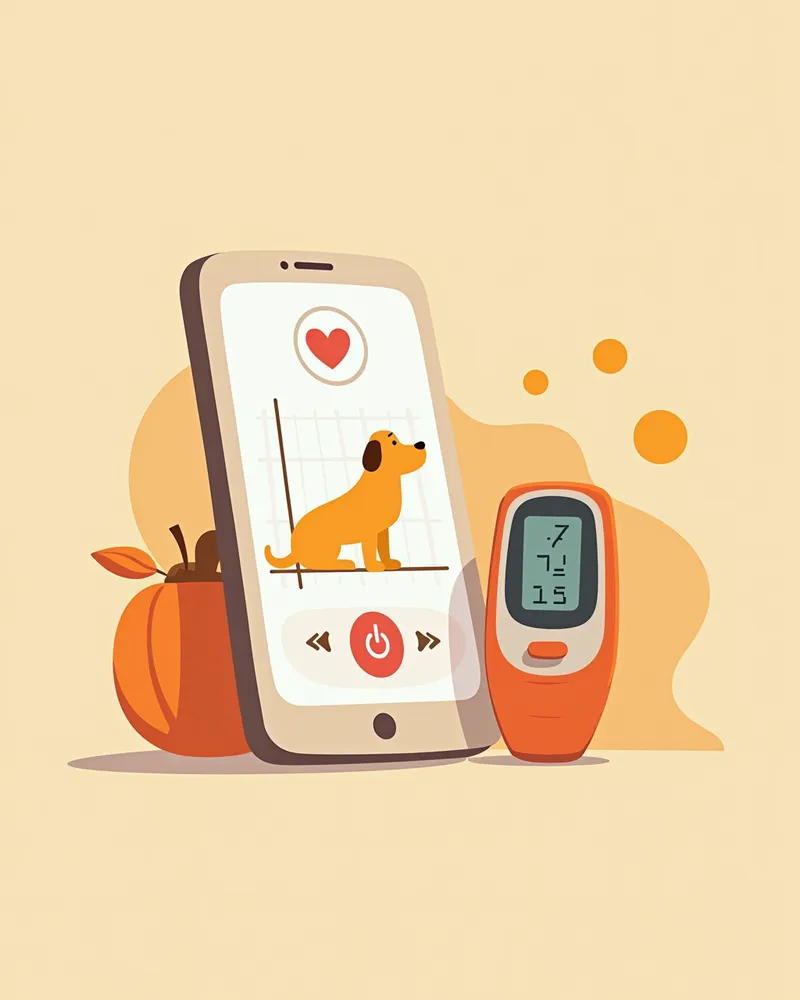
This kit helps you regularly monitor your dog’s blood sugar at home. Unlike humans, dogs are typically tested using a small blood sample taken from the edge of the ear or the paw pads. Recently, continuous glucose monitoring (CGM) devices, which are attached to the skin behind the shoulder blade to continuously measure glucose levels in the interstitial fluid, are also being used. The results sync with a smartphone app, making it easy to track trends. Follow your veterinarian’s instructions for testing frequency and methods, and sharing the data can help adjust treatment plans, such as insulin dosages. However, home monitoring is a supplementary tool, and you must strictly follow the manufacturer’s instructions before use to maintain accuracy.
A smartphone-connected blood glucose meter that displays a graph of your dog’s blood sugar trends.

BEST 3: Insulin Syringe Set (Customized Dosage)
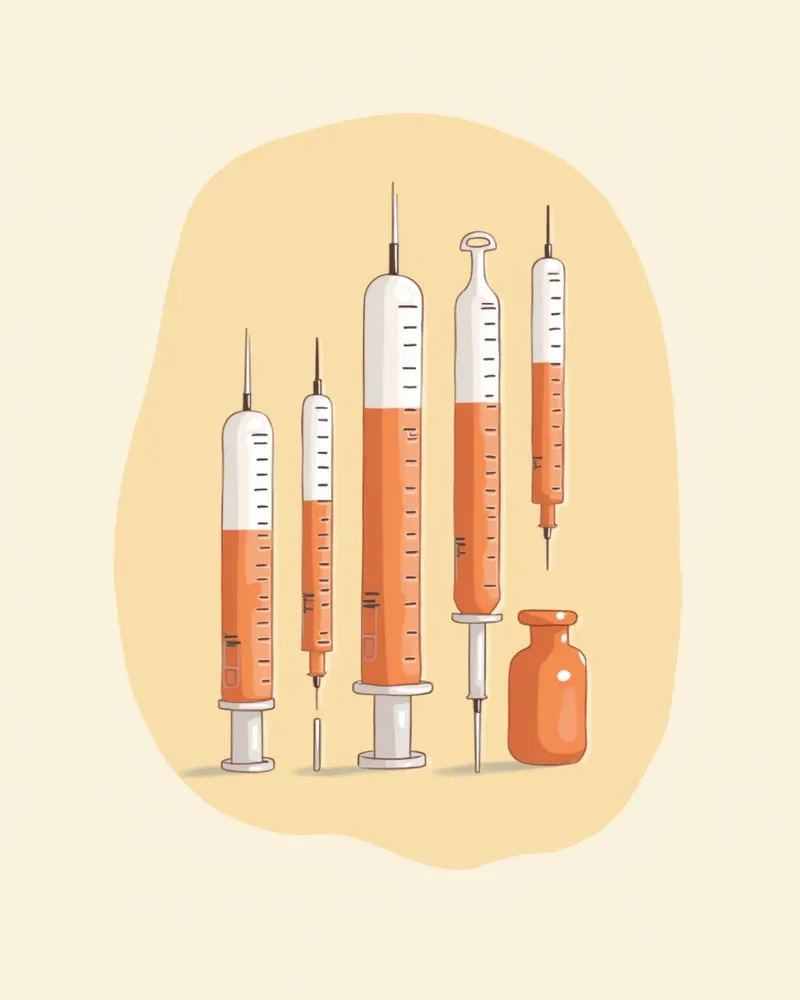
This kit is designed to help you accurately administer the insulin dosage prescribed for your dog based on their weight and health condition. It’s especially important to use an insulin syringe specifically matched to the concentration of your insulin product, as concentrations vary between brands—this helps prevent accidental over- or under-dosing. The syringes are compact and portable, with clear volume markings inside for easy reading. The set includes a convenient, airtight storage case. Remember to store the insulin itself in the refrigerator and gently roll it between your palms to mix before each use. Maintaining the exact dosage prescribed by your veterinarian is key to effectively stabilizing your dog’s blood sugar levels.
Insulin syringe set for dogs, with a storage case and precise dose adjustment

Comparison Table of Products BEST 1–3

ItemBEST 1 Diet ProductBEST 2 Monitoring KitBEST 3 Syringe Set
Main functionLow-sugar high-protein diet for blood sugar stabilizationReal-time blood glucose measurement and data syncingCustom syringe for accurate insulin injection
Ease of useEasy to feed, high dog preferenceSmartphone-linked, user-friendly interfaceCompact and portable, easy dose adjustment
CostMedium level (around $40/month)High (initial investment of $100 or more)Medium level (syringe set around $20)
Medical integration potentialVet-recommended diet, can be linked to treatment planCan aid examinations through data-sharing featureAccurate dose records make prescription management easy

Selection after consulting a veterinarian is recommended. Ideally, products should be used in conjunction with a clinic's prescription.

Caution: Visit the Vet Immediately If You Suspect Ketoacidosis

If your dog shows symptoms such as loss of appetite, vomiting, difficulty breathing, lethargy, or a fruity odor on their breath, it may indicate diabetic ketoacidosis. This is a life-threatening emergency, so you should take your dog to the vet immediately. Home care is only supportive; professional veterinary intervention is essential for treatment.

Usage Tips: Daily Management and Prevention Strategies

Managing ketoacidosis requires consistent daily care habits. Insulin is typically administered one to two times a day, immediately after meals at set times, to maintain stable blood glucose levels. - Dietary Management: Provide a consistent diet with a fixed composition and portion size, focusing on low-glycemic-index foods that avoid simple sugars and emphasize complex carbohydrates and dietary fiber. - Injection Accuracy: Set alarms to ensure you never miss the correct dosage or timing. Store insulin in the refrigerator and gently roll it between your palms to mix it before use. - Behavioral Monitoring: Record your dog’s activity level, appetite, water intake, and bowel and urinary habits every day. - Minimizing Stress: Avoid environments with frequent changes; maintaining a stable routine is helpful. - Emergency Preparedness: Contact your veterinarian immediately if you suspect symptoms of ketoacidosis. All these habits contribute to long-term health maintenance.
A calm environment for regular meals and monitoring of your puppy

Reviewed by a veterinarian

Dr. Tony — Punnawat Phongkittirak

Dr. Tony — Punnawat Phongkittirak

Veterinarian

A veterinarian who majored in veterinary medicine at Khon Kaen University, Thailand, and completed the IVSA program at North Carolina State University in the United States. Drawing on clinical experience at animal hospitals, he works in the pet healthcare field and is dedicated to building a digital care environment that connects pet parents with veterinarians.

Frequently Asked Questions

Can ketoacidosis be cured?
Ketoacidosis itself is a medical emergency, but with proper treatment and management, you can prevent recurrences by controlling the underlying diabetes. While a complete cure is difficult, your pet can still lead a normal daily life.
How often should I check my pet’s blood sugar at home?
In the early stages of treatment, it is recommended to administer the medication 2 to 3 times daily, while during the stable phase, once daily is sufficient. Please adjust the dosage according to your veterinarian's instructions.
Will changing the diet affect blood sugar levels?
Changes in dietary composition can affect blood sugar levels. For safety, consult your veterinarian before making any changes and transition gradually.
Where can I purchase syringe sets?
You can purchase it with a veterinarian’s prescription at veterinary clinics or pharmacies. There are also reputable online retailers that sell genuine products.
What can be done to prevent a recurrence of ketoacidosis?
The most important aspects are regular meals, accurate insulin injections, routine blood glucose monitoring, and regular check-ups with your veterinarian.

Share

Related Guides

References

[1] The Dog Care Handbook, Things I Wish My Vet Had Told Me, 2023

[2] Notes on Canine Internal Medicine, 4th Ed, 2022

[3] Clinical Medicine of the Dog and Cat, 4th Ed, 2021

This information is based on veterinary literature and does not replace diagnosis or treatment. Please consult a veterinarian for specific health concerns.

Metapet Co., Ltd. | CEO: Park Sung-yong | Business Reg. No. 417-88-02562 | Seoul, South Korea | Customer Center

7 Emergency Warning Signs of Diabetic Ketoacidosis in Dogs | Meongsiljang