Like
Share
멍실장
강아지 비강 종양 관리 추천 BEST와 고르는 기준 총정리

Top Recommendations and Selection Criteria for Canine Nasal Tumor Management

RespiratoryTop PicksMeongsiljang Veterinary Advisory Board

Canine nasal tumors are rare conditions that are difficult to detect early, making proper management and treatment essential. The key is to work with your veterinarian to develop a tailored care plan.

Canine Nasal Tumors Are Rare Conditions That Are Difficult to Detect Early

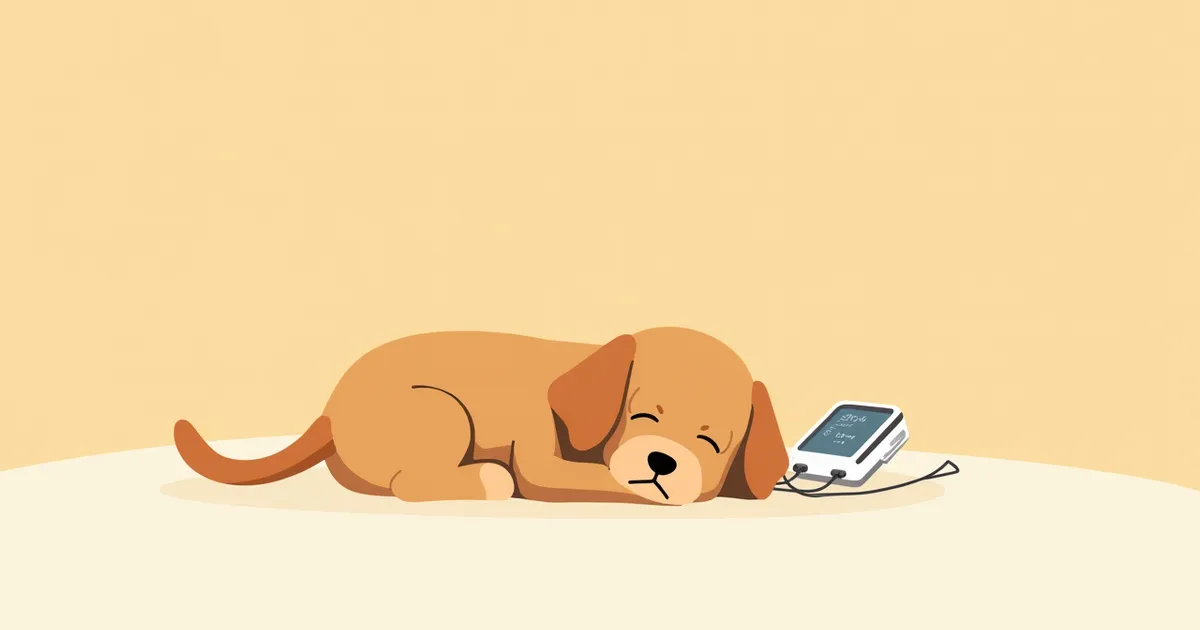
A scene of a veterinary examination for a dog suspected of having nasal tumors.
Nasal tumors in dogs are malignant growths that develop within the nasal cavity. In the early stages, they may only present mild symptoms such as nasal discharge, congestion, and nosebleeds. Because these signs closely resemble those of a cold or allergies, pet owners often overlook them. As the tumor progresses, more severe symptoms like difficulty breathing, facial swelling, and redness in the eyes may appear. Definitive diagnosis is challenging without a thorough examination by a veterinarian. Early diagnosis significantly improves treatment success rates, so it is essential to visit a veterinary clinic if symptoms persist.

Key Information: Managing Canine Nasal Tumors

When choosing a treatment for nasal tumors in dogs, it’s important to consider not just the effectiveness of the treatment, but also the treatment goals and how well potential side effects can be managed. Radiation therapy is the most commonly used treatment for nasal tumors. Surgery alone often doesn’t provide good symptom control or significantly improve survival time, so it’s sometimes used as a supplementary method to reduce any remaining tumor after radiation therapy. Treatment approaches can be divided into curative (aimed at complete removal) and palliative (focused on symptom relief), depending on the tumor’s location, size, and the dog’s overall health. While some case reports suggest benefits from drug therapies or complementary treatments, there isn’t enough evidence to support their widespread use, so they’re carefully considered as part of multi-modal or palliative care plans. Therefore, it’s essential to have a comprehensive discussion with your veterinarian about the type of tumor and your dog’s health status before making a decision.
A store scene with shelves displaying supplements for managing nasal tumors in dogs.

Key Information 1: What Symptoms Appear and How Serious Are They?

Nasal tumors in dogs are relatively rare, but by the time they’re discovered, they’re often already advanced. The hallmark signs include discharge from one or both nostrils—starting as clear mucus and worsening to bloody discharge—snoring or mouth breathing due to nasal obstruction, and persistent sneezing. Facial deformity, swelling around the eyes, and decreased appetite may also occur. If these symptoms last for several weeks or more, it’s crucial to seek veterinary care without delay.
Product photo of X-100, a nasal-specific supplement

Key Information 2: What Are the Diagnosis and Treatment Options?

To confirm the diagnosis, CT or MRI imaging, nasal endoscopy, and a tissue biopsy are required. Blood tests, coagulation profiles, and chest X-rays are also performed to assess the patient’s overall health and check for metastasis. Treatment options depend on the tumor type, extent, and the patient’s systemic condition. Currently, radiation therapy is the most commonly used treatment for nasal tumors, as it effectively manages clinical signs such as nasal discharge and epistaxis while extending survival time. Surgery alone typically does not significantly improve symptoms or survival, so it is often combined with radiation therapy, followed by surgical debulking of any remaining tumor or concurrent chemotherapy. A veterinary oncologist will determine the specific treatment plan based on the imaging and pathology results.
Using a nasal cleanser on a puppy

Key Information 3: Daily Care and Precautions for Pet Owners

During treatment, it is important to maintain your pet’s appetite, ensure adequate hydration, and practice good oral hygiene. Wipe away nasal discharge frequently and provide a comfortable environment that supports easy breathing. Regular follow-up visits are essential to monitor treatment response and watch for any side effects. Claims found online suggesting that certain supplements or herbs can suppress tumors or prevent metastasis lack veterinary scientific evidence. Administering unverified products may interfere with treatment, so always consult your veterinarian before giving any supplements.
The custom formulation system screen for the puppy immune supplement N-30

What Pet Owners Should Know About Canine Nasal Tumors

ItemKey Points
SymptomsBloody nasal discharge, nasal congestion, sneezing, reverse sneezing, facial deformity
Cause & DiagnosisConfirmed by CT/MRI imaging + tissue biopsy
TreatmentRadiation therapy, chemotherapy, surgery, etc., decided by the veterinarian
CautionDo not use unverified supplements or products claiming a complete cure
ManagementRegular re-examination; maintain appetite, hydration, and breathing environment

This is not a table recommending specific products or clinics, but a reference for consulting with your veterinarian. Always make treatment and testing decisions together with your veterinarian through an examination.

Caution: Persistent Nasal Discharge Requires an Immediate Veterinary Visit

If your dog has a runny nose for more than a week, or shows symptoms like nosebleeds, facial swelling, or difficulty breathing, there may be a nasal tumor. Early diagnosis is crucial for this condition, as delayed treatment can make it more difficult to manage. Consult a veterinarian immediately and undergo imaging tests or a biopsy for an accurate diagnosis. If you delay visiting the clinic, treatment options may become limited, so if symptoms persist, make sure to seek veterinary care right away.

Usage Tips: Daily Care and Environmental Adjustments Are Important

Managing nasal tumors in dogs benefits greatly from daily environmental adjustments. Using an air purifier to reduce dust and allergens, while maintaining humidity between 40% and 60%, can ease breathing. Ensure your dog’s resting area is well-ventilated but free from direct drafts. Additionally, choose soft foods to prevent post-meal nasal discharge, and keep their water fresh by changing it frequently. Consistently following your veterinarian’s recommended care plan can significantly help maintain your dog’s quality of life.
Creating a Comfortable Indoor Environment for Managing Nasal Tumors in Dogs

Reviewed by a veterinarian

Dr. Tony — Punnawat Phongkittirak

Dr. Tony — Punnawat Phongkittirak

Veterinarian

A veterinarian who majored in veterinary medicine at Khon Kaen University, Thailand, and completed the IVSA program at North Carolina State University in the United States. Drawing on clinical experience at animal hospitals, he works in the pet healthcare field and is dedicated to building a digital care environment that connects pet parents with veterinarians.

Frequently Asked Questions

Can nasal tumors in dogs be cured?
It depends on the type and stage of the tumor. When detected early, radiation therapy can help alleviate symptoms and extend survival, but a complete cure is uncommon. In most cases, the primary goal of treatment is to improve quality of life and manage symptoms.
What causes nasal tumors?
The exact cause remains unclear. However, breed and skull shape are known risk factors: long-snouted (dolichocephalic) and medium-snouted (mesocephalic) breeds have a higher risk, while short-snouted (brachycephalic) breeds tend to have a lower risk. The condition is also more common in medium- to large-sized dogs and older, senior dogs.
Is radiation therapy painful?
During radiation therapy, your dog needs to remain still, so mild anesthesia or sedation may be required. The treatment itself is generally not very painful, and your veterinarian will carry it out with minimal stress. However, the number of sessions and the specific approach will vary depending on the tumor’s condition, so please consult with your attending veterinarian.
When should I start giving the supplement?
There is no specific recommended timing for taking supplements that have been proven effective against nasal tumors. In fact, no supplements have been clinically verified to inhibit tumor growth or prevent metastasis. Therefore, rather than starting any supplement on your own, it is more important to follow your veterinarian’s guidance for pain management and palliative care when symptoms such as pain or difficulty breathing occur. Since all supplements may potentially interfere with treatment, always consult your attending veterinarian before making any decisions.
Are nasal tumors common in dogs?
Nasal and sinus tumors account for approximately 1–2% of all canine tumors, making them a relatively rare condition. However, if symptoms persist for several weeks or longer, a definitive diagnosis is essential.

Share

Related Guides

References

[1] Withrow, S.J., & Vail, D.M. (2020). Small Animal Clinical Oncology. 5th ed. Elsevier.

[2] Lloyd, D.H., & Rassnick, K.M. (2018). Veterinary Oncology: An Essential Guide. Wiley-Blackwell.

[3] BSAVA Manual of Canine and Feline Dermatology, 4th Ed. (2021). BSAVA Publications.

This information is based on veterinary literature and does not replace diagnosis or treatment. Please consult a veterinarian for specific health concerns.

Metapet Co., Ltd. | CEO: Park Sung-yong | Business Reg. No. 417-88-02562 | Seoul, South Korea | Customer Center

Canine Nasal Tumor: Top Products & Selection Criteria | Meongsiljang