Like
Share
멍실장
강아지가 수의사와 함께 생검 검사를 받는 모습

7 Criteria Veterinarians Recommend for Choosing Canine Tumor Biopsy and Fine-Needle Aspiration

Oncology/CancerTop PicksMeongsiljang Veterinary Advisory Board

Biopsies and fine-needle aspiration are essential for accurate lesion analysis in diagnosing canine tumors. Choosing the right techniques and equipment enables early diagnosis and treatment.

What Are Canine Tumor Biopsy and Fine-Needle Aspiration?
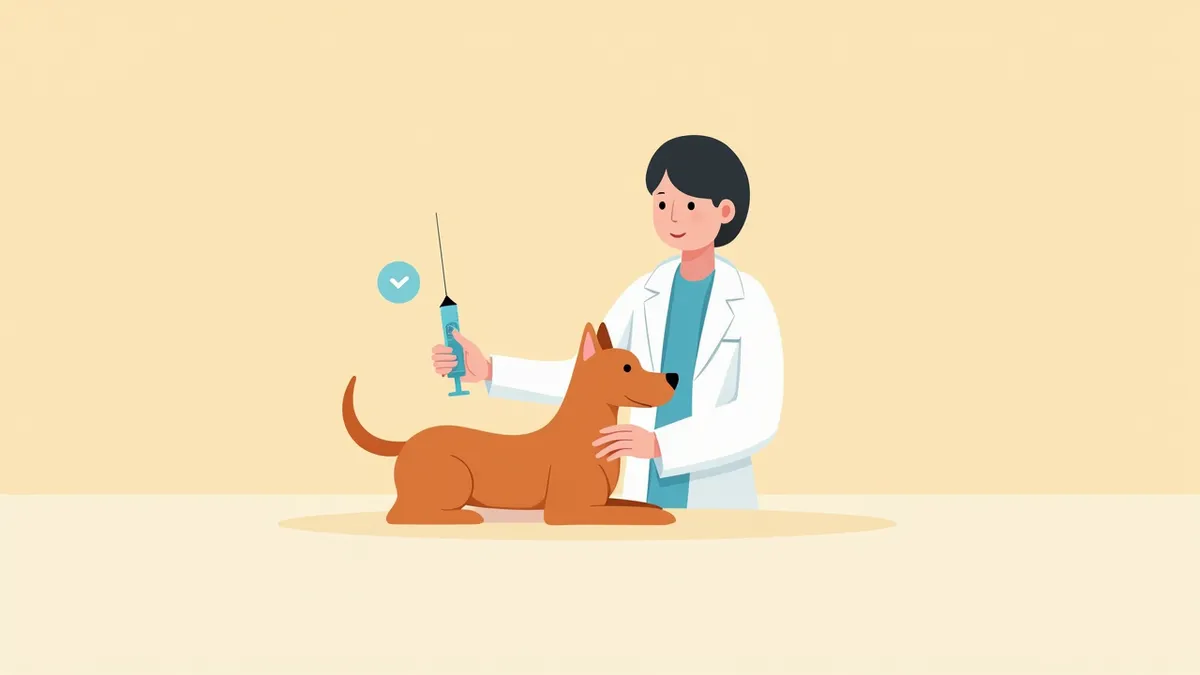
A veterinarian preparing to perform a fine-needle aspiration biopsy on a dog’s tumor
Tumor biopsies and fine-needle aspirates (FNAs) are diagnostic procedures that collect cells or tissue from the affected area for microscopic analysis. These tests play a crucial role in determining whether a tumor is benign or malignant and identifying its specific type. However, since FNAs alone may not accurately determine the tumor’s grade, a tissue biopsy (histopathology) may be necessary to confirm both the type and grade. FNAs involve collecting cells with a small needle, making them relatively painless, simple, and well-tolerated by most dogs even while awake. In contrast, biopsies involve removing part or all of the tissue, allowing for evaluation of the tumor’s structure and grade, but they are generally more invasive and require anesthesia. The choice between these methods depends on the mass’s location, type, and condition, as determined by the veterinarian. Accurate interpretation relies on trustworthy pathology testing and skilled sample collection techniques.

Selection Criteria: Tips for Choosing a Hospital for Biopsy and Fine-Needle Aspiration

Choosing the right biopsy equipment and procedures is crucial for accurate diagnosis. Be sure to check the following criteria.
Ability to provide precise diagnosis: The equipment should have high cell sampling efficiency and cause minimal tissue damage.
Dog stability: The design should minimize pain and stress.
Reusability: Reusable products that are easy to disinfect offer excellent cost-effectiveness.
Convenience for medical staff: Products with comfortable handles and intuitive usability are preferred.
Guarantee of accurate results: The product should be designed so that veterinarians can easily interpret the results.
A veterinarian examining the results of a fine-needle aspiration test under a microscope.

Check 1: Whether Fine-Needle Aspiration and Biopsy Are Appropriately Utilized According to the Situation

Tumor testing is divided into fine-needle aspiration (FNA), which extracts cells using a thin needle, and biopsy, which removes a small piece of tissue. FNA is simple and places less anesthetic burden on the patient, but a biopsy is often necessary to definitively determine the tumor type and its degree of malignancy. It’s best to choose a clinic that offers both methods and explains which test is most appropriate based on your dog’s mass location, size, and condition. Rather than insisting on just one approach, look for a clinic that takes a step-by-step diagnostic strategy.
Precision Fine-Needle Aspiration Kit Box and Components

Check 2: Whether Imaging Guidance and Pathology Referral Systems Are in Place
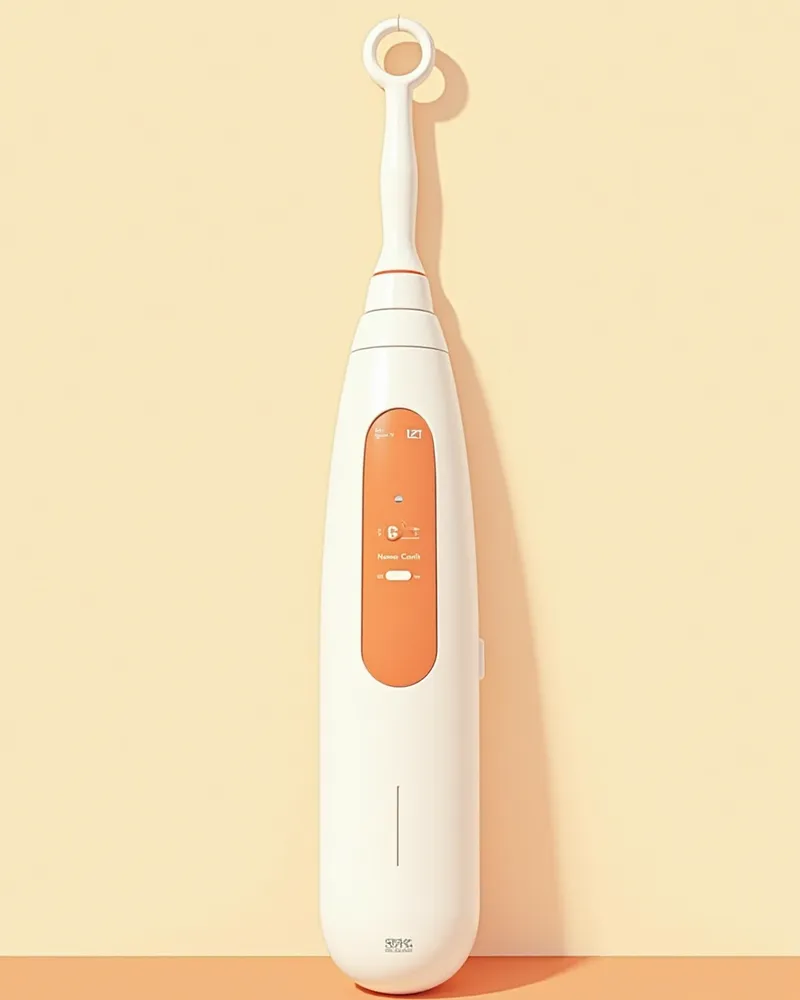
For masses located deep within the body or in internal organs, it is essential to use imaging techniques such as ultrasound to precisely guide the sampling process, ensuring both safety and accuracy. The collected cells and tissues are then sent to a specialized pathology laboratory for microscopic analysis, so it is advisable to choose a clinic that has established partnerships with reputable pathology labs. To ensure peace of mind, select a facility that evaluates bleeding risks and the need for anesthesia before the procedure, and provides clear guidance on how to approach sampling in difficult-to-access areas.
Stable biopsy tool set for beginners

Check 3: Whether Results Are Explained in Connection with Grade and Treatment

Biopsy results do more than simply indicate whether a tumor is benign or malignant; they also reveal the tumor type and grade, guiding the next steps in treatment. It is best to choose a veterinary hospital where the veterinarian clearly explains what the pathology results mean and whether additional staging tests, surgery, or chemotherapy are necessary. If the hospital recommends re-biopsy or further testing when results are inconclusive, and refers you to a veterinary oncology specialist, you can ensure that the optimal timing for treatment is not missed.
Post-Examination Home Care Tumor Management Kit

Checklist for Selecting a Hospital for Tumor Biopsy and Fine-Needle Aspiration

ItemRecommended criteria
Testing methodA facility that appropriately uses fine-needle aspiration (FNA) and tissue biopsy according to the situation
Test operationA facility equipped with imaging guidance such as ultrasound and a reliable pathology referral system
Interpretation capabilityA veterinarian who accurately interprets tumor type and grade
Result interpretationA facility that explains results by connecting them to next steps such as staging, surgery, and chemotherapy
Cost guidanceA facility that informs you in advance of estimated costs and the possibility of additional tests before testing

This is not a table recommending specific products or hospitals, but criteria to reference when consulting your veterinarian. Always make treatment and testing decisions together with your veterinarian through an examination.

Precautions and Contraindications

It’s essential to assess your dog’s overall health before performing a biopsy. If there’s a tendency to bleed or any abnormalities in blood clotting, a biopsy should be avoided. Additionally, if the tumor is very deep or closely attached to surrounding organs, the risks of a biopsy increase. Please discuss thoroughly with your veterinarian before making a decision.

Usage Tips and Management Methods

Closely monitor your dog for at least 24 hours after the biopsy. If you notice swelling, bleeding, or signs of pain at the site, contact your veterinarian immediately. After use, be sure to disinfect or dispose of tools to maintain hygiene. Reusable items should be washed, rinsed thoroughly with clean water, and dried completely in a well-ventilated area. Store them in a clean container that protects against dust and moisture. Regularly inspect tools for damage, and replace any that have become dull or damaged right away.
A puppy recovering after a checkup, comfortably resting while wearing a protective suit.

Reviewed by a veterinarian

Dr. Tony — Punnawat Phongkittirak

Dr. Tony — Punnawat Phongkittirak

Veterinarian

A veterinarian who majored in veterinary medicine at Khon Kaen University, Thailand, and completed the IVSA program at North Carolina State University in the United States. Drawing on clinical experience at animal hospitals, he works in the pet healthcare field and is dedicated to building a digital care environment that connects pet parents with veterinarians.

Frequently Asked Questions

Is a fine-needle aspiration biopsy very painful?
While every dog reacts differently, most experience only brief discomfort, and because the veterinarian performs the procedure quickly, there’s minimal stress involved.
Can I take my pet home right after the biopsy?
It’s safe to take your dog home after observing them for about 1–2 hours post-biopsy. Let the veterinarian know right away if your dog becomes drowsy or anxious.
How long does it take to see results?
Results are typically available within 1 to 3 days. More complex cases may take longer.
Is a biopsy absolutely necessary?
A biopsy is the most reliable way to accurately determine the nature of a tumor. Other tests may not provide a definitive diagnosis.
Can this test be replaced with another one?
Imaging tests and blood work can be helpful, but a biopsy is necessary to definitively determine the type of tumor.

Share

Related Guides

References

[1] Hostetter S.J. (2023) Oral cavity, gastrointestinal tract, and associated structures. In: Canine and Feline Cytology: A Color Atlas and Interpretation Guide, 2nd edn. Saunders Elsevier, St. Louis, pp. 287–296.

[2] Newkirk K.M., Brannick E.M., Kusewitt D.F. (2021) Neoplasia and tumor biology. In: Pathologic Basis of Veterinary Disease, 7th edn. (ed. J.F. Zachary) Mosby Elsevier, St. Louis, pp. 287–289.

[3] Dhaliwal et al. (1998) Maxillectomy in dogs: complications and outcomes. Veterinary Surgery, 27(3):215–220.

This information is based on veterinary literature and does not replace diagnosis or treatment. Please consult a veterinarian for specific health concerns.

Metapet Co., Ltd. | CEO: Park Sung-yong | Business Reg. No. 417-88-02562 | Seoul, South Korea | Customer Center

7 Vet-Recommended Criteria for Choosing Canine Tumor Biopsy & FNA | Meongsiljang