Like
Share
멍실장
고양이 당뇨 합병증(신경병증·백내장) 관리 추천 BEST와 고르는 기준 총정리

7 Veterinarian-Recommended Ways to Manage Feline Diabetes Complications — Preparing for Neuropathy and Cataracts

EndocrineTop PicksMeongsiljang Veterinary Advisory Board

Feline diabetes can lead to complications such as neuropathy and cataracts, so it’s important to choose the right management products and methods.

Managing Feline Diabetes Complications (Neuropathy and Cataracts) is Essential
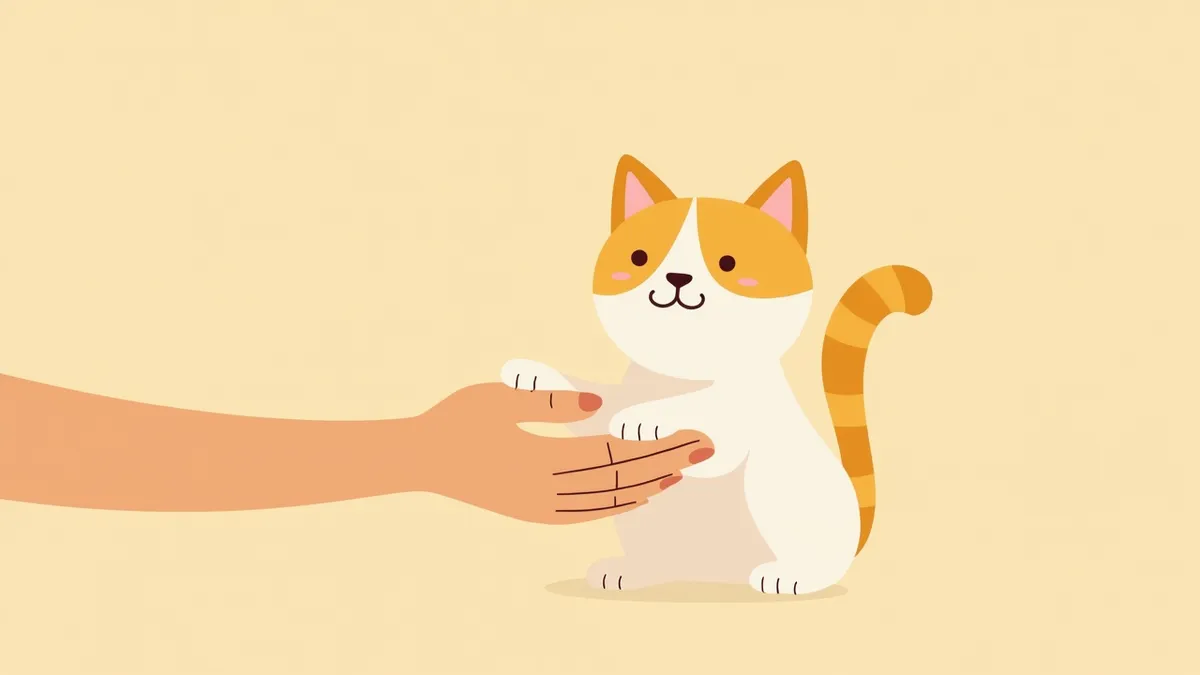
A guardian’s gentle hand softly stroking a cat’s paw
Feline diabetes is a common endocrine disorder that typically presents in a form similar to type 2 diabetes in humans. Poor blood glucose control can lead to serious complications such as diabetic ketoacidosis (DKA) or hyperglycemic hyperosmolar syndrome (HHS), making early management crucial. Fortunately, feline diabetes can achieve clinical remission (symptom resolution) with strict blood glucose control combined with a low-carbohydrate diet. Therefore, the key is consistent dietary and insulin management alongside regular blood glucose monitoring. While it helps for owners to watch for signs like neuropathy or vision changes, the best way to improve your cat’s quality of life is to work with your veterinarian to develop a tailored management plan and have it regularly reviewed.

Selection Criteria: Choose Products Suited for Complication Management
- Low-sugar, low-carbohydrate formulation: This is the most well-supported aspect of feline diabetes management. Studies have shown that diets with reduced carbohydrate intake help regulate blood sugar levels and improve the rate of diabetic remission. - Veterinarian-prescribed and consultation-based: Insulin dosage and diet vary by individual, so it is essential to determine and regularly adjust them in consultation with a veterinarian. - Antioxidant and vitamin content: While antioxidants have been used as a supplementary measure in some studies on senior cats, their effectiveness in preventing diabetic complications or improving nerve function has not been definitively proven, so consider this information for reference only. - Eye health care: The cataract-prevention effects of certain ingredients have not been confirmed. If you notice changes in your cat’s vision, prioritize an ophthalmic examination over relying on specific ingredients. - Compatibility with blood glucose monitoring: Confirm whether you can continue regular blood glucose testing alongside the product. Use these guidelines as a reference, but the safest approach is to make the final decision together with your veterinarian.
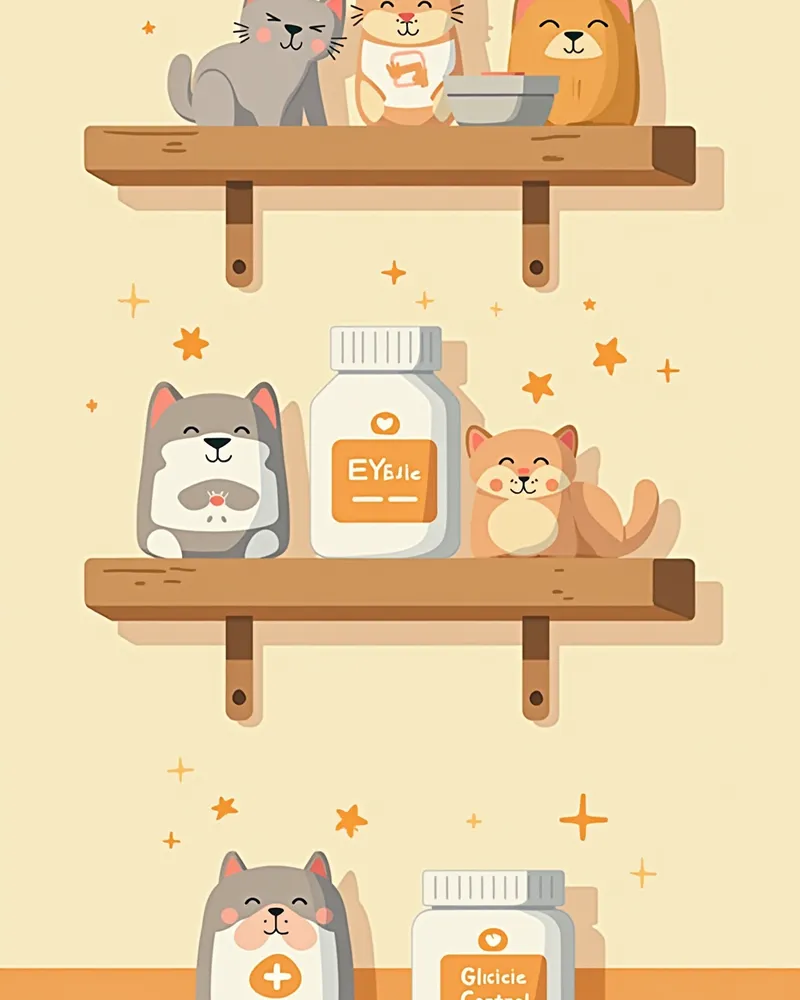
Three feline nutritional supplements are neatly arranged on a tidy desk.

BEST 1: Neuro Eyes, a Supplement for Nerve and Vision Health
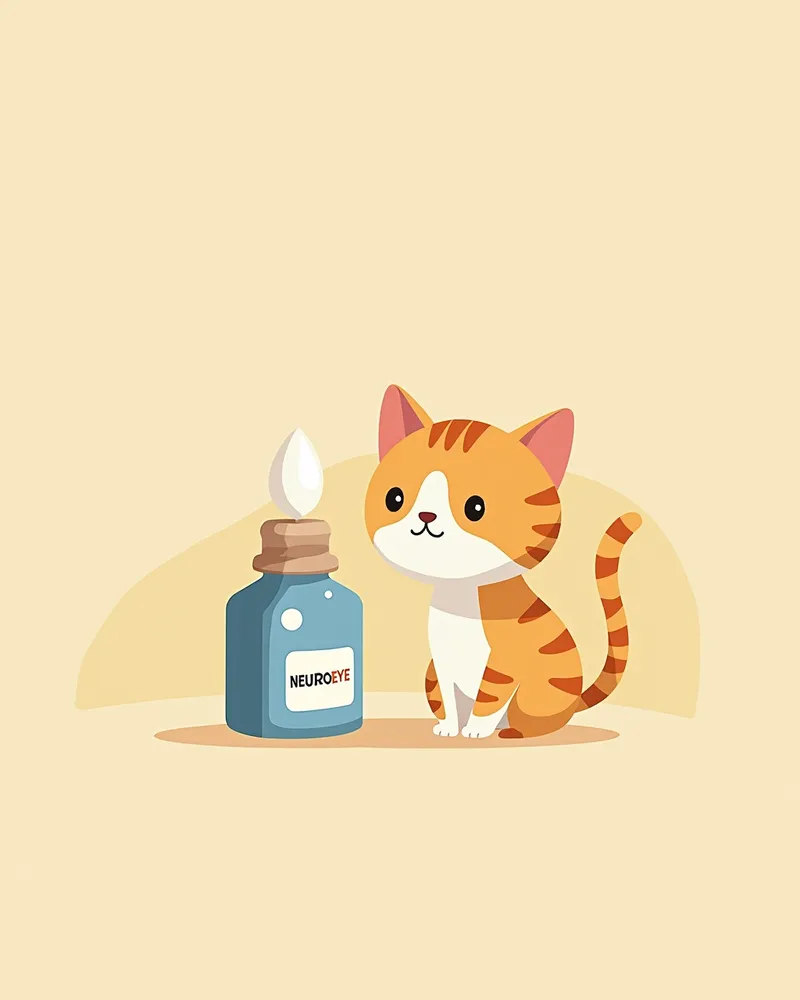
Neuro Eyes is a feline supplement formulated with both nerve and eye health in mind, containing ingredients such as lutein, zeaxanthin, vitamin B12, and coenzyme Q10. However, veterinary textbooks have not yet clearly established that this combination of ingredients prevents diabetic complications in cats (such as neuropathy and cataracts) or improves nerve function. Therefore, rather than assuming proven efficacy upon administration, consider it strictly as a supportive measure and always consult your veterinarian before starting. The most critical aspect of managing feline diabetes is blood glucose control through insulin therapy and a low-carbohydrate diet; supplements cannot replace these treatments. While your cat is taking the supplement, carefully monitor any changes in appetite, behavior, and overall condition.
A cat gazing at the NeuroEyes disease

BEST 2: Glucose Shield for Blood Sugar Stabilization and Eye Protection

Glucose Shield is a cat supplement marketed to support both blood sugar control and eye health. Its low-carbohydrate formula may help prevent sharp spikes in blood glucose, aligning with established veterinary guidance that low-carb diets can benefit diabetes management and increase remission rates. While the product contains ingredients like lutein and vitamin E, there is insufficient evidence to confirm that they slow the progression of cataracts or are effective in early-stage cataracts in cats. Therefore, its benefits for eye health remain uncertain, and you should prioritize an ophthalmologic exam if you notice any changes in your cat’s vision. Use this product only as a supplement to foundational dietary and insulin management, and always consult your veterinarian before starting it.
A Glucose Shield capsule placed next to the cat's food

BEST 3: Diabet Care Premium, a Prescription Diet and Supplement Set
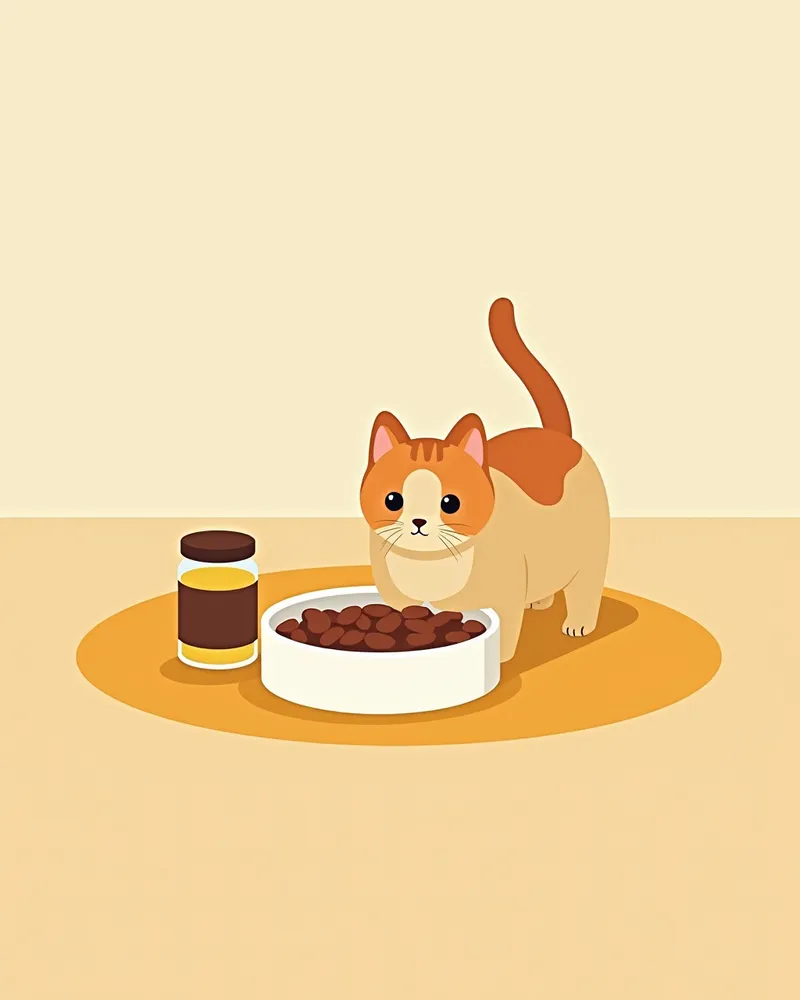
Diabet Care Premium is a comprehensive management kit that includes both food and supplemental nutrients. The low-sugar, low-carbohydrate formula may help stabilize blood glucose levels, which aligns with established veterinary guidelines supporting low-carbohydrate diets for managing feline diabetes. However, specific claims such as “a 40% reduction in complication progression after three months of use” are not supported by the provided evidence and should be viewed with caution. Food changes and supplements should always be used as part of an insulin and dietary management plan established by your veterinarian. We recommend regularly monitoring your cat’s weight, blood glucose levels, appetite, and overall condition, and reviewing these records with your vet.
A dining table with cat food and supplements placed together

Comparison Table of BEST 1–3 Products

ItemNeuro-EyesGlucose ShieldDiabet Care Premium
Main ingredientsLutein, zeaxanthin, B12, Q10Lutein, vitamin E, complex carbohydratesLow-sugar food, B-complex, antioxidants
Effect areaSupports nerve and eye health (limited evidence)Low-carbohydrate-based blood glucose management support + eye health support (limited evidence)Low-carbohydrate food–centered blood glucose management support
Dosing frequency1 tablet per day1 capsule per dayFood 5 times a week + supplement daily
Recommended age5 years and older6 years and older4 years and older

This is a comparison based on labeled ingredients, and complication-prevention or treatment effects have not been proven by textbook evidence. The essentials are insulin, a low-carbohydrate diet, and blood glucose monitoring; consult a veterinarian regarding product selection and dosing.

Caution: Side Effects May Occur with Overdose

Supplements do not replace insulin or dietary management. Since hypoglycemia is the most dangerous complication of diabetes treatment, never adjust insulin doses or increase supplement amounts on your own—always consult your veterinarian before starting. The same applies when adding any new supplement; a prior consultation is the safest approach.

Usage Tips: Consistent Management is Key

Managing complications of feline diabetes relies far more on consistent, long-term care than on short-term fixes. Administering supplements with meals can help stabilize blood sugar levels. Keep a weekly log of your cat’s behavior, appetite, and any changes in vision. Regular consultations with your veterinarian to review and adjust the management plan are essential. Early detection and timely intervention are key to preventing complications. Steady attention and diligent care are what truly safeguard your cat’s health.
A notebook for recording your cat's health status

Reviewed by a veterinarian

Dr. Tony — Punnawat Phongkittirak

Dr. Tony — Punnawat Phongkittirak

Veterinarian

A veterinarian who majored in veterinary medicine at Khon Kaen University, Thailand, and completed the IVSA program at North Carolina State University in the United States. Drawing on clinical experience at animal hospitals, he works in the pet healthcare field and is dedicated to building a digital care environment that connects pet parents with veterinarians.

Frequently Asked Questions

Can diabetic complications in cats be cured?
With strict blood sugar control and a low-carbohydrate diet, feline diabetes can sometimes reach clinical remission, meaning symptoms subside. Consistent, early management can also slow the progression of complications, so please work closely with your veterinarian to manage your cat's condition.
When should I start giving my pet the supplement?
Controlling blood sugar through insulin and diet takes priority over nutritional supplements. If you're considering supplements, always consult your veterinarian before starting them, and never use them as a standalone replacement for prescribed treatment.
Is it enough to just change the food?
While there is evidence that low-carbohydrate diets can help manage diabetes, it is essential to combine this approach with insulin therapy and regular blood glucose monitoring. Always consult your veterinarian before making any changes to your pet’s diet.
My pet vomits after taking the supplement.
If vomiting persists, discontinue use and consult your veterinarian. In diabetic cats, vomiting and loss of appetite can be signs of serious conditions such as diabetic ketoacidosis (DKA), requiring prompt veterinary care.
Even after taking it for over a year, there’s no improvement.
The effectiveness of supplements varies widely among individual pets, and the scientific evidence supporting them is limited. Since the cornerstone of diabetes management is blood glucose control through insulin and diet, it’s best to review your pet’s overall care plan with your veterinarian.

Share

Related Guides

References

[1] Plumb's Veterinary Drug Handbook, 9th Edition, 2022

[2] Clinical Medicine of the Cat, 4th Edition, 2021

[3] BSAVA Manual of Feline Medicine, 2nd Edition, 2020

This information is based on veterinary literature and does not replace diagnosis or treatment. Please consult a veterinarian for specific health concerns.

Metapet Co., Ltd. | CEO: Park Sung-yong | Business Reg. No. 417-88-02562 | Seoul, South Korea | Customer Center

7 Vet-Recommended Ways to Manage Feline Diabetes Complications | Meongsiljang