

7 Best Products for Managing Feline Nasolacrimal Duct Obstruction Recommended by Veterinarians and Selection Criteria
Feline nasolacrimal duct obstruction occurs when tears cannot drain properly, causing the area around the eyes to become damp and the fur to darken. Choosing the right care products and methods can help alleviate these symptoms.
Feline Nasolacrimal Duct Obstruction Is a Problem Where Tears Do Not Drain Properly

Be Sure to Check These 4 Key Factors When Choosing

BEST 1: Tear Duct Cleanser Pro Care (Fragrance-Free, Alcohol-Free)
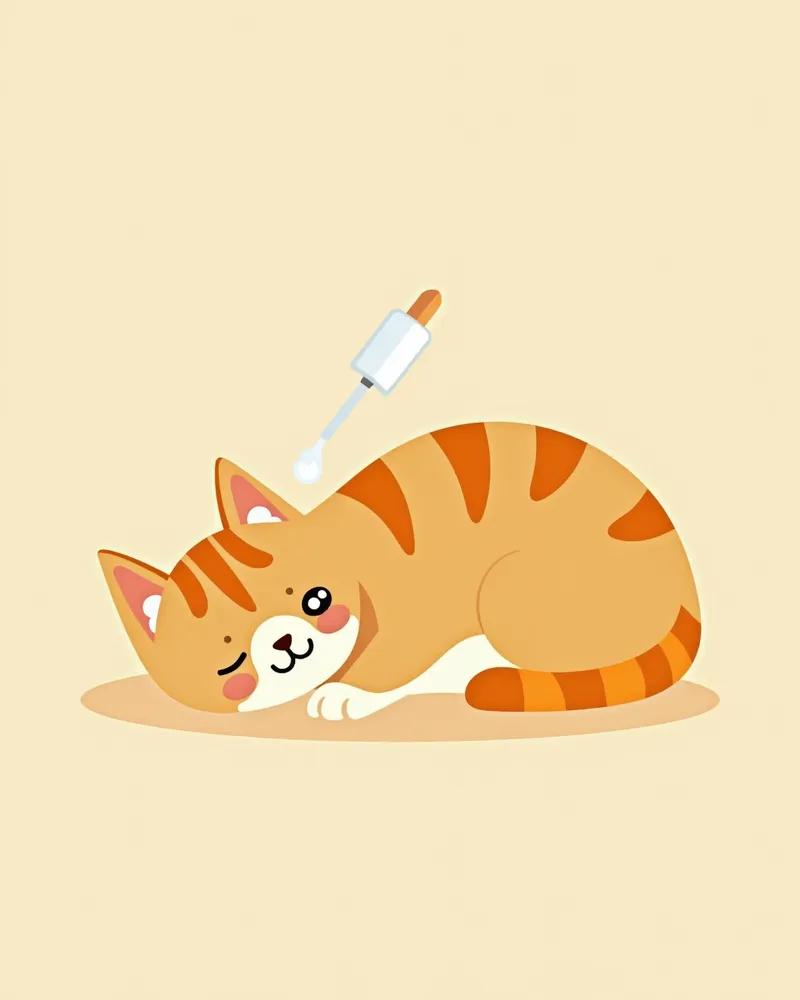
BEST 2: Tear Duct Massage Oil (Natural Ingredients)

BEST 3: Tear Duct Cleansing Pads (For Convenient Daily Care)

Comparison Table of Products BEST 1–3
| Item | Main ingredients | How to use | Recommended breeds |
|---|---|---|---|
| BEST 1 Cleanser Pro Care | Fragrance-free, alcohol-free ingredients | 1–2 times/day, drop application | All breeds |
| BEST 2 Massage Oil | Natural plant-based oil | Once/day, massage application | Long-haired breeds |
| BEST 3 Cleansing Pad | Soft natural material | Use immediately as needed | For daily care |
You must check for a skin reaction before use. If there is any irritation, stop immediately and consult your veterinarian.
Caution: Nasolacrimal Duct Obstruction May Require Veterinary Care
If your pet’s eyes are constantly tearing up and the surrounding area appears red or swollen, there’s a high chance of infection. In such cases, it’s important to seek veterinary care right away. Since self-care alone often isn’t enough, we recommend visiting the clinic if symptoms persist.
Usage Tip: Enhance Preventive Effects with Daily Care
Reviewed by a veterinarian

Dr. Tony — Punnawat Phongkittirak
VeterinarianA veterinarian who majored in veterinary medicine at Khon Kaen University, Thailand, and completed the IVSA program at North Carolina State University in the United States. Drawing on clinical experience at animal hospitals, he works in the pet healthcare field and is dedicated to building a digital care environment that connects pet parents with veterinarians.
Reviewed 2026-06-02
Frequently Asked Questions
Is nasolacrimal duct obstruction common in cats?
Can I use the cleanser multiple times a day?
My cat has frequent tearing. Can I manage this at home?
Is nasolacrimal duct obstruction treated with surgery?
Is it safe for cats to ingest tear stain remover?
Share
Related Guides

Top 5 Dog Tear Supplements Recommended for 2026

What is Lutein? Effects on Dog Eye Health

The Best Canine Uveitis Management Products and Selection Criteria: A Comprehensive Guide
7 Chemotherapy Protocols for Dogs and Selection Criteria: A Veterinarian’s Guide

The Ultimate Guide to Feline Tumor Biopsy and Fine-Needle Aspiration Management: Best Practices and Selection Criteria

7 Key Management Strategies and Selection Criteria for Feline Soft Tissue Sarcomas According to Veterinarians

7 Key Management Tips for Feline Lung Cancer and Pulmonary Metastasis Recommended by Veterinarians

7 Warning Signs of Feline Nasal Tumors Compiled by a Veterinary Oncologist

7 Key Points and Criteria for Feline Mast Cell Tumor Grading, Treatment, and Management Summarized by a Veterinarian

7 Key Management Strategies for Feline Lymphoma and Treatment Selection Criteria Recommended by Veterinarians
References
[1] Gelatt KN et al. (2013) Veterinary Ophthalmology, 2nd ed. Wiley-Blackwell, Oxford, UK.
[2] Esson DW and Calvarese S (2022) Clinical Atlas of Canine and Feline Ophthalmic Disease, 2nd ed. John Wiley & Sons, Inc.
[3] Ny Y et al. (2006) Medial canthoplasty for epiphora in dogs: a retrospective study of 23 cases. J Am Anim Hosp Assoc, 42:435–439.