Like
Share
멍실장
2026 모질·피부 영양제 추천 TOP 5

Top 5 Skin and Coat Supplements for 2026

Skin & CoatTop PicksMeongsiljang Veterinary Advisory Board

We’ve compiled a comparison of five supplements that support skin and coat health in dogs and cats, including their ingredients, recommended dosages, and precautions, based on 2026 standards.

What Are Skin and Coat Supplements?

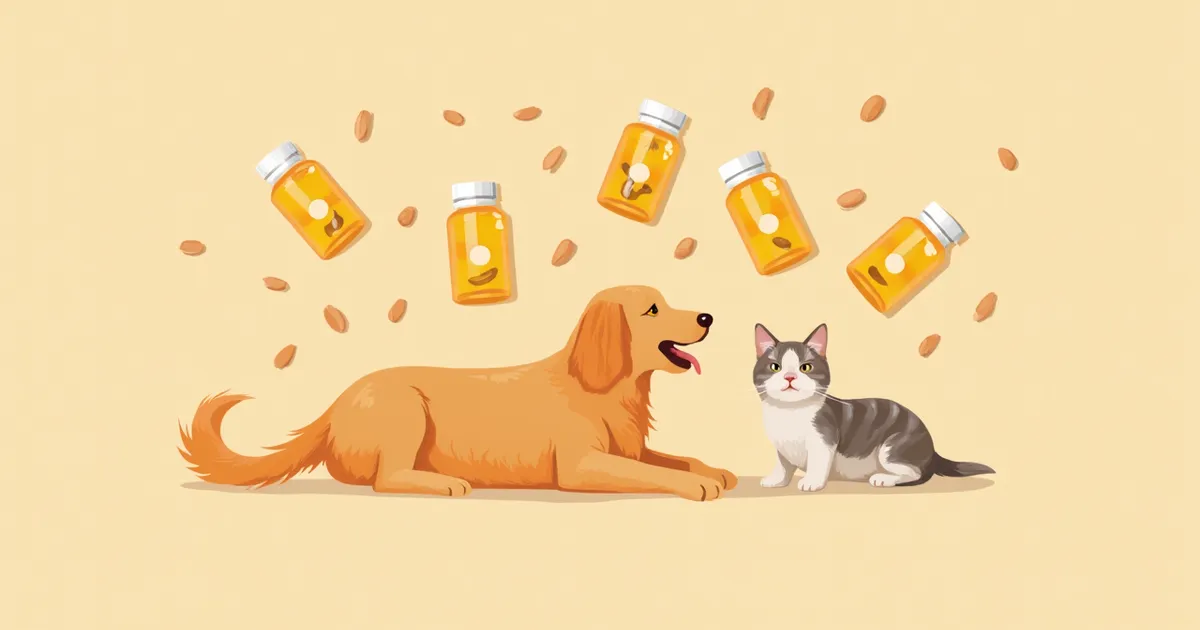
Shiny-coated dogs and cats, nutritional supplement capsules
Skin and coat supplements are functional dietary aids that help maintain the skin barrier and coat luster in dogs and cats. The key lies in supplementing essential fatty acids (omega-3 and omega-6) and trace minerals like zinc. Essential fatty acids cannot be synthesized by the body and must be obtained through diet; they are crucial components that influence the stratum corneum, which forms the skin barrier, as well as coat condition. While skin diseases caused by nutritional deficiencies are rare in pets consuming a high-quality diet in sufficient quantities, supplementation in appropriate cases can improve skin indicators such as scaling and coat shine. However, supplements are not treatments for skin diseases but rather supportive aids. If itching is severe or hair loss is widespread, veterinary consultation is necessary before relying on supplements.

Why Are Skin and Coat Supplements Necessary?

The skin of dogs and cats is the largest organ in a body characterized by active metabolism and high nutritional demands. Consequently, when nutritional balance is disrupted, the first signs often appear in the coat and skin. According to veterinary textbooks, protein deficiency can lead to dandruff, patchy hair loss, and thin, brittle fur. Essential fatty acids (omega-3 EPA and DHA, omega-6 linoleic acid and gamma-linolenic acid) and zinc are crucial for maintaining the skin barrier and normal keratinization. Since the body cannot synthesize essential fatty acids, they must be supplemented through diet. While deficiencies are rare in pets fed high-quality commercial diets, a high-quality diet supplemented with essential fatty acids and zinc is often beneficial for animals with poor skin condition.

Key Ingredients to Check for Skin and Coat Health

Safe

오메가3 (EPA·DHA)

피부 염증 억제, 윤기 개선

Dosage: 체중 1kg당 EPA+DHA 50~75mg/일

수의내과학 교과서 권장

Safe

비오틴(Biotin)

각질·털 구성 단백질 합성 보조

Dosage: 5kg 기준 100~200μg/일

NRC 권장 섭취량

Caution

아연(Zinc)

피부 재생, 상처 회복

Dosage: 5kg 기준 5~10mg/일

과다 시 구리 결핍 위험

Safe

비타민E(Vitamin E)

항산화, 오메가3 산화 방지

Dosage: 5kg 기준 5~10IU/일

AAFCO 권장

Safe

감마리놀렌산(GLA)

아토피성 피부염 보조

Dosage: 제품 권장량 따름

수의피부과학 연구

3 Criteria for Choosing a Good Supplement
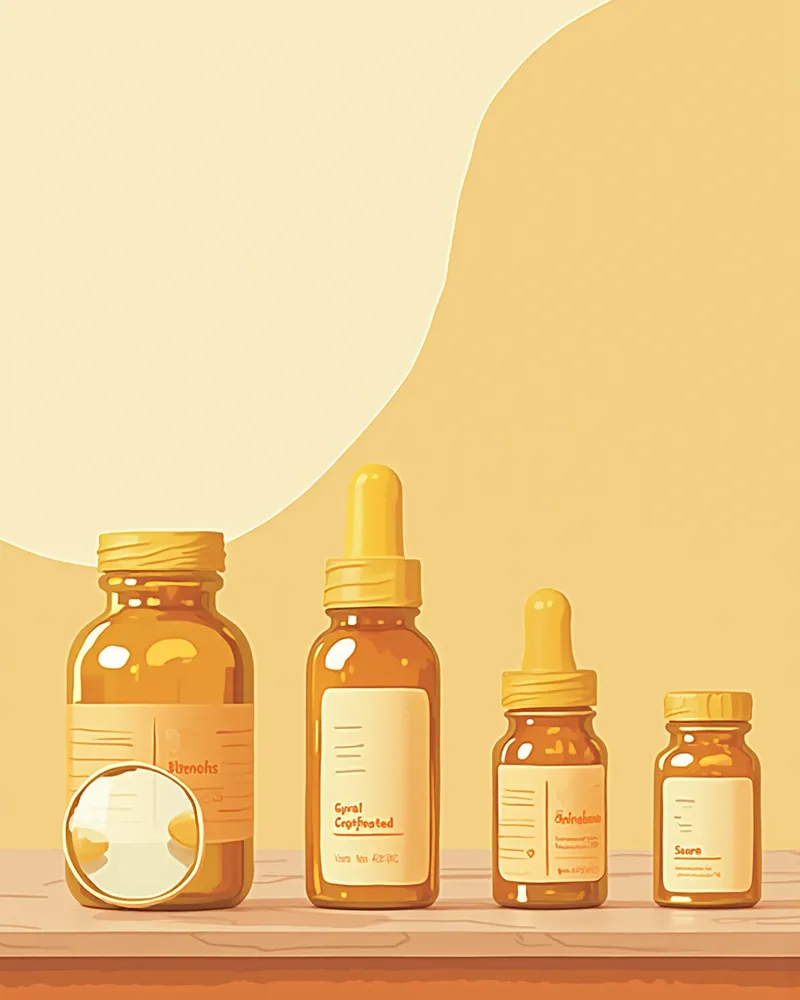
With so many products on the market, it’s easy to get confused just by looking at the ingredient list. But by checking these three key points, you can avoid major pitfalls. - Clearly stated Omega-3 content: Choose products that specify the exact milligram amounts of EPA and DHA. Labels that only say “500 mg salmon oil” don’t tell you the actual amount of active ingredients. - Oxidation-resistant packaging: Transparent bottles or products meant for long-term storage after opening can lead to Omega-3 oxidation, which may actually be harmful. Opt for dark bottles or single-serving packaging. - Third-party testing certificates: Brands that publicly share test results for heavy metals (such as mercury and lead) are safer choices.
Checking the ingredient list on a supplement label

Comparison of the Top 5 Skin and Coat Supplements for 2026

ItemA: Salmon Oil DropsB: Skin Care CapsulesC: Complete Coat PackD: Vegan OmegaE: Atopy Formula
EPA+DHA Content (per dose)180mg250mg200mg150mg300mg
BiotinFalseTrueTrueFalseTrue
ZincFalseTrueTrueFalseTrue
Gamma-linolenic AcidFalseFalseTrueFalseTrue
Feeding FormLiquid pumpSoft capsulePowderLiquidSoft capsule
Target PetDogs & catsDogsDogs & catsDogs & catsDogs

Each product is summarized as an example of a representative type. Please check the ingredient list of each product when actually purchasing.

Top 1–2: Strong Foundational Choices
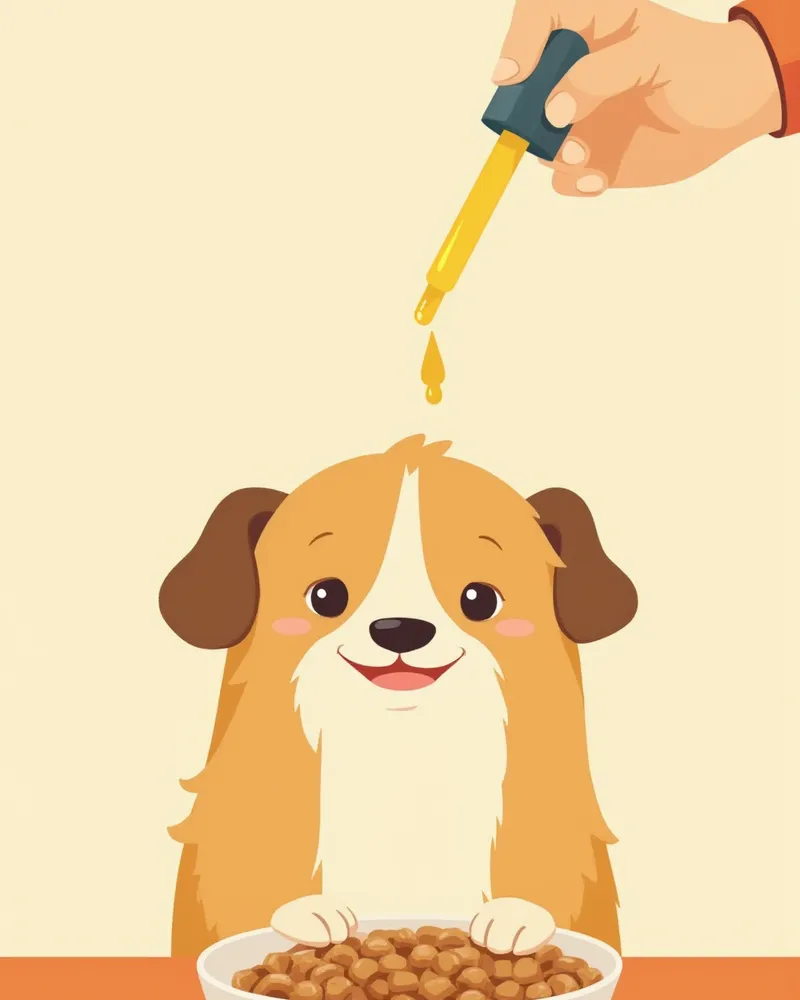
A: Salmon Oil Drops — This is the most basic omega-3 supplement. It comes in a pump bottle, so you can easily drizzle it over your pet’s food. Even cats with sensitive palates tend to accept it well. However, since it doesn’t contain biotin or zinc, it may not be enough on its own if your pet already has skin issues. B: Skin Care Capsules — This is a comprehensive skin supplement that combines omega-3 with biotin and zinc. It’s ideal for owners concerned about flaking or dandruff. For small dogs that have trouble swallowing capsules, you can puncture the capsule and mix the contents with their food.
Sprinkling salmon oil over the pet food

Top 3–5: Tailored Choices for Specific Situations

C: Comprehensive Coat Powder — This powdered formula is packed with a balanced blend of omega-3s, biotin, zinc, and gamma-linolenic acid (GLA). It’s especially recommended for long-haired breeds or during shedding season. Since it’s a powder, be sure to store it in an airtight container away from moisture. D: Vegan Omega (Algae-Derived) — A great alternative for pets with salmon allergies. Extracted from microalgae, it carries a lower risk of heavy metal contamination. The omega-3 content is slightly lower than that of fish oil products. E: Atopic Formula — A high-dose EPA and GLA supplement designed to help pets diagnosed with chronic itching or atopic dermatitis. Always consult your veterinarian before use.

Important Checks Before Feeding Supplements

Side effects of essential fatty acid (omega-3) supplements are generally mild and typically limited to occasional digestive issues such as soft stools or diarrhea. For safety, start with a small dose and gradually increase the amount. Avoid self-administration and always consult your veterinarian before starting if your pet has liver or kidney disease, is pregnant or nursing, is taking other medications, or if another skin condition is suspected. If surgery or treatment is planned, inform your veterinarian in advance about any current supplements so you can jointly decide whether and when to discontinue them.

How Long Does It Take to See Results?

Skin and coat supplements don’t work overnight. According to veterinary dermatology textbooks, consistent daily use for at least 6–8 weeks is required. This is because the natural hair growth cycle is inherently slow. - Weeks 1–2: Little to no visible change; stools may occasionally become slightly softer. - Weeks 3–4: Reduction in dandruff and flaking is often the first noticeable improvement. - Weeks 6–8: You should start seeing improvements in coat shine and reduced shedding. If itching persists after four weeks, the issue may not be related to nutrition. Consider testing for infections or allergies.
A dog with shiny fur being brushed.

Reviewed by a veterinarian

Dr. Tony — Punnawat Phongkittirak

Dr. Tony — Punnawat Phongkittirak

Veterinarian

A veterinarian who majored in veterinary medicine at Khon Kaen University, Thailand, and completed the IVSA program at North Carolina State University in the United States. Drawing on clinical experience at animal hospitals, he works in the pet healthcare field and is dedicated to building a digital care environment that connects pet parents with veterinarians.

Frequently Asked Questions

Can I give my dog or cat human-grade omega-3 supplements?
We don't recommend it. Human products often contain sweeteners (such as xylitol) or fragrances, which can pose a risk of poisoning. Please use products specifically designed for pets.
Can I give the same supplement to my cat?
While omega-3 supplements are generally safe, cats have livers that are particularly sensitive to certain ingredients, such as propylene glycol and some herbal extracts. Always choose products specifically labeled as safe for cats.
My pet food already contains omega-3. Do I still need to give a supplement?
If your pet food label clearly lists the specific amounts of EPA and DHA and meets the recommended dosage based on your pet’s weight, additional supplementation is unnecessary. However, if the label vaguely states “contains omega-3” without specifying amounts, supplementation may be beneficial.
Can I give my pet multiple supplements at the same time?
Overlapping ingredients can lead to the risk of overconsumption. In particular, vitamins A, D, E, and zinc can accumulate in the body, so it's safest to consult with your veterinarian and limit intake to just one or two supplements at a time.
My pet is having diarrhea after taking the supplement. What should I do?
An excessive intake of omega-3 or a sudden increase in dosage may be the cause. Discontinue administration, and once the symptoms subside, restart at half the minimum dose. If diarrhea persists for more than three days, veterinary care is necessary.

Share

Related Guides

References

[1] National Research Council (NRC), Nutrient Requirements of Dogs and Cats, 2006

[2] Fascetti AJ, Delaney SJ, Applied Veterinary Clinical Nutrition, 2nd Ed, Wiley Blackwell, 2023

[3] Bauer JE, Therapeutic use of fish oils in companion animals, JAVMA, 2011

[4] Watson TDG, Diet and skin disease in dogs and cats, J Nutr, 1998

This information is based on veterinary literature and does not replace diagnosis or treatment. Please consult a veterinarian for specific health concerns.

Metapet Co., Ltd. | CEO: Park Sung-yong | Business Reg. No. 417-88-02562 | Seoul, South Korea | Customer Center

Top 5 Skin & Coat Supplements for Dogs & Cats (2026) | Meongsiljang