Like
Share
멍실장
강아지 약용 샴푸 추천 TOP 5 — 농피증·세균 감염

Top 5 Medicated Dog Shampoos — For Pyoderma and Bacterial Infections

Skin & CoatTop PicksMeongsiljang Veterinary Advisory Board

Medicated dog shampoos are OTC products designed to treat skin infections like pyoderma and Malassezia. Here are our top five recommendations by ingredient, along with proper usage instructions.

What Are Medicated Dog Shampoos?
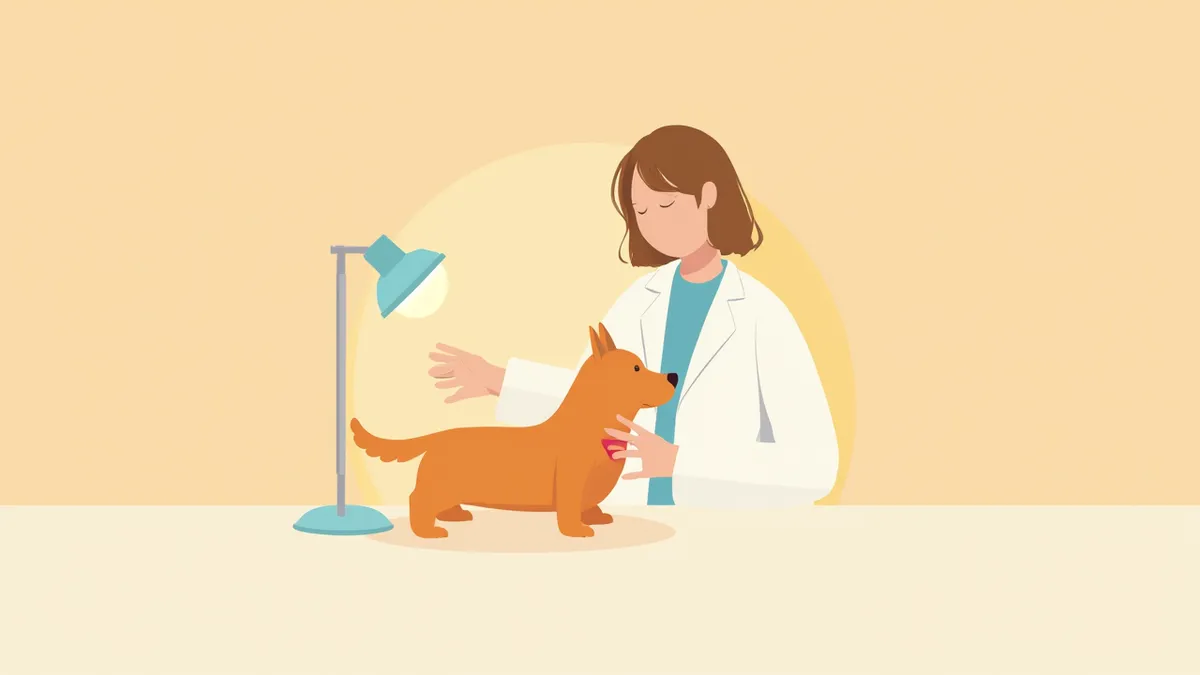
A veterinarian specializing in canine skin care
Medicated dog shampoos are over-the-counter or veterinarian-prescribed products containing antibacterial and antifungal ingredients to treat skin conditions such as pyoderma, Malassezia infections, and seborrheic dermatitis. The key point to remember is that, unlike regular shampoos, medicated shampoos must be left on the skin for about 10 minutes (typically 10–15 minutes for antibacterial purposes) before rinsing to be effective. Because most of the active ingredients are washed away during rinsing, the duration of contact with the skin determines the treatment’s efficacy. If you suspect pyoderma, it is safer to have a veterinarian perform bacterial and cytological tests to determine the appropriate active ingredients rather than attempting self-diagnosis.

Why Are Medicated Shampoos Needed for Pyoderma and Bacterial Infections?

Canine pyoderma is a common superficial skin infection caused by the overgrowth of bacteria such as Staphylococcus pseudintermedius, leading to red rashes, pus-filled blisters, and crusts (impetigo and epidermal collarettes). Mild superficial pyoderma often improves with antimicrobial shampoo alone, without the need for oral antibiotics, which helps reduce the burden of antibiotic resistance. However, cases with thick crusts, deep pyoderma, or chronic recurrent infections must be diagnosed and treated by a veterinarian, and systemic (oral) antibiotics may be prescribed as needed.

Top 5 Medicated Shampoos — Comparison by Ingredient

Item#1 Chlorhexidine#2 Benzoyl Peroxide#3 Ketoconazole + Chlorhexidine#4 Miconazole + Chlorhexidine#5 Salicylic Acid + Sulfur
Main targetBacteria (superficial pyoderma)Superficial pyoderma, folliculitisBacteria + MalasseziaBacteria + MalasseziaKeratin, seborrhea
Recommended concentration2–4%2.5–3%1%+2%2%+2%2%+2%
Frequency of use2–3 times/week1–2 times/week2 times/week2 times/week1–2 times/week
Lather retention time10–15 min10–15 min10–15 min10–15 min10–15 min
Irritation/drynessLowHigh (drying)ModerateLowModerate
Prescription requiredSome OTCPrescription recommendedPrescription recommendedPrescription recommendedOTC

Adjust concentration and frequency of use according to your veterinarian's instructions, and do not use strong ingredients long-term based on your own judgment

No. 1 — Chlorhexidine 2–4% Shampoo
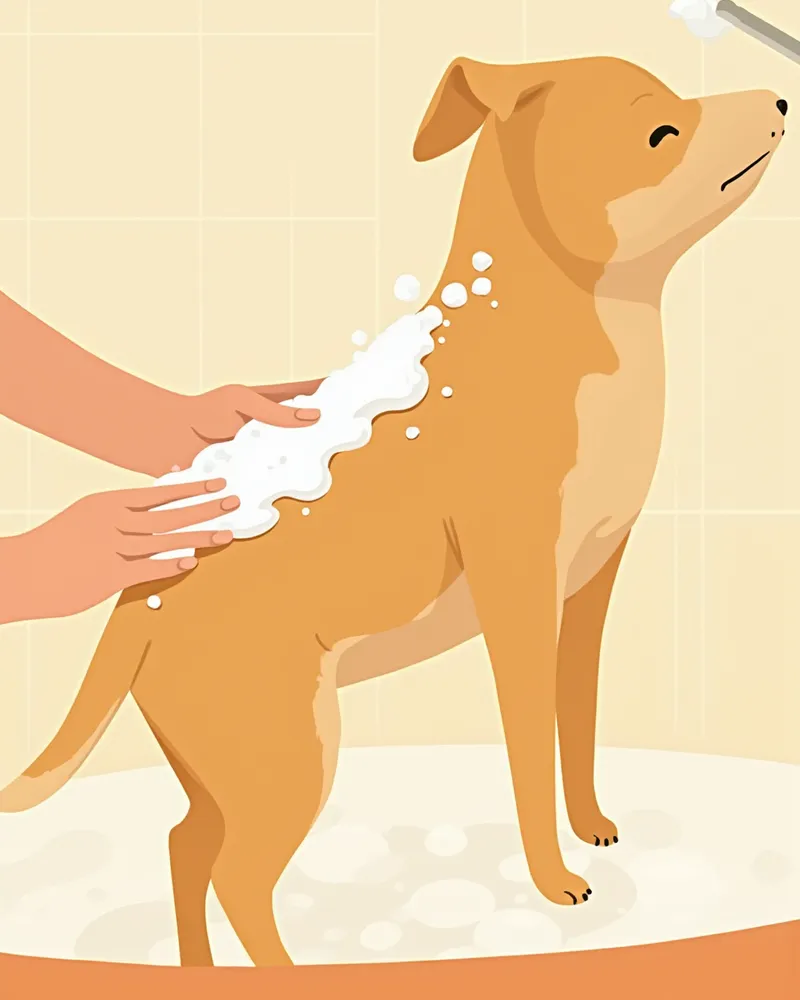
Chlorhexidine gluconate is the most widely recommended antibacterial ingredient for the primary treatment of superficial pyoderma in dogs. - Advantages: It has a broad-spectrum antibacterial effect, good residual activity that persists even after rinsing, and minimal irritation, making it relatively safe for puppies. - Disadvantages: It is less effective against fungi (yeast), so it is insufficient as a standalone treatment if Malassezia is also present. - Recommended usage: Work up a good lather and allow it to remain on the skin for 10 minutes before rinsing thoroughly with lukewarm water.
A dog being lathered with medicated shampoo

No. 2–5 — Recommended Ingredients by Situation

- 2nd: Benzoyl peroxide 2.5–3%: This antibacterial ingredient has been shown in comparative studies to be effective for superficial pyoderma and acne-like folliculitis. However, because it can cause skin dryness, short-term use of 1–2 weeks is recommended. - 3rd: Ketoconazole 1% + Chlorhexidine: This combination is the first choice when pyoderma and Malassezia are present together. - 4th: Miconazole 2% + Chlorhexidine 2%: Miconazole has not only antifungal properties but also mild anti-Staphylococcus activity, and it works synergistically with chlorhexidine. This makes it a well-supported combination for mixed bacterial and Malassezia infections. - 5th: Salicylic acid + Sulfur: When dandruff and oiliness are severe due to seborrheic dermatitis, this combination helps manage the condition through its keratolytic (scale-removing) action.

Key Points to Check Before Using Medicated Shampoos

Medicated shampoos contain active pharmaceutical ingredients, so improper use can further compromise your dog’s skin barrier. If you rinse them off immediately without letting the lather sit, they’re largely ineffective. This is because most of the antibacterial agents wash away during rinsing, and their efficacy depends on contact time with the skin—typically 10 to 15 minutes for antibacterial action. Conversely, using them more frequently than recommended can burden both the skin barrier and normal resident flora, leading to irritation and dryness. Be sure to avoid contact with the eyes, ears, and mucous membranes of the genital area. Also, do not substitute human antibacterial or acne soaps, as dogs’ skin has a different pH and sensitivity profile.

5 Steps for Proper Use of Medicated Shampoos

- Step 1: Brushing: Brush your dog while dry to remove tangles and debris, ensuring the lather can reach the skin effectively. - Step 2: Rinsing with Lukewarm Water: Thoroughly wet the coat with water at approximately 38°C. - Step 3: Applying Lather: Lather the product in your hands first, then apply it to the skin using gentle massage motions. - Step 4: 10-Minute Wait Time: Set a timer and keep your dog warm during this period. - Step 5: Thorough Rinsing: Rinse 2–3 times to ensure no residue remains, then completely dry with a towel and dryer to prevent fungal regrowth.
Drying a dog with a towel after a bath

Key Ingredient Cards

Safe

클로르헥시딘 (Chlorhexidine)

광범위 항균, 농피증 1차 치료

Dosage: 2~4% 농도 주 2~3회

WAVD(세계수의피부과협회) 가이드라인 1차 권장

Caution

벤조일 퍼옥사이드 (Benzoyl Peroxide)

심부 농피증·모낭 청소

Dosage: 2.5~3% 단기 1~2주

건조·자극 가능성 — 처방 후 사용

Caution

케토코나졸 (Ketoconazole)

말라세지아 항진균

Dosage: 1% 주 2회

Safe

미코나졸 (Miconazole)

항진균, 자극 적음

Dosage: 2% 주 2회

Safe

살리실산+황 (Salicylic Acid + Sulfur)

각질 용해·지루성 케어

Dosage: 2%+2% 주 1~2회

Reviewed by a veterinarian

Dr. Tony — Punnawat Phongkittirak

Dr. Tony — Punnawat Phongkittirak

Veterinarian

A veterinarian who majored in veterinary medicine at Khon Kaen University, Thailand, and completed the IVSA program at North Carolina State University in the United States. Drawing on clinical experience at animal hospitals, he works in the pet healthcare field and is dedicated to building a digital care environment that connects pet parents with veterinarians.

Frequently Asked Questions

Is it safe to use medicated shampoo every day?
No, it shouldn’t be used daily. Frequent application can strain the skin barrier and disrupt the normal resident microbiome, potentially worsening irritation and dryness. Typically, it’s recommended for use two to three times a week. Even after clinical improvement and positive cytology results, it’s standard practice to continue treatment for about seven more days before having your veterinarian reassess the condition.
I find it hard to keep the foam on for 10 minutes. Is 5 minutes enough?
Shorter contact time reduces effectiveness. Most of the antibacterial ingredients are rinsed away, so the efficacy is proportional to the contact time. For antibacterial purposes, it is generally recommended to leave the product on for 10 to 15 minutes. To keep your dog calm, lather the product and then spend time with treats or toys, or gently massage the area.
Is it safe to use human medicated shampoo on dogs?
We don’t recommend it. Human products are formulated for a different skin pH and irritation profile than dogs, which can damage their skin barrier, and they often contain fragrances and surfactants that may cause irritation. It’s safer to use a medicated shampoo specifically designed for dogs.
Will using medicated shampoo alone cure pyoderma without antibiotics?
Studies comparing antibiotics to controls have shown that superficial pyoderma (mild rash and pus) often improves with antibacterial shampoo alone. However, if the crusts are thick, the affected area is extensive, or systemic symptoms are present, oral (systemic) antibiotics are necessary, making a veterinary consultation essential.
Can medicated shampoo be used on a young puppy (2 months old)?
It depends on the active ingredient. Ingredients like chlorhexidine and miconazole, which have few reported side effects and are less irritating, can be used under veterinary supervision. However, ingredients like benzoyl peroxide, which can cause significant dryness and irritation, are not recommended for young puppies.

Share

Related Guides

References

[1] Miller, Griffin, Campbell, Muller and Kirk's Small Animal Dermatology, 7th Edition, Chapter 4 - Topical Therapy

[2] Hnilica & Patterson, Small Animal Dermatology: A Color Atlas and Therapeutic Guide, 4th Edition

[3] Mueller RS et al., A review of topical therapy for skin infections with bacteria and yeast, Veterinary Dermatology, 2012

This information is based on veterinary literature and does not replace diagnosis or treatment. Please consult a veterinarian for specific health concerns.

Metapet Co., Ltd. | CEO: Park Sung-yong | Business Reg. No. 417-88-02562 | Seoul, South Korea | Customer Center

Top 5 Medicated Dog Shampoos for Pyoderma & Infections | Meongsiljang