

7 Veterinary-Recommended Strategies for Managing Feline Acromegaly — From Insulin Resistance to Care
Feline acromegaly is a rare endocrine disorder caused by excessive growth hormone production, making proper management and product selection crucial. In this article, we’ve outlined effective management strategies and recommended products.
What Is Feline Acromegaly?
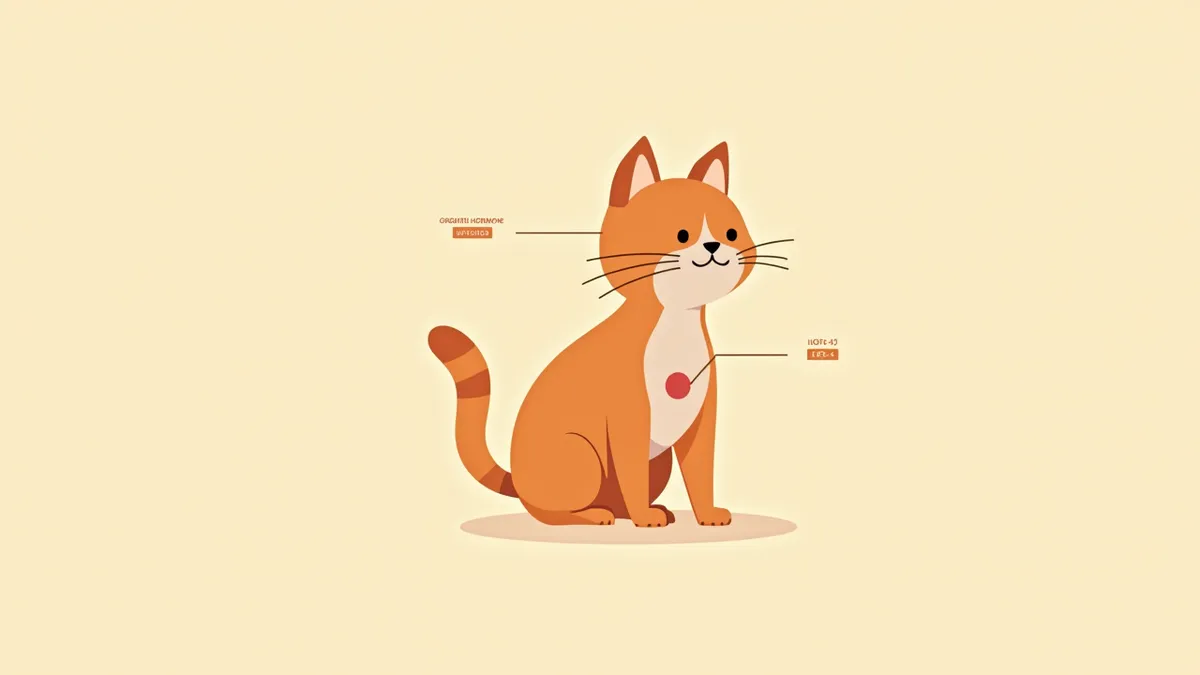
Key Criteria for Managing Cats with Acromegaly

BEST 1: Premium Low-Carbohydrate Food (For Cats with Acromegaly)

BEST 2: Joint Support Supplement (Glucosamine + Chondroitin Complex)

BEST 3: Veterinarian-Recommended Insulin Supplement (Contains IGF-1 Regulating Ingredients)
Comparison Table of Products BEST 1–3
| Item | BEST 1 (Low-carbohydrate food) | BEST 2 (Joint supplement) | BEST 3 (Supplement) |
|---|---|---|---|
| Main ingredients | 85% meat protein, glucosamine, chondroitin | Glucosamine 750mg, chondroitin 400mg | Auxiliary ingredients (GH·IGF-1 regulatory effect unproven) |
| Formulation | Dry pet food | Jelly | Liquid |
| Recommended daily amount | 30g based on 4kg body weight | 1 piece | 5ml |
| Veterinary consultation recommended | True | True | True |
Joint supplements are reported to help with osteoarthritis management, but hormone regulation requires veterinary treatment such as surgery, radiation, or medication, and no product can replace treatment. Always consult a veterinarian before use.
Precautions and Contraindications
Cats with acromegaly must avoid excessive sugar and carbohydrate intake. Additionally, do not administer insulin supplements without a veterinarian’s prescription. If your cat suddenly loses appetite or becomes lethargic, seek veterinary care immediately.
Usage Tips and Management Points

Reviewed by a veterinarian

Dr. Tony — Punnawat Phongkittirak
VeterinarianA veterinarian who majored in veterinary medicine at Khon Kaen University, Thailand, and completed the IVSA program at North Carolina State University in the United States. Drawing on clinical experience at animal hospitals, he works in the pet healthcare field and is dedicated to building a digital care environment that connects pet parents with veterinarians.
Reviewed 2026-06-01
Frequently Asked Questions
Is feline acromegaly treatable?
Will diet alone be effective?
What should I do if my cat isn’t eating its food?
Is it safe to give supplements to my pet long-term?
What is the prognosis for cats with acromegaly?
Share
Related Guides

Top 5 Prescription Dog Foods for Diabetes Recommended by Veterinarians — Blood Sugar-Stabilizing Food Comparison
7 Key Products for Managing Feline Hypercalcemia Recommended by Veterinarians and Selection Criteria
7 Key Points for Canine Thyroid T4 Testing by Veterinarians — From Timing to Result Interpretation
Top 5 Medicated Cat Shampoos Recommended by Veterinarians — Fungal Dermatitis and Fungal Care
Top 5 Cat Food Recommendations for Frequent Vomiting — Kibble Size & Dietary Fiber

Top 5 Weight-Management Dog Food Recommendations for 2026

5 Easy-to-Raise Cat Breeds for First-Time Owners — Grooming Difficulty Comparison

Can You Trust Online Pet Food Grading Charts? — A Veterinarian’s Real Selection Criteria for 2026
7 Key Symptoms and Management Essentials for Canine Cholecystitis Recommended by Veterinarians
Top 5 Milk Thistle (Silymarin) Liver Supplements for Dogs — A Comparison Guide Based on Silybin Content and Absorption Rates
References
[1] The Cat, Clinical Medicine and Management, 2nd Edition. Elsevier, 2023.
[2] Textbook of Cardiovascular Medicine in Dogs and Cats. Wiley-Blackwell, 2021.
[3] Meffert FJ, Brown JS. Acromegaly diagnosed by increased IGF-1 levels and MRI findings in two cats. Austral Vet Pract. 2009;39:152–155.