Like
Share
멍실장
자주 토하는 고양이 사료 추천 TOP 5 — 알갱이 크기·식이섬유

Top 5 Cat Food Recommendations for Frequent Vomiting — Kibble Size & Dietary Fiber

DigestiveTop PicksMeongsiljang Veterinary Advisory Board

Here are the criteria for selecting cat food for cats that vomit once a week or more, along with our top five recommendations based on kibble size and fiber content. We compare products that help reduce vomiting caused by hairballs and eating too quickly.

Does Food Really Affect Frequent Vomiting in Cats?
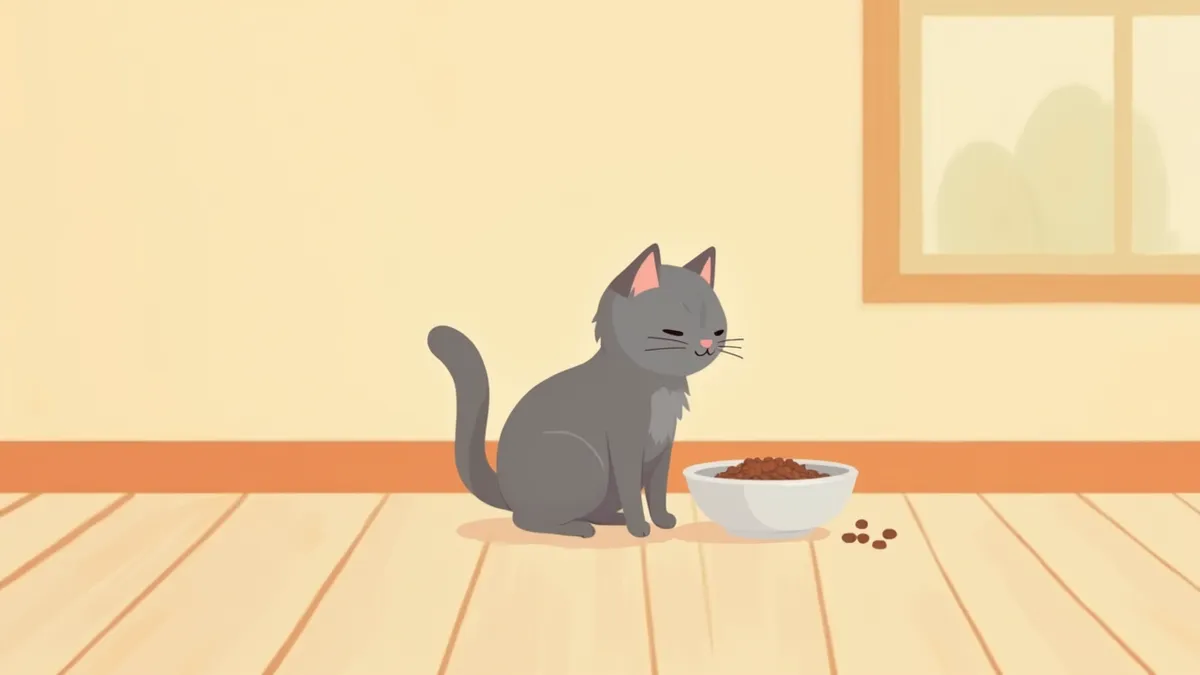
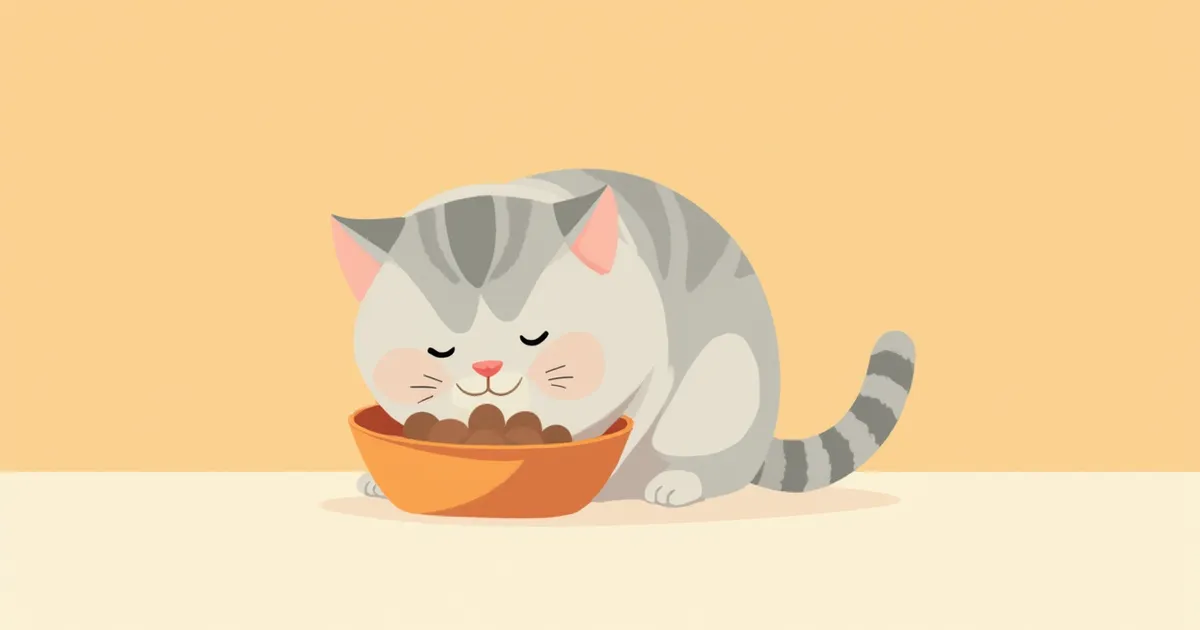
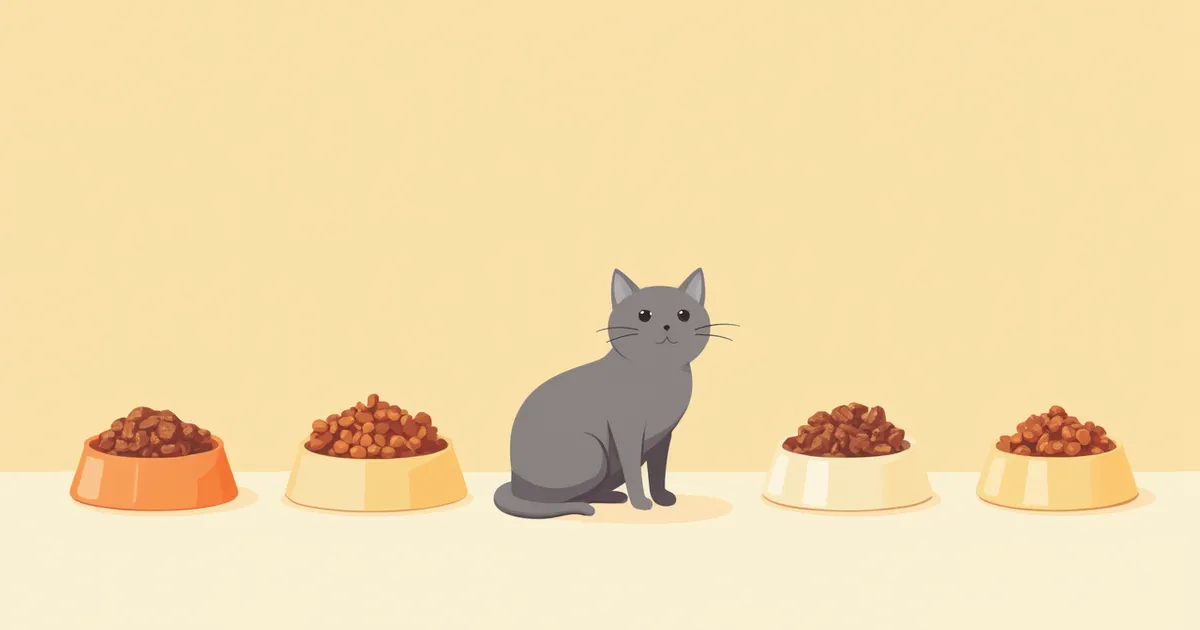
A gray cat sits beside its food bowl, gazing at the kibble.
Cats that vomit frequently often do so due to hairballs, eating too quickly (overeating), or gastrointestinal sensitivity. However, occasional hairball vomiting—less than once a week—is commonly observed in otherwise healthy cats. When selecting a diet, consider both the fiber content and protein digestibility (such as hydrolyzed or single-protein sources). For cats that vomit because they eat too fast, adjusting feeding methods to encourage slower, smaller meals is also important. If vomiting is due to food sensitivity, it typically takes about eight weeks of consistent feeding to assess the effectiveness of dietary management. Conversely, if vomiting becomes more frequent or is accompanied by weight loss and decreased appetite, veterinary examination should take priority over changing food.

4 Common Causes of Frequent Vomiting in Cats

To choose the right food for your cat, you first need to understand the cause of the vomiting. There are clear distinctions between cases that improve simply by switching food and those that require veterinary testing first. - Hairballs: Hair swallowed during grooming accumulates in the stomach, leading to periodic vomiting. - Rapid eating (overeating vomit): The cat vomits undigested food shortly after gorging itself within five minutes. - Gastrointestinal sensitivity: Chronic vomiting triggered by reactions to specific proteins or grains. - Inflammatory bowel disease or pancreatitis: Accompanied by weight loss and decreased appetite; these cases require veterinary testing first.

3 Key Criteria for Selecting Food

When looking for food that helps manage vomiting, don’t just rely on marketing claims—pay attention to these key factors: - Fiber content: Fiber increases stool bulk and stimulates colonic motility, which can help pass swallowed hair through the digestive tract. However, excessive fiber can increase stool volume and potentially worsen constipation, so more isn’t always better. - Protein digestibility and type: If food sensitivity is suspected, hydrolyzed or single-protein diets can help reduce gastrointestinal stress. As obligate carnivores, cats don’t require carbohydrates like grains. - Kibble size and eating speed: Eating too quickly can trigger vomiting, so smaller kibble or slow-feeding methods may help reduce episodes of overeating-induced vomiting. - Grain or specific protein reactions: Ingredient changes are only meaningful if your pet shows signs of reacting to specific ingredients, such as diarrhea or itching.
A close-up image comparing the size and shape of kibble pieces.

See a Vet Before Changing Food for These Types of Vomiting

If vomiting persists despite changing your pet’s food, a veterinary checkup should take priority over further diet adjustments if any of the following apply. Conditions such as pancreatitis, kidney failure, foreign body obstruction, or lymphoma will never resolve with dietary changes alone. - Vomiting three or more times within 24 hours, or vomit containing blood or yellow bile - Vomiting accompanied by diarrhea, decreased appetite, or lethargy - Weight loss of 5% or more within a month - Sudden onset of vomiting in senior cats aged 8 years or older

Comparison of Top 5 Cat Foods for Frequent Vomiting

ItemHill's Hairball ControlRoyal Canin Digestive CarePurina Pro Plan ENZiwi Peak Air-DriedOrijen Cat & Kitten
Kibble Size7mm triangular6mm round8mm roundIrregular, small9mm round
Dietary Fiber (%)6.54.23.82.53.0
Main Protein SourceChickenChicken + hydrolyzed proteinHydrolyzed chickenLamb & herringChicken, turkey & fish
Contains GrainTrueTrueTrueFalseFalse
Recommended CaseHairballsSensitive stomachChronic vomiting & IBD supportGrain allergyHigh-protein preference
Reference Price (1.5kg)$20$20$30$60$30

General retail prices as of April 2026; prescription diets require a veterinary prescription

1st–3rd Place: Prescription Diets for Hairballs, Sensitivity, and Chronic Vomiting

1st Place: Hill’s Hairball Control – With 6.5% dietary fiber, it’s the most effective at helping your cat pass swallowed hair through stool. Even short-haired cats can benefit if they spend a lot of time grooming. 2nd Place: Royal Canin Digestive Care – Contains partially hydrolyzed proteins, making it gentle on sensitive stomachs. The small 6mm kibble size also helps prevent vomiting from overeating. 3rd Place: Purina Pro Plan EN – This is a prescription diet available only through veterinary clinics. It’s designed for cats diagnosed with chronic vomiting or inflammatory bowel disease (IBD).
An image showing three types of pet food bags lined up side by side for comparison.

4th–5th Place: Grain-Free, High-Protein Options

4th Place: Jiwupick Air-Dried This formula contains no grains or corn and is primarily made with lamb and herring, making it a suitable option for cats that have been observed vomiting in response to specific ingredients like grains. However, since it is relatively low in dietary fiber, it may be less effective at helping with hairball elimination. 5th Place: Orijen Cat & Kitten This is a high-protein cat food with a high proportion of animal-based protein. However, the kibble tends to be large and hard, so if your cat eats quickly, it’s best to feed them slowly and in divided portions. Grain-free diets are not necessarily better for all cats. They are only beneficial if there is clear evidence that your cat reacts to grains or other specific ingredients, such as through diarrhea or itching.

Feeding Methods to Reduce Vomiting — May Be More Important Than Food
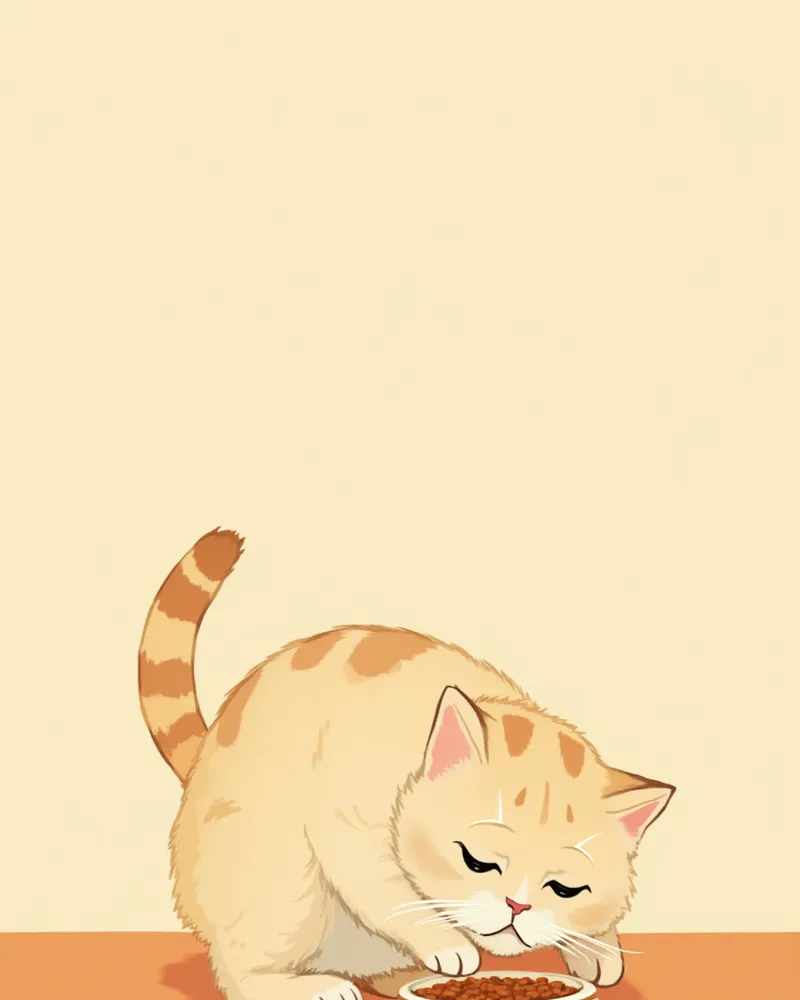
Even with the same food, how you feed it can affect how often your cat vomits. Here are some practical tips you can start using right away: - Small, frequent meals: Cats that eat large amounts at once are prone to vomiting after overeating. Dividing the daily portion into several smaller meals can help reduce vomiting caused by overeating. - Slow feeder bowls: These slow down eating speed, preventing the stomach from filling up too quickly and reducing vomiting due to undigested food. - Gradual food transitions: When switching to a new food, do so gradually over several days—increasing the new food from 25% to 50%, then 75%, and finally 100%—to give the digestive system time to adjust. - Reevaluate free-feeding: For cats that tend to binge-eat, scheduled, measured meals may be a safer option. Sudden changes in food can overwhelm the digestive system, leading to increased vomiting and diarrhea during the transition period.
A cat eating its kibble slowly from a slow feeder bowl

Observation Points for 4 Weeks After Changing Food

If you’ve recently switched to a new diet, keep a record of vomiting frequency, stool consistency, and weight for four weeks. If there’s no improvement after that period, the issue is more likely to be a medical condition rather than the food. At that point, the next step is to visit your veterinarian for blood work and an abdominal ultrasound.

Reviewed by a veterinarian

Dr. Tony — Punnawat Phongkittirak

Dr. Tony — Punnawat Phongkittirak

Veterinarian

A veterinarian who majored in veterinary medicine at Khon Kaen University, Thailand, and completed the IVSA program at North Carolina State University in the United States. Drawing on clinical experience at animal hospitals, he works in the pet healthcare field and is dedicated to building a digital care environment that connects pet parents with veterinarians.

Frequently Asked Questions

Is it normal for a cat to vomit once or twice a week?
Vomiting hairballs less than once a week is commonly observed in otherwise healthy cats. However, if vomiting becomes more frequent or is accompanied by weight loss and decreased appetite, it should not be considered normal. Adjust the diet and feeding method while keeping a record of the frequency and weight; if the symptoms do not improve, it is advisable to have your cat examined at a veterinary clinic.
Are prescription diets always better than regular pet food?
Not necessarily. Prescription diets are specifically designed for pets diagnosed with certain medical conditions, such as inflammatory bowel disease (IBD), pancreatitis, or food allergies. For simple hairball issues or vomiting due to overeating, a regular hairball care formula may be more suitable.
Does grain-free food reduce the frequency of vomiting?
Grain-free diets are only effective if a grain allergy has been confirmed. In most cats, vomiting is caused by hairballs or eating too quickly, not by grains, so grain-free food is not a universal solution.
Will adding water to their food help reduce vomiting?
Adding warm water to dry kibble or soaking it can help slow down eating and increase fluid intake. However, this alone won’t resolve all vomiting issues—if your pet vomits frequently or shows other symptoms, identifying the underlying cause should take priority over adjusting feeding methods. Since soaked food spoils quickly, be sure to remove any leftovers promptly.
My senior cat has suddenly started vomiting. Should I switch their food?
No, that’s not advisable. Vomiting that begins for the first time in dogs aged 8 years or older can be a sign of underlying conditions such as kidney failure, hyperthyroidism, or tumors. It’s safer to have a blood test done before switching to a new diet.

Share

Related Guides

References

[1] Fascetti AJ, Delaney SJ, Applied Veterinary Clinical Nutrition, 2nd Ed, Chapter 8: Commercial and Home-Prepared Diets, 2024

[2] Schaer M, Gaschen FP, Clinical Medicine of the Dog and Cat, 4th Ed, Section V: Elements of Therapy, 2017

[3] Hall EJ, Williams DA, BSAVA Manual of Canine and Feline Gastroenterology, 3rd Ed, 2019

This information is based on veterinary literature and does not replace diagnosis or treatment. Please consult a veterinarian for specific health concerns.

Metapet Co., Ltd. | CEO: Park Sung-yong | Business Reg. No. 417-88-02562 | Seoul, South Korea | Customer Center

Top 5 Cat Foods for Frequent Vomiting — Kibble Size & Fiber | Meongsiljang