
Like
Share
멍실장
강아지 치아 뿌리 주변에 생긴 구강 낭종의 해부학적 이미지

Top Recommended Products and Selection Criteria for Managing Canine Oral Cysts (Odontogenic Cysts)

Oral HealthTop PicksMeongsiljang Veterinary Advisory Board

Canine oral cysts develop during tooth formation and can cause pain and a decreased appetite, making early detection and proper care essential. Work with your veterinarian to choose a tailored management plan.

What Are Canine Oral Cysts (Odontogenic Cysts)?
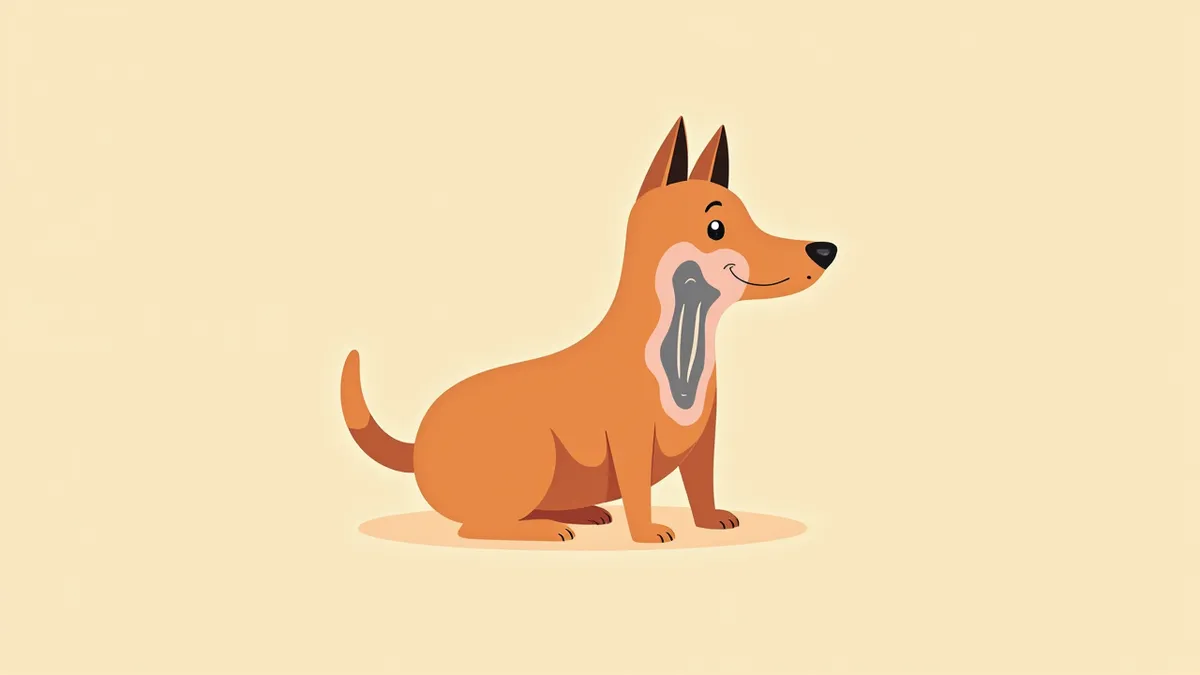
An anatomical diagram of a cyst forming around the teeth
Dental cysts in dogs, also known as odontogenic cysts, are lesions that develop when residual tooth-forming tissue grows abnormally during tooth development. They typically form around the roots of teeth or within the gums, and are often difficult to detect in the early stages because they rarely cause noticeable symptoms. However, as the cyst enlarges, it can invade surrounding bone, loosen teeth, and lead to decreased appetite, bad breath, and difficulty swallowing. Since dogs are adept at masking pain, close observation by owners is crucial. We recommend regular dental check-ups for early detection, and working with your veterinarian to create a treatment plan is key to safe and effective management.

Key Information: Managing Canine Oral Cysts (Odontogenic Cysts)

When selecting supplementary oral care products to support the management of oral cysts in dogs, prioritize safety, ease of use, veterinary recommendation, and ingredient transparency. However, it is crucial to remember that the definitive treatment for the cyst itself is not achieved through products, but rather through a veterinarian’s diagnosis and surgical excision. Use these supplementary products solely to aid oral hygiene, and carefully evaluate each criterion to choose the most suitable option for your dog.
Veterinary-led treatment: Depending on the size and symptoms of the cyst, the veterinarian will determine the appropriate treatment method, such as extraction of the causative tooth or excision of the cyst wall.
Safe ingredient composition: Products free from artificial flavors, preservatives, and alcohol are preferred.
Veterinary-recommended products: Products that have been clinically verified and recommended by veterinarians are more reliable.
Ease of use: Formats that dogs can accept without resistance, such as sprays or gels, are ideal.
Ingredient transparency: Choose products that clearly list the names and concentrations of all ingredients.
A puppy chewing on a dental treat designed to promote oral health.

Key Information 1: Condition Overview and Symptoms

Dental cysts are fluid- or semi-solid-filled cystic lesions that develop in the tissues surrounding a tooth. In dogs, they typically present as a gradually enlarging swelling around the upper or lower jaw. Early on, there are often no noticeable symptoms, but as the cyst grows, you may observe difficulty opening the mouth, drooling, refusal to chew food, and facial asymmetry. As the cyst enlarges, it can press on surrounding bone and teeth, causing pain; if left untreated, it may lead to infection or bone destruction. Because dogs are adept at hiding pain, it’s important for owners to seek veterinary care promptly if they notice any swelling around the mouth.
Specialized treatment kit for managing oral cysts in dogs

Key Information 2: Diagnosis and Treatment Options

Diagnosis involves a veterinary oral examination and palpation, along with radiographs to assess the cyst’s extent and any impact on the teeth. When necessary, CT scans or fine-needle aspiration cytology may be performed to determine the nature of the cyst. The cornerstone of treatment is surgical excision, with complete removal of the cyst wall being essential to minimize the risk of recurrence. In some cases, this is performed alongside extraction of the causative tooth. Simple aspiration alone carries a high risk of recurrence and is not considered a definitive cure. The extent and approach of surgery are determined by the veterinarian based on the cyst’s size, location, and degree of bone involvement.
Natural-ingredient dental toys for managing oral cysts in dogs

Key Information 3: Care, Precautions, and the Importance of the Veterinarian's Role
After surgery, it is crucial for recovery to administer the veterinarian-prescribed pain relievers and antibiotics exactly as directed for the full prescribed duration. Switch your dog’s diet to soft wet food or a liquid diet as instructed by your vet, and ensure they do not touch or irritate the wound site. Because recurrence is possible, regular oral examinations and follow-up radiographic monitoring are necessary. Claims that unproven home remedies or supplements can treat cysts lack scientific evidence and may delay surgery, potentially worsening the condition. Always consult thoroughly with your veterinarian before finalizing any treatment plan or surgical decision.
Spray product for treating oral cysts in dogs

What Pet Owners Should Know About Canine Oral Cysts (Odontogenic Cysts)

ItemKey Points
ConditionA cystic lesion filled with fluid in the tissue surrounding the tooth
SymptomsFacial swelling, drooling, refusal to chew, facial asymmetry
DiagnosisOral inspection, radiography, CT, fine-needle aspiration cytology
TreatmentComplete surgical excision of the cyst wall (along with extraction of the causative tooth)
CautionSimple aspiration has a high recurrence rate; avoid unverified folk remedies

This is not a table recommending a specific product or clinic, but criteria to reference when consulting your veterinarian. Treatment and testing decisions must always be made together with your veterinarian through an examination.

Warning: Excessive Self-Treatment Is Dangerous

Oral cysts can worsen if treated at home without a veterinarian’s diagnosis. If your pet experiences severe pain or the cyst grows larger, surgery may be necessary, so it’s essential to visit the clinic early. Use any at-home treatment products only as a supplement.

Usage Tips: The Key to Successful Management of Canine Oral Cysts

Consistency and close collaboration with your veterinarian are key to managing oral cysts in dogs. Always consult your vet before using any supplementary products, and monitor the cyst for changes regularly. If your dog resists oral care supplements, try mixing them into their food or offering them as small treats. However, since products alone won’t eliminate the cyst, it’s essential to combine them with regular tooth brushing for oral hygiene, along with routine veterinary check-ups and radiographic monitoring for effective management.
Regular Monitoring: Keep track of the cyst’s size, pain response, and any changes in appetite.
Hygiene Routine: Establish a daily habit of brushing your dog’s teeth and performing oral care at the same time each day.
Environment Adjustment: Provide a stress-reducing environment.
Veterinary Visits: Schedule regular check-ups and radiographic follow-ups.
A puppy chewing on a toy designed for oral health.

Reviewed by a veterinarian

Dr. Tony — Punnawat Phongkittirak

Dr. Tony — Punnawat Phongkittirak

Veterinarian

A veterinarian who majored in veterinary medicine at Khon Kaen University, Thailand, and completed the IVSA program at North Carolina State University in the United States. Drawing on clinical experience at animal hospitals, he works in the pet healthcare field and is dedicated to building a digital care environment that connects pet parents with veterinarians.

Frequently Asked Questions

Can oral cysts in dogs be treated?
Yes, most cysts can be effectively treated with surgical excision that completely removes the cyst wall. Thorough removal of the cyst wall reduces the risk of recurrence, and the prognosis is better when the cyst is detected early.
Do oral cysts heal on their own?
No, cysts do not resolve on their own. As they grow, they can cause pain or infection, and in severe cases, may lead to jawbone damage or fractures. Appropriate surgical treatment is necessary.
When can I expect to see results from using oral cyst management products?
Supplementary oral care products do not reduce cysts themselves. Cysts must be surgically removed to disappear, and supplementary products are intended to help maintain oral hygiene. Please consult with your veterinarian to assess the extent of recovery and treatment effectiveness.
Can it be managed without surgery?
The definitive treatment for a cyst is surgical excision. Simple aspiration or the use of supportive products alone carries a high risk of recurrence and is therefore not considered a curative approach. The veterinarian will determine the extent of the surgery based on the cyst’s size, location, and degree of bone involvement.
Can oral cysts recur?
Yes, recurrence is possible even after treatment. The more completely the cyst wall is removed, the lower the risk of recurrence, making regular check-ups and follow-up radiographic monitoring essential.

Share

Related Guides

References

[1] Todoroff RJ, Brodey RS. Oral and pharyngeal neoplasia in the dog: A retrospective survey of 361 cases. JAVMA 175:567-571, 1979.

[2] MacEwen EG, Withrow SJ, Patnaik AK. Nasal tumors in the dog: A retrospective study. Vet Pathol 19:175-182, 1982.

[3] Veterinary Surgical Oncology, 2nd Ed. Edited by R. J. W. H. M. van der Velden et al., Elsevier, 2020.

This information is based on veterinary literature and does not replace diagnosis or treatment. Please consult a veterinarian for specific health concerns.

Metapet Co., Ltd. | CEO: Park Sung-yong | Business Reg. No. 417-88-02562 | Seoul, South Korea | Customer Center

Canine Oral Cysts (Odontogenic): Top Picks & Criteria | Meongsiljang