
Top Recommended Cat Hookworm Dewormers and Selection Criteria
Hookworms are a major intestinal parasite in cats that can cause diarrhea and anemia. Regular deworming and choosing the right product are essential.
What Are Cat Hookworm Dewormers?
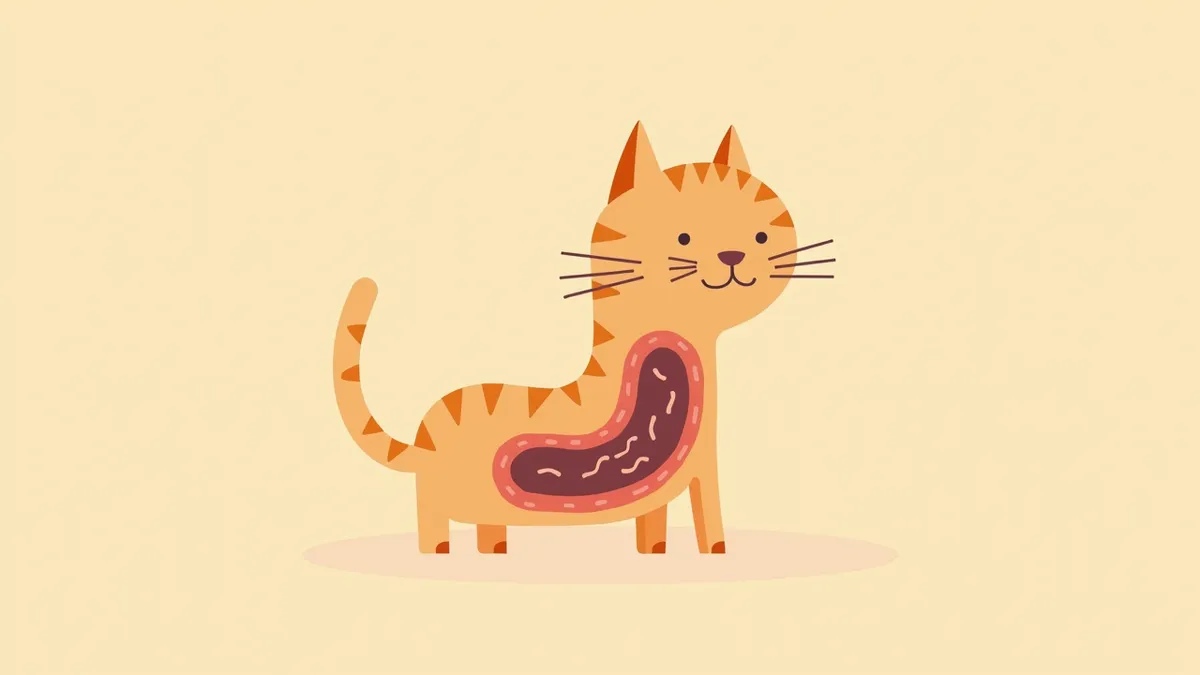
5 Selection Criteria
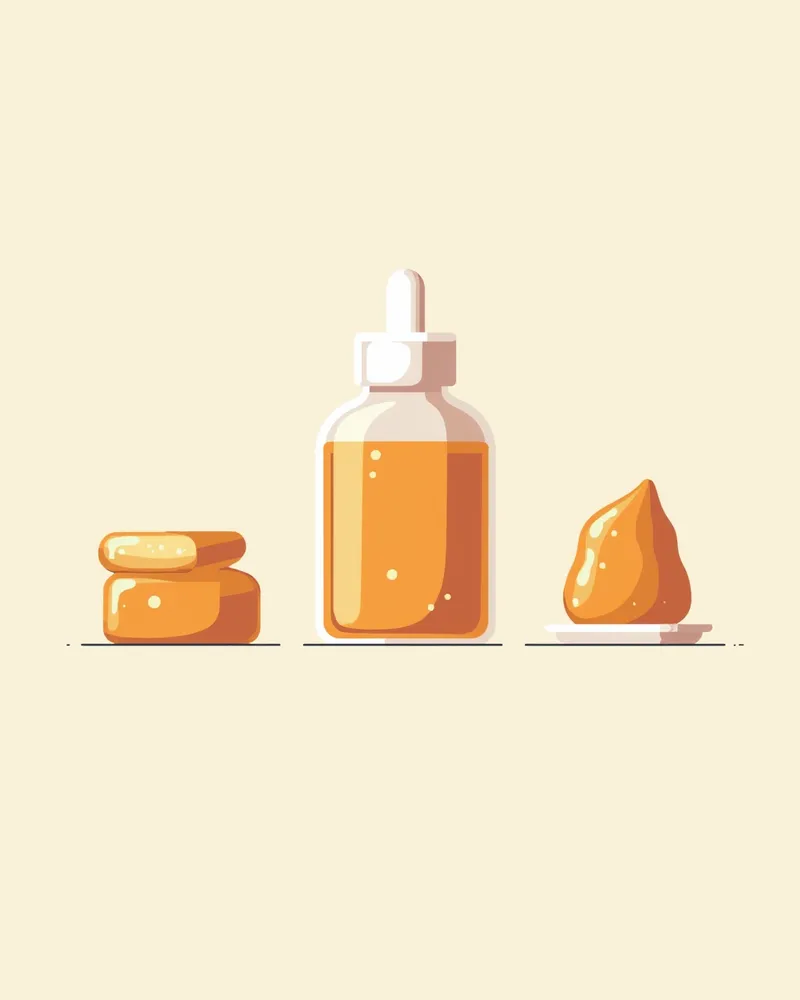
BEST 1: Probiotic Hookworm Dewormer
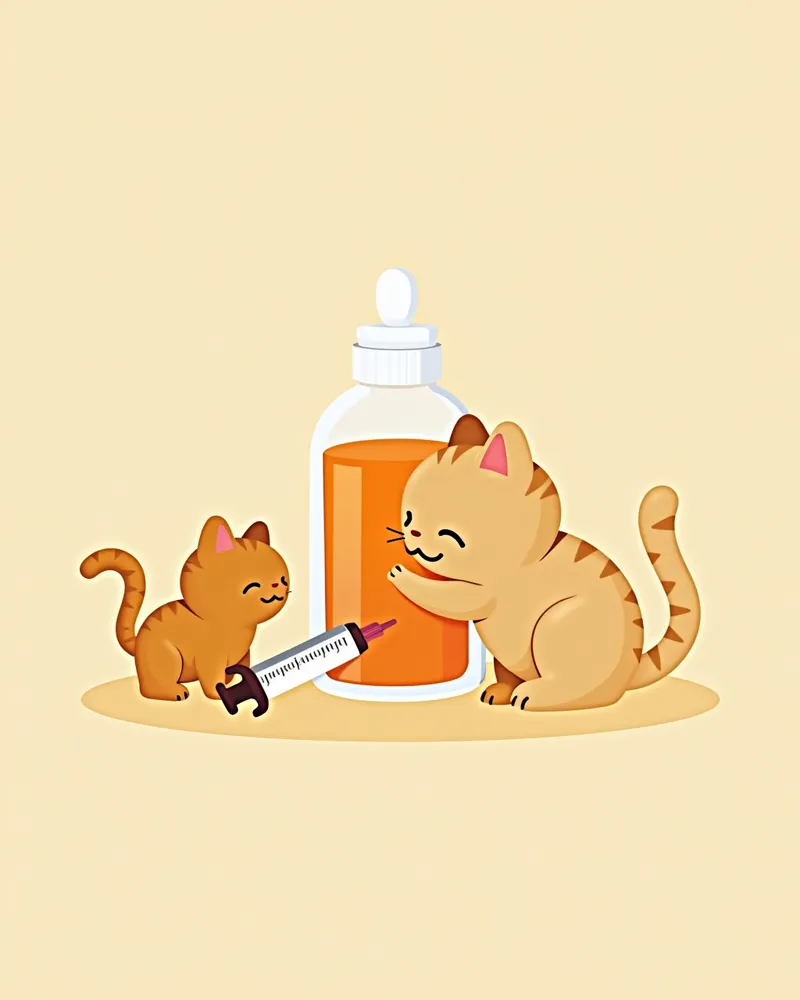
BEST 2: Capsule Hookworm Dewormer
BEST 3: Febavit-Type Hookworm Dewormer

Comparison Table of BEST 1–3 Products
| Item | Ingredient | Recommended Repeat-Dosing Interval | Eligible Body Weight | Administration Method |
|---|---|---|---|---|
| BEST 1: Probiotic Liquid | Milbemycin oxime + probiotics | Regular repetition (usually every 1–3 months) | 2 kg or more | Liquid (syringe administration) |
| BEST 2: Capsule Type | Ivermectin | Regular repetition (usually every 1–3 months) | 2 kg or more | Capsule (with food) |
| BEST 3: Febrit Type | Febantel (±praziquantel/pyrantel) | Regular repetition (usually every 1–3 months) | 1 kg or more | Febrit (direct administration) |
The interval in the table does not mean the drug's effect 'lasts' for that period; rather, it is the recommended interval for repeat dosing to prevent reinfection after eliminating the parasites present at the time of administration. Choosing a product suited to body weight is important, so decide after consulting a veterinarian.
Precautions and Contraindications
Deworming medications can cause side effects such as vomiting, diarrhea, and lethargy if overdosed. For kittens weighing less than 1 kg or cats with existing health conditions, please consult your veterinarian before use. Additionally, caution is advised when using this medication alongside other drugs, as interactions may occur.
Usage Tips
Reviewed by a veterinarian

Dr. Tony — Punnawat Phongkittirak
VeterinarianA veterinarian who majored in veterinary medicine at Khon Kaen University, Thailand, and completed the IVSA program at North Carolina State University in the United States. Drawing on clinical experience at animal hospitals, he works in the pet healthcare field and is dedicated to building a digital care environment that connects pet parents with veterinarians.
Reviewed 2026-06-29
Frequently Asked Questions
How do cats get infected with hookworms?
How often should deworming medication be given?
What should I do if my pet vomits after taking deworming medication?
Should deworming medication be taken in a concentrated manner?
What should I do if my pet develops severe anemia after taking deworming medication?
Share
Related Guides
5 Flea and Tick Preventives for Cats Recommended by Veterinarians — Ingredient Safety Comparison

The Ultimate Guide to Differentiating Symptoms, Managing Internal Parasites in Dogs, and Choosing the Best Products

Best Practices and Selection Criteria for Dog Heartworm Antigen Testing
Puppy Growling at Food Bowl — Top 7 Solutions for Food-Resource Guarding Aggression

7 Best Management Strategies for Excessive Dog Barking Recommended by Veterinarians and How to Choose

7 Best Management Strategies for Dog-on-Dog Aggression Recommended by Veterinarians and How to Choose

Safe with Kids and Dogs — 7 Best Rules for Preventing Dog Bites in Children
Dogs That Chew When Left Alone — 7 Management Strategies for Separation-Related Destructive Behavior and How to Choose
The Best Ways to Manage Compulsive Licking and Chewing in Dogs and How to Choose the Right Approach
The Best Evidence-Based Management Strategies for Canine Cognitive Dysfunction in Senior Dogs and Selection Criteria
References
[1] The Cat, Clinical Medicine and Management, 2nd Edition, 2020
[2] Clinical Medicine of the Dog and Cat, 4th Ed, 2018
[3] Small Animal Critical Care Medicine, 3rd Ed, 2021