
Like
Share
멍실장
고양이 심장사상충 관리 추천 BEST와 고르는 기준 총정리

Top 3 Recommended Heartworm Preventives for Cats and How to Choose

Infection/ParasitesTop PicksMeongsiljang Veterinary Advisory Board

Heartworm disease in cats is transmitted by mosquitoes, making early prevention essential. Here’s a guide to choosing effective preventive products, along with our top three recommendations.

Heartworm Disease in Cats Is a Serious Parasitic Infection Transmitted by Mosquitoes

An anatomical illustration of heartworms residing in a cat's pulmonary artery, rendered with realistic detail.
Heartworm disease is a parasitic infection transmitted through mosquito bites. While the risk of infection rises during warm, humid seasons when mosquitoes are most active, transmission does not completely cease even in cooler temperatures. These parasites reside in a cat’s pulmonary arteries and heart, potentially causing respiratory symptoms. In particular, the death of adult worms can trigger acute inflammatory responses or thromboembolism, leading to sudden pulmonary dysfunction and even sudden death. Therefore, prevention is far more critical than treatment, and it is advisable to develop a customized management plan with your veterinarian. Preventive medications must be administered regularly on a monthly basis; if doses are missed or not given in the correct amount, infection can still occur despite preventive efforts. The key to effective management is selecting the appropriate product based on your cat’s living environment and weight, as determined by your veterinarian.

Three Key Criteria for Choosing: Effectiveness, Safety, and Ease of Administration
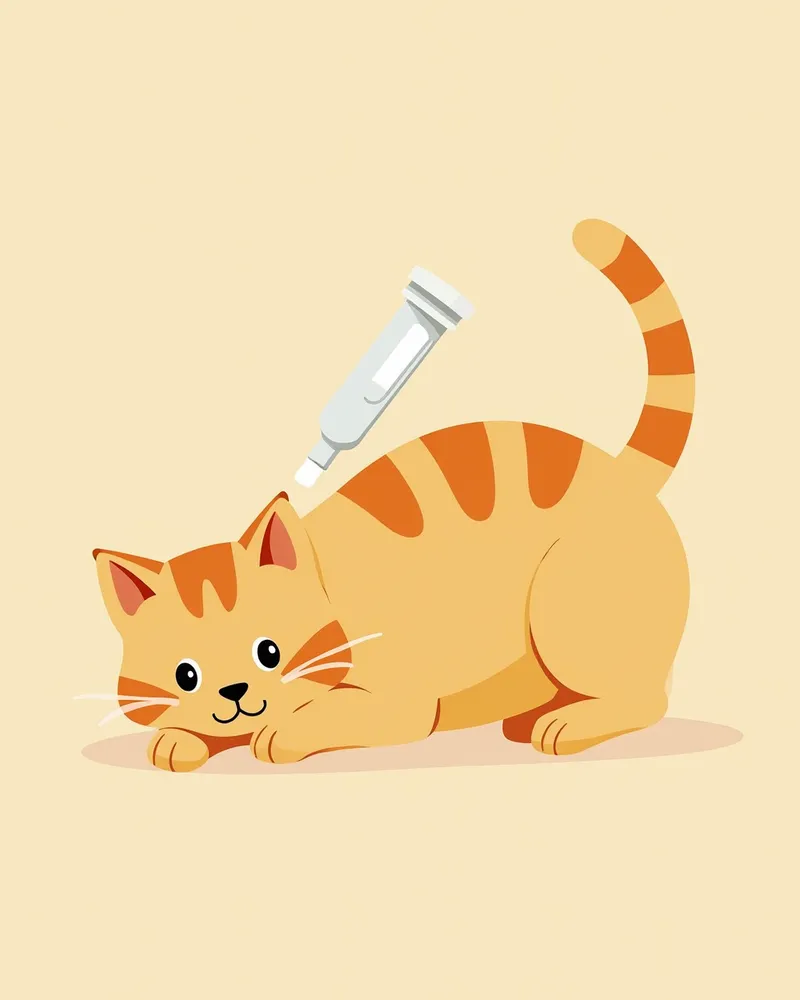
When choosing a heartworm preventive, there are three key criteria you should always consider: - Effectiveness: Confirm that the active ingredient has been proven effective in preventing heartworm through clinical trials. - Safety: Ensure the ingredient is safe and appropriate for your cat’s weight and overall health status. - Ease of administration: Consider which formulation—treat, capsule, or topical solution—best suits your cat. Consulting with your veterinarian will help you choose a product that ensures safe and effective management. This careful selection is especially important for cats that freely roam both indoors and outdoors.
A cat receiving a topical preventive medication applied to its back.

BEST 1: Probiotics Pet Capsule (Mosquito-Borne Preventive)

This product is a heartworm preventive that contains ingredients safe for cats. Monthly administration maintains its preventive effect, and the capsule form is easy to swallow with minimal refusal, making it relatively easy to administer. Although side effects after administration are rare, regular use is important, so consult your veterinarian before use. The stability of the ingredients and preventive efficacy are based on clinical data, and the product should be selected according to your cat’s weight and health condition.
A photo showing a capsule of preventive medication for cats placed alongside its food.

BEST 2: Laser Care Topical Solution (Mosquito Parasite Blocker)

This product is a topical heartworm preventive for cats, applied as a drop to the skin behind the neck where it is absorbed. Administering it once a month helps reduce the risk of infection by preventing heartworm larvae that enter the body from maturing. However, it does not prevent mosquito bites themselves, so it is also important to manage the environment to minimize mosquito exposure. As a topical solution, it is applied to an area that is difficult for cats to lick, reducing the burden of administration. Even cats that live exclusively indoors can become infected in endemic areas, so consistent prevention is necessary regardless of whether they go outdoors or not. It is recommended to start prevention within 30 days of potential mosquito exposure, and it is safest to consult with a veterinarian to determine the specific product and dosing schedule.
A cat with topical liquid applied to the back of its neck.

BEST 3: PetPlus Febrica (Oral Preventive)

This product comes in a treat form with flavors that cats love, making it relatively easy to administer. Giving it once a month on a regular schedule helps maintain protection against heartworm disease. Since it’s given orally, it works well for cats that readily eat their regular food or treats. However, picky eaters may refuse it, so it’s important to consult your veterinarian to choose the most suitable formulation for your cat. Preventive medications aren’t one-time treatments; they must be administered consistently at the recommended intervals. If doses are missed or the full amount isn’t given, your cat can still become infected even while on preventive care. That’s why establishing a consistent dosing routine is the most important step.
A cat enjoying a delicious treat

Comparison Table of BEST 1–3 Products

ItemFormDuration of EffectRecommended For
Probiotics Pet CapsuleCapsule1 monthCats that can receive regular dosing suited to their weight and condition
Laser Care Topical SolutionTopical solution1 monthCats that freely move indoors and outdoors
Pet Plus FebricaOral treat1 monthCats that eat well and have a fixed daily routine

All products should be used according to a veterinarian's prescription. Year-round prevention is needed in areas with high infection risk.

Caution: Do Not Discontinue Heartworm Prevention in Cats

Heartworm preventatives must be administered on a monthly basis to maintain their effectiveness. Discontinuing treatment significantly increases the risk of infection. It is especially important to maintain consistent prevention during the summer months when mosquito activity is at its peak.

Usage Tip: Maintain a Consistent Administration Schedule
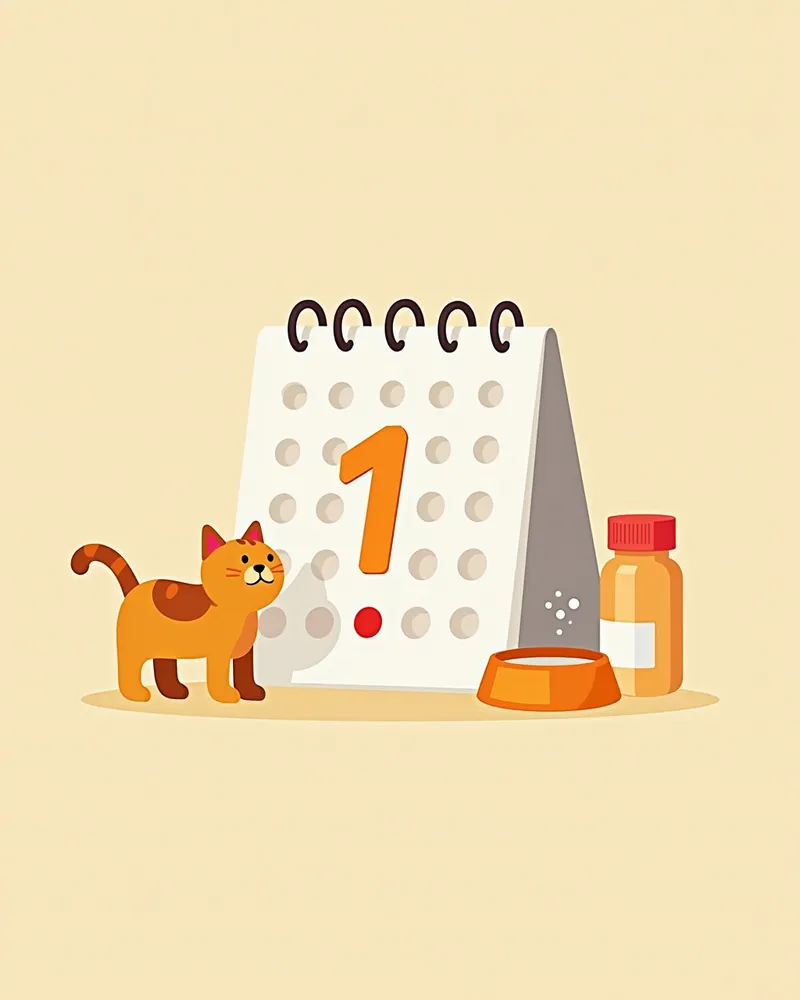
Setting a specific day for administering preventive medication can help reduce mistakes. For example, making it a habit to give the medication on the first day of every month ensures you won’t forget. Aligning the administration time with your cat’s daily routine can make the process more stable. During the mosquito-active summer months, regular administration is especially crucial. Skipping doses increases the risk of infection, so it’s essential to avoid interruptions. Creating a schedule with your veterinarian can make management much more effective and give you peace of mind. Consistent administration is the key to prevention.
A calendar to record your cat’s preventive medication schedule

Reviewed by a veterinarian

Dr. Tony — Punnawat Phongkittirak

Dr. Tony — Punnawat Phongkittirak

Veterinarian

A veterinarian who majored in veterinary medicine at Khon Kaen University, Thailand, and completed the IVSA program at North Carolina State University in the United States. Drawing on clinical experience at animal hospitals, he works in the pet healthcare field and is dedicated to building a digital care environment that connects pet parents with veterinarians.

Frequently Asked Questions

Can cats get heartworm disease too?
Yes, cats can also become infected with heartworms through mosquito bites. Not only outdoor cats but also indoor cats in endemic areas are at risk; one study reported that approximately 25% of cats infected with adult heartworms were strictly indoor cats.
When should I start giving my pet heartworm preventive medication?
It is best to start preventive measures before mosquitoes become active, and it is recommended to begin no later than 30 days after potential mosquito exposure. In areas with a high risk of infection, continuing prevention throughout the transmission season or year-round is advisable.
What should I do if I missed a preventive treatment?
If you've missed doses for a while, don't make any decisions on your own—consult your veterinarian to determine when to restart treatment and whether any tests are needed. Skipping doses or not administering the full amount can lead to infections even when using preventive medications, so consistent administration is crucial.
Are preventive medications dangerous for cats?
When used at the correct dosage and in the appropriate formulation, it is relatively safe. Vaccines approved for cats can be administered even to those that test positive for antibodies or antigens. However, using the wrong product or overdosing can cause adverse effects, so it’s safest to follow your veterinarian’s prescription.
Is heartworm disease treatable?
Unlike dogs, cats don’t have a simple treatment for heartworm disease; instead, management focuses on controlling symptoms. The process of killing adult worms can trigger severe acute reactions or even sudden death, which is why prevention is absolutely crucial.

Share

Related Guides

References

[1] American Heartworm Society. (2023). Feline Heartworm Disease: Prevention, Diagnosis, and Management. https://www.heartwormsociety.org/feline-heartworm-disease

[2] Plumb's Veterinary Drug Handbook, 9th Edition. (2022). Wiley-Blackwell. ISBN: 978-1119728808

[3] Veterinary Parasitology, 4th Edition. (2021). Wiley-Blackwell. ISBN: 978-1119494421

This information is based on veterinary literature and does not replace diagnosis or treatment. Please consult a veterinarian for specific health concerns.

Metapet Co., Ltd. | CEO: Park Sung-yong | Business Reg. No. 417-88-02562 | Seoul, South Korea | Customer Center

Top 3 Cat Heartworm Preventives and How to Choose | Meongsiljang