
5 Dog Ear Cleaners Recommended by Veterinarians — Key to Preventing and Managing Otitis Externa
Dog ear cleaners remove earwax, dead skin, and fungal buildup to help prevent otitis externa. We’ve compared the ingredients and top five products based on ear conditions, so you can choose safely and confidently.
Why Are Dog Ear Cleaners Necessary?
Why Does Otitis Externa Occur Frequently?
Comparison of Ingredients in the Top 5 Dog Ear Cleaners
| Item | Epi-Otic | MalAcetic | TrizUltra+Keto | Virbac CL | Otifarm Cleanser |
|---|---|---|---|---|---|
| Key ingredients | Salicylic acid, PCMX, docusate | Acetic acid 2%, boric acid 2% | Tris-EDTA, ketoconazole | Docusate, salicylic acid | Purified water, boric acid, surfactant |
| Earwax-dissolving power | Strong | Moderate | Moderate | Strong | Weak |
| Antibacterial/antifungal | Moderate | Strong (bacteria) | Strong (fungi) | Moderate | Weak |
| Recommended ear condition | Everyday care for waxy ears | Bacterial infections needing an acidic environment | Adjunct to veterinary prescription | Chronic care for waxy ears | Light care for dry ears |
| Use with ruptured eardrum | Avoid when perforated (not an exception ingredient) | Exception ingredient—relatively safe when perforated (but avoid with erosion or ulceration) | Tris-EDTA is relatively safe when perforated (confirm with veterinarian) | Avoid when perforated (not an exception ingredient) | Veterinary confirmation required |
Ingredients and recommended uses are based on manufacturer labels and BSAVA & Plumb's textbook classifications. BSAVA regards Tris-EDTA, acetic acid, boric acid, and squalene as exception ingredients that are relatively safe even with a ruptured eardrum, while most other cleansers (such as alcohol-containing products) are considered contraindicated when perforated. However, since eardrum condition can only be confirmed with an otoscope, if perforation is suspected, do not use products based on your own judgment; consult your veterinarian and decide based on your pet's ear condition.
No. 1 — Epi-Otic: The Safest for Daily Maintenance
No. 2 — MalAcetic: Inhibits Bacteria with an Acidic Environment
No. 3 — Tris-Flush: The Perfect Companion for Prescription Treatment
No. 4 & 5 — Burbak CL and General Cleanser
Points to Check Before Use
Most ear cleaners are contraindicated when the eardrum is perforated. According to the BSAVA textbook, only tris-EDTA, acetic acid, boric acid, and squalene are classified as relatively safe exceptions that can be used even with a perforation. All other cleaners, especially those containing alcohol, should be avoided because they can flow into the middle ear and cause pain, balance disturbances, and even hearing loss. Acidic cleaners should also be avoided if the external ear canal is eroded or ulcerated. If your pet frequently shakes its head, cries out when its ears are touched, or suddenly walks tilted to one side, do not use any cleaner first; instead, have a veterinarian examine the eardrum with an otoscope. Manual cleaning should be avoided entirely if the ears are severely painful or itchy, as the pet is conscious during the procedure. If you are using prescribed ear drops, clean the ear with a cleaner first, then wait an appropriate interval before applying the medication to ensure its efficacy is not reduced.
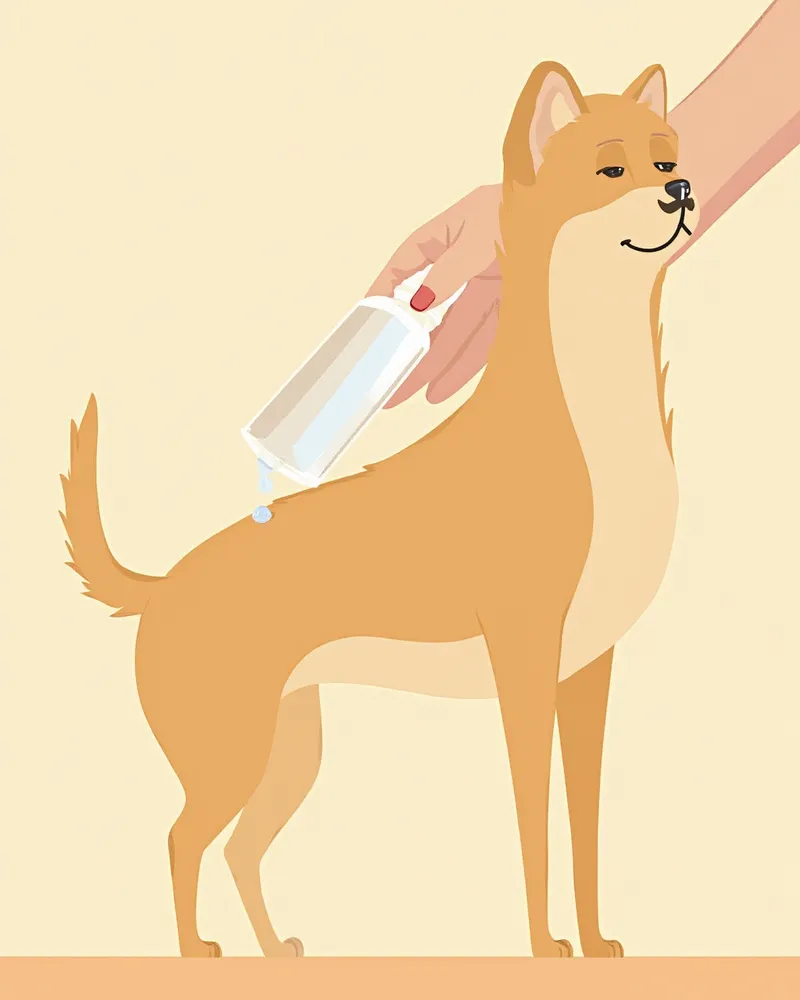
5 Steps for Proper Ear Cleaning
Stop Cleaning and Visit the Vet If You See These Signs
If you notice any of the following signs, stop home care and have your pet examined at a veterinary clinic. - Yellow or green pus: This indicates an advanced bacterial infection requiring prescribed antibiotics. - Earwax resembling black coffee grounds: This may indicate an ear mite infestation. - A sour or musty odor from the ears: This is a sign of Malassezia yeast overgrowth. - Vocalizing in pain when the ears are touched: This suggests possible eardrum damage or middle ear infection. - Head tilting or balance issues: This is an emergency indicating inner ear involvement. Delaying treatment by attempting home cleaning can lead to chronic otitis externa, requiring lifelong management.
Reviewed by a veterinarian

Dr. Tony — Punnawat Phongkittirak
VeterinarianA veterinarian who majored in veterinary medicine at Khon Kaen University, Thailand, and completed the IVSA program at North Carolina State University in the United States. Drawing on clinical experience at animal hospitals, he works in the pet healthcare field and is dedicated to building a digital care environment that connects pet parents with veterinarians.
Reviewed 2026-05-05
Frequently Asked Questions
How often should I use ear cleaner for my dog?
Can I use human-grade alcohol or vinegar to clean it?
Can I use a cotton swab?
Can I use this together with prescription eye drops?
Can cats use the same product?
Share
Related Guides
Top 5 Medicated Dog Shampoos — For Pyoderma and Bacterial Infections

Veterinarian-Recommended Top 5 Medicated Shampoos for Canine Yeast Dermatitis — Relieves Itching and Greasiness
Top 5 Medicated Cat Shampoos Recommended by Veterinarians — Fungal Dermatitis and Fungal Care
7 Best Tips for Choosing a Feline Cardiac Ultrasound (Echo) Recommended by Veterinarians
7 Post-Heart Surgery Recovery Care Tips for Cats Recommended by Veterinarians
7 Factors Determining the Prognosis of Feline Heart Disease, as Explained by Veterinarians
7 Best Early Screening Tips for Feline Heart Disease Chosen by Veterinarians — More Important When Asymptomatic

5 Things Not to Miss Before Scaling for Cats with Heart Disease — Criteria to Reduce Anesthesia Risk

7 Cat Breeds Prone to Heart Disease According to Veterinarians — From Predisposition to Management
Top Recommendations and Selection Criteria for Managing Feline Bradycardia and Atrioventricular Block
References
[1] Nuttall T, Cole LK, Topical therapy for otitis externa, BSAVA Manual of Canine and Feline Dermatology, 4th Ed, 2004
[2] Swinney A et al., In vitro antimicrobial activity of commercial ear cleaners against Malassezia pachydermatis, Veterinary Dermatology, 2008
[3] Plumb DC, Otic preparations chapter, Plumb's Veterinary Drug Handbook, 10th Ed, 2023
[4] Hill PB et al., Survey of ear disease in primary-care veterinary practice, Veterinary Record, 2006