Like
Share
멍실장
고양이 기관지 확장제 관리 추천 BEST와 고르는 기준 총정리

Top Recommended Feline Bronchodilators and Selection Criteria: A Complete Guide

RespiratoryTop PicksMeongsiljang Veterinary Advisory Board

Feline bronchodilators can help alleviate chronic coughing and difficulty breathing, making proper selection and usage essential. Learn about effective management strategies.

What Are Feline Bronchodilators?
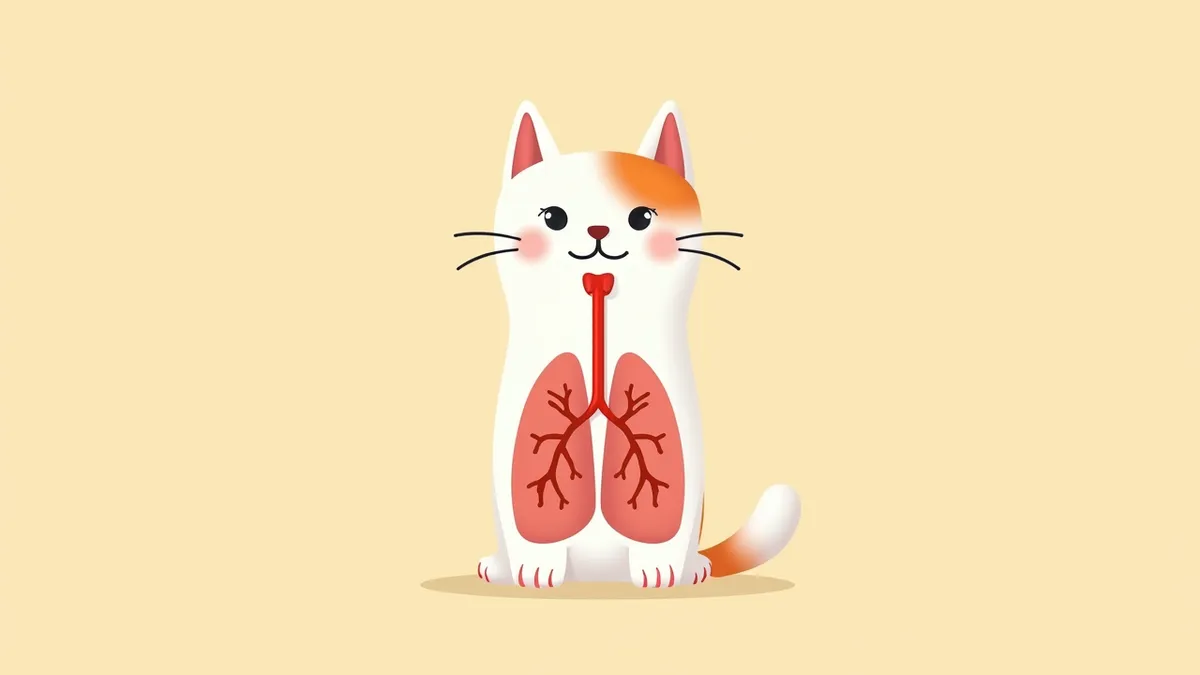
Anatomical structure of the feline trachea and airways, showing contracted and dilated states
Feline bronchodilators are medications that relax the muscles in the airways to help your cat breathe more easily. They are used under a veterinarian’s precise diagnosis and prescription to achieve bronchodilation in cats with chronic cough or difficulty breathing, by widening the airways to allow better airflow. - Functional effects: They can help alleviate symptoms in certain inflammatory airway diseases where bronchoconstriction is involved. However, because reducing cough frequency or improving lung function often requires concurrent treatment, these benefits cannot be guaranteed when the medication is used alone. - Usage conditions: A veterinarian’s accurate diagnosis and prescription are essential. The condition must be diagnosed through veterinary examinations (e.g., airway lavage, blood tests). - Administration: Dosage is adjusted according to your cat’s weight and condition, and administering the medication at consistent times is important for maintaining its effectiveness. - Precautions: If any side effects occur, stop administering the medication immediately and consult your veterinarian.

Four Selection Criteria

When choosing a bronchodilator for your cat, prioritize safety and efficacy. First, ensure the dosage is appropriate for your cat’s weight and overall health. Second, look for ingredients with minimal side effects. Third, check whether the administration method is convenient, such as an inhaler or liquid formulation. Fourth, it’s important to verify that the product is recommended by a veterinarian. Since each cat may respond differently, start with a small dose and closely monitor your pet’s reaction.
A veterinarian using a bronchodilator inhaler on a cat

BEST 1: Allergen-Free Bronchodilator (Liquid Form)

This product is not a bronchodilator formulated without allergenic ingredients, and depending on its components, it may cause irritation in sensitive cats. While the liquid form allows for easy dosage adjustment, the specific ingredients should be determined in consultation with a veterinarian, and it is important to closely monitor your cat’s response. - Dosage Adjustment: Administering after meals may reduce gastrointestinal irritation. Always follow your veterinarian’s instructions precisely. - Duration of Effect: The length of time bronchodilation lasts varies significantly depending on the medication type and individual differences among cats. Rather than assuming a fixed duration, it is more accurate and safe to adhere to the dosing interval recommended by your veterinarian. - Suitable Candidates: Bronchodilators may be effective for conditions primarily caused by bronchoconstriction (e.g., asthma, chronic bronchitis). However, since coughing can stem from other underlying diseases, use only after a proper diagnosis. - Usage Tips: Accurate administration according to your veterinarian’s guidance ensures safer and more effective management. Carefully observe your cat’s response after each dose.
Liquid bronchodilator bottle and dropper for cats
This product is a bronchodilator used with an inhaler, allowing the medication to reach the airways and lungs directly for effective action. It can be particularly helpful for cats experiencing acute symptoms accompanied by bronchoconstriction. - Inhalation Effect: It can help alleviate acute symptoms in cats with bronchial inflammation. However, beta-2 agonists like albuterol are recommended only for acute exacerbations. Continuous use may worsen airway inflammation, so long-term management should be considered alongside concurrent treatments. - Usage Method: The safest approach is to have your veterinarian demonstrate how to use the inhaler. Gradual training is necessary to help your cat become comfortable with the mask. - Frequency of Use: Use the inhaler as frequently as prescribed by your veterinarian. Watch closely for potential side effects, including rapid heart rate, irregular heart rhythms, vomiting, and agitation. - Long-Term Management: Regular check-ups are recommended during long-term use to monitor your cat’s condition. Comprehensive evaluations of respiratory status and cardiac function are essential. - Precautions: Clean the inhaler regularly and use it in a clean environment to prevent contamination. Skipping the cleaning of the mask and spacer can increase the risk of infection.
A cat wearing a nebulizer mask and inhaling a bronchodilator.

BEST 3: Omega-3 Containing Bronchial Protector

This supplement contains vitamins and omega-3 fatty acids, offering potential anti-inflammatory benefits. While omega-3 fatty acids (EPA and DHA) may help modulate inflammatory responses, their efficacy as an adjunct to bronchodilators remains unproven. - Key Ingredients: Formulated with omega-3 fatty acids (such as EPA and DHA) and lecithin, this product is expected to play a supportive role in reducing inflammation and protecting the airways. - Combined Effects: When used alongside bronchodilators or steroids, it may provide supplementary support; however, please be aware that direct clinical evidence for this combination is limited. - Administration: For optimal absorption, administer once daily with food. Always follow your veterinarian’s instructions. - Safety: Although composed of relatively safe ingredients, dosage control is essential to prevent side effects from overdosing. - Care Tips: Maintain regular consultations with your veterinarian to monitor your pet’s condition. Remember that this is a supplement, and concurrent treatment is necessary for underlying diseases.
Omega-3 supplements and bronchial protectants for cats

Comparison Table of Products BEST 1–3

ItemFormMain ingredientsFrequency of use
BEST 1 (Liquid type)LiquidOral bronchodilators such as theophylline or terbutaline (specific ingredients determined by veterinarian's instructions)1–2 times a day
BEST 2 (Inhaler type)For inhalerAlbuterol (beta-2 agonist/bronchodilator) or fluticasone (inhaled anti-inflammatory) — determined by veterinary prescription1–2 times a day
BEST 3 (Supplement)CapsuleOmega-3 fatty acids + lecithinOnce a day

Use according to veterinary prescription. Visit the hospital immediately if side effects occur.

Precautions and Contraindications

Bronchodilators should not be used without a veterinarian’s prescription. Cats with severe heart disease, hypertension, or liver disease require special caution when using these medications. Possible side effects include decreased appetite, vomiting, restlessness or agitation, and rapid heart rate or irregular heart rhythms. Monitor your cat closely for at least 24 hours after the first dose, and contact your veterinarian immediately if any adverse reactions occur. In particular, beta-2 agonists such as albuterol can increase heart rate in cats with heart disease, so extra caution is warranted.

Usage Tips and Management

When giving your cat a bronchodilator, create a low-stress environment to help them feel comfortable. - Environment: Administer the medication in a quiet, warm space. - Timing: Giving the medication at the same time each day helps maximize its effectiveness. - Reminders: Set an alarm to ensure you don’t miss a dose. - Post-administration care: Avoid feeding your cat for at least 30 minutes after giving the medication, but always provide plenty of fresh water. - Monitoring: If you notice any side effects, stop the medication immediately and consult your veterinarian.
Medication schedule for cats and a comfortable sleep state

Reviewed by a veterinarian

Dr. Tony — Punnawat Phongkittirak

Dr. Tony — Punnawat Phongkittirak

Veterinarian

A veterinarian who majored in veterinary medicine at Khon Kaen University, Thailand, and completed the IVSA program at North Carolina State University in the United States. Drawing on clinical experience at animal hospitals, he works in the pet healthcare field and is dedicated to building a digital care environment that connects pet parents with veterinarians.

Frequently Asked Questions

Are bronchodilators always safe for cats?
Not all cats are safe to use this medication. Caution is necessary for cats with heart disease or liver dysfunction. The choice of medication and dosage should be determined by a veterinarian based on a thorough diagnosis, taking into account the cat's overall health condition.
Can I stop the medication once the coughing stops?
Not necessarily. Even if the coughing stops, the underlying condition may not be fully resolved. For safety, it’s best to gradually taper off the medication under your veterinarian’s guidance, even after symptoms have disappeared.
What should I do if using an inhaler is difficult?
It’s safest to have your veterinarian show you how to use the inhaler directly. Gradually acclimate your cat to the mask through slow, step-by-step training. Try practicing in a quiet environment to minimize stress for your cat.
Can bronchodilators be taken together with other medications?
While it’s generally safe, there may be interactions with other medications. Be sure to inform your veterinarian, especially if your pet is taking steroids or heart medications, as extra caution is needed in these cases.
What should I do if I miss a dose of medication?
If you remember, give the missed dose right away. However, if it’s almost time for the next scheduled dose, skip the missed one and continue with the regular schedule. It’s important to administer the medication at the same time each day to ensure optimal effectiveness.

Share

Related Guides

References

[1] Lynelle R. Johnson et al., Small Animal Critical Care Medicine, 3rd Edition, 2022

[2] Canine and Feline Respiratory Medicine, 3rd Edition, Elsevier, 2021

[3] American Association of Feline Practitioners (AAFP), Feline Respiratory Health Guidelines, 2023

This information is based on veterinary literature and does not replace diagnosis or treatment. Please consult a veterinarian for specific health concerns.

Metapet Co., Ltd. | CEO: Park Sung-yong | Business Reg. No. 417-88-02562 | Seoul, South Korea | Customer Center

Best Cat Bronchodilators: Top Picks & How to Choose | Meongsiljang